If you’re considering entering the fast food industry, there are several franchise opportunities that can be lucrative. Brands like Chick-fil-A and Five Guys have strong reputations and high sales volumes, whereas Wingstop and Quiznos offer more budget-friendly options. It’s crucial to evaluate innovative menu trends and the growing demand for healthier choices. Comprehending the importance of drive-thrus and ghost kitchens can likewise impact your decision. What factors should you consider before making a commitment?
Key Takeaways
- Chick-fil-A: High average unit volume of $7.5M with robust brand recognition, but requires a significant investment of $585K to $3.5M.
- Five Guys: Affordable entry at $319K to $1.6M, famous for customizable burgers and fries, appealing to a broad customer base.
- Jersey Mike’s: With an investment of $204K to $1.32M, this sandwich franchise is gaining popularity among health-conscious consumers.
- Wingstop: Investment ranges from $259K to $912K, capitalizing on the growing demand for chicken wings and casual dining experiences.
- Quiznos: Lower investment option at $216,100 to $500,000, focusing on fresh ingredients and unique sandwich offerings, appealing to diverse tastes.
Top Fast Food Franchises Worth Considering
When exploring fast food franchise opportunities, several standout options deserve your attention.
Chick-fil-A, known for its exceptional customer service, requires an investment ranging from $585K to $3.5M, with an impressive average unit volume (AUV) of about $7.5M.
If you’re considering burger franchise opportunities, Five Guys offers a straightforward menu and a cult following, with an investment range of $319K to $1.6M and an AUV of around $1.8M.
For fast casual franchise opportunities, Jersey Mike’s focuses on fresh-sliced subs, demanding between $204K and $1.32M, boasting an AUV of approximately $1.3M.
Wingstop capitalizes on the chicken wing trend, with an investment range of $259K to $912K and an AUV of about $1.6M.
If you’re interested in unique flavors, Quiznos offers toasted subs, with a total investment range from $216,100 to $500,000 and an AUV of around $417K.
Investment Ranges and Financial Considerations
Investing in a fast food franchise involves careful deliberation of various financial factors. Comprehending the investment ranges and costs is essential before you decide how to open a fast food franchise. Here are some key financial aspects to ponder:
- Investment Ranges: Options like Quiznos range from $216,100 to $500,000, whereas Chick-fil-A costs between $585,000 and $3.5 million.
- Franchise Fees: These typically range from $5,000 to $25,000, depending on the brand, such as the franchise fee McDonald’s charges.
- Ongoing Royalties: Don’t forget ongoing royalties, which contribute to your overall financial commitment.
- Additional Costs: Contemplate land/building expenses, training fees, and marketing costs, as they can greatly affect the total investment.
Consult the fast food franchise cost list and Franchise Disclosure Documents (FDD) for detailed financial information. This preparation can help you make an informed decision about a burger franchise for sale.
Innovative Menu Options in Fast Food
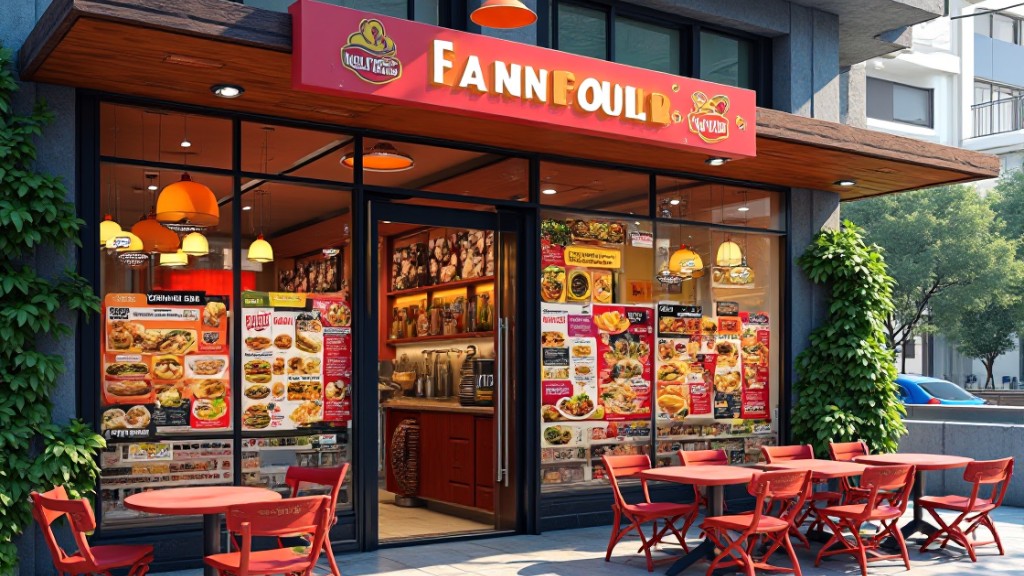
How can fast food franchises stay relevant in a market that increasingly values health and variety? To attract health-conscious customers, many franchises are introducing innovative offerings, including plant-based menu items. This shift reflects a significant trend, as almost half of the U.S. population seeks lower-calorie and vegan choices.
By incorporating customizable meals, fast food chains can cater to diverse dietary preferences, enhancing customer satisfaction.
Additionally, franchises like Subway and McDonald’s are exploring unique flavor profiles, moving beyond traditional offerings. Mediterranean cuisine, for instance, provides wholesome alternatives that resonate with today’s health-focused diners.
The rise of flexitarian consumers, who limit meat intake, has led to a 20% sales boost for plant-based options. Overall, evolving menus that prioritize high-quality ingredients and diverse flavors are crucial for fast food franchises to remain competitive and meet the demands of a health-conscious market.
The Importance of Drive-Thrus in Fast Food Success
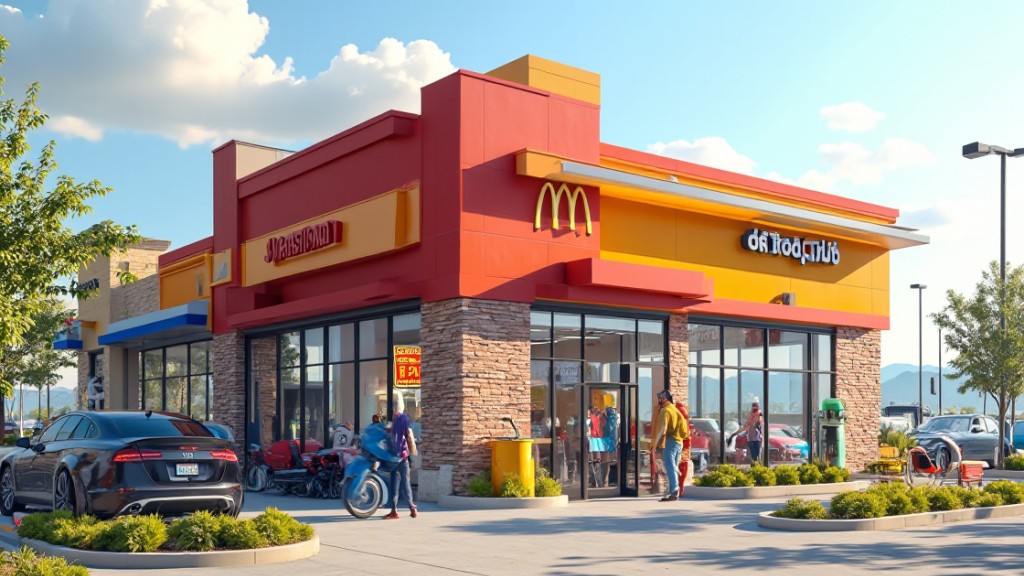
Drive-thrus have become critical to the success of fast food franchises, greatly impacting their revenue and customer experience. As a franchise owner, comprehending their significance is fundamental.
Here are some key reasons why drive-thrus are indispensable in the quick service restaurant franchise sector:
- Increased Revenue: Drive-thrus can boost sales by up to 30%, making them a lucrative addition to any fast food franchise.
- Consumer Demand: The rise in off-premise dining, especially during social distancing, has heightened the need for drive-thrus.
- Efficiency Improvements: Double drive-thrus, like those at Chick-fil-A, improve customer flow and minimize wait times, enhancing overall satisfaction.
- Market Trends: With brands like Schlotzsky’s planning to implement drive-thrus in 99% of new locations, it’s clear this service is becoming fundamental in the fastest growing food franchises.
Exploring the Ghost Kitchen Trend
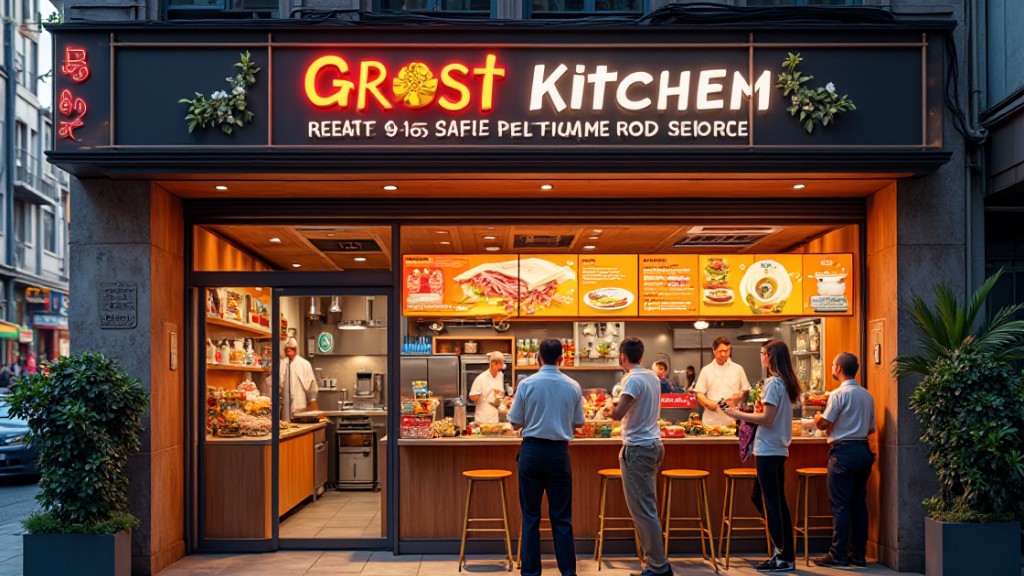
As you explore the ghost kitchen trend, you’ll find that it offers numerous benefits, such as lower overhead costs and the ability to quickly enter new markets.
Popular concepts range from established franchises like Taco Bell to innovative setups like Combo Kitchen, all focusing on delivery and takeout services.
Nonetheless, it’s crucial to contemplate the challenges that come with this model, including competition and the need for effective marketing to reach customers in a crowded digital space.
Benefits of Ghost Kitchens
As many traditional restaurants face high overhead costs and limited operational flexibility, ghost kitchens are emerging as a viable alternative that addresses these challenges. This trend suits the growing demand for delivery and takeout, especially in today’s market.
Here are some benefits of ghost kitchens for aspiring operators:
- Lower Overhead: Without the need for a physical storefront, you can greatly reduce costs.
- Operational Flexibility: Experiment with new menus or concepts without hefty investments.
- Increased Efficiency: Streamlined operations focus solely on delivery and takeout, enhancing profitability.
- Market Adaptability: Quickly respond to consumer trends, making it ideal for affordable restaurant franchises and quick service franchises.
Embracing ghost kitchens might just be your ticket to success in the evolving fast food environment.
Popular Ghost Kitchen Concepts
As the ghost kitchen model continues to gain traction, various innovative concepts have emerged, showcasing the versatility and potential of this dining trend.
Established brands, like Taco Bell, are exploring ghost kitchen prototypes to meet the growing demand for delivery and takeout options. New burger franchises are capitalizing on this trend, offering diverse menus without the need for traditional dine-in spaces.
Concepts like Combo Kitchen and The Local Culinary leverage ghost kitchen models effectively, providing a range of food choices. With lower startup costs, these taco franchise opportunities and similar ventures are attractive for aspiring entrepreneurs.
As consumer preferences shift toward convenience, ghost kitchens are well-positioned to flourish in urban areas, delivering food directly to customers’ doors.
Challenges and Considerations
Even though the ghost kitchen model presents numerous advantages, it’s important to recognize the challenges and considerations that come with this innovative approach to food service.
Here are some key points to keep in mind:
- Market Saturation: As more operators enter the ghost kitchen space, competition can become fierce, making it necessary for your burger franchise or Mexican food franchise opportunities to stand out.
- Quality Control: Maintaining food quality across multiple concepts in shared spaces can be challenging.
- Delivery Logistics: Efficiently managing delivery logistics is crucial to meet customer expectations.
- Brand Awareness: Without a physical storefront, promoting your brand effectively may require additional marketing investment, impacting your overall food franchise cost.
Understanding these factors can help you navigate the intricacies of launching a ghost kitchen successfully.
Healthier Fast Food Options for Modern Consumers
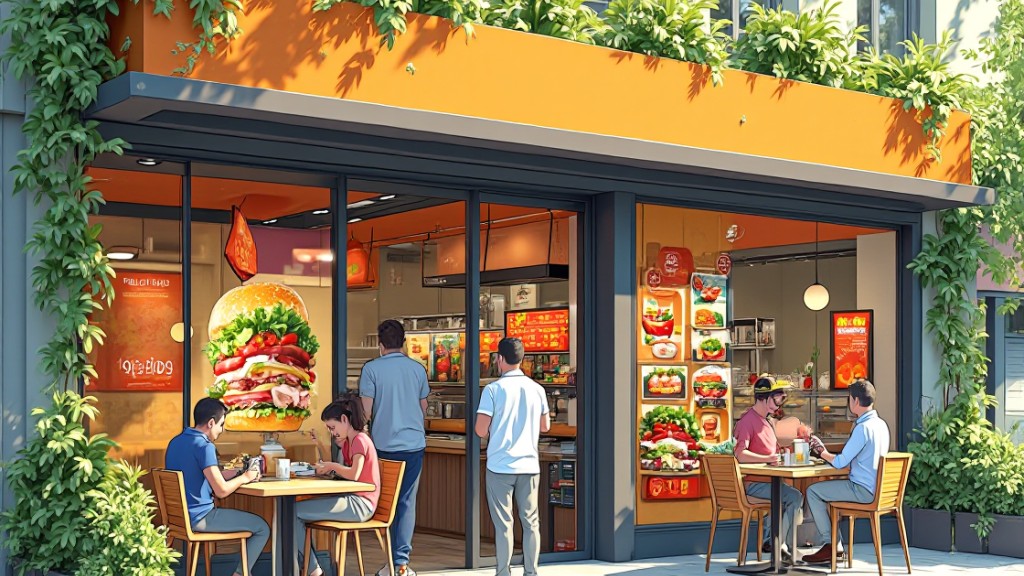
As more consumers identify as flexitarian, the demand for healthier fast food options is increasing.
Chains like Subway are responding by innovating their plant-based menus, whereas giants such as McDonald’s and KFC are adding lower-calorie and vegan items to cater to this trend.
With nearly half of Americans actively seeking nutritious choices, it’s clear that the fast food scenery is shifting in the direction of health-oriented offerings.
Plant-Based Menu Innovations
With the rise of health-conscious dining trends, fast food franchises are increasingly innovating their menus to include plant-based options that cater to modern consumers.
This shift is crucial as nearly one-third of consumers now limit their animal protein intake.
Here are four key reasons to evaluate plant-based menu items for your fresh food franchise:
- Sales of plant-based offerings have surged by up to 20%.
- Major chains like McDonald’s and KFC are successfully introducing lower-calorie vegan options.
- Half of the U.S. population seeks healthier menu choices, presenting a significant opportunity.
- The popularity of burgers remains strong, with 56% of consumers eating them weekly.
Assess these elements when selecting the best fast food chain to franchise or exploring up-and-coming food franchises.
Flexitarian Consumer Trends
A significant portion of today’s consumers, nearly one-third, identify as flexitarian or actively limit their animal protein intake, marking a pivotal shift in dining preferences within the fast food industry.
This trend is prompting burger restaurant franchises and even Mexican fast food franchises to expand their menus with plant-based options. Sales of these items have surged by up to 20%, catering to the 50% of the U.S. population seeking healthier choices.
If you’re considering entering this market, you might wonder, what’s the cheapest fast food franchise to open? Additionally, comprehending the franchise Sonic cost can help you explore options.
As consumers increasingly choose lower-calorie and vegan alternatives, the demand for nutritious fast food options will likely continue to rise.
Factors to Evaluate Before Choosing a Franchise
What factors should you consider before choosing a fast food franchise? Evaluating these aspects can help you make a more informed decision.
- Initial Investment: Understand franchise costs, like the mcdonald franchise cost, which varies greatly. Some franchises may require as little as $216,100, whereas others can go up to $3.5 million.
- Brand Recognition: A strong brand can drive sales. For instance, Chick-fil-A’s average unit volume is around $7.5 million owing to its loyal customer base.
- Support and Training: Thorough training and ongoing support from the franchisor can greatly improve your chances of success.
- Market Potential: Assess the target market and location. Franchises that cater to health-conscious consumers, like various mexican restaurant franchise opportunities, can benefit from high foot traffic, essential for profitability.
Frequently Asked Questions
What Is the Most Profitable Fast Food Franchise to Own?
The most profitable fast food franchise to own is Chick-fil-A, with an average unit volume of about $7.5 million. This impressive figure reflects its strong customer loyalty and efficient operations.
Other notable options include Five Guys, averaging $1.8 million, and Wingstop, which boasts around $1.6 million in average unit volume.
Each franchise has unique strengths, so evaluate factors like market demand, investment costs, and your personal interests before making a decision.
Why Is It Only $10,000 to Open a Chick-Fil-A?
Chick-fil-A’s initial franchise fee is only $10,000 to attract a diverse range of franchisees, including those with limited capital but strong leadership skills. This low fee encourages community engagement and exceptional service, as franchisees must be actively involved in daily operations.
Nevertheless, the company balances this by requiring ongoing royalties from sales, enabling corporate support and marketing initiatives. Their selective process guarantees franchisees align with the brand’s values and mission.
What’s the Cheapest Fast Food Franchise to Start?
The cheapest fast food franchise to start is often Cinnabon, requiring an initial investment of about $30,000 to $90,000.
This budget-friendly option appeals to aspiring franchisees looking for lower entry costs.
Subway follows closely, with investment ranging from $116,000 to $263,000.
If you’re considering franchise opportunities, evaluate these options based on your budget and market potential, as each brand offers unique advantages and challenges in the fast food industry.
What Franchise Can I Open With $10,000?
You can explore several franchise options with an initial investment of $10,000, though many franchises require more.
Look into kiosk or food truck models for lower startup costs. Brands like Crave Hot Dogs and BBQ might offer entry points, but total costs often exceed $10,000.
Always review Franchise Disclosure Documents (FDDs) to understand all financial requirements, including ongoing fees like royalties and marketing, to guarantee you’re fully informed before committing.
Conclusion
In summary, investing in a fast food franchise can be a lucrative opportunity, especially with the growing demand for diverse and healthier menu options. Consider reputable franchises like Chick-fil-A and Five Guys for strong brand support, or explore budget-friendly choices like Wingstop. Pay attention to trends such as drive-thrus and ghost kitchens, which improve operational efficiency. Finally, carefully evaluate your investment options and align them with market demands to guarantee a successful venture in the fast food industry.
Image via Google Gemini