Key Takeaways
- Franchise Opportunity: Jimmy John’s offers a lucrative chance for entrepreneurs to enter the fast-casual dining sector with a well-established brand known for fresh ingredients and quick service.
- Investment Costs: The initial investment to start a franchise ranges from approximately $315,500 to $558,000, covering fees, equipment, and operational startup costs.
- Comprehensive Training: Franchisees benefit from an extensive training program that includes both classroom instruction and hands-on management practice, ensuring they are equipped to maintain high service standards.
- Financial Requirements: Prospective franchise owners must have a minimum net worth of $1,000,000 and at least $200,000 in liquid capital to support startup and operational expenses.
- Ongoing Fees: Be prepared for ongoing costs, including royalty fees (typically 6% of gross sales) and marketing fees (generally 4% of gross sales), which are essential for maintaining brand visibility and support.
- Challenges to Consider: Franchisees might face issues such as high training costs and limited operational autonomy due to the strict control from the franchisor, which can impact management independence.
If you’re considering diving into the world of fast-casual dining, the Jimmy John’s franchise might just be the perfect opportunity for you. Known for its fresh ingredients and speedy service, this sandwich chain has carved out a niche in the competitive food industry. With a strong brand identity and a loyal customer base, owning a Jimmy John’s franchise can be both fulfilling and profitable.
But what does it really take to become a franchisee? From initial investments to operational guidelines, understanding the ins and outs of the Jimmy John’s franchise system is crucial. Whether you’re a seasoned entrepreneur or a first-time business owner, this guide will help you navigate the process and make an informed decision about joining this beloved brand.
Overview of Jimmy Johns Franchise

Owning a Jimmy John’s franchise presents an opportunity for small business owners to tap into the fast-casual dining market. The brand is recognized for its commitment to fresh ingredients and speedy service, creating a strong competitive edge. With its established brand identity, Jimmy John’s attracts a loyal customer base that drives consistent sales.
The franchise model allows you to operate within a proven framework. Initial investments range from approximately $315,500 to $558,000, which includes franchise fees, equipment, and various startup costs. Understanding these expenses is crucial for both seasoned entrepreneurs and those new to the franchise system.
Operational guidelines set forth by the company ensure that you maintain high standards of service and product quality. Support from corporate headquarters includes training programs, marketing strategies, and ongoing operational assistance, geared toward helping you succeed as a franchisee.
With a focus on efficiency and customer satisfaction, Jimmy John’s provides a business model aligning with the needs of small business owners. Establishing a franchise enables you to leverage the brand’s reputation while focusing on local marketing and community engagement.
Benefits of Owning a Jimmy Johns Franchise
Owning a Jimmy John’s franchise offers significant advantages for small business owners. This renowned brand provides opportunities for sustained growth and customer loyalty.
Brand Recognition
Jimmy John’s stands out in the fast-casual dining sector with a strong reputation for “Freaky Fast” delivery and quality sandwiches. Founded in 1983, the brand operates over 2,700 units across the United States, establishing itself as one of the fastest-growing restaurant brands. This extensive recognition generates immediate credibility, making it easier for you to attract and retain a loyal customer base. The powerful brand identity enhances your marketing efforts as customers are already familiar with and trust the name.
Support and Training
Jimmy John’s ensures your success as a franchise owner through comprehensive support and training programs.
- Training Program: You’ll engage in a 4-week training program that combines classroom learning with hands-on, in-store management training at one of the 24 certified training stores. This structured approach equips you with the necessary skills to manage operations effectively. General managers participate in an additional 7 weeks of training, while assistant managers partake in 3 weeks of focused instruction. This thorough preparation helps you meet the high standards of service and product quality expected by the brand, setting your small business on the path to success.
Costs Involved in Starting a Franchise
Starting a Jimmy John’s franchise requires a considerable investment. Understanding these costs helps you plan effectively for your small business venture.
Initial Investment
The total initial investment ranges from $329,500 to $674,200. This investment varies based on your location and whether you lease or purchase property. Here’s a detailed breakdown of these initial costs:
- Initial Franchise Fee: $30,000 to $35,000.
- Real Estate/Rent (1 month): $2,500 to $8,000.
- Security Deposit: $2,500.
- Leasehold Improvements: $100,000 to $310,000.
- Furniture, Fixtures, Signage, and Equipment: $107,500 to $166,000.
- Architect: $5,000 to $17,000.
- Office Equipment: $2,500 to $2,200.
- Utility Deposits: $1,000 to $2,000.
- Opening Inventory and Supplies: $6,000.
- Grand Opening Event: $3,000 to $5,000.
- Training Expenses: $6,000 to $15,000.
Ongoing Fees
Along with the initial investment, you’ll incur ongoing fees as part of your franchise operation. These fees typically include:
- Royalty Fees: Generally 6% of your gross sales.
- Marketing Fees: Often 4% of your gross sales, supporting national and local advertising campaigns.
- Operational Costs: Various expenses for utilities, supplies, and employee wages.
Understanding these costs ensures you can make informed financial decisions as you launch your small business.
Franchise Requirements and Qualifications
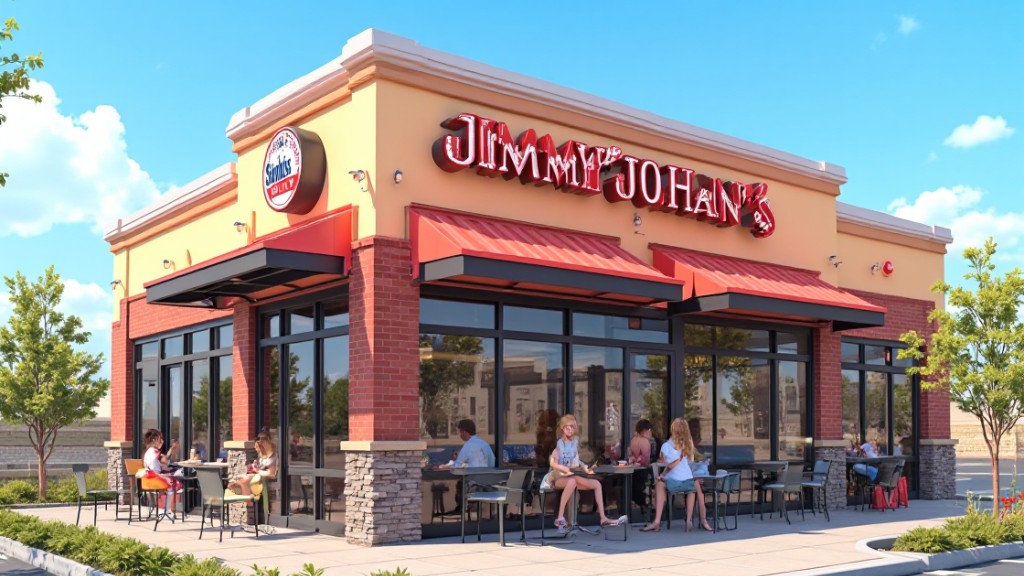
Understanding the requirements and qualifications for a Jimmy John’s franchise is essential for small business owners seeking to invest in a reputable brand. Below are the key financial criteria and necessary experience or skills to successfully operate a franchise.
Financial Requirements
To open a Jimmy John’s franchise, you must meet specific financial requirements:
- Total Investment: The total investment necessary ranges from $355,900 to $671,400, depending on location and circumstances.
- Franchise Fee: A franchise fee of up to $35,000 applies, covering initial licensing and access to the brand.
- Net Worth: A minimum net worth of $1,000,000 is required to ensure you have the financial stability to support the business.
- Liquid Capital: You’ll need at least $200,000 in liquid capital available for startup and operational expenses.
Experience and Skills
While prior experience may not be mandatory, possessing certain skills or knowledge can significantly benefit your success as a franchisee. Focus on developing these essential areas:
- Management Experience: Understanding business operations and managing staff contributes to efficient daily activities.
- Customer Service Orientation: A strong commitment to customer satisfaction aligns with Jimmy John’s focus on quality service.
- Financial Literacy: Ability to manage budgets and financial statements helps ensure your franchise remains profitable.
Engaging in a Jimmy John’s franchise can be a rewarding venture for small business owners, provided you meet the financial requirements and possess the necessary skills.
Potential Challenges in Running a Franchise
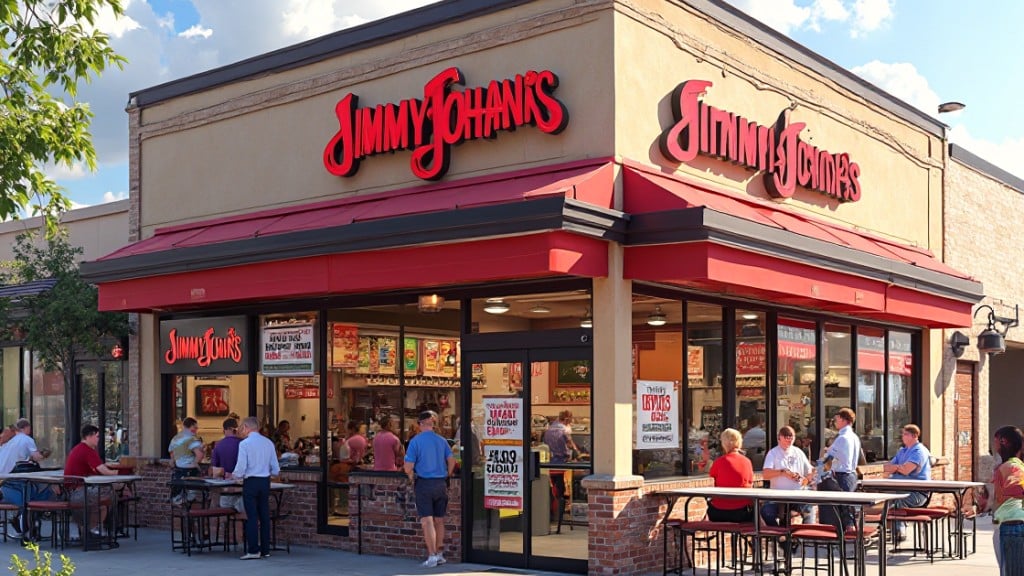
Running a Jimmy John’s franchise presents several challenges that you must navigate as a small business owner.
Expensive Training and Certification
Training costs can become a significant burden. You must send at least three certified managers to the sole training location in Champaign, Illinois. This requirement incurs costs for travel, accommodation, and training fees. The focus of the training is on employee performance rather than management skills. If an employee fails a drug test during this period, you lose the financial investment made in that employee’s training.
Inadequate Support and Dictatorial Franchisor
Franchisees often feel the weight of strict corporate control. You may find yourself acting more as a manager than an owner, as the franchisor prioritizes profit generation over providing adequate support. Some franchisees have formed a franchise association to voice these concerns, seeking improvements in the support system. This dynamic can affect your ability to operate your small business effectively and independently.
Conclusion
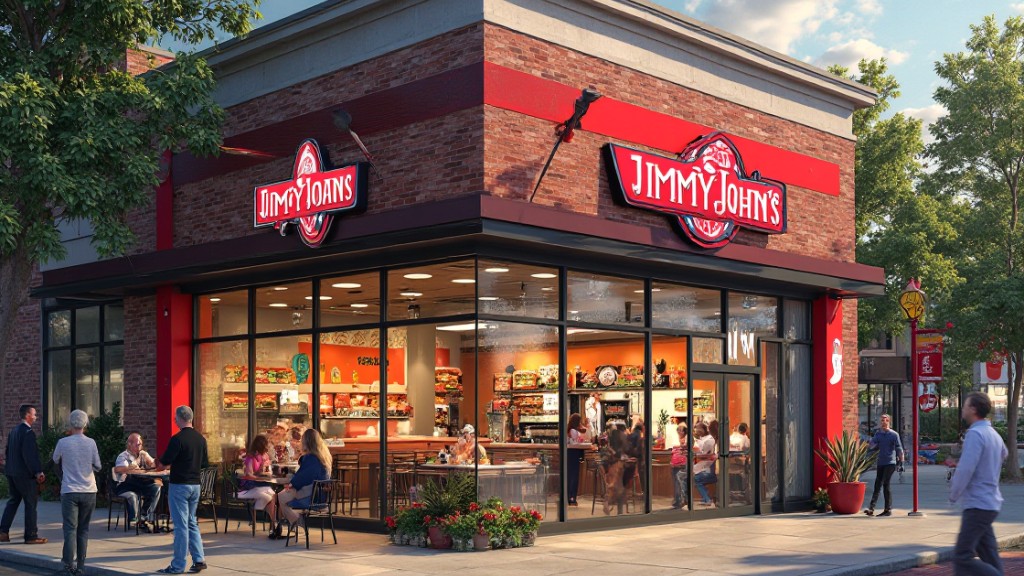
Owning a Jimmy John’s franchise can be a rewarding venture if you’re prepared for the challenges and committed to the brand’s values. With its established reputation and robust support system, you have the tools to succeed in the competitive fast-casual dining market.
Understanding the financial commitments and operational guidelines is crucial for making informed decisions. As you consider this opportunity, weigh both the benefits and potential hurdles to ensure it aligns with your business goals. If you’re ready to dive into the world of franchising, Jimmy John’s could be the right fit for you.
Frequently Asked Questions
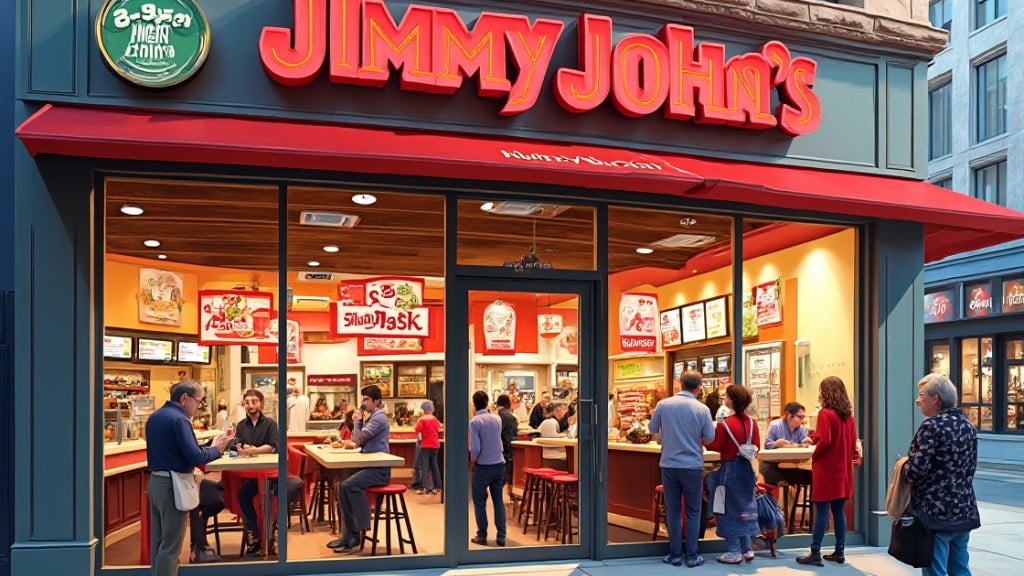
What are the benefits of owning a Jimmy John’s franchise?
Owning a Jimmy John’s franchise offers strong brand recognition, a loyal customer base, and a focus on fresh ingredients and quick service. Franchisees benefit from comprehensive training and support, which includes marketing strategies and operational guidelines ensuring high service standards.
What is the initial investment for a Jimmy John’s franchise?
The initial investment for a Jimmy John’s franchise ranges from approximately $315,500 to $558,000. This includes franchise fees, equipment, and startup costs, which may vary based on location and specific property decisions.
What training is required for franchise owners?
Franchise owners must complete a four-week training program that combines classroom instruction with hands-on experience. Additionally, it’s necessary to send at least three certified managers for training in Champaign, Illinois, which incurs travel and accommodation costs.
What challenges might franchisees face?
Franchisees may encounter high training costs, strict corporate control, and inadequate support. If an employee fails a drug test during training, the investment in that training may be lost. These challenges can restrict operational independence and impact business success.
What ongoing fees are associated with owning a franchise?
Franchise owners should expect ongoing fees including royalty payments and marketing contributions. These fees are essential for maintaining brand standards and supporting marketing efforts but can affect overall profitability.
Image via Google Gemini