
Key Takeaways

- Growing Market: The steakhouse franchise sector benefits from a rising consumer demand for high-quality dining experiences and premium meats, making it a lucrative venture for entrepreneurs.
- Established Support: Franchisees can leverage established brand recognition, proven marketing strategies, and training programs, reducing risks commonly associated with startup businesses.
- Quality Ingredients: Successful steakhouse franchises prioritize sourcing high-grade ingredients, ensuring consistent flavor and quality that attract and retain customers.
- Inviting Atmosphere: A well-designed restaurant ambiance enhances the dining experience, fostering customer loyalty and setting your franchise apart from competitors.
- Navigating Challenges: Franchisees must address market competition and supply chain issues through effective differentiation, marketing strategies, and strong supplier relationships.
- Embracing Trends: Adopting sustainability practices and integrating technology into operations are vital for modern steakhouse franchises, enhancing customer satisfaction and operational efficiency.
If you’ve ever craved a perfectly grilled steak, you know the magic of a great steakhouse. But have you considered the booming world of steakhouse franchises? These establishments not only serve mouthwatering dishes but also offer a lucrative business model for aspiring entrepreneurs.
With a blend of quality food and a unique dining experience, steakhouse franchises have carved out a significant niche in the restaurant industry. As consumer demand for high-quality meats and exceptional service continues to rise, investing in a steakhouse franchise could be your ticket to success. Whether you’re a seasoned restaurateur or a first-time business owner, this guide will unveil the opportunities and challenges within this savory sector.
Overview of Steakhouse Franchises
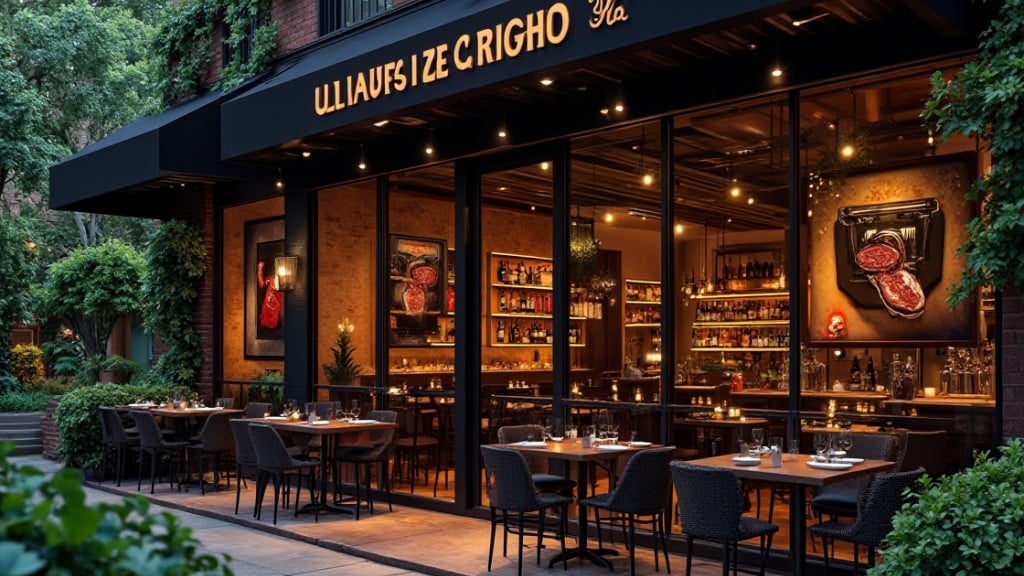
Steakhouse franchises offer promising opportunities for small business owners and aspiring entrepreneurs. They capitalize on the growing consumer preference for quality dining experiences and high-grade meats. With established brand recognition, franchisees benefit from proven marketing strategies, reducing the risk associated with startup ventures.
Franchising in the steakhouse sector allows you to leverage existing supply chains and training programs. This support ensures consistency in food quality and service, attracting a loyal customer base. Moreover, steakhouse franchises often attract diverse clientele, providing additional revenue streams through catering services, events, and takeout options.
Investing in a steakhouse franchise presents various challenges. Competition within the restaurant industry can be intense, requiring consistent marketing efforts and exceptional service. Additionally, managing food costs and maintaining supplier relationships are crucial for success. Understanding these dynamics will help you navigate the complexities of operating a successful steakhouse franchise, making it a compelling prospect for your small business journey.
Popular Steakhouse Franchise Brands
 Exploring popular steakhouse franchise Outback Steakhouse brands can reveal lucrative opportunities for small business owners. These brands offer established concepts, support systems, and strong customer recognition.
Brand A Overview
Outback Steakhouse, founded in 1988 and franchising since 1996, stands as the largest steakhouse chain in the U.S. With nearly 800 locations worldwide, its initial investment reaches $1,600,000, with a franchise fee of $10,000 and royalty fees set at 3.5%. Outback features an Australian-themed menu that includes beef, steak, chicken, ribs, seafood, and pasta. The signature dish, the Bloomin’ Onion, attracts customers looking for high-quality food and generous portions. The laid-back atmosphere complements its reasonable prices, making it an appealing choice for those entering the franchise market.
Brand B Overview
Currently, no additional brand information is provided. If you have another steakhouse brand to explore or highlight, please share those details.
Key Features of Successful Steakhouse Franchises
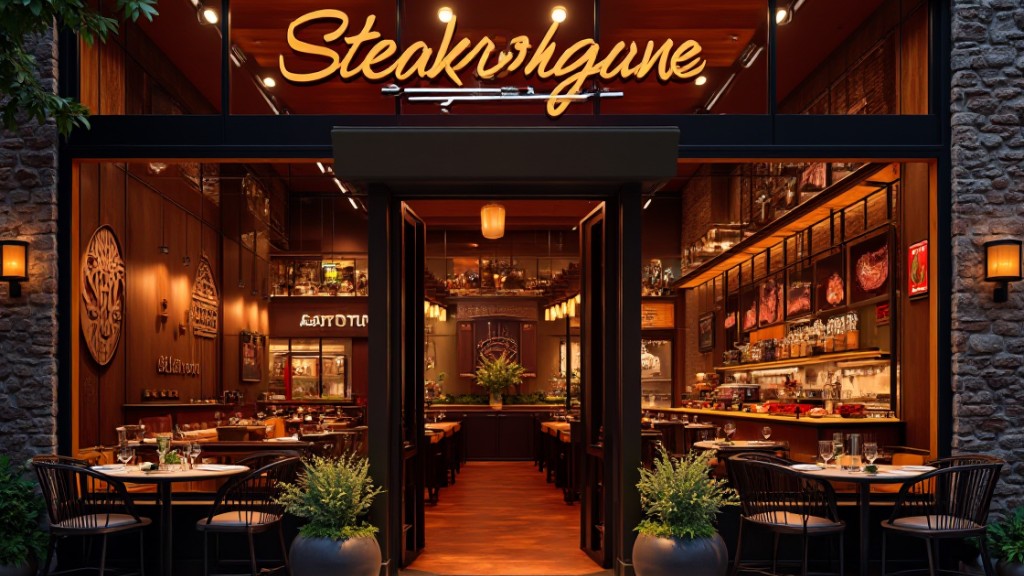
Successful steakhouse franchises share key features essential for attracting customers and ensuring profitability for small business owners. You should focus on two primary aspects: quality of ingredients and restaurant atmosphere.
Quality of Ingredients
You recognize that the foundation of any successful steakhouse franchise lies in the quality of its ingredients. Top-tier franchises emphasize sourcing high-quality meats from reputable suppliers. For example, Rib & Chop House prioritizes this practice to guarantee exceptional steaks.
Successful steakhouses utilize non-frozen cuts from young cows known for their marbling and intramuscular fat. These characteristics enhance the meat’s flavor and tenderness. Many franchises also implement processes like dry aging to further improve taste. Consistency in ingredient quality across all locations is crucial. This reliability helps maintain customer trust, creating repeat business that small business owners depend on for success.
Restaurant Atmosphere
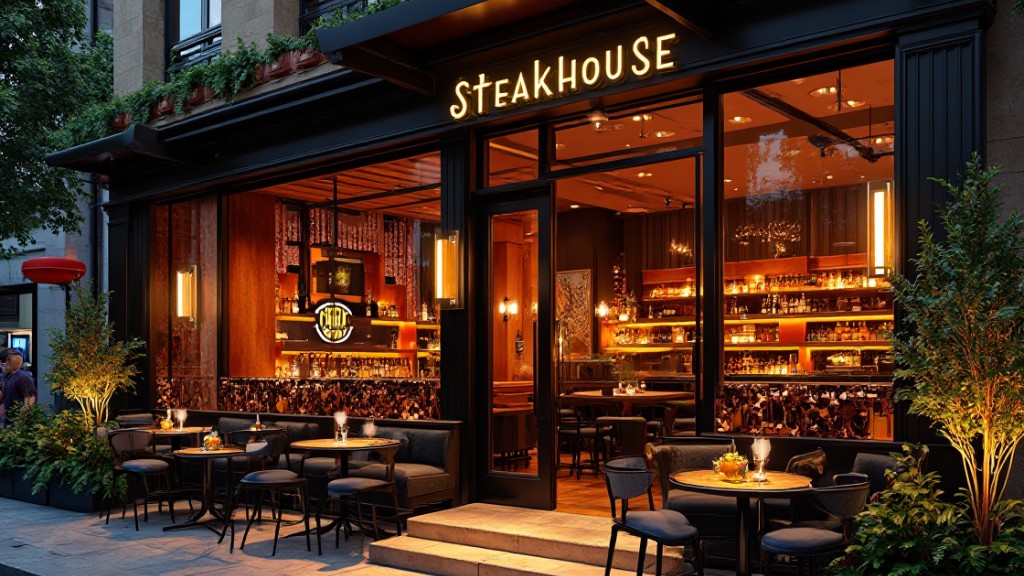
You know that the atmosphere within a steakhouse plays a vital role in its success. A unique and welcoming environment invites diners to enjoy their meals and encourages them to return. Successful franchises often create inviting spaces with comfortable seating, appealing decor, and attentive service.
These factors contribute to an enjoyable dining experience, which enhances customer satisfaction. For small business owners, cultivating a strong atmosphere can differentiate your franchise from competitors and attract a loyal customer base. Investing in both the quality of ingredients and the overall vibe in your restaurant sets a solid foundation for success in the steakhouse franchise industry.
Challenges Faced by Steakhouse Franchises
Steakhouse franchises encounter several challenges that can impact their success and profitability. Addressing these issues is crucial for small business owners and future franchisees in navigating this competitive landscape.
Market Competition
Market competition presents a significant hurdle for steakhouse franchises. Competing against well-established chains and local restaurants requires a unique value proposition. You must differentiate your franchise through exceptional food quality, unique menu offerings, and outstanding customer service. Understanding customer preferences and implementing effective marketing strategies can help your franchise stand out. Developing a loyal customer base through promotional events, loyalty programs, and engaging social media presence can create a competitive edge in the marketplace.
Supply Chain Issues
Supply chain issues affect the operational efficiency of steakhouse franchises. Fluctuations in meat prices, limited availability of high-quality ingredients, and transportation delays can disrupt service and increase costs. Small business owners can mitigate these risks by establishing strong relationships with multiple suppliers. Sourcing locally can also reduce vulnerability to supply chain disruptions while supporting the local economy. Implementing inventory management systems helps monitor stock levels and optimize purchasing practices, ensuring you have the essential ingredients to maintain your franchise’s reputation.
Future Trends in Steakhouse Franchises
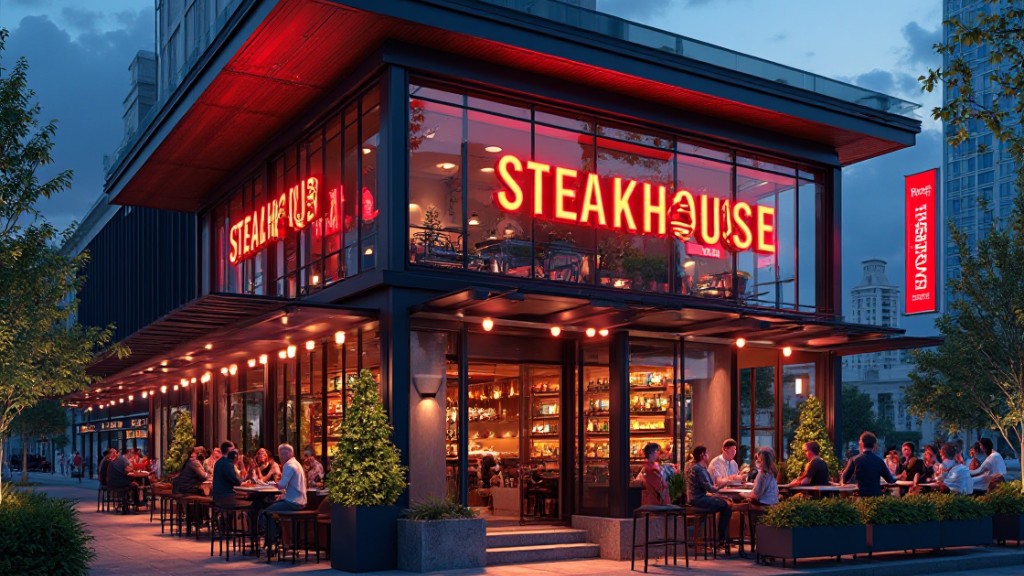
Steakhouse franchises are adapting to emerging trends to enhance growth and address consumer demands effectively. These trends revolve around sustainability practices and technology integration, making them crucial for small business owners in the franchise sector.
Sustainability Practices
Sustainability plays a vital role in modern restaurant successes, including the steakhouse franchise model. Many restaurants are shifting toward eco-friendly sourcing and reducing waste. For example, sourcing local meats not only supports regional farmers but also cuts down on transportation emissions. Implementing waste management strategies, such as recycling and composting, contributes to a more sustainable operation. Additionally, customers increasingly prefer brands that demonstrate commitment to environmental responsibility. Aligning your franchise with sustainable practices can attract new customers who prioritize these values, offering a competitive advantage in the market.
Technology Integration
Technology is transforming steakhouse franchises, creating opportunities for small business owners. Implementing online ordering systems and mobile apps streamlines the customer experience and adds convenience. Utilizing data analytics helps track customer preferences, enabling personalized marketing efforts and prompt service enhancements. Many franchises are adopting contactless payment systems to cater to evolving consumer expectations. Keeping pace with technology ensures operational efficiency and enhances customer satisfaction, both essential for driving sales and profitability in your franchise.
Conclusion

Investing in a steakhouse franchise can be a rewarding venture that taps into the growing demand for quality dining experiences. With the right approach to sourcing ingredients and creating a welcoming atmosphere you can build a loyal customer base that keeps coming back for more.
While challenges exist in this competitive market staying adaptable and focusing on customer satisfaction will set you apart. Embracing sustainability and technology can also enhance your business model and attract a conscientious clientele.
By leveraging established brand recognition and support systems you can navigate the complexities of the restaurant industry and achieve lasting success in the steakhouse franchise sector.
Frequently Asked Questions
What are the benefits of investing in a steakhouse franchise?
Investing in a steakhouse franchise offers a chance to capitalize on the growing consumer demand for high-quality dining experiences. Franchisees benefit from established brand recognition, proven marketing strategies, and strong support systems that help ensure food quality and service consistency. These factors help attract a loyal customer base and create diverse revenue opportunities through catering and takeout options.
What challenges do steakhouse franchises face?
Steakhouse franchises encounter challenges like intense market competition, fluctuating ingredient costs, and supply chain issues. Establishing a strong value proposition and exceptional customer service is crucial for standing out. Additionally, managing relationships with suppliers and implementing effective inventory systems can help mitigate operational disruptions.
What are popular steakhouse franchise brands?
Some popular steakhouse franchise brands include Outback Steakhouse, Texas Roadhouse, and LongHorn Steakhouse. Outback Steakhouse, in particular, is the largest chain in the U.S., known for its Australian-themed menu and signature Bloomin’ Onion. Each franchise offers unique dining experiences and investment opportunities for entrepreneurs.
How important is ingredient quality in steakhouse franchises?
Ingredient quality is essential in steakhouse franchises, as it directly affects taste and customer satisfaction. Successful franchises prioritize sourcing high-quality meats from reputable suppliers and often employ practices like dry aging to enhance flavor. This commitment to quality helps create memorable dining experiences that attract and retain customers.
https://www.youtube.com/watch?v=dZLdey9V3qo
How can technology impact steakhouse franchise operations?
Technology plays a vital role in enhancing operations for steakhouse franchises. Online ordering systems and data analytics improve customer experience and streamline operations. Adopting such innovations can drive sales and profitability while keeping pace with evolving consumer preferences and market trends.
Image via Google Gemini