Key Takeaways
- Established Franchise Model: Subway offers a well-defined franchise model, making it an attractive option for both new and experienced business owners looking to enter the fast-food market.
- Significant Initial Investment: Starting a Subway franchise typically requires an initial investment between $116,000 and $263,000, including a standard franchise fee of $15,000.
- Comprehensive Training Program: Franchisees benefit from an extensive training program and ongoing support, which includes a three-week orientation to ensure familiarity with operational standards.
- Strong Brand Recognition: Subway’s global presence and reputation give franchise owners a competitive edge in attracting and retaining customers, reducing the need to build brand loyalty from scratch.
- Operational Support System: Franchisees have access to an operations manual, local Development Agents, and marketing resources to enhance their chances of success in managing daily operations.
- Addressing Challenges: Franchise owners must be prepared to navigate challenges such as intense competition and supply chain issues that can impact profitability and operational efficiency.
If you’ve ever craved a fresh sandwich on the go, you’ve likely turned to Subway. This globally recognized brand has carved a niche in the fast-food industry, offering customizable subs that cater to diverse tastes. But beyond satisfying your hunger, Subway presents an enticing opportunity for aspiring entrepreneurs looking to dive into the world of franchising.
Owning a Subway franchise isn’t just about serving delicious food; it’s about joining a community that values quality and innovation. With a proven business model and strong brand recognition, you can tap into a lucrative market. Whether you’re a seasoned business owner or a first-time franchisee, understanding what it takes to run a successful Subway location can set you on the path to success.
Overview of Subway Franchise

Subway offers a well-established franchise model ideal for small business owners seeking to enter the fast-food industry. With over 40,000 locations worldwide, Subway is one of the largest and most recognized sandwich franchises. The chain emphasizes fresh ingredients and customizable options, appealing to diverse customer preferences.
Owning a Subway franchise requires an initial investment typically ranging from $116,000 to $263,000. This investment includes equipment, signage, and a franchise fee, which averages around $15,000. Franchisees benefit from Subway’s extensive training programs, marketing support, and a trusted brand reputation.
Subway supports franchisees through a comprehensive operational manual and ongoing assistance. This guidance enhances the likelihood of success within your small business. Additionally, franchisees must maintain specific standards regarding food quality, customer service, and cleanliness, which ensures consistency across the brand.
The unique selling proposition of Subway lies in its focus on health-conscious options and sustainability. Franchisees can leverage this competitive edge to attract health-oriented customers. With a commitment to innovation, Subway regularly updates its menu, keeping customer interest high and sales strong.
Benefits of Owning a Subway Franchise
Owning a Subway franchise offers numerous advantages, particularly for small business owners seeking reputable opportunities in the food industry. Two of the most significant benefits include strong brand recognition and comprehensive training and support.
Brand Recognition
Subway’s global brand recognition stands out in the fast-food landscape. With a brand value of $14.7 billion USD and over 40,000 locations in more than 100 countries, Subway’s identity resonates with customers worldwide. The instantly recognizable logo, signature colors, and memorable “Eat Fresh” slogan create a competitive edge, attracting new customers to your small business. As a franchisee, you’ll capitalize on this established reputation, reducing the time and effort required to build brand loyalty from scratch.
Training and Support
Subway prioritizes the success of its franchise owners with extensive training and ongoing support. New franchise partners undergo a three-week training program. This program includes two weeks of rigorous training at a regional, certified training restaurant, followed by a week of on-site support during the franchise opening. This comprehensive training equips you with the skills and knowledge necessary to run your small business effectively. Moreover, Subway’s operational manual and continuous assistance ensure you uphold high standards of food quality, customer service, and cleanliness, setting you up for sustained success in the competitive fast-food market.
Costs and Investments
Starting a Subway franchise involves several key costs and investments that you need to consider.
Initial Franchise Fees
The initial franchise fee for a Subway franchise is typically $15,000. This fee grants you the rights to operate under the Subway brand and access support resources. For specific groups, such as U.S. veterans or those in certain programs, Subway offers reduced fees of $7,500 or may waive the fee altogether. Understanding these costs allows you to budget effectively as you embark on your small business journey.
Ongoing Royalties
Subway franchises incur ongoing royalties, which typically amount to 8% of your gross sales. This fee contributes to the brand’s ongoing marketing efforts, operational support, and training resources. The royalty structure ensures you receive the benefits of the established Subway brand while operating your small business. It’s essential to factor these ongoing costs into your financial planning to maintain profitability.
Operating a Subway Franchise
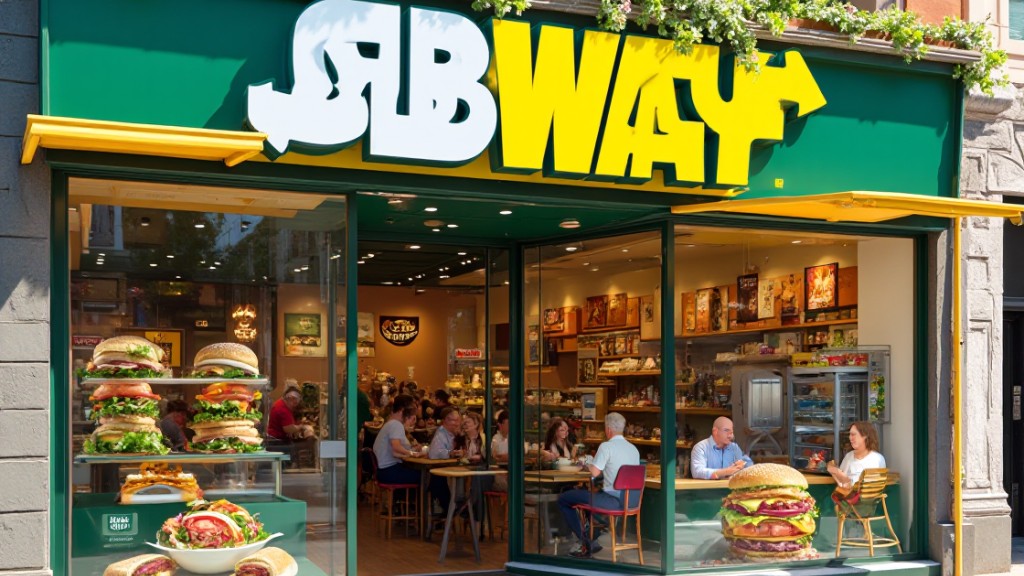
Operating a Subway franchise requires effective management and strategic marketing to ensure success in the competitive fast-food market. This section outlines essential aspects of day-to-day operations and marketing strategies tailored for small business owners.
Day-to-Day Management
Managing a Subway franchise involves following a structured system designed for operational efficiency. The operations manual serves as a vital tool, detailing procedures for food preparation and customer service to maintain consistency. Familiarity with this manual is crucial for ensuring the smooth operation of your franchise.
Training is a key element for franchisees and their teams. Participants undergo a comprehensive three-week training program through the University of Subway, covering crucial areas like operations, brand standards, and marketing. This program equips you to deliver excellent guest experiences effectively.
A robust support system accompanies franchise ownership. You gain access to a designated Development Agent (DA) who offers local, on-site assistance. This resource enhances your capability to manage daily operations while providing guidance on challenges that arise within your small business.
Marketing Strategies
Effective marketing strategies play a vital role in attracting and retaining customers. Subway franchisees leverage national advertising campaigns to build brand awareness. Local promotions help you connect with your community and drive foot traffic to your store.
Utilizing social media channels is essential for engaging with customers and promoting menu items. With active interaction on platforms like Facebook and Instagram, you can showcase daily specials and encourage customer loyalty through targeted marketing.Additionally, partnering with health and wellness programs can distinguish your franchise in a health-conscious market. You can participate in local events focusing on healthy eating, highlighting Subway’s fresh ingredient offerings, which resonate with many consumers today.
Implementing these operational strategies and marketing techniques lays a strong foundation for dedicating yourself to your Subway franchise and promoting long-term growth within your small business.
Challenges Faced by Franchisees
Franchisees face several challenges that can significantly affect their small business operations and profitability.
Competition
Competition often intensifies within the fast-food sector. Subway’s model encourages franchisees to open new locations, which can lead to overlapping markets. As numerous franchises exist in close proximity, sales can cannibalize one another. The presence of other fast-food options can further dilute customer traffic, impacting your potential revenue. Staying competitive requires differentiating your offerings and implementing targeted marketing strategies to draw in customers.
Supply Chain Issues
Supply chain issues present significant obstacles for Subway franchisees. Fluctuations in ingredient availability can result in higher costs and disrupted operations. When fresh ingredients become hard to source, maintaining menu consistency for your customers becomes challenging. These disruptions can reduce profit margins and complicate inventory management, ultimately impacting your small business’s success. Navigating these supply chain complexities is essential for sustaining operations and ensuring customer satisfaction.
Conclusion

Owning a Subway franchise presents a unique opportunity to join a globally recognized brand while serving fresh and customizable meals. With comprehensive training and ongoing support, you can navigate the challenges of the fast-food industry with confidence. The strong brand reputation and commitment to quality can help you attract a loyal customer base.
As you consider this venture, keep in mind the initial investment and ongoing operational requirements. By implementing effective management strategies and engaging with your community, you can build a successful franchise. Subway’s focus on innovation and health-conscious options sets you up for long-term growth in a competitive market. Embrace the journey and make a positive impact in your community through your Subway franchise.
Frequently Asked Questions
What is Subway known for?
Subway is renowned for its customizable sandwiches, fresh ingredients, and health-conscious options. It appeals to a diverse range of customers looking for quick, quality meal choices.
How much does it cost to open a Subway franchise?
The initial investment for a Subway franchise typically ranges from $116,000 to $263,000. This includes equipment, signage, and a franchise fee of around $15,000.What support does Subway provide to franchisees?
Subway offers extensive training, marketing support, and operational guidance through a comprehensive manual. Franchisees receive a three-week training program and ongoing assistance to maintain high standards.
How is Subway’s brand reputation beneficial for franchisees?
With a brand value of $14.7 billion and a presence in over 100 countries, Subway’s strong brand recognition helps franchisees attract customers more easily and enhance their chances of success.
What are the ongoing costs of owning a Subway franchise?
Franchisees are responsible for ongoing royalties of 8% of gross sales, which contribute to brand marketing and operational support. Understanding these costs is essential for financial planning.
What challenges do Subway franchisees face?
Franchisees may experience competition, overlapping markets, and supply chain issues that can impact sales and profitability. Effective management and strategic marketing are crucial in navigating these challenges.
What training do new Subway franchisees receive?
New franchise partners undergo a rigorous three-week training program at the University of Subway, which includes in-restaurant training and on-site support during the opening to ensure they are well-prepared.
How does Subway promote health-conscious options?
Subway focuses on offering healthier menu choices and emphasizes sustainability, allowing franchisees to attract health-oriented customers while maintaining an innovative menu.
Image via Google Gemini