
Key Takeaways

- Understanding Growth: Craft business growth involves expanding your product range, enhancing brand recognition, and increasing customer loyalty through systematic strategies tailored to your unique offerings.
- Market Advantages: Embracing growth creates financial stability, improves brand visibility, and enhances customer satisfaction, helping you accommodate larger orders while building a loyal community.
- Key Influencers: Economic resources, technological advancements, and shifting market trends heavily influence your craft business’s potential for growth, emphasizing the need to stay updated.
- Effective Marketing: Utilize diverse marketing methods like content marketing, email campaigns, and SEO optimization to enhance visibility, engage customers, and drive sales.
- Social Media Engagement: Leverage social media for visual storytelling and community interaction, and consider collaborations to expand your audience and enhance brand recognition.
- Navigating Challenges: Tackle financial constraints and market competition by exploring alternative funding options, differentiating your products, and implementing targeted marketing strategies to thrive in a crowded marketplace.
In today’s vibrant marketplace, growing your craft business can feel like both an exciting adventure and a daunting challenge. With the rise of online platforms and social media, opportunities to reach new customers are endless. You’ve got the creativity and passion; now it’s time to harness that energy for growth.
Understanding the key strategies for scaling your craft business is essential. Whether you’re just starting or looking to elevate your existing brand, knowing how to effectively market your products, manage your finances, and connect with your audience can make all the difference. Let’s dive into the essential steps that can help you transform your passion into a thriving enterprise.
Understanding Craft Business Growth

Craft business growth refers to the expansion of your handmade products or DIY offerings in a competitive marketplace. Growth can manifest through increased sales, a broader customer base, or enhanced brand recognition on platforms like Etsy and social media.
Definition of Craft Business Growth
Craft business growth involves systematic strategies that elevate your small business. This includes increasing your product range, optimizing marketing efforts, and expanding distribution channels. Growth signifies not just revenue increase but also stronger customer loyalty and market presence. For example, a craft business might grow by introducing new product lines, optimizing listings on Etsy, or collaborating with influencers to reach a wider audience.
Importance of Growth in Craft Industries
Growth in craft industries offers significant advantages. It creates opportunities for financial stability, allowing you to reinvest in your business. Growth also enhances your brand’s visibility, making your handmade items more recognizable to potential customers. By scaling operations, you accommodate larger orders and improve supply chain efficiencies, which contribute to better customer satisfaction. The ability to engage with a larger audience through social media platforms enhances your reach and fosters community building, which is vital for brand loyalty.
Factors Influencing Craft Business Growth

You’ll find several factors influencing the growth of your craft business. Understanding these elements helps you navigate the competitive landscape, particularly in online marketplaces like Etsy.
Economic and Technological Factors
Access to financial resources significantly impacts craft businesses. Limited capital can restrict your ability to innovate and expand. Exploring funding options like small business loans or grants helps mitigate this challenge.
Technology also plays a crucial role. Embracing digital tools can streamline your operations and enhance customer experiences. Online sales platforms and social media marketing allow you to reach a broader audience, significantly boosting engagement and sales.
Market Trends
Market trends shift rapidly, and staying aware is essential. The global handicrafts market is thriving, projected to reach USD 2,317,183.92 million by 2030, with a CAGR of 11.00% from 2023 to 2030. This growing interest signals increased consumer demand for unique, artisanal products.
Sustainability and locally sourced goods receive heightened attention. Positioning your handmade products as eco-friendly or supporting local communities can attract conscientious consumers and cultivate loyalty.
Consumer Preferences
Understanding consumer preferences shapes your product offering and marketing strategy. Today’s shoppers lean towards individuality; unique and handmade items resonate more than mass-produced alternatives. Crafting products that reflect personal stories or local culture strengthens this connection.
Your customer base also values authenticity. Ensure your branding emphasizes the craft and care that go into each DIY creation. By highlighting your personal journey, you foster trust and enhance brand recognition, making your small business a preferred choice in a crowded marketplace.
Strategies for Enhancing Craft Business Growth
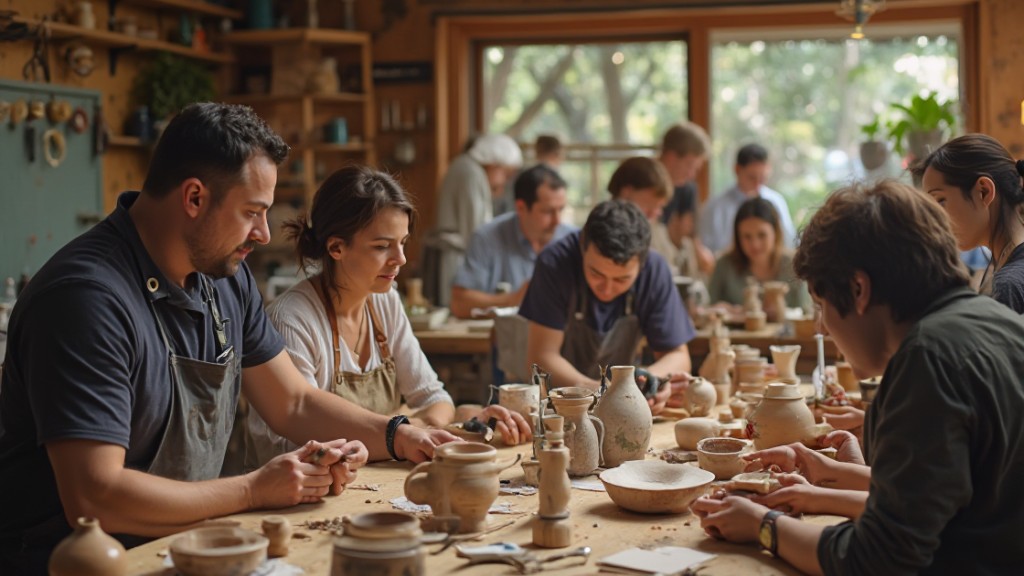
Implementing effective strategies can significantly boost your craft business growth. Focus on targeted marketing, product innovation, and an engaging online presence to expand your reach in the competitive marketplace.
Effective Marketing Techniques
Utilizing diverse marketing techniques increases your visibility and attracts customers. Consider these approaches:
- Content Marketing: Create engaging blog posts or DIY tutorials to showcase handmade products and share your expertise.
- Email Marketing: Regular newsletters keep your audience updated on new products and promotions, driving repeat sales.
- Search Engine Optimization (SEO): Optimize your online listings with relevant keywords, like “handmade” and “DIY,” to enhance discoverability on platforms like Etsy.
Leveraging Social Media
Harnessing social media expands your audience and builds community around your brand. Focus on these methods:
- Visual Storytelling: Share stunning images or videos of your craft process, highlighting the uniqueness of your products.
- Engagement: Interact with your followers through polls, questions, and live sessions to foster loyalty and community.
- Collaborations: Partner with influencers or other small businesses to reach new audiences and enhance brand visibility.
By implementing these strategies, you’re more likely to enhance growth in your craft business and effectively connect with customers in today’s market.
Overcoming Challenges in Craft Business Growth

Growing a craft business involves navigating various hurdles that can hinder expansion. Two significant challenges are financial constraints and market competition.
Financial Constraints
Financial constraints pose a serious issue for small business owners in the craft sector. Limited access to capital restricts your ability to scale operations. Many artisans lack necessary financial resources, as traditional Bank of America often require collateral or strong credit histories that may not be available. To combat this, explore alternative funding options such as grants, crowdfunding platforms, or microloans tailored for small businesses. These options can provide the financial boost needed to invest in materials, technology, or marketing.Rising costs of materials also impact your craft business’s profitability. Nearly 50% of craft owners identify escalating material costs as their biggest challenge. To manage this effectively, consider sourcing materials locally or in bulk to reduce expenses. Building strong relationships with suppliers can also lead to better pricing or discounts, helping maintain a competitive edge while preserving quality.
Competition in the Market
Market competition remains a significant challenge for DIY craft businesses. Many artisans face tough competition from not only local creators but also global sellers on platforms like Etsy. Differentiating your products is crucial in this saturated market. Focus on unique designs and craftsmanship that highlight your brand’s individuality.
Implement targeted marketing strategies to stand out. Use social media to showcase your handmade products, share your crafting process, and connect with potential customers. Collaborate with influencers in your niche to expand your reach and attract a wider audience. Engaging storytelling about the inspiration behind your products can also foster emotional connections with customers, setting your brand apart from mass-produced alternatives.
By addressing financial constraints and competition wisely, your craft business can forge a sustainable path to growth and success.
Conclusion

Growing your craft business is an exciting journey filled with opportunities and challenges. By understanding the landscape and implementing effective strategies, you can elevate your brand and connect with a wider audience. Embrace the power of online platforms and social media to showcase your unique products and tell your story.
As you navigate this dynamic marketplace, stay adaptable and open to innovation. Remember that growth isn’t just about sales; it’s about building a loyal community that values your craftsmanship. Keep refining your approach and engage with your customers authentically. With determination and the right tools, you can transform your passion into a thriving enterprise.
Frequently Asked Questions

What is a craft business growth?
Craft business growth refers to the expansion of handmade products or DIY offerings within a competitive marketplace. This can involve increasing sales, reaching a broader customer base, and enhancing brand recognition, especially on platforms like Etsy.
How can I market my craft business effectively?
To market your craft business effectively, focus on targeted marketing strategies such as content marketing, email campaigns, and SEO. Utilize social media for visual storytelling and engaging with your audience to build community and increase brand visibility.
What are some key strategies for scaling a craft business?
Key strategies for scaling a craft business include expanding your product range, optimizing marketing efforts, and improving distribution channels. Engaging with customers on social media and understanding market trends can also significantly enhance growth potential.
Why is social media important for craft businesses?
Social media is vital for craft businesses because it enables direct engagement with customers and fosters community. Platforms allow for showcasing unique products, sharing stories, and building brand loyalty, which can lead to increased sales and visibility.
What challenges do craft businesses face today?
Craft businesses often face challenges such as financial constraints, market competition, and rising material costs. Limited access to capital can hinder growth, making it essential to explore alternative funding options and source materials wisely.
How can I improve my craft business’s online presence?
Improving your craft business’s online presence involves having a user-friendly website, optimizing it for search engines, and maintaining an active social media profile. Share engaging content, connect with your audience, and collaborate with influencers to boost visibility.
What role does sustainability play in the craft industry?
Sustainability is increasingly important in the craft industry as consumers seek eco-friendly products. Positioning handmade items as environmentally conscious can attract a growing market of conscientious shoppers looking for unique and responsible purchasing options.
Image via Google Gemini