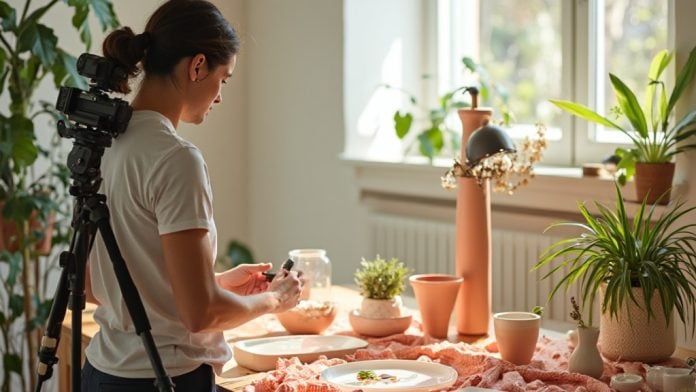
A lifestyle product photographer captures products in real-world settings, creating relatable visuals that connect with consumers. They work closely with brands to reflect their identity, using carefully chosen props and locations. By focusing on authentic narratives, they improve brand loyalty and drive conversions. Their technical skills in composition and lighting are essential for producing high-quality images. Comprehending their process can reveal how these visuals impact marketing strategies and consumer engagement.
Key Takeaways
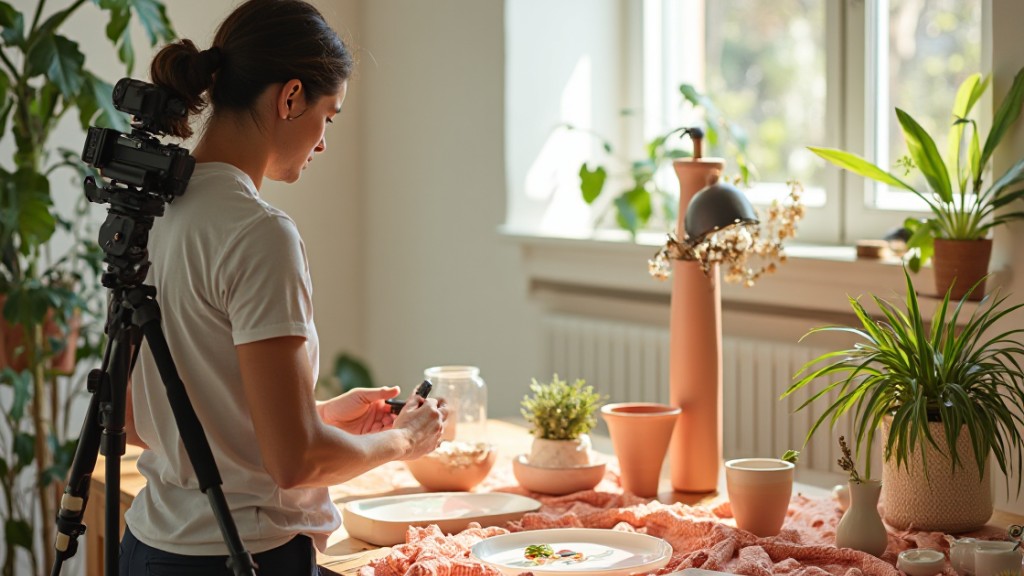
- A lifestyle product photographer captures products in real-world settings to create authentic and relatable imagery for brands.
- They curate scenes with relevant props and locations to reflect the target audience’s lifestyle and enhance emotional connections.
- Collaborating with brands, they conceptualize photoshoots and maintain communication to align visuals with brand identity and marketing strategies.
- Technical skills in lighting, composition, and editing ensure high-quality images that increase customer engagement and conversion rates.
- Their storytelling approach showcases products in everyday scenarios, fostering trust and loyalty among consumers.
Understanding Lifestyle Product Photography
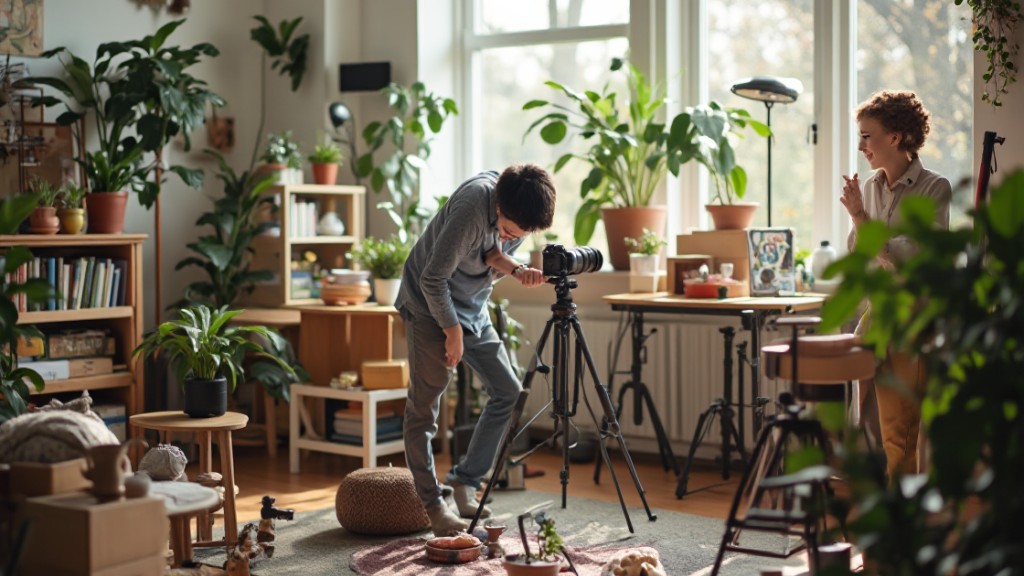
Lifestyle product photography is a specialized approach that captures products in real-world settings, allowing viewers to see how they fit into daily life. This style emphasizes authenticity and relatability, often using natural light and candid moments to create images that engage audiences.
Unlike traditional product photography, which focuses mainly on aesthetics, lifestyle product photography tells a story and builds emotional connections. By illustrating how products can be used in relatable contexts, it helps customers visualize ownership, enhancing conversion rates markedly.
Additionally, the versatility of lifestyle photography makes it ideal for various marketing channels, including social media, e-commerce platforms, and print materials. This adaptability guarantees that brands can maintain cohesive representation across multiple platforms.
For businesses looking to convey their values and lifestyle aspirations, hiring a skilled lifestyle product photographer can be vital in achieving effective communication through compelling imagery.
The Role of a Lifestyle Product Photographer
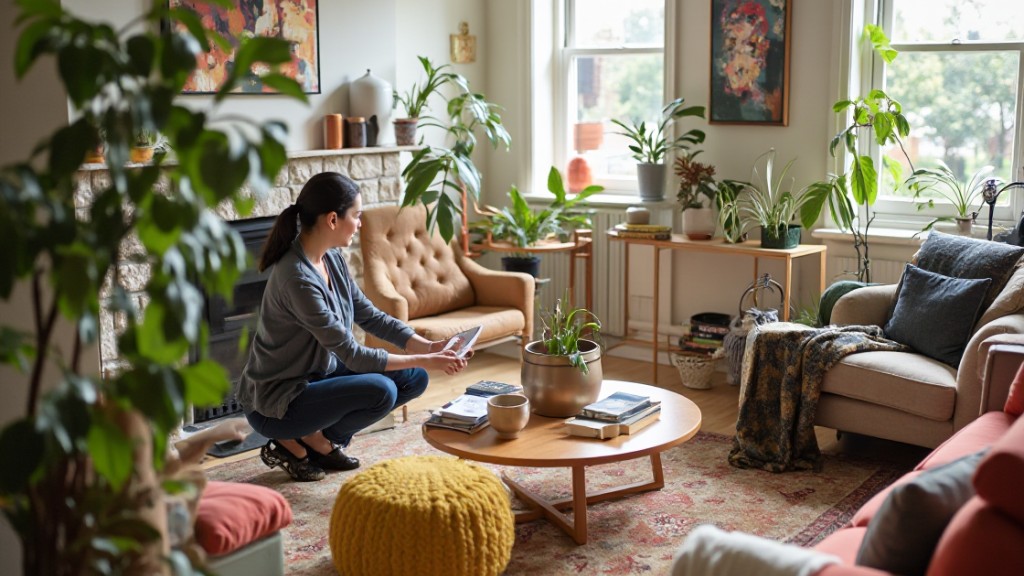
Capturing images that showcase products in real-life contexts is the primary role of a lifestyle product photographer. You’ll work closely with brands to understand their identity and target audience, ensuring that your imagery reflects the desired emotional connection.
This involves curating scenes with relatable settings and props, focusing on authenticity to create engaging visuals that resonate with viewers. Your technical skills in composition, lighting, and emotion are fundamental for producing high-quality images that improve brand visibility and appeal.
By creating compelling visuals, you play an important part in marketing strategies, as your work contributes to increased customer engagement and conversion rates. The images you create not merely highlight the product itself but also demonstrate how it fits into everyday life, making it easier for consumers to envision using it.
In the end, your role is significant for building brand loyalty through effective visual storytelling.
Crafting Authentic Narratives
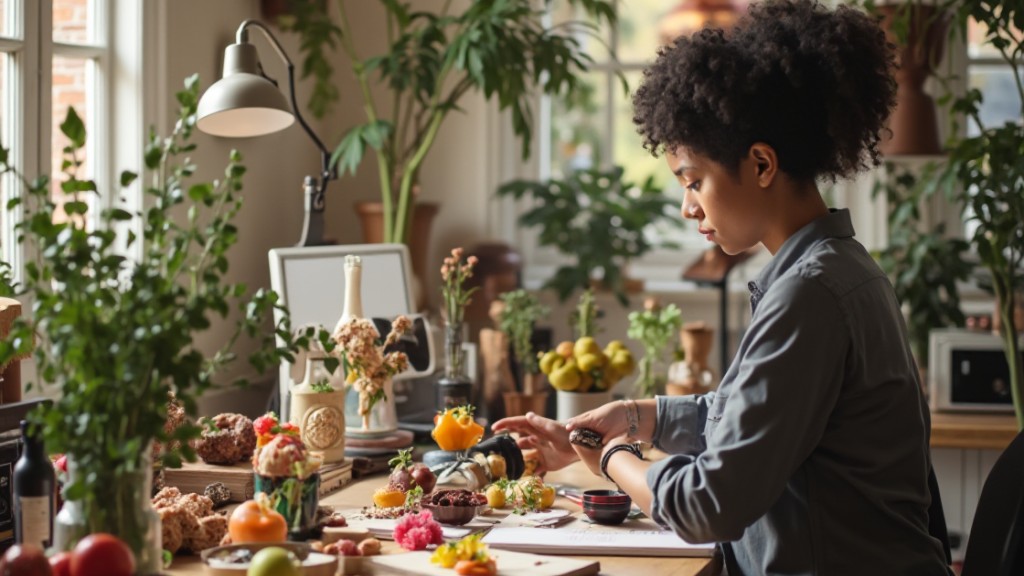
When you approach the task of crafting authentic narratives, it’s essential to showcase products in ways that feel genuine and relatable. As a lifestyle product photographer, your focus should be on presenting items in real-life contexts, allowing consumers to envision how these products fit into their everyday lives.
By capturing genuine interactions and nurturing emotional connections, you help brands convey their values, making them resonate with target audiences through compelling visual storytelling.
Utilizing natural light and candid moments, you prioritize authenticity over staged settings, which improves the relatability of your images. Selecting locations and props that reflect the lifestyles of the target audience enriches the narrative further, creating an aspirational context around the products.
The resulting imagery not only boosts product appeal but also cultivates brand loyalty, as consumers feel a personal connection to the brand’s story, making them more likely to engage with the products.
Collaborating With Brands

Collaborating with brands is a fundamental aspect of a lifestyle product photographer’s role, as it allows you to align your visual storytelling with the brand’s identity and target audience.
You begin this process by conducting pre-shoot consultations, gathering insights about the brand’s objectives and specific products. This guarantees your photography captures the emotional connections that resonate with consumers.
Working closely with creative teams, you help conceptualize photoshoots, selecting locations, props, and models that reflect the brand’s aesthetic and intended narrative.
Continuous communication is crucial throughout the creative process, as it enables you to make adjustments and refinements that meet the brand’s vision and goals.
By showcasing products in relatable contexts, you not only improve the brand’s marketing strategy but also contribute to increased engagement and higher conversion rates in e-commerce settings.
This collaborative approach is important for producing impactful images that drive brand success.
Selecting Ideal Settings and Props
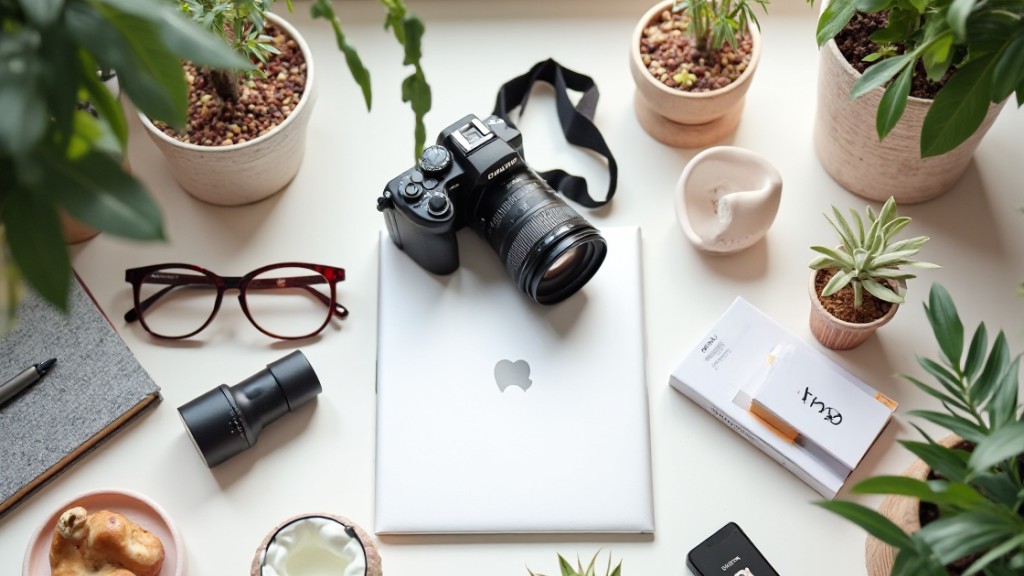
Selecting ideal settings and props is fundamental in lifestyle product photography, as these elements greatly boost the visual appeal and relatability of the products being showcased.
As a photographer, you’ll want to choose locations that align with the product’s intended use—think kitchens for food items or outdoor spaces for adventure gear. This helps customers visualize how they might use the products in real life.
Props additionally play a significant role; they should complement the product and improve authenticity without distracting from it.
Collaborating with your clients is essential for grasping their brand messaging and identity, ensuring that the settings and props reinforce the overall narrative.
Natural light is often preferable, so selecting locations that provide ample daylight can create a genuine atmosphere, improving the overall aesthetic.
Working With Models
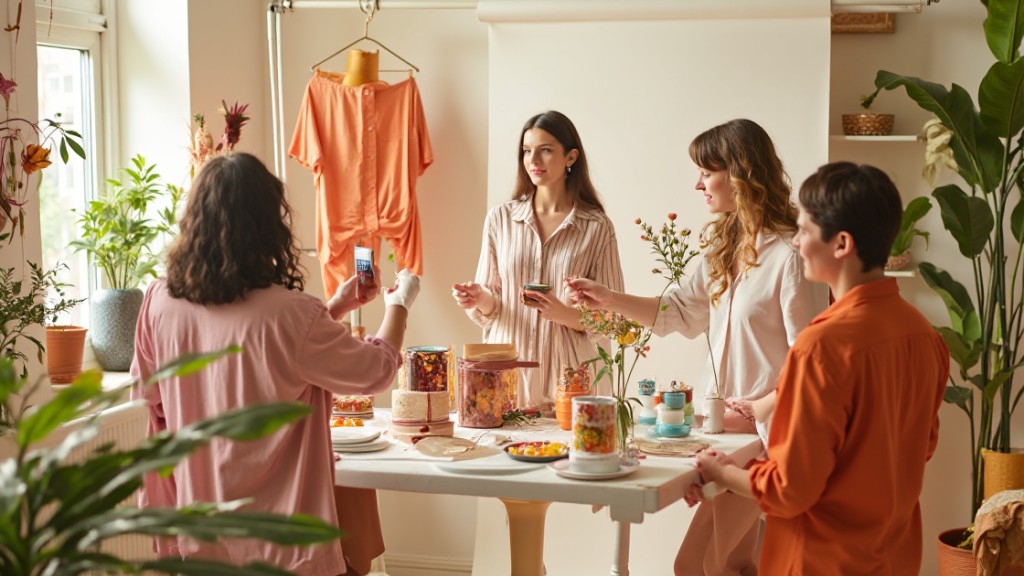
To create authentic and relatable lifestyle product imagery, integrating models into your shoots is essential, as they help showcase the products in real-world contexts. Collaborating with models allows you to capture genuine interactions that resonate with your target audience. Here’s what to take into account when working with models:
| Key Considerations | Description |
|---|---|
| Directing Poses | Focus on natural and comfortable poses to improve authenticity. |
| Diversity in Selection | Choose diverse models to broaden relatability and engagement. |
| Effective Communication | Convey the intended mood and story to encourage spontaneity. |
| Storytelling Elements | Strategically plan model actions to highlight product usage. |
Technical Skills and Equipment
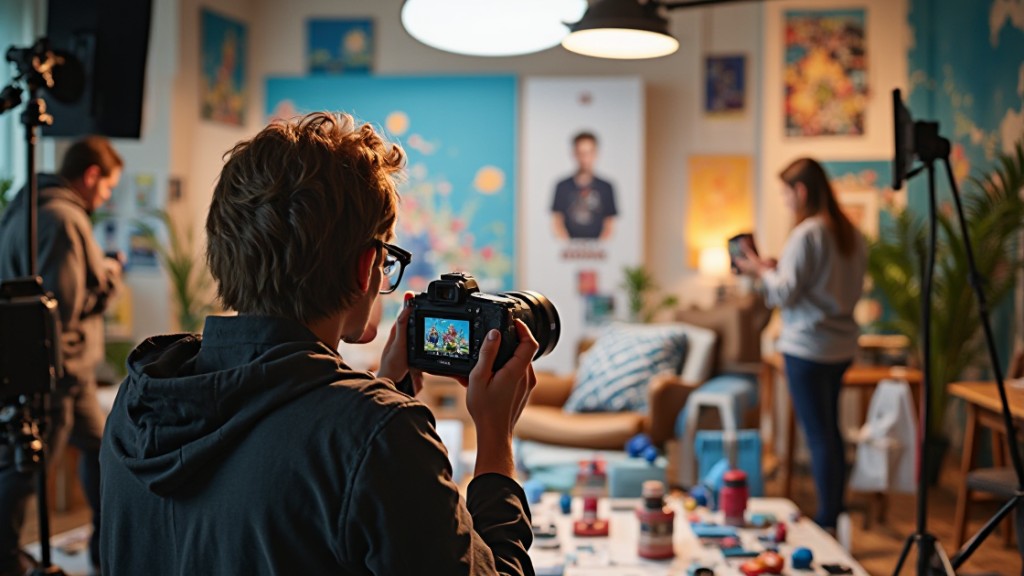
Successful lifestyle product photography hinges on the expertise of several key technical skills and equipment. You need to be proficient in using high-quality cameras, such as Canon or Nikon, to capture detailed and lively images that showcase products effectively in real-life settings.
Comprehending lighting techniques is essential; you should know how to utilize both natural light and artificial lighting setups to create visually appealing images that highlight the product’s features and textures.
Familiarity with composition principles, like the rule of thirds and leading lines, helps you create balanced and engaging images that draw the viewer’s eye to the product. Moreover, being adept at using props and settings improves the storytelling aspect of your imagery, ensuring the product is seamlessly integrated into relatable scenarios.
Excelling in these skills and equipment will greatly boost the quality of your lifestyle product photography.
Post-Production and Editing

Post-production and editing play a vital role in elevating lifestyle product photography, as they allow you to refine images for best presentation. During this phase, it’s important to improve the visuals as you maintain an authentic look. You’ll balance editing techniques to eliminate distractions without compromising the product’s natural appearance.
Key aspects of post-production include:
- Color correction to guarantee true-to-life colors and improve visual appeal.
- Cropping to focus on the product and refine composition.
- Retouching to remove imperfections as you keep a relatable aesthetic.
- Advanced techniques like blending exposures and adjusting lighting to spotlight the product in its environment.
Utilizing software tools like Adobe Photoshop and Adobe Lightroom streamlines your workflow, enabling high-quality results efficiently.
Establishing a consistent editing style further reinforces brand identity, making it important to align your signature look with the brand’s values.
The Impact on Marketing Strategies
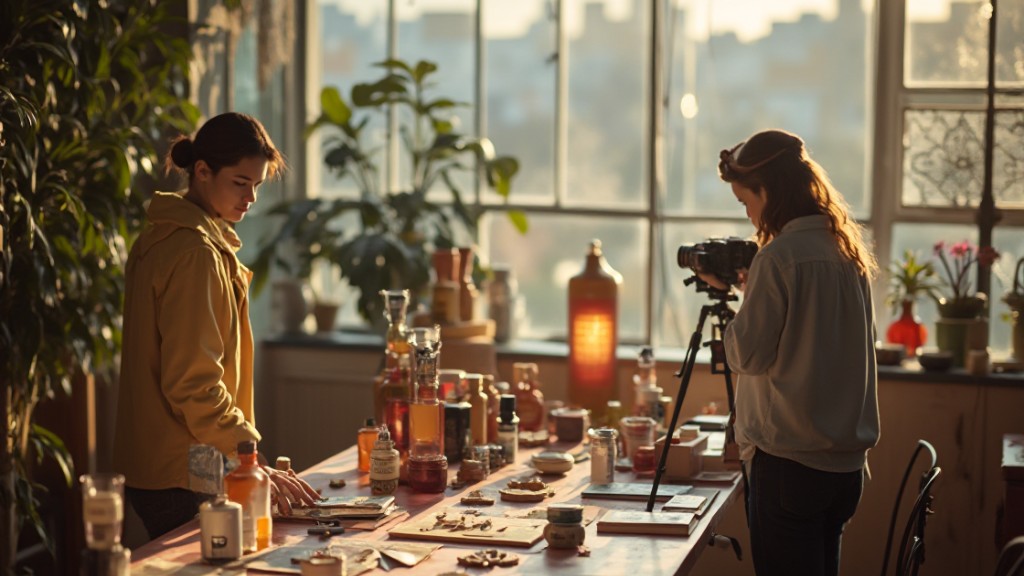
As consumers increasingly seek relatable and authentic experiences, lifestyle product photography has become vital in shaping marketing strategies. By creating imagery that showcases products in everyday scenarios, you can improve emotional connections and influence purchasing decisions. Brands utilizing lifestyle photography often see improved conversion rates, as these images resonate better with potential buyers.
| Benefit | Description | Impact on Sales |
|---|---|---|
| Improved Emotional Appeal | Relatable visuals cultivate connections | Increases likelihood of purchase |
| Higher Engagement | Engaging images boost social media interactions | Expands brand visibility |
| Strengthened Brand Identity | Consistent use builds trust in quality | Encourages repeat customers |
| Targeted Messaging | Customized images speak to specific audiences | Differentiates from competitors |
Incorporating lifestyle photography across channels strengthens your brand identity and reassures customers about product quality. This strategic approach is fundamental for standing out in competitive markets.
Frequently Asked Questions
What Is Lifestyle Product Photography?
Lifestyle product photography involves capturing products in relatable, everyday contexts to showcase their practical use.
Instead of traditional studio settings, it emphasizes authenticity by featuring genuine interactions with the product. This approach enriches brand storytelling, helping customers envision the product’s role in their lives.
What Is the Job Description of a Lifestyle Photographer?
As a lifestyle photographer, you capture products in real-life situations, emphasizing their everyday use.
You collaborate with brands to grasp their identity and target audience, ensuring your images align with marketing strategies.
Your tasks include curating authentic scenes, facilitating interactions during shoots, and ensuring high-quality visuals through your skills in composition and lighting.
You produce versatile imagery for various channels, enhancing brand visibility across social media, e-commerce, and print materials.
What Do Lifestyle Photographers Do?
Lifestyle photographers capture products in everyday settings, showcasing them in relatable and authentic ways.
You’ll see them working closely with clients to understand brand identity and target audiences, ensuring the imagery aligns with values.
They create engaging scenes, encouraging natural interactions as they prioritize genuine moments over staged setups.
With strong skills in composition, lighting, and editing, they produce high-quality visuals that effectively highlight products within their intended contexts, enhancing brand appeal.
How Much Do Lifestyle Photographers Make?
Lifestyle photographers typically earn between $150 to $500 per session, but this can increase considerably for experienced professionals, particularly those working with high-profile brands.
Factors influencing their income include project complexity, duration, and client needs, such as the number of images and editing required.
Additional charges may apply for travel or extra services like styling.
Established photographers can charge over $1,000 per session, especially for specialized work or editorial projects.
Conclusion
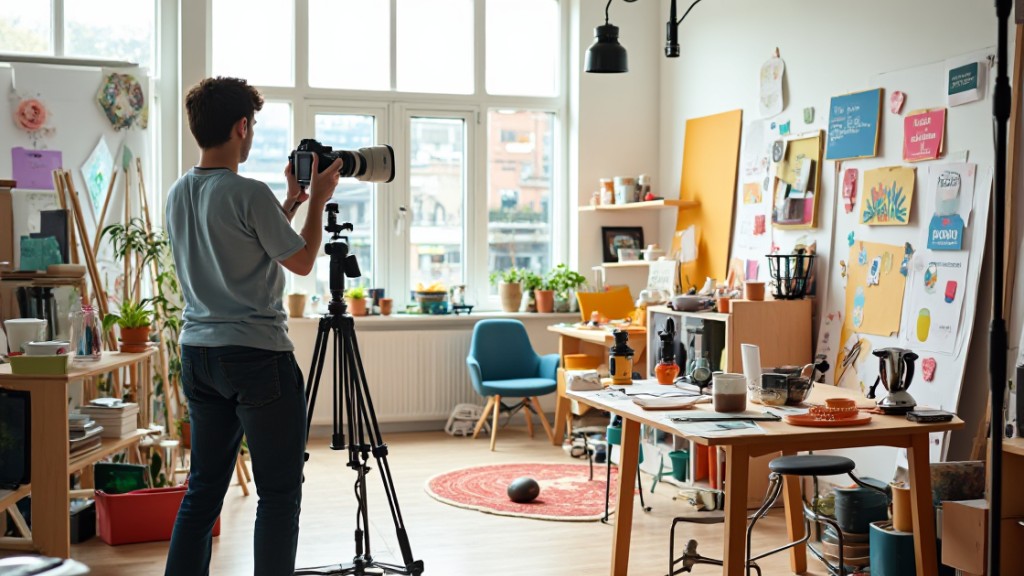
In conclusion, a lifestyle product photographer plays an important role in shaping a brand’s visual identity by capturing products in relatable environments. By crafting authentic narratives, selecting appropriate settings and props, and collaborating with brands, they improve consumer connections. Their technical skills in photography and post-production guarantee high-quality imagery that supports marketing strategies. In the end, their work not only showcases products effectively but likewise drives brand loyalty and increases conversions, making them a vital asset in today’s competitive market.
Image via Google Gemini