Key Takeaways
- Growing Demand for Crafts: The popularity of DIY culture and platforms like Etsy is driving an increased demand for handmade goods and DIY supplies, creating opportunities for craft shop entrepreneurs.
- Essential Market Research: Conduct thorough market research to identify local trends, target demographics, and potential competition. This will help tailor your product offerings to meet customer preferences.
- Strategic Location Selection: Choose a high-visibility, accessible location for your craft shop, or consider an online shop to reach a wider audience. A strong presence enhances customer engagement and sales.
- Quality Sourcing and Inventory Management: Focus on sourcing high-quality supplies and managing inventory effectively to ensure customer satisfaction and product availability while minimizing costs.
- Effective Marketing Strategies: Develop a strong online presence and implement local promotion strategies such as workshops, collaborations, and community engagement to attract customers and build brand loyalty.
- Financial Planning and Funding: Create a detailed budget that accounts for all startup costs and explore various funding options such as personal savings, bank loans, grants, and crowdfunding to secure the necessary capital for your craft shop.
Have you ever dreamed of turning your passion for crafting into a thriving business? Opening a craft shop can be a fulfilling venture that not only allows you to share your creativity but also connects you with like-minded enthusiasts. Whether you’re selling handmade goods or providing a space for others to explore their artistic side, the possibilities are endless.
In today’s world, where DIY culture is booming, starting a craft shop can be both a rewarding and profitable endeavor. With the right approach and a sprinkle of inspiration, you can create a unique space that showcases your talents and serves your community. Get ready to dive into the exciting journey of entrepreneurship and discover how to bring your craft shop vision to life.
Overview of Opening a Craft Shop
 Opening a craft shop presents a unique opportunity to transform your passion for handmade creations into a thriving small business. You can cater to a growing demand for DIY supplies and handmade products, driven by the increasing popularity of platforms like Etsy. The craft market continues to expand, providing a fertile ground for entrepreneurs to establish their brands.
Before starting your craft shop, consider several essential factors. Research local market trends to identify popular DIY products and supplies. Understand your target audience and their preferences to tailor your offerings effectively. Source materials and products that align with your vision, focusing on quality to stand out in a competitive landscape.
Choosing the right location for your shop plays a crucial role. High foot traffic areas can attract customers, while online options widen your reach. If you pursue an online shop, ensure your website is user-friendly and promotes your handmade goods effectively.
Building a community around your craft shop enhances your business model. Hosting workshops or craft nights fosters connections among fellow enthusiasts and promotes customer loyalty. Engaging with your audience through social media strengthens relationships and encourages word-of-mouth referrals, vital for the success of your small business.
Planning Your Craft Shop
Planning your craft shop involves comprehensive preparation and a solid foundation for success. You focus on crucial steps such as market research and business plan development to ensure your small business thrives.
Market Research
Conduct in-depth market research to determine demand for handmade products and assess competition. Attend local craft shows to gather insights, browse popular online platforms like Etsy, and analyze offerings similar to yours. Identify if the market features saturation with comparable crafts or if it contains gaps and niches your shop can effectively fill. Pinpoint trends specific to your region or target audience for crafts.
Business Plan Development
Create a robust business plan that outlines your shop’s mission, objectives, and strategies. Include details like your product assortment, target demographics, and marketing techniques. For instance, your plan might detail selling DIY supplies at competitive prices while emphasizing unique handmade items. Define your budget and incorporate financial projections to help gauge profitability. A well-structured business plan serves as a roadmap, guiding your small business from start to steady growth.
Location and Setup
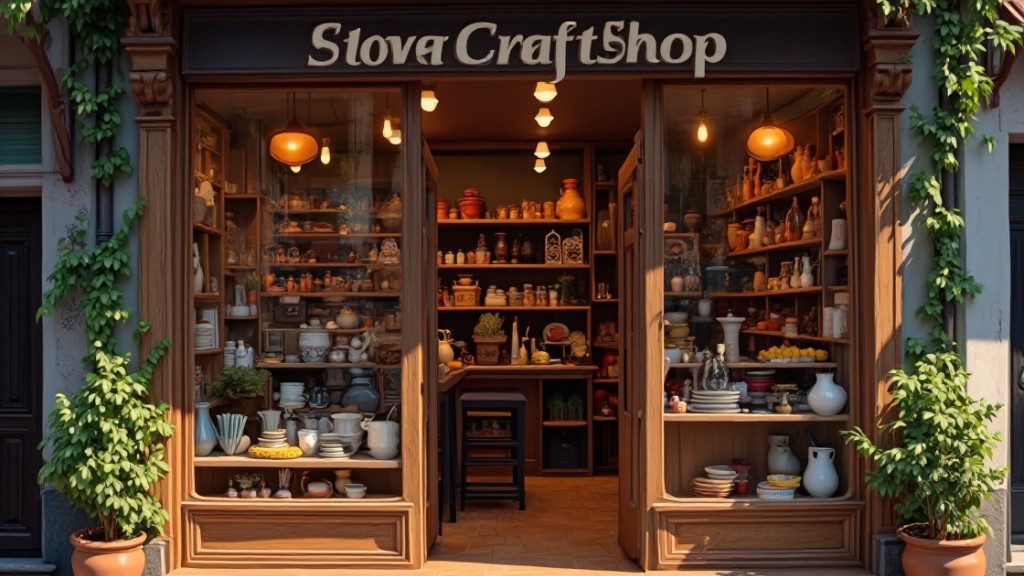
Selecting an ideal location and designing an inviting setup are critical for your craft shop’s success. You’ll attract more customers by prioritizing visibility and accessibility.
Choosing the Right Location
Choose a location with high visibility and strong foot traffic. Areas in bustling shopping districts, near popular local attractions, or within vibrant craft communities offer significant advantages. Consider proximity to your target audience and ensure easy access via car and public transport. Analyze competitor presence in the area; while some competition indicates a healthy market, too many similar shops can dilute your visibility. Conduct thorough market research to identify unique opportunities and create a distinct brand for your small business.
Store Layout and Design
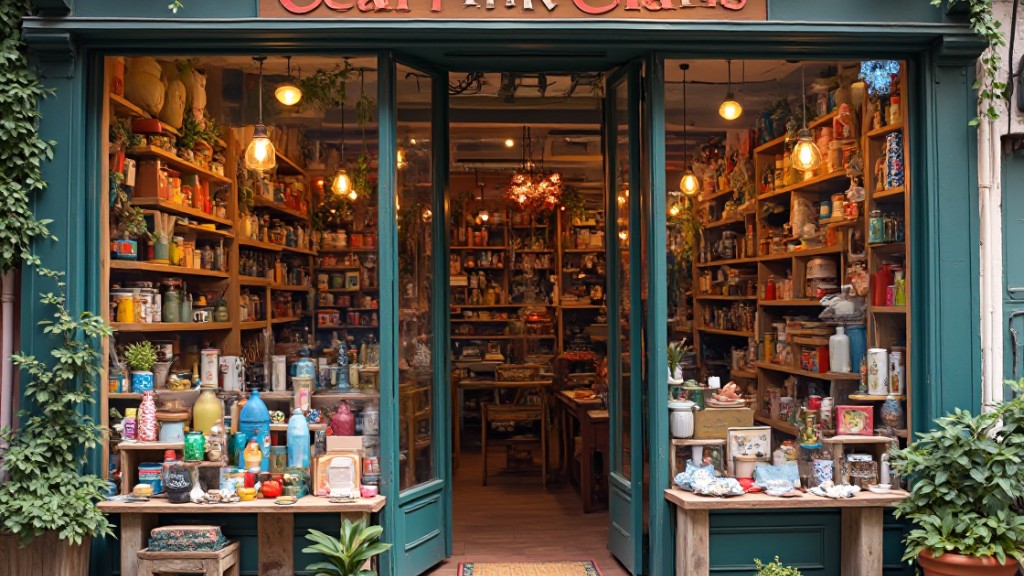
Design your craft shop layout to enhance customer experience. Create well-defined zones for different products, such as DIY supplies and handmade items. Ensure that aisles are easily navigable to facilitate browsing, and use engaging displays to highlight featured products. Incorporate areas for workshops or DIY demonstrations, fostering community engagement and attracting customers. Consider the aesthetics and ambiance to complement the crafting experience. Whether you sell directly in-store or through platforms like Etsy, a functional and inviting store design plays an important role in driving sales and building customer loyalty.
Sourcing Craft Supplies

Sourcing high-quality craft supplies is essential for your small business. The quality and variety of materials directly influence your handmade products and customer satisfaction.
Finding Suppliers
Finding reliable suppliers ensures you get the best materials for your craft shop.
- Bulk Purchases: Focus on suppliers that provide bulk craft supplies at wholesale prices. Websites like Incraftables offer a wide range of materials, including beads, fabrics, and paint brushes, often with tiered bulk discounts.
- Supplier Directories and Trade Shows: Use supplier directories and manufacturer websites to identify potential partners. Attend trade shows to meet vendors, sample their products, and make connections that lead to advantageous sourcing options.
- Local and Online Marketplaces: Browse local craft stores and online platforms like Etsy and Amazon Handmade for unique supplies. Engage with social media groups focused on DIY to discover new sources and connect with fellow crafters.
Managing Inventory
Effective inventory management helps maintain product availability while minimizing costs.
- Track Supply Levels: Use inventory management software or simple spreadsheets to monitor stock levels. This approach prevents stockouts and reduces overstock situations.
- Evaluate Sales Trends: Regularly assess which items sell best. Analyzing sales data helps you adjust inventory levels according to demand, ensuring you stock popular products while limiting less popular items.
- Establish Supplier Relationships: Maintain good relationships with your suppliers for timely restocking and potential discounts. Regular communication keeps you informed about new supplies available for your handmade products.
- Implement Just-in-Time (JIT) Inventory: Using a JIT approach can reduce carrying costs. Order materials as needed based on current demand, which also minimizes excess inventory.
By sourcing quality supplies and managing your inventory effectively, you set a strong foundation for your craft shop’s success.
Marketing Your Craft Shop
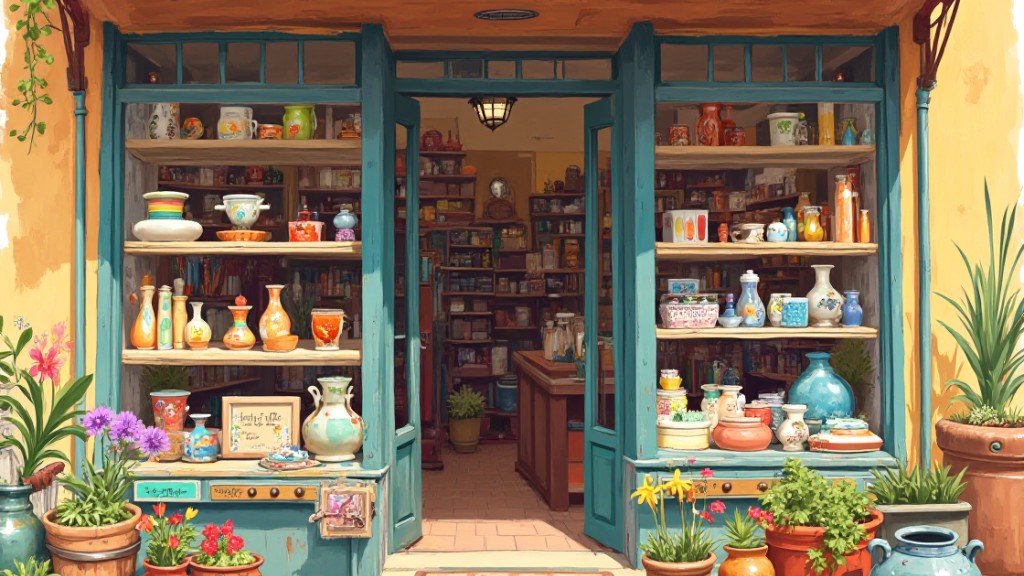
Marketing your craft shop effectively combines online presence with local promotion strategies. Engaging your audience through various channels attracts customers and builds brand loyalty.
Online Presence
Creating a strong online presence is essential for your craft shop. An informative, user-friendly website showcases your handmade products and engages potential customers. Ensure your website includes high-quality images, product descriptions, and easy navigation. Consider setting up an Etsy shop to tap into its vast audience of DIY enthusiasts looking for unique handmade items. Utilize social media platforms to share your creations, interact with customers, and promote workshops. Regularly posting crafting tips or showcasing finished projects can enhance your visibility and position you as an expert in the craft community.
Local Promotion Strategies
Implementing local promotion strategies boosts in-person traffic to your craft shop. Hosting workshops and DIY classes engages your community and fosters a shared love for crafting. Collaborate with local artists to offer themed events or co-host classes, increasing foot traffic and exposure. Distributing flyers or coupons in nearby neighborhoods attracts new customers. Attend local craft fairs or markets to showcase your products and connect with fellow crafters. Partnering with local businesses can create promotional opportunities that benefit both parties, enhancing your shop’s reputation as a community hub for creative pursuits.
Financial Considerations
Starting a craft shop involves important financial planning. Focusing on budgeting, pricing, and funding options provides a clear path toward establishing your small business.
Budgeting and Pricing
Effective budgeting starts with understanding your expenses and setting realistic prices for your handmade products. Typical startup costs include:
- Retail Space Lease or Purchase: $1,500 – $3,000 per month.
- Renovation and Store Setup: $5,000 – $20,000.
- Inventory Acquisition: $10,000 – $50,000.
- Point of Sale (POS) System: $500 – $2,000.
- Initial Marketing and Branding: $2,000 – $10,000.
- Licenses and Permits: $200 – $1,000.
- Equipment and Furniture: $2,000 – $8,000.
- Website Development and E-commerce Setup: $1,500 – $4,000.
- Insurance: $500 – $1,500 annually.
Total costs range from $23,200 to $60,000, depending on your business’s scale. Set competitive prices based on expenses, market analysis, and customer expectations. Research similar offerings on platforms like Etsy to gauge pricing standards. Include considerations for profit margins, ensuring long-term sustainability for your shop.
Funding Options
Securing funding is crucial for managing your craft shop’s startup and operational costs. Consider these funding options:
- Personal Savings: Use your savings to maintain complete control of your venture.
- Bank Loans: Explore small business loans from banks or credit unions with favorable rates.
- Grants: Investigate local, state, or federal grants aimed at small businesses in the crafting sector.
- Crowdfunding: Utilize platforms like Kickstarter or GoFundMe to gauge public interest in your products while raising necessary funds.
- Investors: Seek out investors interested in supporting small businesses, particularly those focused on the DIY and handmade markets.
Choose options that align with your business model and growth strategy. Having a detailed business plan increases your chances of obtaining funding and successfully launching your craft shop.
Conclusion
Opening a craft shop is an exciting journey that allows you to share your passion with others. By focusing on quality supplies and creating a welcoming atmosphere you can foster a community of craft enthusiasts. Remember to leverage both online and local marketing strategies to build your brand and attract customers.
As you embark on this entrepreneurial adventure keep in mind the importance of thorough planning and research. With the right approach and dedication you can turn your craft shop vision into a thriving reality. Embrace the challenges and celebrate the successes as you connect with fellow creatives and grow your business.
Frequently Asked Questions
How can I turn my crafting hobby into a business?
You can start by researching the craft market and identifying your niche. Create a business plan detailing your goals, target audience, and product offerings. Finally, set up a shop, either online or in a physical space, to sell your handmade items.
What are the key steps to starting a craft shop?
Key steps include conducting market research, developing a business plan, choosing a location, designing the shop layout, sourcing quality supplies, and implementing a marketing strategy to attract customers.
How important is location for a craft shop?
Location is crucial as it affects foot traffic and visibility. Choose a spot in a busy area with potential customers or consider an online presence to reach a wider audience.
What types of crafting supplies should I stock?
Stock a variety of quality supplies that cater to your target audience’s needs. Consider popular trends, and offer unique materials that appeal to DIY enthusiasts.
How can I effectively market my craft shop?
Utilize social media to engage with customers and showcase your products. Host workshops, collaborate with local artists, and participate in craft fairs to build community and attract customers.
What are typical startup costs for a craft shop?
Startup costs typically range from $23,200 to $60,000, depending on factors like location, inventory, and marketing expenses. Create a detailed budget to estimate your overall financial needs.
How do I price my handmade products?
Set competitive prices based on your costs, market research, and perceived value. Consider expenses like materials, labor, and overhead to ensure profitability while remaining attractive to customers.
What funding options are available for starting a craft shop?
Funding options include personal savings, Bank of America, grants, crowdfunding, and investors. Assess your business model to determine the most suitable option for your craft shop’s growth.How can I build a community around my craft shop?
Engage with customers through social media and encourage participation in workshops. Building a community fosters loyalty, encourages repeat business, and enhances your shop’s reputation in the craft space.
What role does market research play in starting a craft shop?
Market research helps identify trends, assess competition, and understand your target audience. This information is vital for making informed decisions on product offerings, pricing, and marketing strategies.
Image via Google Gemini