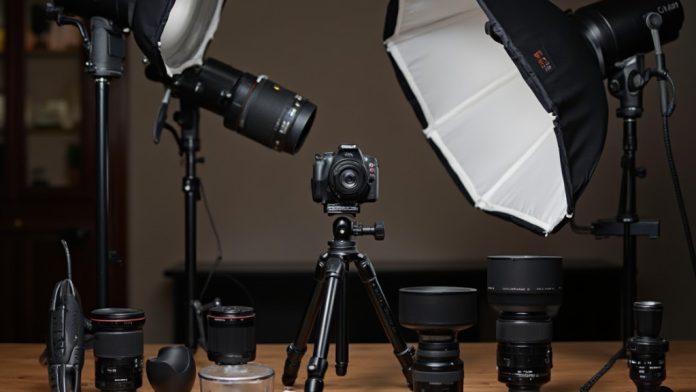
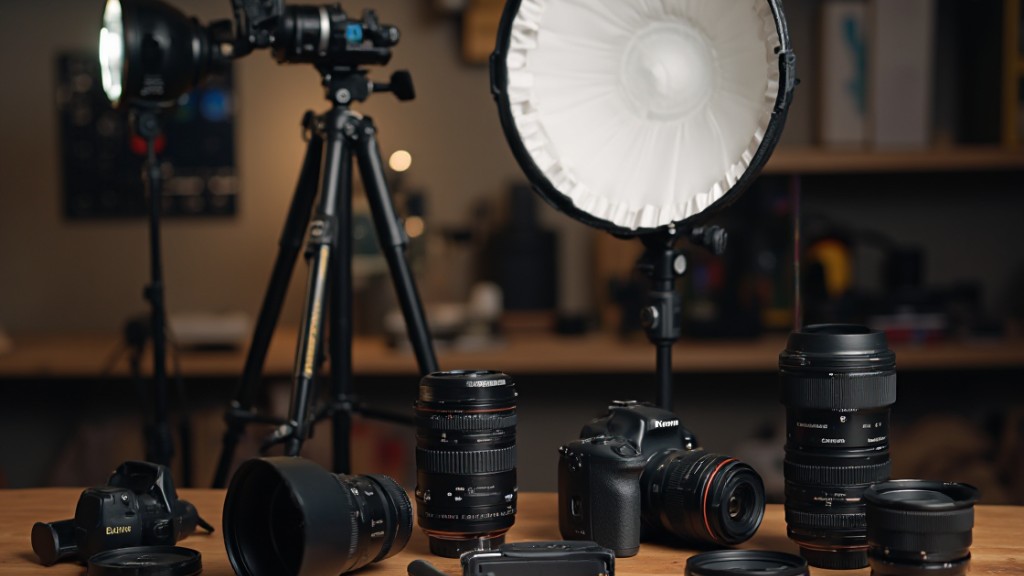
In terms of product photography, having the right equipment can make a significant difference in your results. A high-quality camera, a sharp macro lens, and a sturdy tripod are just the beginning. Effective lighting solutions and versatile backgrounds likewise play vital roles. By incorporating props for creative styling and utilizing editing software, you can improve your images dramatically. Let’s explore each of these fundamental tools and how they contribute to stunning product shots.
Key Takeaways
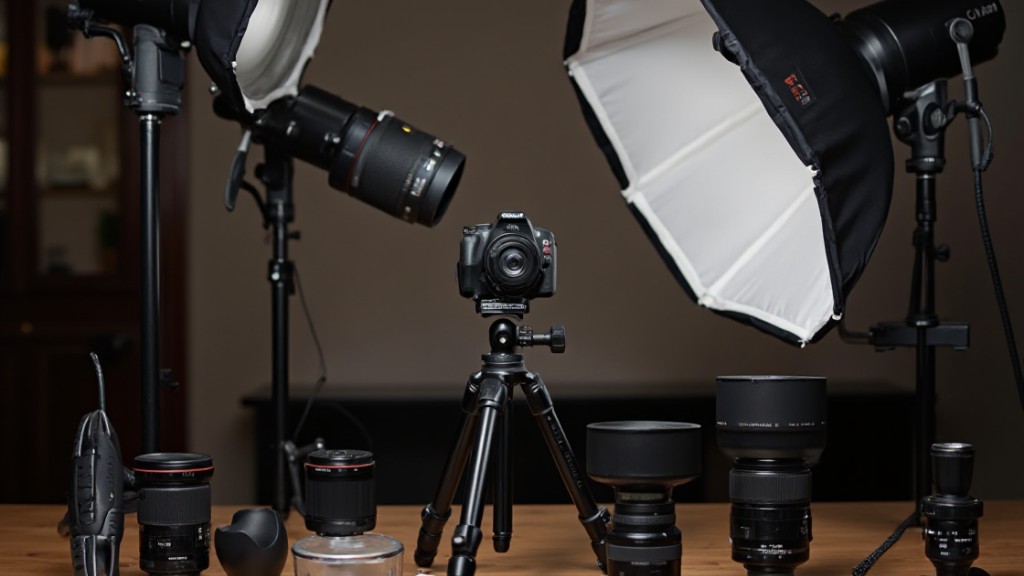
- A high-quality camera with at least 24 megapixels ensures sharpness and detail for product shots.
- Essential macro lenses, like 100mm, provide 1:1 magnification for capturing intricate details in small items.
- A sturdy tripod is crucial for stability, ensuring sharp images and consistent compositions during shoots.
- Effective lighting solutions, such as softboxes or LED panels, create consistent and flattering illumination for products.
- Using props strategically adds context and visual appeal, enhancing the overall impact of product photography.
High-Quality Camera Options
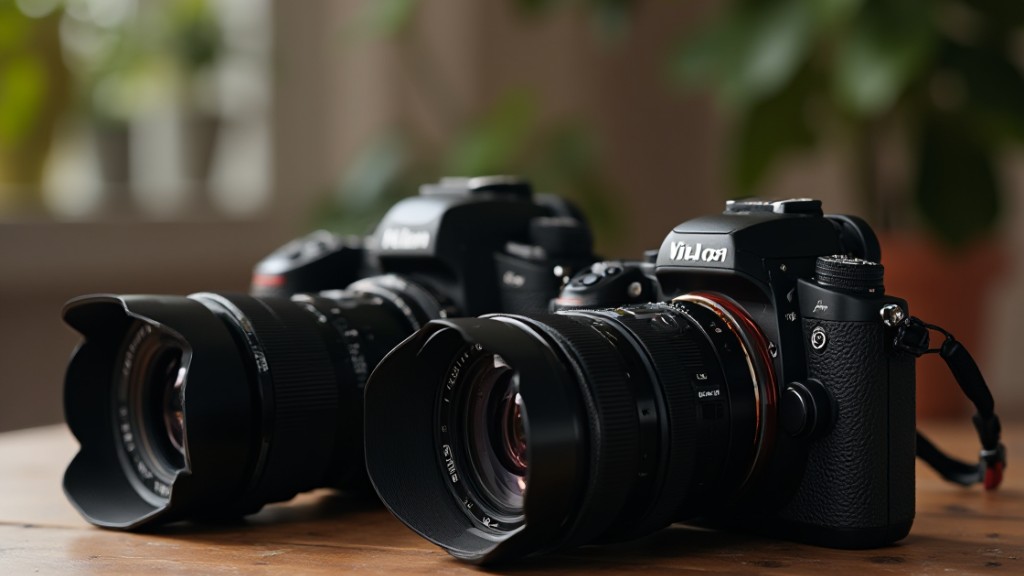
When you’re aiming to capture high-quality product images, selecting the right camera is vital. High-quality cameras, like entry-level Canon DSLRs or mirrorless models, give you manual control over settings, which is significant for producing detailed images.
Look for cameras with a minimum of 24 megapixels to guarantee sharpness and clarity, especially for larger prints. Full-frame sensors, found in models such as the Nikon Z9 or Sony A1, improve dynamic range and detail, making them some of the best equipment for product photography.
If you’re on a budget, modern smartphones like the iPhone 11 and newer can likewise deliver impressive results in professional setups.
Furthermore, consider cameras with dual memory card slots for added security during important shoots, making sure your images are safely backed up.
Investing in the right product photography equipment will raise your work and help you achieve the results you desire.
Essential Macro Lenses
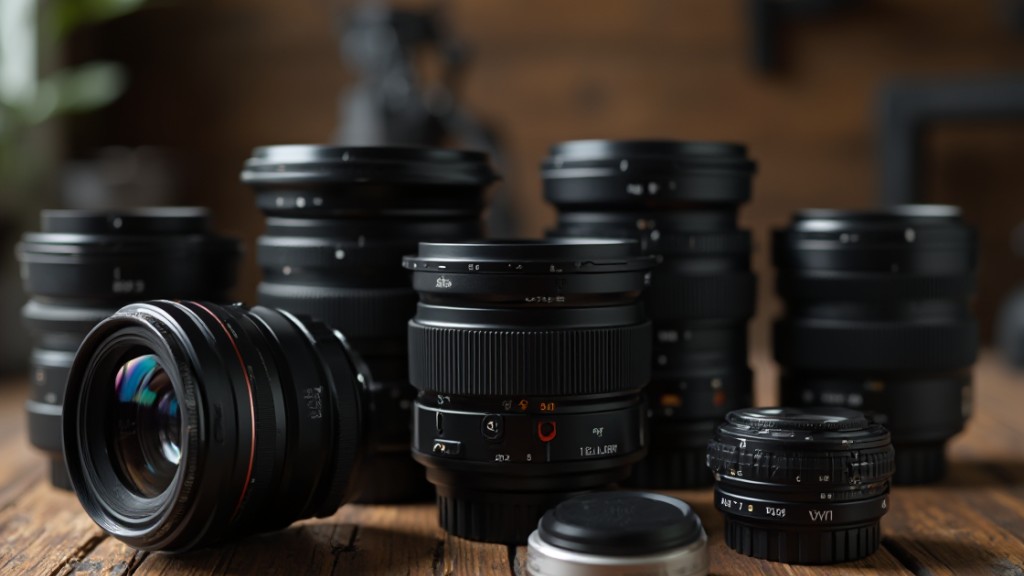
In terms of product photography, the right macro lens can make a significant difference in capturing fine details.
A 100mm macro lens offers 1:1 magnification, which is perfect for small items like jewelry, whereas a 60mm option can be more budget-friendly for medium-sized products.
Grasping the importance of lens magnification helps you choose the right equipment for showcasing your products effectively.
Lens Magnification Importance
Grasping lens magnification is crucial for effective product photography, as it directly influences how well you can capture the intricate details of your items.
Macro lenses, such as the 100mm option, allow for a 1:1 magnification, making them perfect for showcasing small products with impressive detail. If you’re just starting out, the 60mm Macro Lens offers a budget-friendly alternative that still delivers good sharpness for medium-sized items.
Furthermore, using a 24-70mm Zoom Lens gives you the flexibility to shoot a variety of product sizes without frequent lens changes.
These macro lenses are indispensable photography equipment for product photography, as they provide excellent sharpness and minimal distortion, ensuring your product photography accessories make your items look their best, ultimately enhancing sales potential.
Recommended Macro Options
Choosing the right macro lens is essential for achieving stunning product photography that highlights intricate details. For both beginners and experienced photographers, here are some recommended options:
| Lens Type | Recommended Models | Key Features |
|---|---|---|
| 100mm Macro | Sony FE 90mm f/2.8, Canon EF 100mm f/2.8L, Nikon AF-S VR Micro-NIKKOR 105mm | 1:1 magnification, excellent sharpness |
| 60mm Macro | Sony FE 50mm f/2.8, Canon EF-S 60mm f/2.8, Nikon AF-S Micro-NIKKOR 60mm | Budget-friendly, minimal distortion |
| 24-70mm Zoom | N/A | Versatile framing and detail capture |
These selections in your photography table will improve your photoshoot table results, allowing you to capture intricate product details effectively.
Tripods for Stability
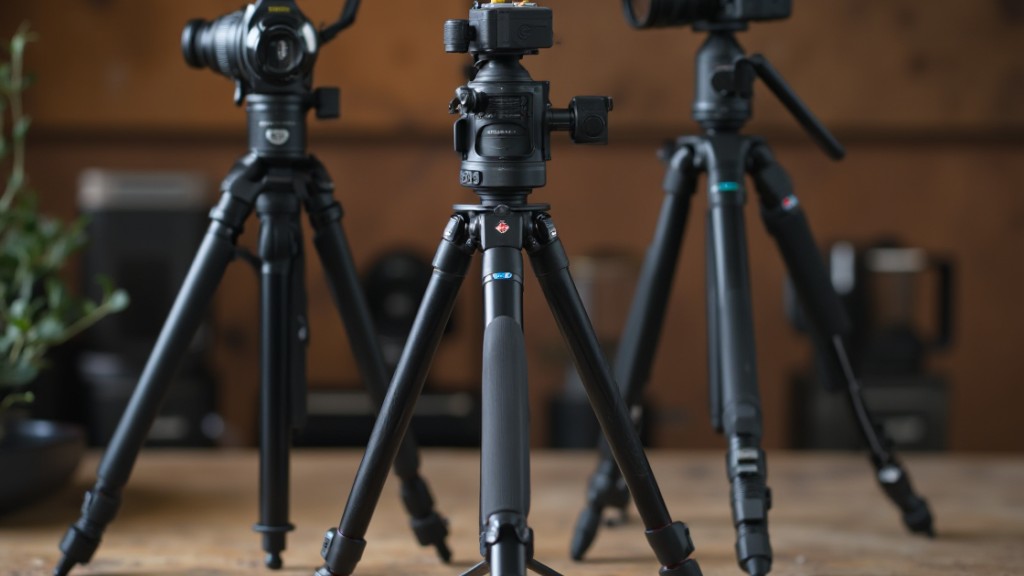
In terms of product photography, stability is vital for capturing sharp images and consistent compositions.
You’ll find various types of tripods designed to meet different needs, from compact options for small items to more robust models for larger products.
Furthermore, using tripod accessories can improve your setup, ensuring you get the best possible results in your photography.
Importance of Stability
Stability plays a vital role in product photography, as it directly impacts the clarity and sharpness of your images. Using a tripod eliminates camera shake, which is fundamental for capturing sharp details, especially during long exposure shots.
A sturdy tripod, like the Manfrotto Pixi Mini Tripod for smaller items or the Manfrotto Travel Tripod for larger products, improves the consistency of your shots. It allows you to maintain the same framing and composition across multiple images, creating cohesive product listings.
Adjustable tripods also offer flexibility in height and angle, letting you capture products from various perspectives. Investing in a quality tripod not only enhances image quality but additionally reduces physical strain, enabling longer shooting sessions without fatigue.
Types of Tripods
Having established the importance of stability in product photography, it’s time to look at the various types of tripods available.
For small items, the Manfrotto Pixi Mini Tripod is an excellent choice because of its compact size and lightweight design, making it easy to transport. This tripod guarantees minimal camera shake for crisp images.
For larger products, consider the Manfrotto Travel Tripod Lever with Ball Head, which offers the necessary stability and flexibility for different shooting angles.
If you’re using a smartphone, a phone attachment like the Neewer Smartphone Holder is crucial for securing your device on a tripod.
In the end, your choice of tripod should depend on the size of the items you’re photographing, guaranteeing ideal support and stability.
Tripod Accessories and Tips
Three key accessories can greatly improve your tripod setup for product photography: a quick-release plate, a tripod bag, and leveling tools.
A quick-release plate allows you to switch between shooting positions quickly, enhancing your workflow.
Using a tripod bag helps protect your equipment during transport, especially if you’re using models like the Manfrotto Pixi Mini for small items or the Manfrotto Travel Tripod for larger products.
Leveling tools guarantee your camera is perfectly aligned, preventing tilted images that can distract viewers.
Furthermore, consider a smartphone holder, like the Neewer Smartphone Holder, to increase versatility when shooting with mobile devices.
Effective Lighting Solutions
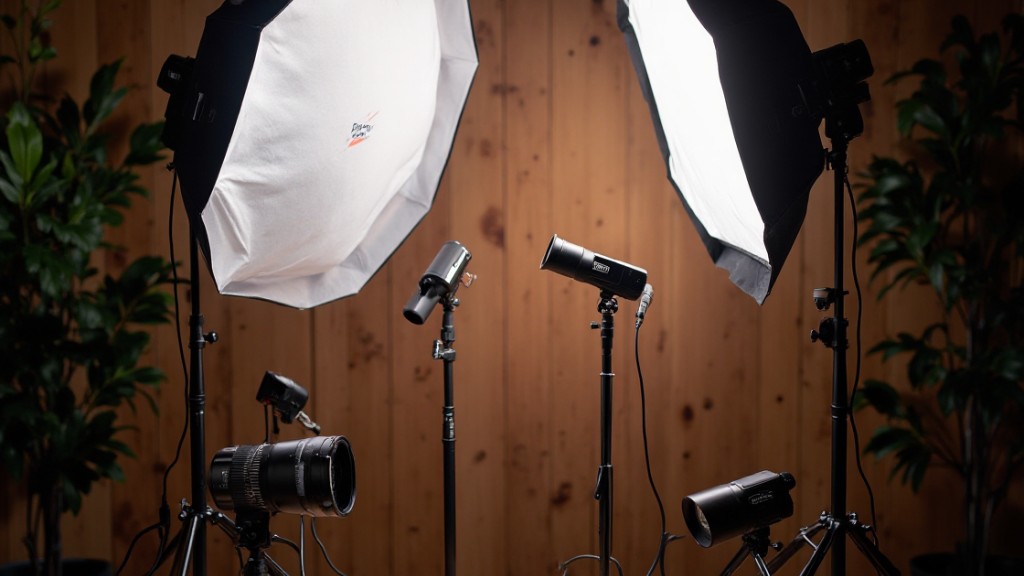
In the area of product photography, effective lighting solutions are essential for achieving high-quality images that capture the attention of potential buyers.
Artificial lighting options like softboxes and LED panels provide consistent illumination that natural light simply can’t match. For reflective products, large, diffused light sources minimize harsh reflections, ensuring even lighting across the subject.
Utilizing reflectors and bounce cards can help you control shadows and highlights, enhancing your images by directing light more efficiently.
Continuous lighting setups are adaptable for both photography and video, allowing for real-time adjustments and consistent exposure.
Investing in quality lighting gear, such as the Godox SL-60W, can greatly improve the aesthetic of your product images. This investment not just enhances your photography but also makes your products more appealing to potential buyers.
Versatile Backgrounds and Backdrops
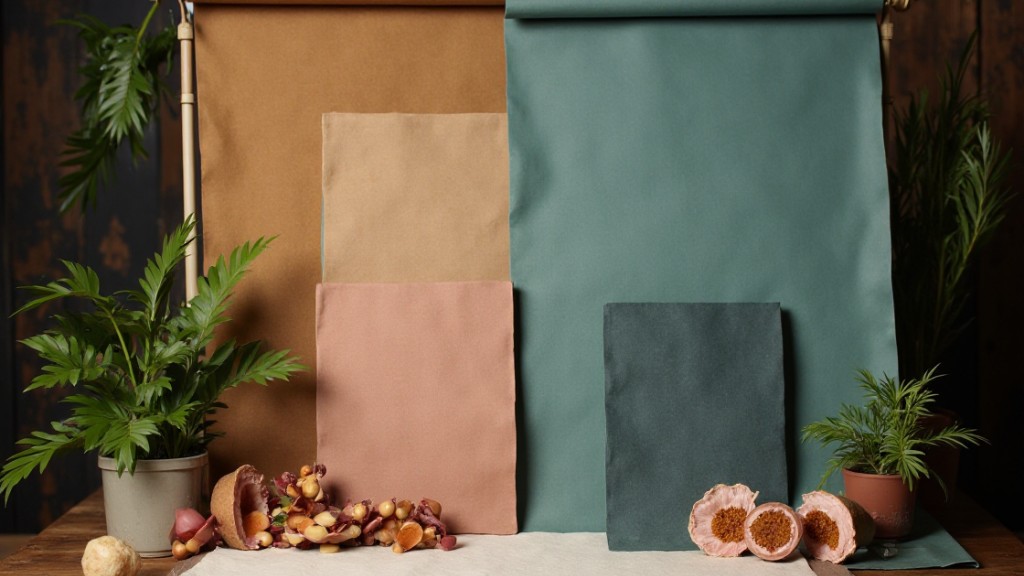
Effective lighting is just one part of the equation regarding product photography; the backgrounds you choose also play a significant role in how your products are perceived.
A well-selected backdrop improves visibility and gives your images a professional touch. Here are three versatile options to reflect upon:
- Clean and Simple Backgrounds: Using colors like white, black, or gray can help your products stand out, providing a distraction-free environment for viewers.
- Vinyl Backdrops: These are easy to clean and store, available in various colors and textures, making them adaptable for different product types.
- Seamless Paper Rolls: Ideal for creating smooth, distraction-free backgrounds, these come in a wide range of colors, allowing you to match your branding effectively.
Props for Creative Styling

Props play a fundamental role in creative styling for product photography, enhancing the overall visual appeal and context of your images. When selecting props, aim to complement your product without overwhelming it.
Natural materials like wood, fabric, and plants can create an organic atmosphere that invites viewers in. Use contrasting colors or textures to make your product stand out, ensuring it captures attention effectively.
It’s vital to keep props minimal and relevant; often, a single well-placed prop can communicate your message more effectively than a cluttered scene. Experimenting with different arrangements and combinations of props can lead to unique compositions that not just highlight the product but additionally tell a story.
Each element should resonate with your target audience, providing context that engages and attracts potential buyers. By thoughtfully integrating props, you can enhance your product photography and create memorable images that leave a lasting impression.
Editing Software for Post-Processing
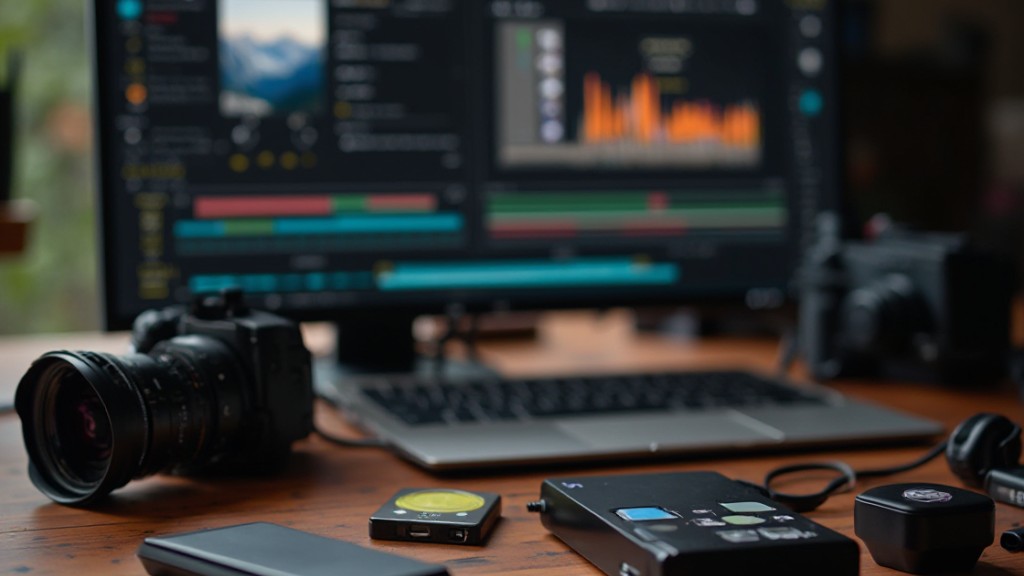
When you want to improve your product photography, using the right editing software for post-processing is vital. The software you choose can greatly impact the final look of your images.
Here are three options to think about:
- Adobe Lightroom: This is widely recommended for its user-friendly interface and vital editing features. The basic version is free for iOS and Android users, whereas advanced capabilities are available through a $15/month subscription.
- Photoshop: Included with a Lightroom subscription, Photoshop offers advanced editing tools, ideal for complex adjustments and retouching.
- GIMP: A free alternative, GIMP is suitable for those seeking cost-effective software for basic editing needs.
Utilizing tools like Adobe, Levels, and Saturation sliders within these programs is important for color correction, ensuring consistent product representation in your photography.
Frequently Asked Questions
How Important Is Camera Megapixel Count for Product Photography?
Camera megapixel count greatly impacts product photography, as higher megapixels provide more detail and clarity in images.
Although a 12-megapixel camera can produce good photos, a 24-megapixel camera captures finer textures and nuances, making your products stand out.
Nevertheless, don’t overlook other factors like lens quality and lighting, which likewise play essential roles in achieving stunning shots.
In the end, balance your gear to meet your specific photography needs for the best results.
Can I Use a Smartphone for Product Photography?
Yes, you can use a smartphone for product photography. Many modern smartphones have high-resolution cameras capable of capturing detailed images.
To improve your shots, utilize natural light and avoid harsh shadows. Experiment with different angles and backgrounds to find what works best.
Consider using editing apps to enhance clarity and color balance. Although a smartphone may not replace professional equipment, it can still produce impressive results with the right techniques.
What Are the Best Tips for Natural Lighting in Product Photography?
To achieve the best natural lighting in product photography, position your products near windows during the day for soft, diffused light.
Avoid direct sunlight, as it can create harsh shadows. Use reflectors to bounce light and eliminate dark spots, and consider using sheer curtains to soften the light further.
Experiment with different times of day to find the most flattering angles.
Finally, always monitor the weather, as cloud cover can improve light quality considerably.
How Do I Choose the Right Backdrop Color for My Product?
To choose the right backdrop color for your product, consider the product’s color and style. Neutral colors, like white or gray, often improve product visibility and maintain focus.
For lively products, contrasting colors can create visual interest. Test different options to see how they affect the overall image.
Furthermore, think about the emotions you want to evoke; softer tones may convey calmness, whereas bold colors can inspire excitement. Always prioritize product clarity.
What Editing Techniques Enhance Product Image Appeal?
To improve product image appeal, focus on techniques like color correction, which adjusts hues for accuracy.
Use cropping to emphasize the product, creating a more impactful composition. Incorporate sharpening to improve details, ensuring your product stands out.
Employ contrast adjustments to make elements pop, all the while avoiding overexposure or underexposure.
Finally, consider applying a subtle vignette to draw attention to the center, guiding the viewer’s eye effectively in the direction of the product itself.
Conclusion
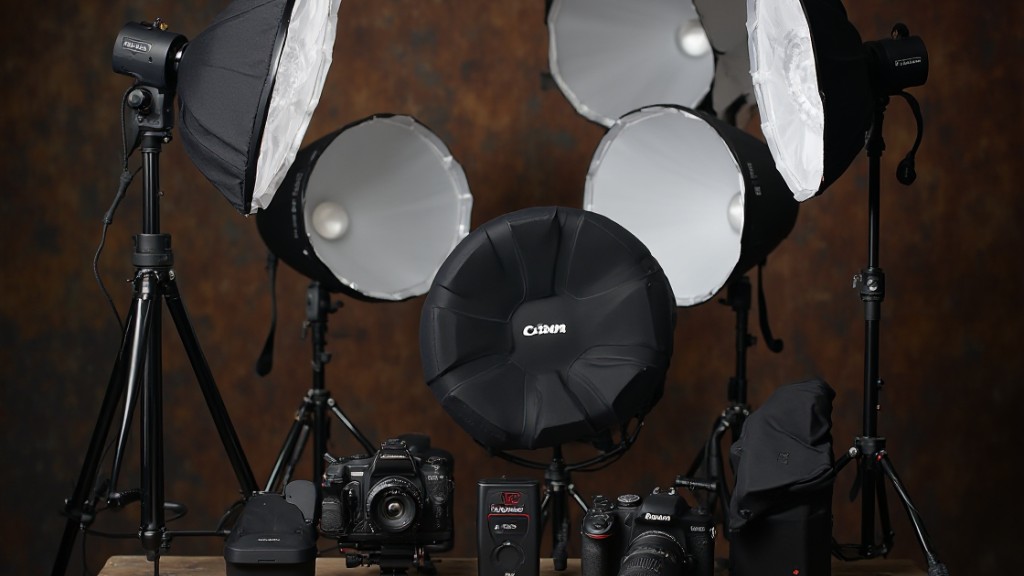
In summary, equipping yourself with the right tools is crucial for achieving stunning product photography. A high-quality camera, macro lens, and sturdy tripod provide the foundation, whereas effective lighting and versatile backgrounds improve your images. Adding props allows for creative styling, and post-processing software refines your final products. By investing in these seven fundamental pieces of equipment, you’ll greatly enhance the quality and impact of your photography, making it more appealing to potential customers.
Image via Google Gemini