Key Takeaways
- Understanding Small Craft Businesses: These ventures focus on creating and selling unique handmade products, capitalizing on low startup costs and personal branding to foster meaningful connections with consumers.
- Economic Contribution: Small craft businesses play a crucial role in the economy, representing 99.9% of U.S. businesses and creating jobs while promoting sustainable practices.
- Identifying Your Niche: Success in the craft market requires pinpointing a specific niche, which helps differentiate your offerings from competitors and attract a targeted audience.
- Effective Marketing Strategies: Leveraging social media and participating in local art fairs can significantly boost visibility and sales for small craft businesses by connecting with customers directly.
- Overcoming Challenges: Financial management, market saturation, and evolving customer preferences are common hurdles that small craft businesses must navigate to achieve long-term sustainability.
- Inspiring Success Stories: Many entrepreneurs have turned their passions into successful small craft businesses by embracing unique business models like Etsy shops, subscription boxes, and workshops, illustrating the potential of creativity in entrepreneurship.
In today’s vibrant marketplace, small craft businesses are thriving like never before. You might be a creative soul looking to turn your passion into profit or simply curious about the world of handmade goods. Whatever your motivation, diving into this realm offers endless possibilities and a chance to connect with like-minded individuals.
Starting a small craft business isn’t just about selling products; it’s about sharing your unique vision with the world. Whether you’re crafting jewelry, home decor, or artisanal foods, each item tells a story that resonates with customers seeking authenticity. As you explore this exciting journey, you’ll discover tips and strategies to help your business flourish in a competitive landscape.
Overview Of Small Craft Businesses
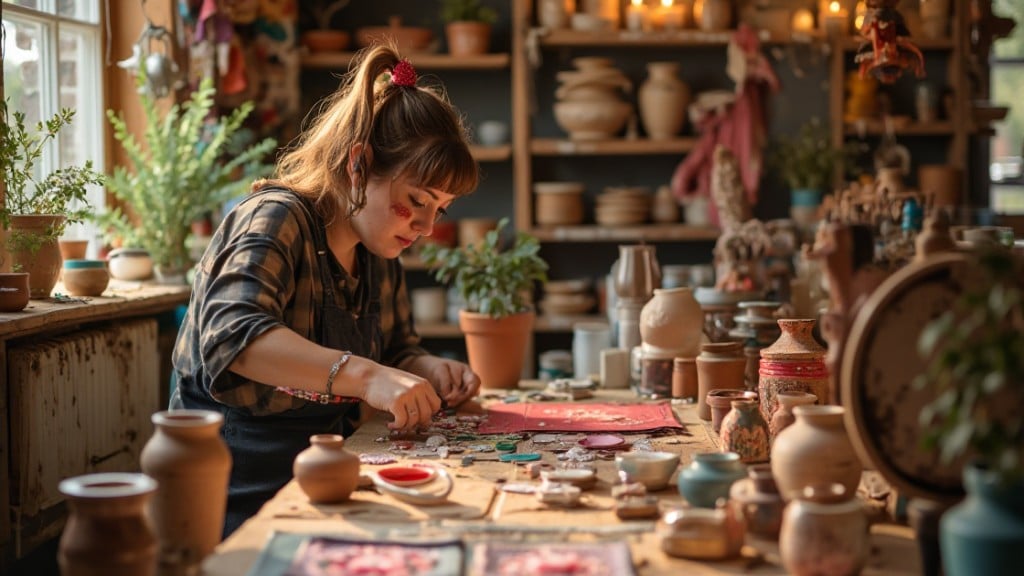
Small craft businesses represent a vibrant sector where creativity meets entrepreneurship. These ventures empower individuals to transform their passions for handmade and DIY projects into sustainable income sources.
Definition And Characteristics
Small craft businesses focus on the creation and sale of unique, handmade products. You often find these businesses on platforms like Etsy, where artisans can showcase their distinctive offerings. Characteristics include low startup costs, personal branding, and an emphasis on craftsmanship. Many small craft businesses prioritize quality and originality over mass production, creating an authentic connection between the creator and the customer.
Importance In The Economy
Small craft businesses significantly contribute to the economy. In 2022, small businesses, including crafts, represented 99.9% of all U.S. businesses, employing approximately 60 million people. These businesses stimulate local economies by creating jobs, encouraging entrepreneurship, and fostering community engagement. By supporting small craft businesses, consumers invest in their local economies and promote sustainable practices within their communities.
Starting A Small Craft Business
Starting a small craft business involves understanding your niche and acquiring the right supplies. This process sets the foundation for crafting handmade products that resonate with customers.
Identifying Your Niche
Identify your niche to stand out in the competitive craft market. Focus on a specific craft area, like jewelry making or home decor, to cater to a targeted audience. Research competitors and assess what unique offerings you can provide. Consider trends in online marketplaces like Etsy, where successful sellers often thrive in specialized niches. Your unique selling proposition (USP) should highlight what distinguishes your products from others, drawing in customers who appreciate originality.
Craft Supplies And Tools Needed
Gather essential craft supplies and tools crucial for your production. Depending on your chosen craft, you might need materials like fabric, wood, paint, or beads. Invest in quality tools that enhance your craftsmanship and efficiency. Create an inventory list to manage resources and track expenses effectively. Plan your budget to ensure sufficient funding for initial supplies while keeping an eye on sustainable sourcing practices that appeal to eco-conscious consumers.
Marketing Strategies For Small Craft Businesses

Effective marketing strategies are essential for small craft businesses aiming to thrive in a competitive market. Utilizing various avenues can connect you with target audiences and increase sales.
Social Media Marketing
Social media offers a cost-effective platform for promoting your small craft business. Focus on visual platforms like Instagram and Pinterest, which are excellent for showcasing your handmade products. Maintain a consistent posting schedule to engage your audience and plan content around significant dates, such as holidays and craft fairs. Create engaging content, including tutorials and behind-the-scenes glimpses of your production process. For instance, sharing a video on how to create a DIY project can attract potential customers and highlight your unique skills.Local Art Fairs And Markets
Participating in local art fairs and markets provides direct access to your target audience. These events often draw customers interested in handmade and unique products. Set up an appealing booth that showcases your best work. Engage with visitors, offering them a chance to see and feel your crafts in person. Networking with other vendors can also lead to collaborative opportunities that enhance your business visibility. Utilize these platforms to promote your Etsy shop and share information about your products directly.
Challenges Faced By Small Craft Businesses

Small craft businesses encounter various challenges that affect their growth and sustainability. Understanding these hurdles is essential for overcoming them effectively.
Financial Challenges
Small craft businesses face significant financial challenges that can hinder their success.
- Initial Startup Costs: You may require substantial investment in materials and equipment to launch your craft or DIY business. These costs can quickly add up, creating a barrier for many small business owners.
- Cash Flow Management: You must manage cash flow rigorously, as it involves balancing income from sales with ongoing expenses like supplies, rent, and employee salaries. Effective cash flow management ensures you have the resources to operate continuously.
- Pricing: Determining the right price for your handmade products is crucial. Prices must cover all costs and yield profit while remaining attractive to customers. Striking this balance can be challenging in a competitive market.
- Access to Funding: Securing funding can prove difficult for small craft businesses. Many lenders view small ventures as risky due to limited collateral. This difficulty can restrict your ability to expand or invest in new opportunities.
Competition In The Market
The handmade market on platforms like Etsy is saturated with numerous small businesses, each vying for consumer attention.
- Market Saturation: Many small craft businesses offer similar products, making differentiation essential. You need to find your niche to stand out among competitors.
- Customer Preferences: Consumer preferences can shift quickly, impacting demand for your products. Staying attuned to market trends ensures you adapt your offerings accordingly.
- Innovation: Continually innovating your craft can help maintain customer interest. Offering fresh designs or unique DIY projects sets your business apart and attracts new customers.
- Branding: Creating a strong brand identity enhances recognition and consumer loyalty. Your brand storytelling helps communicate quality and authenticity in a crowded marketplace.
Navigating these challenges demands careful planning and strategic execution. Understanding the financial landscape and competitive environment positions your small craft business for long-term success.
Success Stories Of Small Craft Businesses

Small craft businesses showcase the journeys of entrepreneurs transforming their passions into successful ventures. Their stories inspire others aiming to carve their niche in the crafting world.
Inspiring Entrepreneurs
- Lisa Jacobs turned her crafting hobby into a thriving small business by identifying a market gap. She established a company, using social media platforms like Etsy to engage a dedicated audience.
- Raven Roxanne from Florida built her business on a sustainable foundation. Her love for nature and art reflects in her products. Eco-friendly practices are central to her brand, showing that sustainability can lead to profitability in the craft world.
- Anhoki serves as a prime example of combining art with social impact. Founded by an artist and designer, this brand inspires others to make a positive difference through creative expression.
Unique Business Models
- Etsy Shops: Many small craft businesses find success by selling handmade products on Etsy, creating a direct channel to customers who appreciate artistry and unique creations.
- Subscription Boxes: Some entrepreneurs offer subscription boxes filled with DIY materials and handmade items, providing steady revenue while fostering community engagement.
- Workshops and Classes: Hosting crafting workshops not only generates income but also builds a loyal customer base. Participants gain skills while experiencing your products firsthand.
Conclusion

Starting a small craft business is an exciting journey where your creativity can flourish. By tapping into your passions and unique skills, you can create products that resonate with customers seeking authenticity. It’s not just about selling; it’s about building connections and making a positive impact in your community.
As you navigate the challenges and opportunities in this vibrant sector, remember that effective marketing and a strong brand presence are key. Embrace innovation and stay adaptable to keep your business thriving. With dedication and a clear vision, you can turn your craft into a rewarding venture that not only supports you but also enriches the lives of others.
Frequently Asked Questions

What is a small craft business?
A small craft business focuses on creating and selling unique, handmade products. These ventures allow creative individuals to turn their passions into profitable income sources while showcasing their artistry and authenticity.
How can I start my own craft business?
To start a craft business, identify your niche, gather essential supplies, plan your budget, and develop a strong brand. Research competitors and consider sustainable practices to appeal to eco-conscious consumers.
What are the benefits of supporting small craft businesses?
Supporting small craft businesses boosts local economies, creates jobs, and promotes sustainable practices. Consumers enjoy unique products, fostering connections with artisans who share their values and vision.
What marketing strategies work for small craft businesses?
Effective marketing strategies include leveraging social media platforms like Instagram and Pinterest, maintaining a consistent posting schedule, creating engaging content, and participating in local art fairs to connect with potential customers.
What challenges do small craft businesses face?
Small craft businesses often encounter financial challenges, such as managing startup costs and cash flow. Additionally, they face market saturation, shifting customer preferences, and the need for strong branding to remain competitive.
Can you share examples of successful small craft businesses?
Examples include Raven Roxanne, who emphasizes sustainability, and Anhoki, who combines art with social impact, showcasing diverse business models and community engagement.
Where can I sell my crafts?
You can sell your crafts on platforms like Etsy, at local markets, or through social media. Establishing an online store or hosting workshops can also help you reach a broader audience and engage with your community.
Image via Google Gemini