
A Competitive Analysis Matrix is a visual tool that helps you compare your business with competitors in your industry. It organizes essential information like pricing, product features, and customer service into a clear format. This matrix not just highlights where you stand but also uncovers opportunities for improvement and innovation. Comprehending how to create and utilize this matrix can considerably influence your marketing strategies and decision-making. Let’s explore how this tool can improve your business’s competitiveness.
Key Takeaways

- A Competitive Analysis Matrix compares competitors based on key features, performance metrics, and strategic positioning in the market.
- It helps identify market gaps and opportunities for innovation, guiding businesses towards revenue growth.
- Regular updates ensure the matrix reflects shifts in the competitive landscape, enhancing agility in decision-making.
- Frameworks like SWOT analysis provide insights into internal strengths and weaknesses, as well as external opportunities and threats.
- Utilizing a matrix leads to informed strategies, effective resource allocation, and continuous improvement in business practices.
Understanding the Competitive Analysis Matrix

Grasping the Competitive Analysis Matrix is essential for businesses aiming to navigate their market environment effectively. This visual tool allows you to compare key features, performance metrics, and offerings of competitors side by side, facilitating a clearer comprehension of market dynamics.
By categorizing competitors into direct, indirect, and perceived types, you assess your positioning relative to various market challenges and opportunities. The competitive analysis matrix often utilizes frameworks like SWOT analysis to evaluate your internal strengths and weaknesses against external opportunities and threats.
Regularly updating this matrix helps you stay responsive to shifts in the competitive terrain, ensuring you capitalize on emerging opportunities as you address potential threats. Additionally, insights gleaned from the matrix assist in identifying gaps in the market, allowing you to innovate and improve your offerings, eventually leading to increased revenue and market share.
Importance of Competitive Analysis in Business

Comprehending your competitive position is key to making informed strategic decisions.
By analyzing competitors, you can pinpoint market gaps and opportunities that can drive revenue growth and improve your market share.
Regular updates to your competitive analysis guarantee that your business stays agile and responsive to changes in the competitive environment.
Identifying Market Position
How can businesses effectively determine their market position? By utilizing a competitive matrix, you can visually compare your strengths and weaknesses against competitors.
This market positioning matrix not just identifies where you stand but also highlights potential opportunities for differentiation. Regular updates to your matrix are vital, as they allow you to adapt to changes in the competitive environment and maintain or improve your market share.
An effective competitive analysis reveals market gaps, guiding innovation and strategic resource allocation. Furthermore, insights from this matrix can inform your marketing strategies, helping you articulate your unique value propositions and better target specific market segments.
Enhancing Strategic Decision-Making
In today’s competitive environment, leveraging a competitive analysis matrix is essential for enhancing strategic decision-making. A well-structured competitive analysis grid enables you to visualize key features and performance metrics across competitors, helping you identify your market position.
Regularly updating your competitive positioning chart guarantees you stay responsive to market shifts, allowing for timely adjustments to your strategies.
- Recognize competitor strengths and weaknesses.
- Capitalize on market gaps for increased revenue.
- Align marketing, pricing, and product development with customer needs.
- Promote continuous improvement in operations.
Types of Competitive Matrices
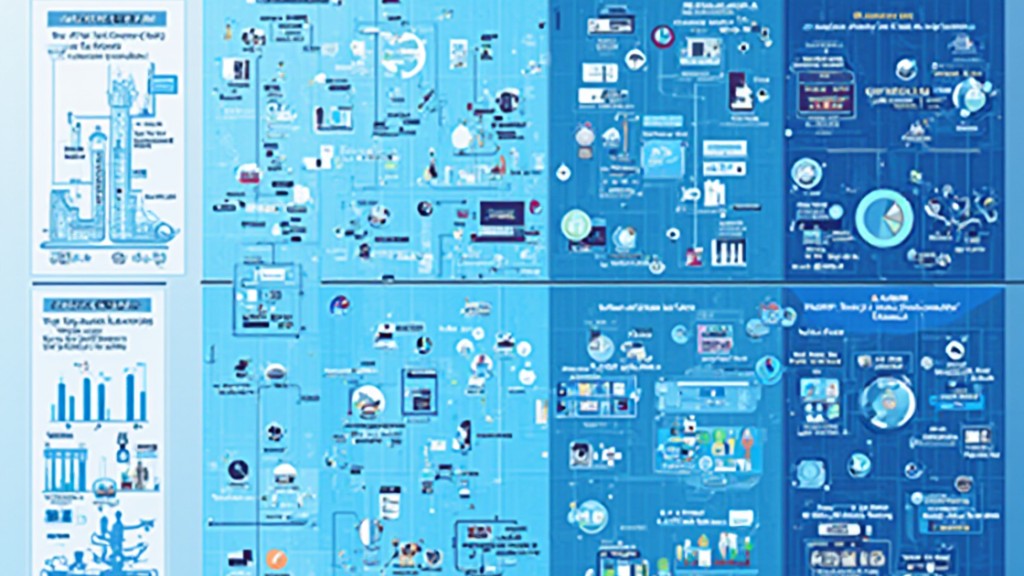
Competitive matrices come in various types, each designed to serve specific analytical purposes that can greatly improve your comprehension of the market environment.
One common type is the Competitive Profile Matrix (CPM), which evaluates competitors based on critical success factors relevant to the market, allowing you to identify strengths and weaknesses effectively.
Another crucial tool is the SWOT Analysis Matrix, focusing on internal strengths and weaknesses alongside external opportunities and threats, providing a holistic view of competitive positioning.
The Competitive Advantage Matrix categorizes firms based on the size and potential of their competitive advantages, helping you pinpoint leaders in specific areas.
In addition, the Sales Matrix gauges potential sales opportunities by comparing performance metrics among competitors, aiding in strategic planning.
Finally, the Competitive Positioning Matrix visually represents your company’s standing, highlighting areas of excellence and opportunities for differentiation in the market.
Steps to Create a Competitive Analysis Matrix

To create a competitive analysis matrix, you should start by identifying 3 to 5 key competitors, both direct and indirect, which can provide a well-rounded view of your market.
Next, gather relevant data on these competitors, focusing on criteria like product features, pricing, and customer service to guarantee a thorough evaluation.
Once you have this information, you can organize it into a clear table format, making it easy to compare and analyze each competitor side by side.
Identify Key Competitors
Identifying key competitors is an essential step in creating an effective competitive analysis matrix, as it lays the foundation for comprehending your market environment.
Start by selecting 3 to 5 direct and indirect competitors who provide similar solutions to your target audience. Utilize a competitor data collection plan to gather relevant information through market research tools, such as:
- Industry reports
- Competitor websites
- Customer feedback
- Pricing strategies
Organize the data into a competitive comparison matrix, with rows for each competitor and columns for evaluation criteria customized to your business’s success factors.
Regularly updating this matrix at least quarterly guarantees you stay informed about competitors’ strategies and performance, allowing you to adapt your approach as needed.
Gather Relevant Data
After recognizing your key competitors, the next step involves gathering relevant data to create a competitive analysis matrix. Start by collecting information from various sources like competitor websites, market research reports, and customer feedback.
This thorough approach guarantees you build an accurate competitive terrain matrix. Consider employing surveys and user testing for qualitative insights into customers’ perceptions of competitors’ products.
Analyze financial metrics, including revenue and market share, to measure each competitor’s health. Moreover, use social media monitoring tools to assess competitors’ marketing strategies and customer engagement.
Regularly update this data to keep your competitor benchmarking matrix relevant, enabling informed strategic decision-making as the competitive environment evolves.
Benefits of Using a Competitive Analysis Matrix

Using a competitive analysis matrix provides businesses with a structured way to visually compare key attributes of their competitors, which can greatly inform strategic decisions.
A well-designed competitor matrix allows you to identify strengths and weaknesses, guiding your strategy effectively.
- It highlights gaps in the market where competitors underperform, revealing opportunities for innovation.
- The matrix helps in evaluating your own standing through frameworks like SWOT, promoting targeted improvements.
- Regular updates guarantee your competitive grid reflects shifts in the environment, maintaining your strategy’s relevance.
- Insights drawn can refine your marketing strategies, clarifying how to position your products against competitors’ strengths.
Key Components of a Competitive Analysis

A competitive analysis matrix serves as a fundamental tool for businesses looking to grasp their market position and the attributes of their competitors. Key components of this matrix include pricing, product features, customer service, and market share, allowing you to make side-by-side comparisons.
You’ll categorize your competitors into direct, indirect, and emerging types, which helps in thoroughly identifying your competitive terrain. Incorporating frameworks like SWOT analysis within the matrix enables you to assess internal strengths and weaknesses alongside external opportunities and threats, guiding your strategic decisions effectively.
A competitive matrix example can illustrate how these elements intertwine, making the analysis more accessible. Furthermore, employing a brand positioning matrix can further refine your insight into where your offerings stand in relation to competitors.
Regular updates to the matrix are vital, ensuring it reflects market changes and keeps your business agile and informed for better decision-making.
Examples of Competitive Analysis Matrices

How do different competitive analysis matrices provide valuable insights into your business environment? By utilizing various types of matrices, you can effectively assess your position in the market against competitors.
For instance:
- HubSpot’s CRM pricing comparison matrix showcases its value by displaying pricing tiers against competitors.
- SugarSync‘s feature matrix highlights unique functionalities that differentiate it from other cloud storage solutions.
- The Competitive Profile Matrix (CPM) scores competitors based on key success factors, helping you prioritize improvements.
- An Opportunity Score Matrix identifies gaps in the market, guiding your innovation strategies.
These examples illustrate how a well-structured positioning matrix, along with a competition matrix in digital marketing, can uncover strengths and weaknesses, ultimately leading to informed decisions and strategic enhancements for your business.
Frequently Asked Questions
What Is a Competitive Analysis Matrix?
A competitive analysis matrix is a structured tool that visually compares your business against competitors.
It helps you identify strengths and weaknesses through categories like pricing, product features, and market positioning.
By organizing this information in a grid format, you can easily analyze competitive factors side by side.
This matrix allows you to pinpoint opportunities for improvement and differentiation, ultimately directing your strategic decisions in areas such as marketing and product development.
What Are the Benefits of Competitive Analysis?
Competitive analysis offers several benefits for your business.
It helps you identify market gaps, permitting you to target innovation effectively. By comparing your strengths against competitors, you can refine your marketing strategies and improve pricing.
Regular updates to your insights guarantee you remain responsive to market changes, allowing you to anticipate competitor actions.
In the end, this process improves your decision-making, helping you capitalize on weaknesses in the competition as you reinforce your own advantages.
What Are the Advantages of Competitive Profile Matrix?
A Competitive Profile Matrix (CPM) offers several advantages for your business.
It allows you to compare your key competitors based on critical success factors, like product quality and pricing. By scoring these attributes, you can identify your strengths and weaknesses relative to the competition.
This clarity helps you make informed strategic decisions, prioritize improvements, and align your teams.
Regular updates to the CPM keep you aware of shifts in the competitive environment, ensuring adaptability.
What Are the 4 P’s of Competitive Analysis?
The 4 P’s of competitive analysis are Product, Price, Place, and Promotion.
Product analysis examines the features and quality of competitors’ offerings, helping you identify gaps for differentiation.
Price analysis focuses on competitors’ pricing strategies, allowing you to assess your own pricing positioning.
Place analysis reviews distribution channels, revealing market accessibility.
Finally, Promotion analysis evaluates marketing strategies, providing insights into effective messaging.
Together, they form a thorough framework for evaluating your competitive environment.
Conclusion

In conclusion, a Competitive Analysis Matrix is a crucial tool for any business aiming to navigate a competitive environment effectively. By organizing and comparing key features, pricing, and customer service metrics, you can identify strengths and weaknesses among competitors. This insight not only improves your strategic planning but additionally informs marketing efforts, helping you seize opportunities for growth and innovation. Implementing this matrix can lead to improved decision-making and a more agile response to market changes.
Image via Google Gemini