Key Takeaways

- Importance of Retail Marketing: Effective retail marketing is crucial for standing out in a saturated market and requires a blend of creativity and data-driven insights.
- Target Audience Understanding: Knowing your target audience’s demographics, interests, and shopping habits enhances the effectiveness of marketing strategies, fostering customer engagement and loyalty.
- Digital and In-Store Strategies: Combining digital marketing techniques, such as social media and email campaigns, with compelling in-store experiences can significantly drive sales and enhance brand presence.
- Consumer Behavior Insights: Understanding consumer behavior, including emotional triggers and perceived value, is essential for crafting compelling marketing messages that influence purchase decisions.
- Adapting to Emerging Trends: Businesses must stay updated on technological innovations and sustainable practices to remain relevant and meet the evolving preferences of consumers.
- Continuous Improvement: Monitoring analytics and refining marketing strategies based on consumer feedback and behavioral insights is key to achieving higher conversion rates and long-term success.
In today’s fast-paced shopping landscape, retail marketing has become essential for businesses looking to stand out. With consumers bombarded by choices, you need to craft strategies that not only attract attention but also build lasting relationships. Understanding the nuances of retail marketing can give you a competitive edge that drives sales and fosters customer loyalty.
From leveraging social media to creating immersive in-store experiences, effective retail marketing blends creativity with data-driven insights. It’s about knowing your audience and delivering the right message at the right time. As you explore the dynamic world of retail marketing, you’ll discover innovative approaches that can transform your brand’s presence and boost your bottom line.
Overview of Retail Marketing
Retail marketing involves strategies that engage consumers in the shopping environment. It focuses on promoting products and services in a way that attracts and retains customers. Effective retail marketing uses creativity along with data-driven insights to enhance the shopping experience. You can utilize social media platforms to connect with your audience, offering timely messages that reflect their needs and interests.
Small businesses often face unique challenges in retail marketing. A strong strategy is essential to compete against larger retailers. By understanding your target audience, you can develop personalized campaigns that create lasting relationships. Utilizing in-store experiences, like product demonstrations or special events, can further enhance customer engagement and drive sales.
Incorporating various marketing channels is crucial. You can blend digital marketing techniques with traditional methods to maximize reach. For instance, email marketing campaigns combined with in-store promotions create a cohesive strategy that increases visibility and encourages purchases.
Key Strategies in Retail Marketing
Effective retail marketing strategies are crucial for capturing consumer attention and building long-term relationships. Focus on integrating different approaches to enhance brand presence and drive sales.
Digital Marketing Techniques
Utilizing digital marketing techniques can significantly enhance your retail marketing efforts. Leverage social media platforms to engage customers through targeted ads and promotions. Email marketing allows personalized communication, ensuring your messages align with customer preferences. Invest in search engine optimization (SEO) to improve your website’s visibility and attract potential customers. Additionally, implementing pay-per-click (PPC) advertising provides immediate exposure while targeting specific demographics. Monitor analytics to refine your campaigns, ensuring continuous improvement and higher conversion rates.
In-Store Marketing Approaches
Enhancing in-store marketing approaches effectively engages customers and drives sales at the point of purchase. Arrange product displays strategically to maximize visibility, using eye-catching signage or special promotions to draw attention. Consider hosting events or demonstrations that highlight key products, creating immersive experiences that resonate with customers. Train your staff to offer exceptional customer service, driving customer satisfaction and loyalty. For small businesses, unique in-store experiences can distinguish you from competitors, fostering stronger connections with your community and customers.
The Role of Consumer Behavior

Consumer behavior significantly impacts retail marketing. Understanding how customers choose, buy, and use products enables businesses to tailor strategies that resonate with their target audiences.
Understanding Target Audiences
Knowing your target audience enhances marketing effectiveness. Factors such as demographics, interests, and shopping habits shape consumer preferences. Research shows that 70% of consumers are more likely to purchase from brands that understand their needs. Small businesses benefit from segmenting audiences to create personalized campaigns. This approach fosters engagement and aligns offerings with specific consumer desires.
Influencing Purchase Decisions
Various factors influence consumer purchase decisions. Emotional triggers, perceived value, and social proof play critical roles. For instance, 84% of consumers trust online reviews as much as personal recommendations, highlighting the importance of social influences. Additionally, psychological factors such as motivation and beliefs direct choices. A consumer motivated by sustainability may prefer brands that emphasize eco-friendly practices. By leveraging these insights, small businesses can craft compelling marketing messages that effectively drive sales.
Emerging Trends in Retail Marketing
Emerging trends in retail marketing highlight the need for businesses to adapt to a rapidly changing landscape. Technological innovations and sustainable practices play a crucial role in reshaping consumer engagement and operational strategies.
Technological Innovations
Technological innovations significantly impact retail marketing strategies. AI and machine learning enable personalized customer experiences by analyzing vast data sets to predict consumer behavior. For example, you can implement systems that offer tailored recommendations, enhancing customer engagement and loyalty. Programmatic advertising streamlines ad campaign management, optimizing targeting and real-time adjustments for improved return on ad spend (ROAS). Small businesses leveraging these technologies gain a competitive edge, driving efficiency and maximizing marketing effectiveness.
Sustainable Practices
Sustainable practices increasingly resonate with consumers, influencing their purchasing decisions. By adopting environmentally friendly processes, you can attract customers who prioritize sustainability. Implementing strategies such as reducing waste, utilizing sustainable materials, and promoting ethical sourcing capabilities enhances your brand’s reputation. Small businesses that champion sustainability not only build loyal customer bases but also differentiate themselves from larger competitors in the retail landscape. Incorporating sustainability into your marketing aligns with consumer values, paving the way for long-term success.
Conclusion
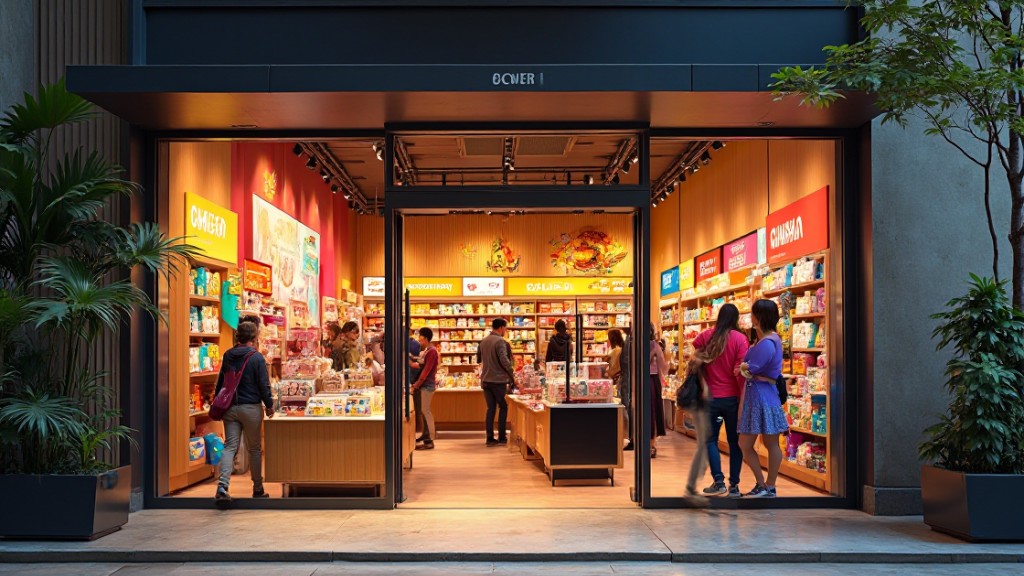
Retail marketing is more than just promoting products; it’s about building lasting relationships with your customers. By understanding their needs and preferences, you can create personalized experiences that resonate. Embracing both digital and traditional marketing strategies allows you to reach a wider audience while fostering community connections.
As you adapt to emerging trends and consumer behaviors, remember that sustainability and technology are key players in today’s market. By integrating these elements into your retail marketing strategies, you can not only stand out from competitors but also align your brand with values that matter to your customers. Stay innovative and keep your audience at the heart of your efforts for lasting success.
Frequently Asked Questions
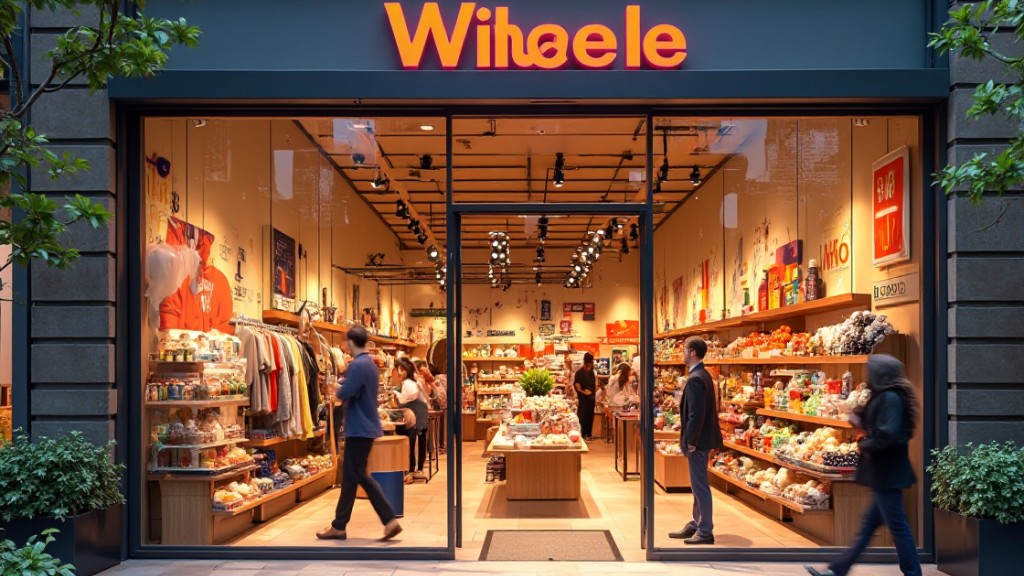
What is retail marketing?
Retail marketing involves strategies businesses use to promote their products and engage with consumers effectively. It combines creative approaches and data-driven insights to capture attention and encourage purchases, aiming to build long-term customer relationships.
Why is understanding your audience important in retail marketing?
Knowing your audience helps businesses tailor their marketing strategies to meet consumer needs. By understanding demographics, shopping habits, and preferences, retailers can create personalized campaigns that resonate with customers, ultimately driving sales and loyalty.
How can small businesses compete with larger retailers in marketing?
Small businesses can compete by developing unique marketing strategies that focus on personalized experiences and community engagement. Leveraging in-store events, exceptional customer service, and targeted digital marketing can help them stand out and attract loyal customers.
What role does social media play in retail marketing?
Social media is essential for retail marketing as it allows businesses to connect with their audience, promote products, and share engaging content. Targeted ads and promotions on platforms like Facebook and Instagram enhance brand visibility and drive traffic to stores or websites.How can in-store experiences enhance retail marketing?
In-store experiences, such as product demonstrations and events, create memorable interactions that engage customers. These experiences foster connections and encourage purchases by allowing consumers to connect with the brand and products in a tangible way.
What factors influence consumer purchasing decisions?
Purchase decisions are influenced by several factors, including emotional triggers, perceived value, social proof, and brand reputation. Understanding these influences helps retailers craft effective marketing messages that resonate with shoppers and drive sales.
Why is sustainability important in retail marketing?
Sustainability is increasingly important as consumers prefer brands that demonstrate environmental responsibility. By incorporating sustainable practices and promoting ethical sourcing, businesses can enhance their reputation and align with consumer values, leading to increased loyalty and sales.
How can emerging technologies benefit retail marketing?
Emerging technologies, such as AI and machine learning, enable businesses to provide personalized customer experiences by analyzing data and predicting consumer behavior. Utilizing these technologies can optimize marketing efforts and give retailers a competitive advantage in a fast-changing landscape.
Image via Google Gemini