Key Takeaways
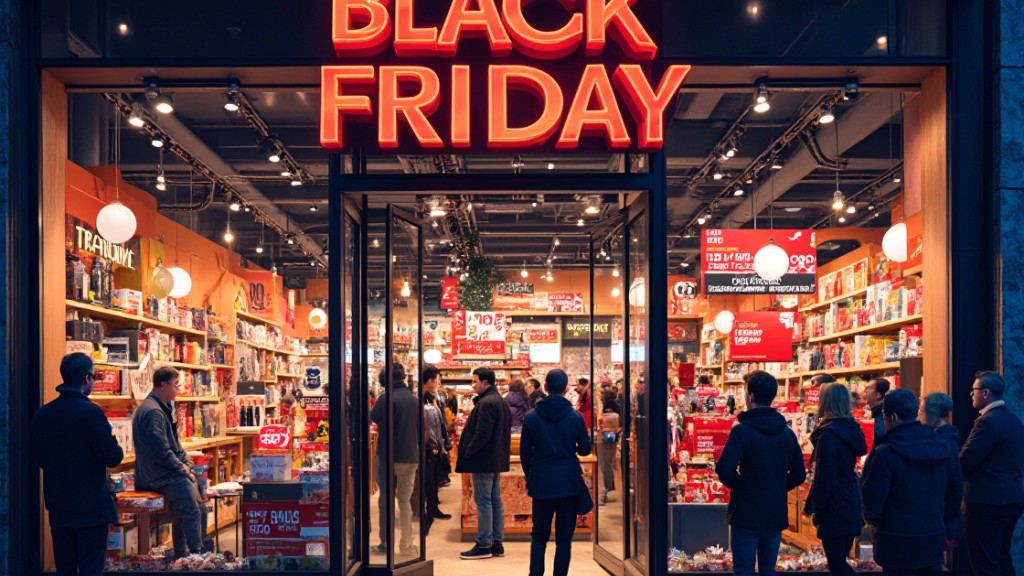
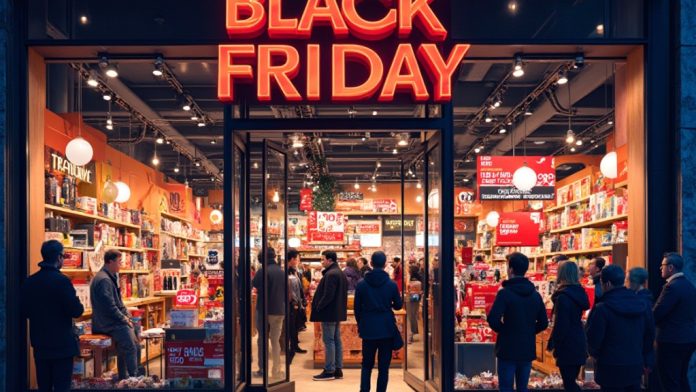
- Understanding Black Friday: Black Friday is the unofficial start of the holiday shopping season in the U.S., marked by significant discounts and sales, making it vital for both consumers and retailers.
- Cultural Significance: Beyond consumerism, Black Friday has evolved into a cultural event, fostering community engagement and supporting local businesses through unique promotions and events.
- Historical Context: The term “Black Friday” has diverse origins, from a financial crisis in 1869 to traffic chaos in Philadelphia during the 1960s, highlighting its transformation into a major shopping day.
- Economic Impact: Black Friday significantly boosts retail sales—consumers spent approximately $9.12 billion online in 2022—making it essential for both large retailers and small businesses to optimize their sales strategies.
- Effective Shopping Strategies: To maximize savings on Black Friday, shoppers should plan ahead with wishlists, check prices in advance, set budgets, and consider supporting small businesses for unique finds.
- Safety Precautions: Online shopping can mitigate crowds, but shoppers should prioritize security by using safe payment methods and staying vigilant against scams to ensure a smooth shopping experience.
Black Friday marks the unofficial start of the holiday shopping season, drawing millions of eager shoppers into stores and online. This annual event, celebrated the day after Thanksgiving in the United States, is known for its incredible deals and doorbuster sales that can make even the most budget-conscious shopper’s heart race.
But what exactly is Black Friday? It’s more than just a day of discounts; it’s a cultural phenomenon that has evolved over the years. From its humble beginnings to becoming a global shopping extravaganza, understanding Black Friday can help you navigate the frenzy and snag the best bargains. Whether you’re a seasoned shopper or new to the game, knowing the ins and outs of this shopping holiday is key to making the most of your experience.
What Is Black Friday?

Black Friday marks the unofficial start of the holiday shopping season in the United States, occurring the day after Thanksgiving. This event features substantial discounts and doorbuster sales, drawing millions of enthusiastic shoppers. Black Friday isn’t solely focused on consumerism; it has grown into a cultural phenomenon, influencing marketing strategies across various sectors, including small businesses.
Small businesses often leverage Black Friday to boost sales and build customer relationships. By offering unique promotions and local deals, they attract shoppers looking for specific products. Understanding the dynamics of Black Friday equips you to navigate the event effectively and secure the best deals, whether you’re shopping at major retailers or supporting small businesses.
History of Black Friday
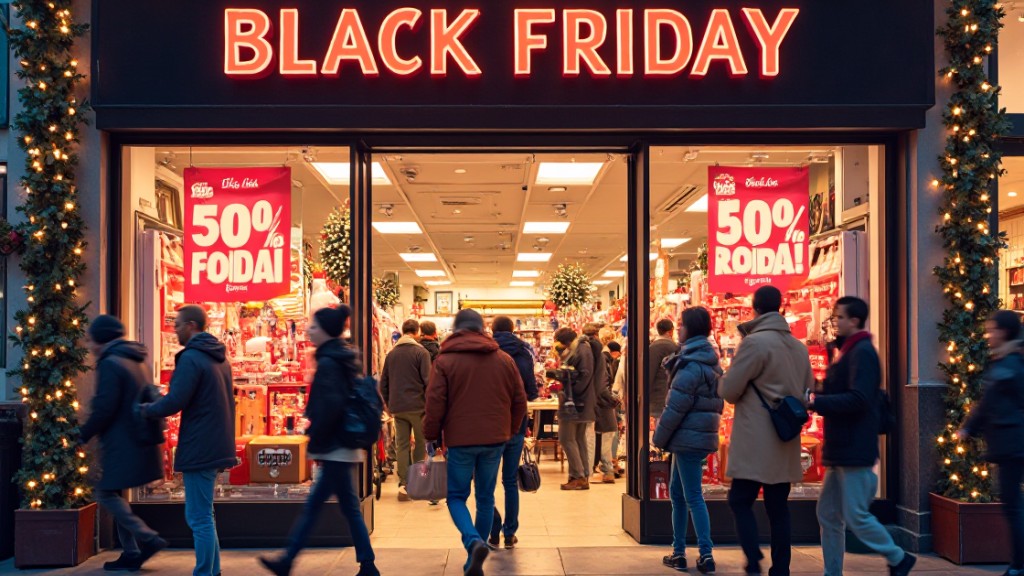
Black Friday has a rich history that spans financial turmoil and retail chaos, transforming into a major shopping event. Understanding its origins and evolution provides valuable insights into today’s marketing strategies, especially for small businesses.
Origins of the Term
The term “Black Friday” has two significant origins. The first dates to September 24, 1869, when a financial crisis struck due to an attempt by Jay Gould and James Fisk to manipulate the gold market, leading to a market crash. This event devastated many investors and introduced the term to the financial lexicon. The second origin occurred in the 1960s in Philadelphia, where the police coined “Black Friday” to describe the massive congestion and disorder created by shoppers flocking to post-Thanksgiving sales and the Army-Navy football game.Evolution Over the Years
Over the years, Black Friday evolved from a day associated with financial crisis and chaos to a cultural phenomenon synonymous with holiday shopping. Retailers began to market this day heavily, introducing significant discounts that attracted millions of shoppers. By the 2000s, it gained worldwide recognition, with online retailers joining the fray, expanding the reach of Black Friday shopping. Small businesses also adopted Black Friday as a vital marketing tool, offering unique promotions to attract local customers and enhance community relations.Significance of Black Friday
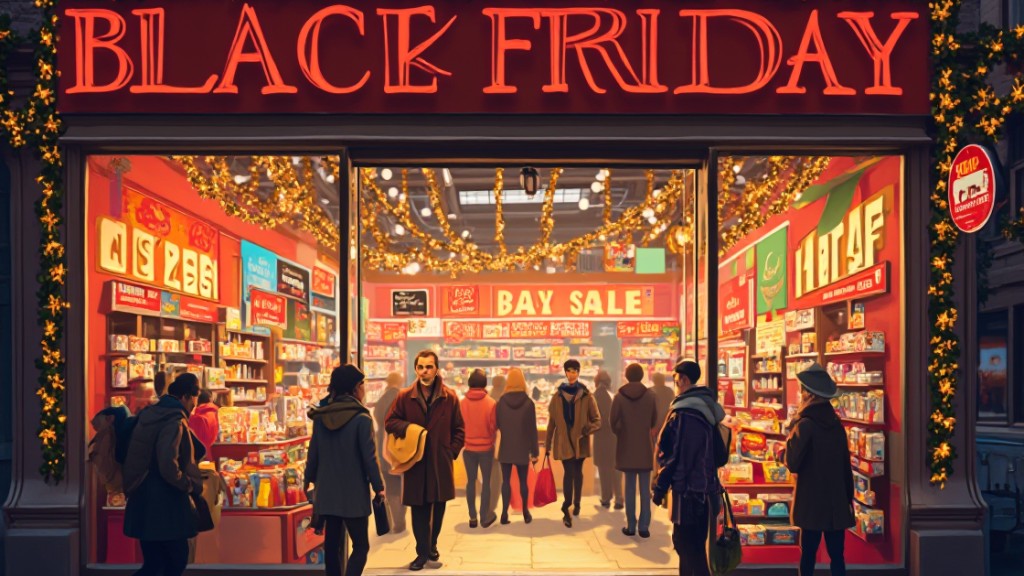
Black Friday holds substantial importance in both the economy and popular culture. This day marks a vital opportunity for retailers and small businesses alike to maximize sales during the holiday season.
Economic Impact
Black Friday significantly boosts economic activity in the United States. Many retailers report increased sales, often surpassed only during the holiday season. In 2022, consumers spent approximately $9.12 billion online on Black Friday alone. This surge in spending contributes to the overall growth of the retail sector, making the day essential for retailers seeking to enhance profit margins. Small businesses also find value in this day; they utilize strategic marketing efforts to attract customers, offering promotions that differentiate them from larger competitors.
Cultural Relevance
Black Friday has evolved into a cultural phenomenon that transcends shopping. It fosters a sense of community as people gather to search for deals, share information about discounts, and participate in a shopping tradition. This engagement often extends to local events hosted by small businesses, creating unique shopping experiences that honor local culture. Marketing strategies are crucial for attracting shoppers, with many businesses leveraging social media and other channels to create buzz ahead of the event. Thus, Black Friday is not only a day of commerce but also a catalyst for cultural engagement and community building.
Black Friday Sales and Promotions
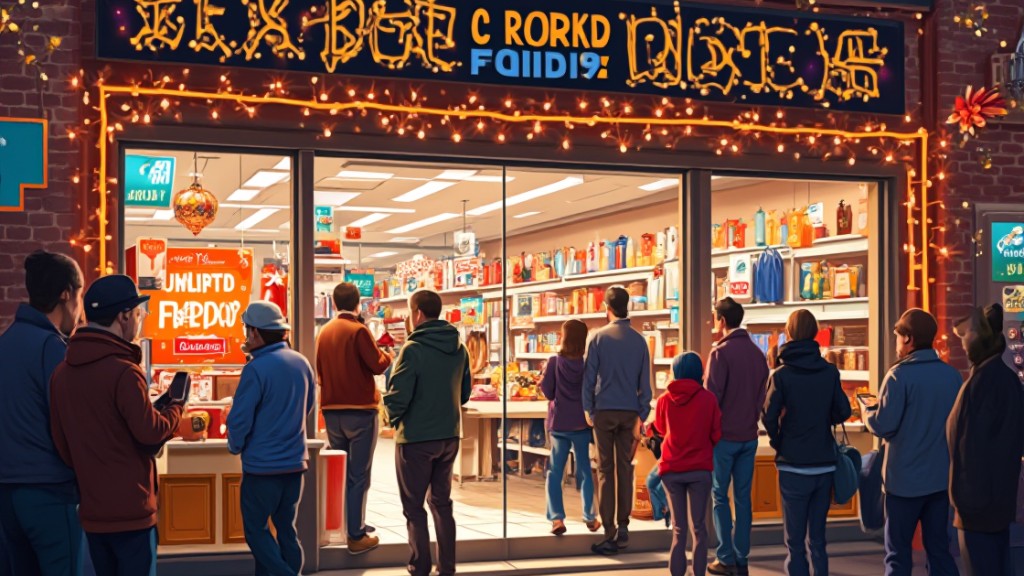
Black Friday features significant sales and promotions that attract millions of consumers each year. Major retailers and small businesses alike ramp up their marketing efforts, creating an intense shopping atmosphere.
Common Discounts
Common discounts on Black Friday include price reductions of 20% to 70% across various product categories. Electronics, clothing, and home goods frequently see the most substantial markdowns. Retailers often advertise exclusive doorbuster deals, which create urgency and entice shoppers to arrive early. These strategies maximize visibility, driving foot traffic and online visits, particularly for small businesses that rely on unique promotions to compete against larger retailers.
Retailer Participation
Retailer participation in Black Friday has grown significantly over the years. Many large retailers open their doors well before dawn, while some even start sales on Thanksgiving Day itself. Small businesses also participate, often employing creative marketing campaigns to attract local customers. Utilizing social media platforms, these businesses communicate their promotions effectively, enhancing customer engagement. By embracing the Black Friday spirit, small businesses capitalize on the surge of shoppers eager to find great deals during this peak shopping period.Tips for Black Friday Shopping
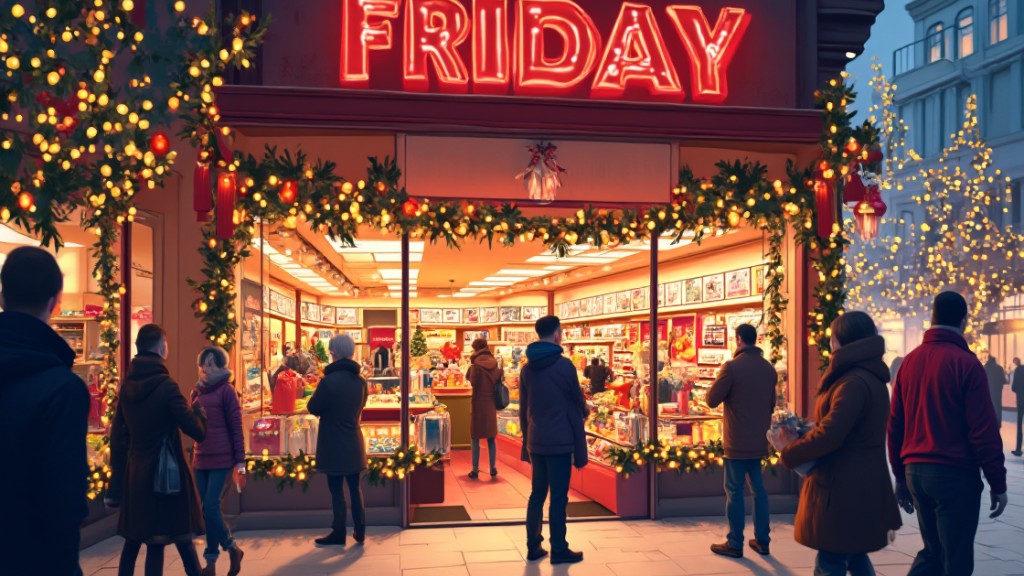
Preparation and strategy significantly enhance your Black Friday shopping experience. Utilize these tips to navigate sales and maximize savings effectively.
Planning Ahead
- Create a Wishlist: Formulate a detailed list of items you want before shopping. Maintaining a wishlist prevents impulse buying and helps you focus on necessary purchases. Check Prices in Advance: Research product prices ahead of Black Friday. Monitoring trends allows you to identify real deals. Subscribe to newsletters and follow Amazon on social media for early access to deals.
- Set a Budget: Determine your spending limit before you start shopping. Setting a budget helps you avoid overspending and keeps your shopping process stress-free.
- Prioritize Small Businesses: Recognize that small businesses often provide unique deals and customer experiences. Supporting local shops not only enhances your shopping variety but also promotes community growth.
Staying Safe
- Shop Online if Possible: Avoid large crowds by shopping online. Many retailers offer similar discounts through their websites, making online shopping efficient and safe.
- Protect Your Personal Information: Use secure payment methods while shopping online, like credit cards or trusted payment services. Always ensure websites have SSL certificates for added security.
- Stay Aware of Scams: Be cautious of deals that seem too good to be true. Familiarize yourself with reputable retailers and verify suspicious offers before making purchases.
Conclusion

Black Friday isn’t just a shopping day; it’s a cultural event that brings people together in search of great deals. As you prepare for this annual tradition, remember the history and significance behind it. By understanding its evolution and impact on both large retailers and small businesses, you can make informed decisions that benefit you and your community.
Embrace the excitement of Black Friday while keeping your shopping strategies in mind. With careful planning and a focus on local businesses, you can enjoy a rewarding shopping experience that goes beyond mere discounts. Whether you’re hunting for the latest gadgets or unique gifts, this day offers a chance to connect with others and make the most of the holiday season.
Frequently Asked Questions
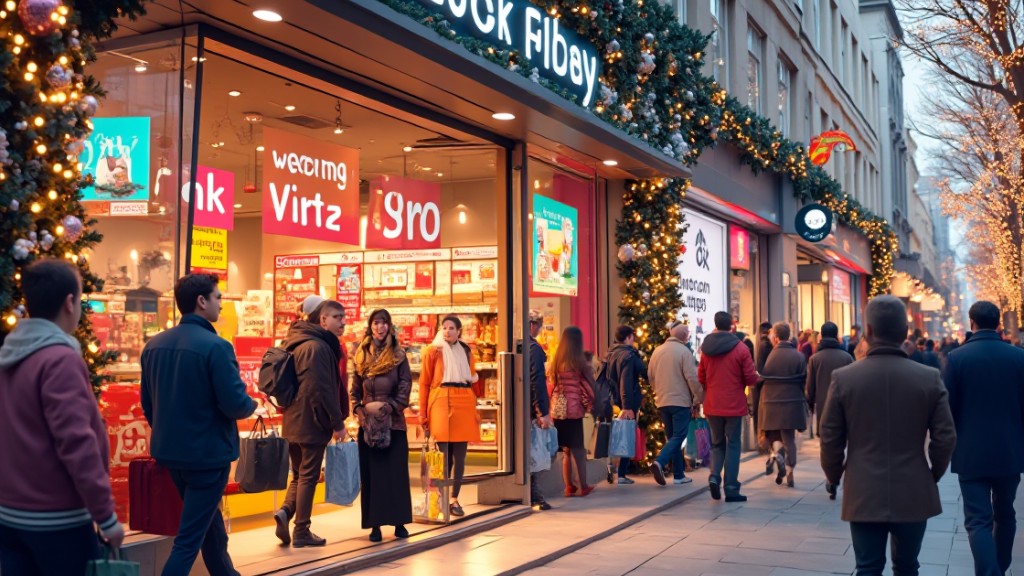
What is Black Friday?
Black Friday is the day after Thanksgiving in the United States, marking the unofficial start of the holiday shopping season. It is known for significant discounts, doorbuster deals, and a shopping rush that attracts millions of shoppers each year.
Why is Black Friday important for small businesses?
Small businesses use Black Friday to boost sales and strengthen customer relationships by offering unique promotions and local deals. This day helps them compete against larger retailers and engage the community.
How did Black Friday start?
Black Friday’s origins trace back to a financial crisis in 1869. It later evolved into a chaotic shopping day in Philadelphia during the 1960s and has since become a globally recognized shopping event.What economic impact does Black Friday have?
In 2022, consumers spent around $9.12 billion online during Black Friday, showcasing its significant impact on retailers’ sales and the overall economy. It is a crucial day for both large and small businesses.
What are some tips for shopping on Black Friday?
To maximize savings, create a wishlist, check prices in advance, set a budget, and consider shopping online. Prioritize small businesses for unique deals, and ensure secure payment methods to avoid scams.
Image via Google Gemini