When you look at the point of sale (POS) market, you’ll find that a few key companies dominate with significant market shares. Square and Toast are leading the charge, each catering to specific industries and customer needs. Their innovative solutions improve payment processing and customer engagement. As you explore these major players, you’ll notice how they shape the future of payment technologies and influence various sectors. What strategies are they employing to maintain their edge?
Key Takeaways
- Square holds the largest market share at 26.90%, with over 47,000 customers, primarily serving small businesses.
- Toast follows with a 22.95% market share, specializing in POS solutions for the restaurant industry.
- Retail Sales Manager captures 11.87% of the market, catering to various business types with nearly 21,000 customers.
- Clover has a 6.43% market share, offering versatile POS solutions adaptable to different business needs.
- Lightspeed accounts for 5.66% of the market, focusing on advanced inventory management and retail solutions.
Overview of the POS Market Landscape
As the global economy continues to recover, the Point of Sale (PoS) market is experiencing significant growth, projected to reach a value of USD 81.15 billion by 2030. This expansion reflects a compound annual growth rate (CAGR) of 15.8% from 2023 to 2030.
In 2022, the market was valued at USD 25.28 billion, recovering from the COVID-19 impact with an expected growth to USD 29.02 billion in 2023. The environment is dominated by some of the largest PoS companies, including Square, Toast, and Shopify, with Square holding a substantial market share of 26.90%.
Curiously, the top 10 PoS systems cater primarily to smaller businesses, as evidenced by 82,855 companies with 0-9 employees using these solutions.
North America, especially the United States, leads in PoS technology adoption, accounting for 79.03% of the total customer base, highlighting the region’s significant role in the market.
Key Players in the POS Market
The Point of Sale (PoS) market is shaped by several key players that greatly influence its direction and growth.
With the demand for popular POS systems rising, companies are stepping up to capture market share. Here are some of the largest point of sale Shopify companies driving this industry:
- Square: Leading with a 26.90% market share and over 47,000 customers, it’s a favorite among small businesses.
- Toast: Close behind with a 22.95% market share and 40,380 customers, it specializes in the restaurant sector.
- Retail Sales Manager: Holding an 11.87% market share, it caters to various business types.
Additionally, POS machine manufacturers like Oracle, Ingenico, and NCR Corporation play vital roles by providing hardware and software solutions.
The market is projected to reach USD 81.15 billion by 2030, highlighting the ongoing evolution in payment technologies.
Features and Innovations of Leading POS Systems
When exploring the features and innovations of leading POS systems, you’ll find that advanced payment solutions play a vital role in enhancing transaction efficiency.
Many systems likewise offer robust inventory management capabilities, ensuring you can track stock levels accurately and streamline operations.
User-friendly interfaces are fundamental, making it easier for staff to navigate the system, in the end improving customer service and overall business performance.
Advanced Payment Solutions
In today’s fast-paced retail environment, advanced payment solutions are essential for businesses looking to improve operational efficiency and customer satisfaction.
Leading point of sale machine manufacturers are incorporating innovative features that streamline transactions and bolster security. Here are three notable advancements:
- Contactless Payments: Customers prefer quick and safe transactions, driving the demand for this feature among pos terminal manufacturers.
- Cloud-Based Solutions: These allow real-time access to sales data and reporting, enabling informed decision-making from any location, a trend embraced by top pos manufacturers.
- E-commerce Integration: Systems like Shopify POS synchronize online and in-store sales, simplifying inventory management and ensuring a cohesive customer experience.
These advancements reflect the ongoing evolution in the POS industry, highlighting the commitment of manufacturers to meet modern retail needs.
Inventory Management Capabilities
Effective inventory management is crucial for businesses aiming to improve their operations and reduce costs. Leading POS systems like Lightspeed Retail provide advanced features such as real-time tracking and automated stock replenishment, helping you maintain ideal inventory levels.
Square POS allows you to categorize products and set low-stock alerts, ensuring timely restocking. For the food service industry, Toast integrates menu items with stock levels, which minimizes food waste and streamlines kitchen operations.
Clover POS offers customizable options, including multi-location inventory tracking, customized to your specific needs. Finally, Revel Systems provides thorough reporting and sales trend analysis, perfect for managing extensive product lines.
Utilizing these capabilities can greatly improve your inventory management efficiency and effectiveness.
User-Friendly Interfaces
User-friendly interfaces in POS systems greatly elevate the overall experience for businesses and their customers. With intuitive designs, these systems streamline operations, making it easier to manage sales and inventory.
Here are some key features:
- Customizable Dashboards: Clover allows you to tailor the interface to your specific needs, boosting flexibility and engagement.
- Real-Time Inventory Syncing: Shopify POS integrates with its e-commerce platform, ensuring consistent customer profiles and inventory levels across channels.
- Advanced Management Tools: Lightspeed Retail’s dashboard offers efficient tracking of stock levels and sales trends, aiding better decision-making.
Additionally, features like offline mode in Square and tableside ordering in Toast reduce errors and improve transaction accuracy, contributing to an enhanced customer experience overall.
Market Share Distribution Among Top POS Companies
As businesses increasingly rely on point-of-sale (POS) systems to streamline transactions and improve customer experiences, comprehending market share distribution among the top companies becomes essential.
Currently, Square leads the sector with a substantial 26.90% market share and a customer base of 47,331, showcasing its strong foothold. Following closely is Toast, capturing 22.95% of the market and serving 40,380 customers, particularly excelling in the restaurant industry.
Retail Sales Manager holds an 11.87% share with 20,888 customers, indicating its targeted appeal to specific retail sectors. Clover, with a 6.43% market share and 11,314 customers, demonstrates versatility across various business types.
Finally, Lightspeed, sitting at 5.66% and 9,958 customers, positions itself as a strong candidate for businesses needing advanced inventory management solutions.
Grasping these figures can help you make informed decisions when selecting a POS system for your business needs.
Customer Engagement Strategies in the POS Industry
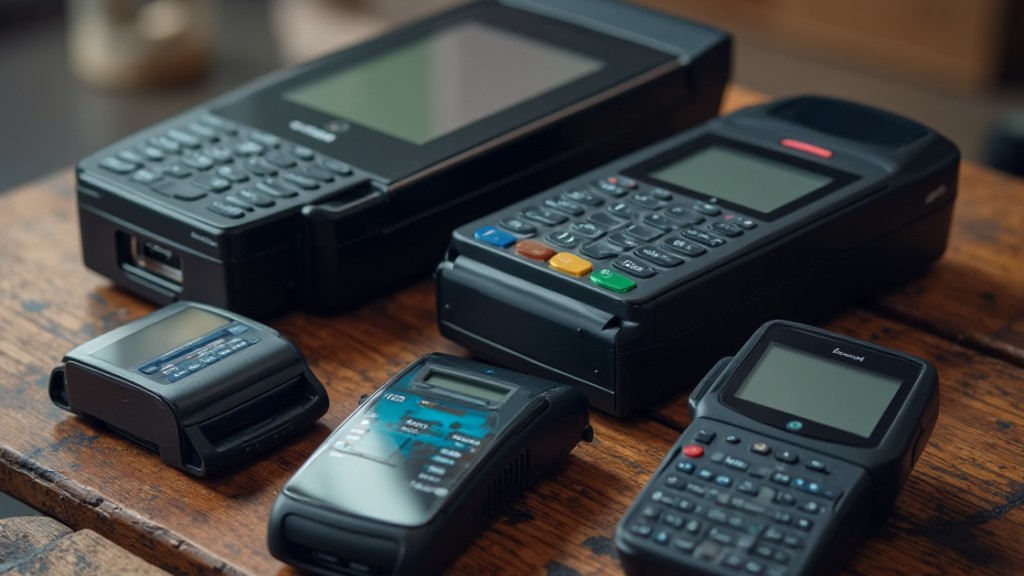
In the POS industry, effective customer engagement strategies hinge on personalization through data analytics and multi-channel communication.
You’ll find that Microsoft is leveraging insights from customer behavior to tailor their offerings, which improves loyalty and satisfaction.
Furthermore, integrating loyalty programs within POS systems plays a key role in encouraging repeat business and nurturing lasting relationships with customers.
Personalization Through Data Analytics
With the rise of data analytics, businesses in the POS industry are transforming customer engagement strategies to create more personalized experiences. By analyzing purchasing habits and preferences, companies can tailor their services effectively.
Here are three ways data analytics improves personalization:
- Targeted Marketing: Businesses can craft personalized campaigns, leading to higher retention rates and increased sales.
- Real-Time Insights: Access to immediate data allows you to make informed decisions that boost customer satisfaction.
- Loyalty Programs: Utilizing customer data helps in developing loyalty programs that resonate with individual needs, encouraging repeat business.
Integrating customer feedback with analytics nurtures long-term relationships, ensuring that your offerings align with specific customer requirements, eventually driving operational efficiency and satisfaction.
Multi-Channel Engagement Strategies
To effectively engage customers, businesses in the POS industry must adopt multi-channel engagement strategies that leverage various communication platforms.
By utilizing customer feedback and analytics, you can improve service offerings and better understand customer behavior. This approach allows for personalized marketing strategies customized to individual needs, nurturing long-term relationships and boosting customer loyalty.
Emphasizing multi-channel engagement enables you to connect with customers through email, social media, and in-store interactions, creating a seamless experience.
Moreover, leveraging data-driven insights helps you design targeted campaigns and promotions, ensuring your engagement efforts are relevant and effective.
As you implement these strategies, you’ll likely see improved customer satisfaction and retention, eventually driving repeat sales and improving overall business performance.
Loyalty Program Integration
Integrating loyalty programs into POS systems has become a significant strategy for enhancing customer engagement in today’s competitive market. By allowing businesses to track purchase history, these systems reward repeat customers, which can lead to increased sales and retention.
Here are some key benefits:
- Increased Purchases: Research shows a 20% rise in repeat purchases when loyalty programs are implemented through POS systems.
- Higher Transaction Size: Businesses experience a 15% boost in average transaction size, thanks to personalized rewards based on spending habits.
- Streamlined Experience: Integration simplifies the redemption process, making it easier for customers to earn and use rewards, ultimately improving their shopping experience.
With companies like Toast and Square leading the way, you can leverage these insights for better customer engagement.
Future Trends in Point of Sale Technologies
As businesses increasingly prioritize efficiency and customer satisfaction, the future of Point of Sale (POS) technologies is set to evolve considerably.
The global POS market is projected to reach USD 81.15 billion by 2030, with a robust compound annual growth rate of 15.8% from 2023 to 2030. A significant trend is the rising adoption of cashless and contactless payment methods, fueled by the need for convenience and security.
Companies are improving customer experiences through improved transaction accuracy and reduced billing errors, integrating advanced technologies into their POS systems. This shift in the direction of electronic payment methods reflects a desire to streamline operations while prioritizing customer convenience.
Future innovations will likely focus on integrating various business operations, enabling better inventory management and improved customer engagement through analytics.
These trends indicate a dynamic evolution in POS technologies, aiming to meet the demands of modern consumers and businesses alike.
Frequently Asked Questions
What Is the Biggest POS Company?
The biggest POS company currently is Square, which holds a substantial market share of 26.90%. It serves over 47,331 customers across various industries, providing a range of payment solutions.
Following closely is Toast, with a 22.95% market share, primarily focusing on the restaurant sector.
Other notable players include Retail Sales Manager and Clover, which cater to specific business needs.
The global POS market is expected to grow considerably, reflecting increased demand.
What Is the Number 1 POS System?
The number one POS system currently is Square, which holds a market share of 26.90% and serves over 47,331 customers.
Its user-friendly interface and extensive features make it a popular choice among businesses.
Following closely is Toast, with a 22.95% share, designed for restaurants.
Other notable systems include Retail Sales Manager, Clover, and Lightspeed, each offering unique functionalities customized to different industry needs, ensuring various options for businesses seeking POS solutions.
What POS Does Chick-Fil-A Use?
Chick-Fil-A uses the Oracle MICROS POS system, designed particularly for hospitality operations. This system streamlines order processing, manages menus, and improves customer service efficiency across all locations.
With its robust integration capabilities, Oracle MICROS supports inventory management and provides detailed reporting for performance analysis.
What POS Do Mcdonald’s Use?
McDonald’s uses the Oracle MICROS POS system, which is particularly designed for the hospitality industry.
This system offers features like menu customization, real-time reporting, and seamless integration with Oracle’s other services. You’ll find that it improves operational efficiency, especially in managing high transaction volumes.
The cloud-based solutions streamline order processing, kitchen management, and inventory tracking, all crucial for maintaining fast service in McDonald’s extensive global network of restaurants.
Conclusion
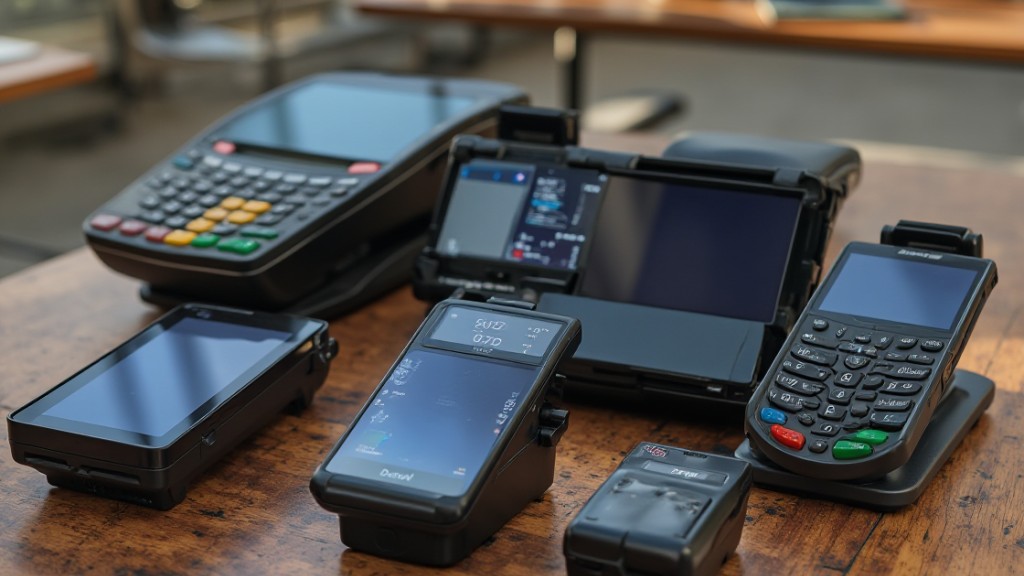
To summarize, the POS market is characterized by strong competition among leading companies like Square and Toast, which dominate with innovative solutions customized to diverse industries. As customer engagement becomes increasingly essential, these firms are enhancing their offerings through advanced technologies and integrated systems. The future of POS technology promises further evolution, driven by ongoing trends in cloud computing and customer loyalty programs. Comprehending these dynamics can help businesses choose the right POS solutions for their needs.
Image via Google Gemini