Key Takeaways
- Cloud Retail Revolution: Embracing cloud retail is essential for businesses to streamline operations, scale efficiently, and enhance customer experiences in a competitive market.
- Real-Time Data Access: Utilizing cloud technology enables retailers to access real-time data, allowing for informed decision-making, improved inventory management, and personalized marketing strategies.
- Cost Efficiency and Scalability: The pay-as-you-go model of cloud retail significantly reduces upfront costs while providing the flexibility to adjust resources according to demand, optimizing budget allocation.
- Enhanced Customer Experiences: Personalization through cloud retail allows businesses to tailor offerings based on customer preferences, leading to higher conversion rates and increased customer loyalty.
- Security and Integration Challenges: Small retailers must address security concerns and ensure seamless integration of cloud solutions with existing systems to protect sensitive data and maintain operational efficiency.
- Future Trends: Leveraging multi-cloud environments and integrating AI technologies will be crucial for businesses to enhance personalization, optimize inventory, and ultimately thrive in the evolving retail landscape.
In today’s fast-paced retail landscape, adapting to change is crucial. Cloud retail is revolutionizing how businesses operate, allowing you to streamline processes and enhance customer experiences like never before. By leveraging cloud technology, retailers can access real-time data, manage inventory efficiently, and personalize marketing strategies to meet evolving consumer demands.
Imagine having the ability to scale your operations effortlessly, reduce costs, and improve collaboration across teams—all while providing a seamless shopping experience for your customers. As more retailers embrace this digital transformation, understanding the benefits of cloud retail becomes essential for staying competitive in the market. Let’s dive into how cloud retail is reshaping the industry and what it means for your business.
Overview of Cloud Retail
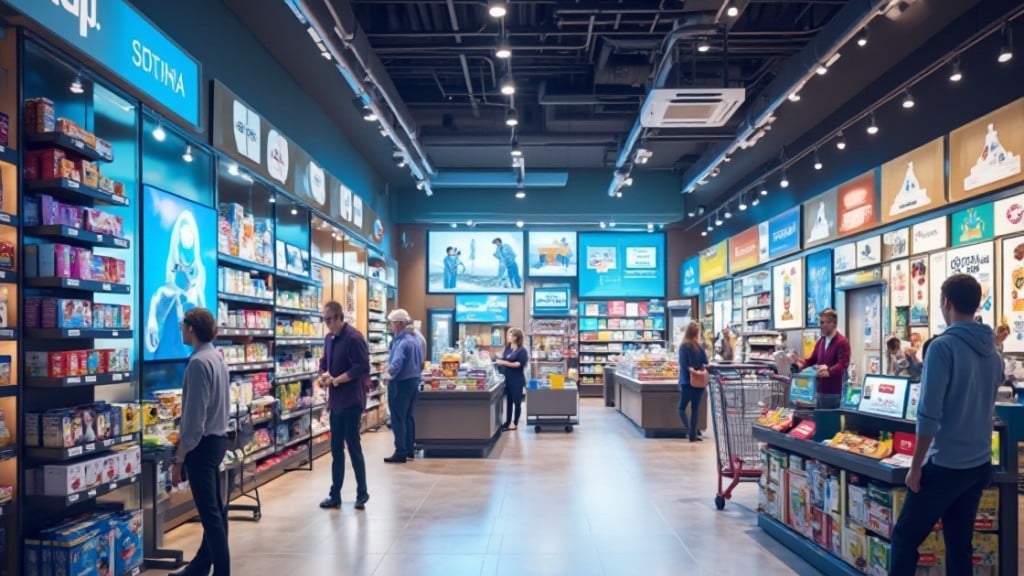
Cloud retail represents a significant shift for small businesses in the retail sector. It leverages cloud computing to enhance operational efficiency, making it easier for you to manage your inventory, sales, and customer relationships.
Cloud technology allows you to access real-time data, enabling informed decision-making. You can track sales trends and customer preferences instantly, which leads to better inventory management and tailored marketing strategies. Personalization becomes more efficient; you can reach your customers with targeted promotions based on their behavior.
You also benefit from scalable solutions. As your small business grows, cloud retail provides the flexibility to expand operations without substantial upfront investments in hardware. This pay-as-you-go model reduces costs, allowing you to allocate resources to other growth areas.
Collaboration among teams improves, too. With cloud-based tools, your staff can work together seamlessly, regardless of location. This remote access to essential systems fosters better communication and faster problem-resolution, enhancing your overall customer experience.
As you embrace cloud retail, staying competitive becomes achievable, positioning your small business for success in an increasingly digital marketplace.
Key Features of Cloud Retail
Cloud retail offers essential advantages for small businesses looking to thrive in a competitive market. Understanding these features helps you leverage cloud solutions to enhance your retail operations.
Scalability
Scalability stands as a crucial feature of cloud retail solutions for small businesses. Cloud computing lets you adjust IT resources rapidly to accommodate fluctuating demand, especially during peak shopping seasons. You can scale resources up or down without large upfront investments in hardware; this flexibility means you don’t face the burden of unused resources during slower months. When traffic and data spikes occur, cloud retail enables you to add servers or resources effortlessly to maintain performance. This responsive approach ensures your business remains agile and capable of meeting customer demands.
Cost Efficiency
Cost efficiency serves as another vital benefit of cloud retail for small businesses. Cloud computing reduces the necessity for extensive physical infrastructure, leading to significant savings. You can take advantage of the pay-as-you-go model, which alleviates upfront costs and provides financial leeway as your business grows. This model proves especially beneficial for small retailers looking to optimize budgets while still accessing advanced technology. Realizing these cost efficiencies allows you to allocate resources towards enhancing your customer experience and expanding your business capabilities.
Benefits of Cloud Retail
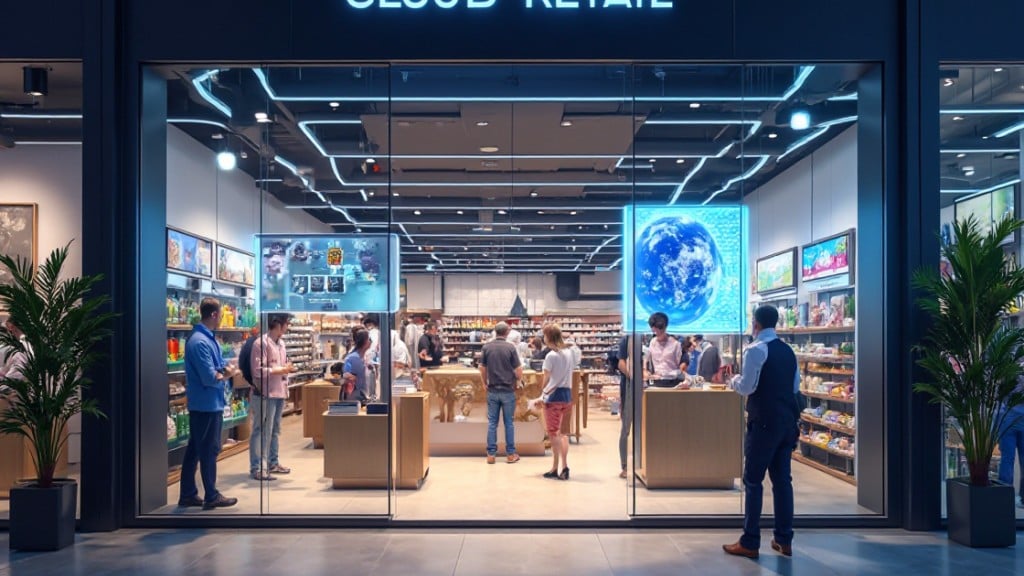
Cloud retail offers significant advantages for small businesses. With cloud solutions, you can enhance operational efficiency, improve customer interactions, and manage your inventory effectively.
Enhanced Customer Experience
Cloud retail enables personalized shopping experiences, allowing you to tailor offerings based on customer preferences and behaviors. By analyzing real-time data, you can understand what your customers want, improving your marketing strategies. For instance, effective targeting can lead to higher conversion rates as you engage customers with relevant promotions or product recommendations. Providing swift service through cloud-based systems enhances customer satisfaction, boosting loyalty and repeat business.
Improved Inventory Management
Cloud technology optimizes inventory management by providing real-time insights into stock levels. You can track sales trends, predict demand accurately, and reduce overstock or stockouts. This efficiency prevents potential losses, as you align stock levels with actual customer demand. Furthermore, cloud solutions allow you to automate reorder processes, ensuring that your inventory is always up-to-date. For small retailers, efficient inventory management directly contributes to profitability, making it easier to adapt quickly to market changes.
Challenges in Cloud Retail
Cloud retail enhances operations but presents unique challenges for small businesses. Addressing these challenges ensures smooth operations and protection of assets.
Security Concerns
Security risks pose significant challenges for small retail businesses. Data exposure and breaches jeopardize sensitive information like customer details, purchase histories, and credit card numbers, making you vulnerable to cybercriminals. In 2022 alone, around 50% of small retailers reported experiencing data breaches, damaging customer trust and brand reputation. Protecting your data requires implementing robust security measures.
Complex cloud architectures exacerbate these security concerns. Utilizing multi-cloud strategies complicates tracking sensitive data, increasing the risk of misconfigurations and unintended data exposure. Small retailers must prioritize regular audits of cloud environments to ensure data remains secure.
Integration with Existing Systems
Integrating cloud solutions with existing retail systems poses another challenge. You may find that legacy systems struggle to communicate with new cloud applications, leading to inefficiencies. This lack of seamless integration can affect inventory management and customer service, hindering your business’s overall performance. Streamlining these connections is crucial for maximizing the benefits of cloud retail technology.
Choosing cloud solutions that prioritize compatibility with your existing infrastructure simplifies integration and ensures you leverage modern tools effectively. Emphasizing tailored solutions and user training enhances the process, minimizing disruptions while transitioning to cloud systems.
By understanding and addressing these challenges, you can harness the full potential of cloud retail, ensuring a secure and efficient operation.
Future Trends in Cloud Retail
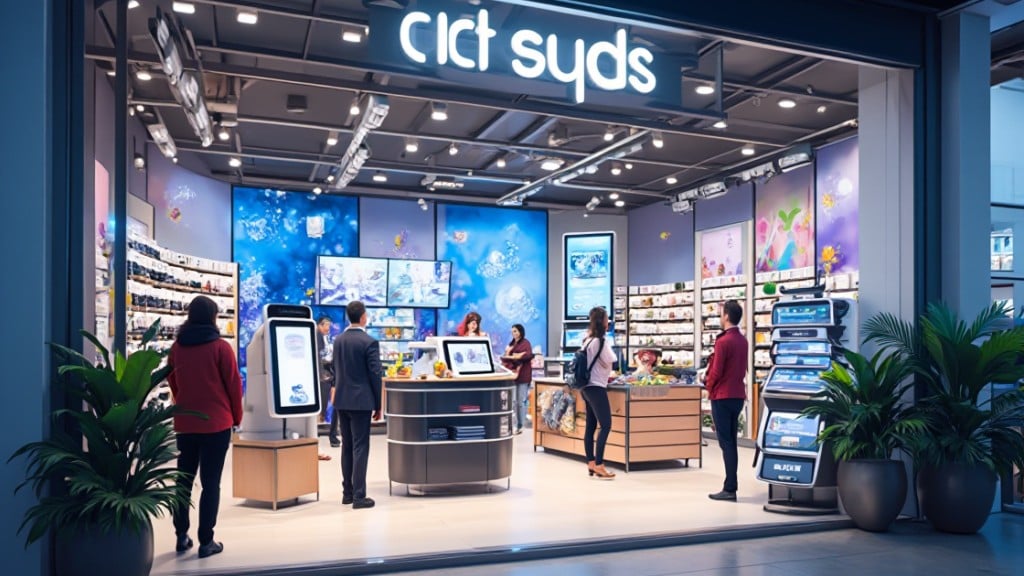
Cloud retail is undergoing significant transformations driven by technology advancements and evolving consumer behaviors. Small businesses, in particular, stand to benefit from these trends.
Multi-Cloud and Hybrid Environments
You can achieve greater flexibility by adopting multi-cloud and hybrid environments. This strategy reduces reliance on a single public cloud provider, mitigating risks associated with service outages or vendor lock-in. By leveraging the strengths of various cloud providers, such as Amazon Web Services (AWS), Azure, and Google Cloud Platform (GCP), small businesses can optimize resources and improve operational efficiency.
AI and Machine Learning Integration
AI and machine learning integration in cloud solutions is accelerating. These technologies enhance personalization for your customers, automating routine tasks and optimizing inventory management. Expect more personalized marketing campaigns, product recommendations, and tailored promotions that cater specifically to individual preferences. Implementing AI-driven solutions allows you to create a unique shopping experience that can resonate with your audience, fostering loyalty and increasing sales.
Embracing these future trends in cloud retail positions your small business to thrive in a competitive landscape, ensuring you’re prepared to meet the demands of today’s consumers.
Conclusion
Embracing cloud retail is essential for your business’s growth and adaptability in today’s market. By leveraging cloud technology, you can streamline operations and enhance customer experiences while managing costs effectively. The flexibility and scalability of cloud solutions empower you to respond to market demands swiftly, ensuring you’re always one step ahead.
As you navigate the challenges of security and integration, focusing on the right cloud solutions will enable you to maximize your operational efficiency. With the future trends in cloud retail, including AI and multi-cloud strategies, you’re well-positioned to meet evolving consumer expectations. Adopting these innovations will not only strengthen your business but also foster lasting customer loyalty.
Frequently Asked Questions
What is cloud retail?
Cloud retail refers to using cloud technology in the retail industry to manage operations, inventory, and customer relationships. It allows retailers to access real-time data and streamline processes, enhancing efficiency and customer experience.
How does cloud technology benefit small retailers?
Cloud technology benefits small retailers by providing access to real-time data for inventory management, reducing upfront costs through a pay-as-you-go model, and allowing flexibility to scale operations as needed. This improves operational efficiency and enhances customer interactions.
What are the key features of cloud retail?
Key features of cloud retail include scalability, cost efficiency, real-time data access, and improved collaboration among teams. These features help retailers adjust to market demands, reduce infrastructure costs, and enhance the customer shopping experience.
How does cloud retail enhance customer interactions?
Cloud retail enhances customer interactions by allowing retailers to analyze real-time data on customer preferences and behaviors. This information helps tailor marketing strategies and create personalized shopping experiences, improving customer loyalty and conversion rates.
What challenges do small retailers face with cloud retail?
Small retailers may face challenges like data security concerns, integration complexities with legacy systems, and learning curves for employees. Choosing compatible cloud solutions and providing user training are crucial for overcoming these challenges.
What future trends are expected in cloud retail?
Future trends in cloud retail include the adoption of multi-cloud and hybrid environments for increased flexibility, along with integrating AI and machine learning. These advancements will enhance customer personalization, automate tasks, and optimize inventory management, helping retailers stay competitive.
Image via Google Gemini