Key Takeaways

- Choose the Right E-Commerce Platform: Evaluate user-friendliness, scalability, and pricing of platforms like Shopify or WooCommerce to ensure they meet your business needs.
- Set Up Domain and Hosting: Select a memorable domain name and a reliable hosting provider, ensuring your online store performs well and provides a positive shopping experience.
- Design for User Experience: Prioritize a clean layout, high-quality images, intuitive navigation, and mobile optimization to enhance customer engagement and boost sales.
- Manage Products Effectively: Source quality products that align with market trends, and write compelling product descriptions that resonate with your audience to drive conversions.
- Implement Robust Payment and Shipping Solutions: Select diverse payment options and transparent shipping policies to enhance customer satisfaction and retention.
- Utilize Marketing Strategies: Leverage social media and email marketing to effectively promote your online store, connect with your audience, and encourage repeat purchases.
In today’s digital age, creating an online store is more than just a trend; it’s a necessity for anyone looking to tap into the vast world of e-commerce. Whether you’re a budding entrepreneur or an established business owner, launching an online store opens up endless opportunities to reach customers beyond your local market.
You might be wondering where to start or what steps to take. From choosing the right platform to designing an attractive layout, each decision shapes your store’s success. With the right guidance, you can transform your vision into a thriving online business that not only attracts visitors but also converts them into loyal customers. Let’s dive into the essentials of building your online store and setting yourself up for success.
Essential Steps for Creating an Online Store

Creating an online store requires careful planning and execution. You’ll need to follow specific steps to set up a successful retail presence in the digital marketplace.
Choosing the Right E-Commerce Platform
Choosing the right e-commerce platform is crucial for your online store’s success. Consider platforms like Shopify, WooCommerce, or BigCommerce, known for their user-friendliness and scalability. Evaluate your store’s needs, like payment options and inventory management, while checking for integrated marketing tools. Compare pricing structures and transaction fees to find a solution that fits your budget as a small business. Ensure that the platform provides responsive support for any technical issues that arise.
Setting Up Your Domain and Hosting
Setting up your domain and hosting is essential to launch your online store. Select a domain name that aligns with your brand and is easy for customers to remember. Register the domain through reputable registrars like GoDaddy or Namecheap. Choose a hosting provider that supports your e-commerce platform, ensuring high uptime and quick loading times. Look for hosting plans with scalability options, so your store can grow as your business expands. Proper configuration of your domain and hosting enhances your website’s performance and offers a better shopping experience for your customers.
Designing Your Online Store

Designing your online store requires careful consideration to create an appealing and user-friendly environment for your customers. Effective store design significantly impacts customer engagement and sales, particularly for small businesses looking to thrive in the retail landscape.
Importance of User Experience
User experience (UX) plays a vital role in retaining customers and driving sales. A positive UX encourages visitors to spend more time on your site and increases the likelihood of conversions. Factors such as site speed, navigation ease, and mobile responsiveness directly affect how users interact with your store. For small businesses, prioritizing UX contributes to building a loyal customer base, as satisfied shoppers are more likely to return and recommend your store to others.
Tips for Attractive Store Design
- Choose a Clean Layout: Select a layout that is simple and organized. Clear categories and product sections help customers find what they need quickly.
- Use High-Quality Images: Invest in professional-grade product images. Clear, detailed photos help communicate your product’s value and quality.
- Incorporate Branding Elements: Use consistent colors, fonts, and logos that reflect your brand identity. Strong branding differentiates your store from competitors and reinforces your marketing efforts.
- Implement Intuitive Navigation: Design a user-friendly menu structure that allows customers to browse effortlessly. Clear pathways lead to a better shopping experience.
- Optimize for Mobile Devices: Ensure your store is mobile-friendly. A significant portion of retail traffic comes from mobile devices, so responsive design enhances usability on all screen sizes.
- Use Persuasive Call-to-Action Buttons: Incorporate clear and compelling call-to-action buttons. These encourage visitors to take specific actions, like adding products to their cart or completing a purchase.
By focusing on user experience and implementing these design tips, your small business can create an online store that attracts customers and promotes sales effectively.
Product Management

Product management plays a crucial role in the success of your online store. Effective management ensures that you meet customer needs, maintain inventory levels, and drive sales.
Selecting and Sourcing Products
Choose products that align with your business goals and target audience. Identify market gaps through research and pay attention to industry trends. Source products from reliable suppliers or manufacturers that offer quality and competitive pricing. Consider dropshipping as an option to reduce inventory costs. Small businesses often thrive by targeting niche markets, allowing you to enhance customer loyalty and differentiate yourself from larger retailers.
Writing Compelling Product Descriptions
Create compelling product descriptions that resonate with your audience. Highlight unique features and benefits, and incorporate relevant keywords to improve search engine optimization. Use clear, engaging language that speaks directly to your customer’s needs and desires. Offer practical details like dimensions, materials, and care instructions to enhance clarity. Strong product descriptions not only inform customers but also drive conversions.
Payment and Shipping Solutions
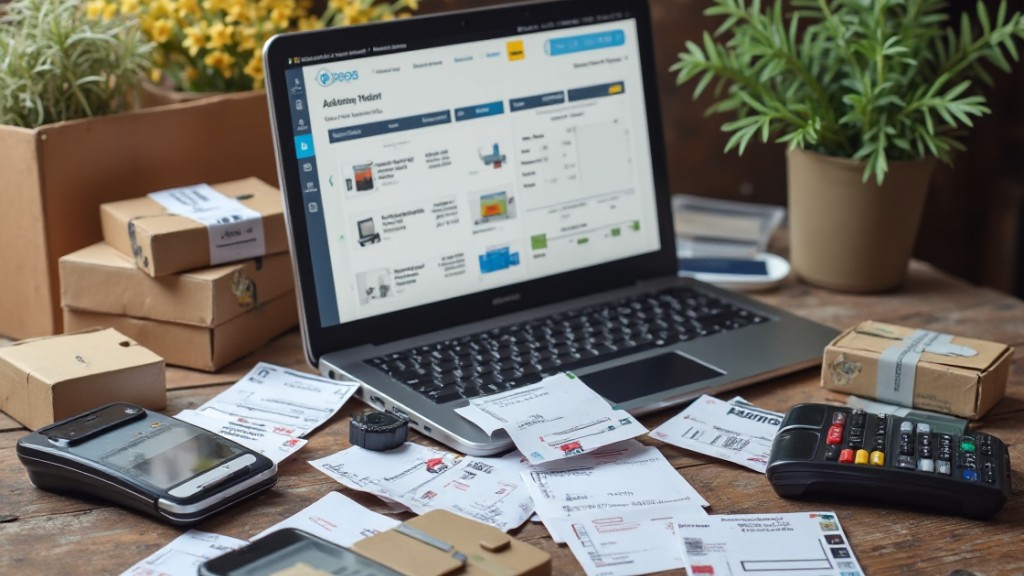
Selecting the right payment and shipping solutions is crucial for your online store. These decisions affect customer satisfaction, retention, and your store’s overall success.
Payment Gateway Options
Choose a reliable payment gateway that supports various payment methods, like credit cards, debit cards, and digital wallets. Options such as PayPal, Stripe, and Square offer seamless integration with e-commerce platforms. Evaluate transaction fees and customer support offered by each gateway. Consider providing multiple payment options to cater to different preferences, enhancing the shopping experience for your customers.
Shipping Strategies for Your Store
Implement effective shipping strategies that meet customer expectations. Determine your shipping policy, including options like free, flat-rate, or variable pricing based on order value or weight. Offer multiple shipping carriers, like USPS, UPS, and FedEx, to give customers choices. Clearly communicate shipping costs and delivery times on your website to improve transparency. Incorporate tracking features to keep customers informed about their orders, fostering trust and satisfaction.
Marketing Your Online Store

Effective marketing strategies are essential for driving traffic and increasing sales in your online store. Utilize various channels to reach your target audience and promote your retail offerings effectively.
Leveraging Social Media
Use social media platforms to connect with potential customers. Platforms like Facebook, Instagram, and Pinterest allow you to showcase your products visually. Post regularly, share engaging content, and utilize features like shoppable posts. Engage with your followers by responding to comments and messages promptly. Running targeted ads can also enhance your reach and convert views into sales.Email Marketing Techniques
Implement email marketing to foster relationships with your customer base. Build a mailing list by encouraging website visitors to subscribe. Send regular newsletters featuring promotions, new product launches, and exclusive discounts. Personalize emails by addressing subscribers by name and recommending products based on their previous purchases. A well-crafted email can lead to higher conversion rates and drive repeat sales for your small business.
Conclusion

Creating an online store is an exciting journey that opens up a world of opportunities for your business. By focusing on the right platform design and effective product management you can build a store that not only attracts customers but keeps them coming back.
Remember to prioritize user experience and select payment and shipping solutions that enhance customer satisfaction. With the right marketing strategies in place you’ll be well on your way to driving traffic and boosting sales.
Embrace the digital landscape and watch your online store thrive in this competitive market. Your success starts with taking that first step.
Frequently Asked Questions

Why is it important to create an online store?
Creating an online store is essential in today’s digital age as it allows businesses to reach a broader audience, increase sales potential, and remain competitive. It provides a platform for showcasing products and services, making it accessible for both new and established businesses to tap into the rapidly growing e-commerce market.
What steps should I take to launch an online store?
To launch an online store, select the right e-commerce platform (like Shopify or WooCommerce), design a user-friendly layout, set up a memorable domain name and reliable hosting, and configure payment and inventory management solutions. Each step contributes to improving customer experience and store performance.
How do I choose the right e-commerce platform?
When selecting an e-commerce platform, consider user-friendliness, scalability, payment options, transaction fees, and support for inventory management. Evaluate your business needs and compare different platforms to find the best fit that aligns with your goals.
What are some tips for designing my online store?
Design your online store with customer experience in mind. Use a clean layout, high-quality images, and clear branding elements. Ensure navigation is intuitive, optimize for mobile devices, and include persuasive call-to-action buttons to enhance engagement and encourage sales.
How can I manage products effectively in my online store?
To manage products effectively, select items that align with your target audience and business goals. Maintain optimal inventory levels, write compelling product descriptions with relevant keywords, and consider dropshipping options to minimize inventory costs while meeting customer needs.
What payment solutions should I consider for my online store?
Choose a reliable payment gateway that offers multiple payment methods, such as PayPal, Stripe, and Square. Evaluate transaction fees, customer support, and ease of integration to ensure a smooth checkout experience for customers.
How can I improve my store’s shipping strategy?
To enhance your shipping strategy, clearly communicate shipping policies, offer multiple carriers, and implement tracking features for transparency. This builds trust with customers and ensures a better overall shopping experience, leading to higher customer satisfaction.
What marketing strategies can I use to drive traffic to my online store?
Utilize social media platforms to showcase products and engage with potential customers. Implement targeted ads, create an email marketing campaign to build customer relationships, and share personalized newsletters or exclusive discounts to encourage repeat sales and foster loyalty.
Image via Google Gemini