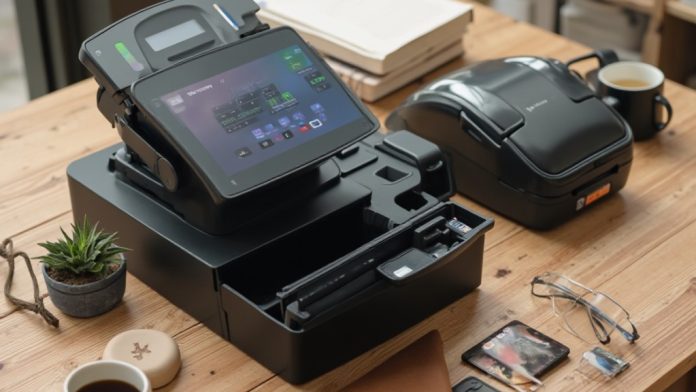
An Electronic Point of Sale (EPoS) system is an essential tool for modern businesses, automating transactions and simplifying operations. It combines hardware, such as cash drawers and barcode scanners, with software that tracks inventory and generates sales reports. This integration not merely streamlines processes but likewise provides insights into customer behavior and product performance. Comprehending how these systems function and their various types can considerably improve your business management capabilities. What might surprise you is the range of options available to suit different business needs.
Key Takeaways
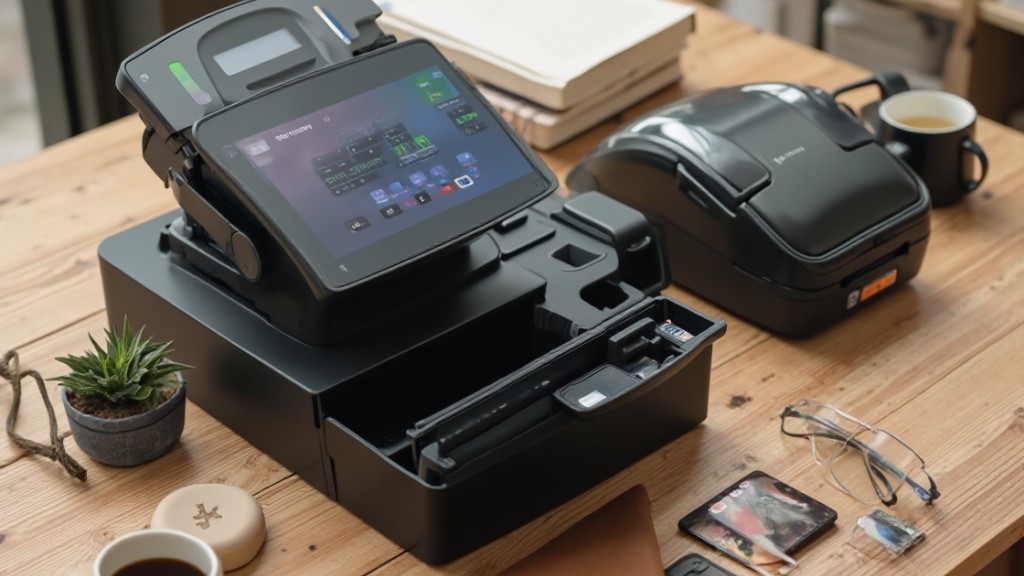
- An Electronic Point of Sale (EPoS) system automates transaction processing and enhances traditional cash register functions.
- It integrates hardware and software for real-time inventory tracking and efficient sales management.
- EPoS systems provide detailed sales reporting to help businesses analyze performance and customer trends.
- They support multiple payment options, including contactless and mobile payments, for customer convenience.
- Security features like data encryption and EMV technology protect sensitive information during transactions.
Understanding Electronic Point of Sale Systems
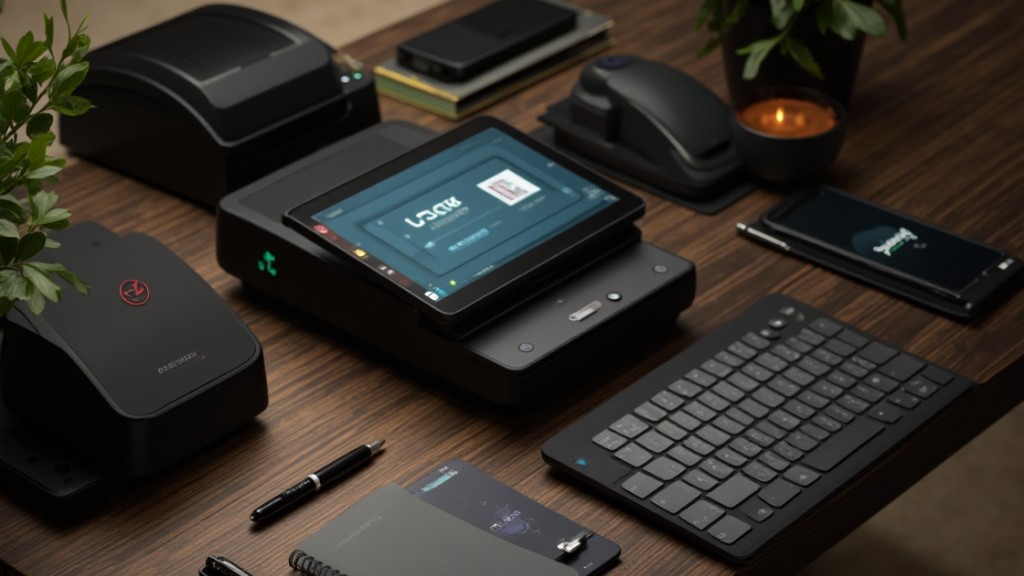
As businesses increasingly look for ways to streamline operations, grasp of Electronic Point of Sale (EPoS) systems becomes essential.
An electronic POS system integrates software and hardware to automate transaction processing, which goes beyond traditional cash registers. These systems typically feature real-time inventory tracking, enabling you to manage stock levels efficiently, along with sales reporting to monitor performance.
Various payment processing options improve customer convenience, whereas hardware components like Symbol Technologies and receipt printers facilitate quick, accurate transactions.
EPoS systems additionally generate detailed reports, providing valuable insights into product performance and customer buying trends, which aid in informed decision-making.
The global EPoS terminals market is projected to grow greatly, reaching an anticipated value of $32.36 billion by 2027, indicating a rising trend in adoption among modern businesses.
Comprehending these systems is vital for anyone looking to improve operational efficiency in today’s competitive environment.
Key Components of an Electronic Point of Sale System

Comprehending the key components of an Electronic Point of Sale (EPoS) system is crucial for businesses aiming to improve their transaction processes. These systems combine various hardware and software elements to streamline operations effectively.
| Hardware Components | Software Features | Security Aspects |
|---|---|---|
| Cash drawers | Product and customer databases | Data encryption |
| Barcode scanners | Sales report generation | Compliance standards |
| Receipt printers | Integration with other platforms | Overall system security |
You’ll find that the hardware includes cash drawers, barcode scanners, and receipt printers, facilitating diverse transaction methods. The software enables real-time inventory management and data processing through user-friendly touch screens. Furthermore, robust security features protect sensitive transaction data, ensuring compliance with industry standards. Grasping these components helps you optimize your electronic point of sale system for better efficiency.
How Electronic Point of Sale Systems Operate
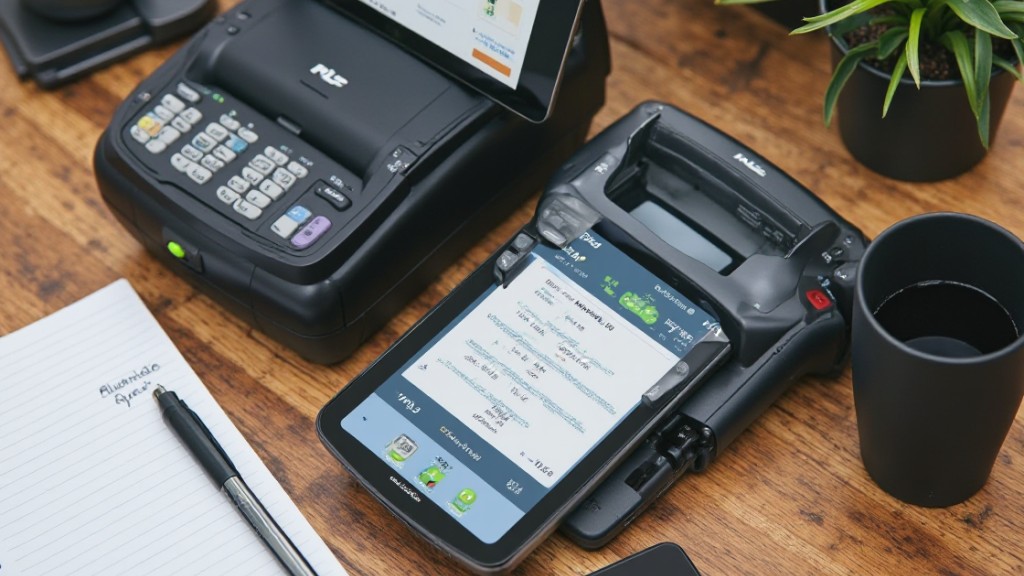
Electronic Point of Sale (EPoS) systems operate by seamlessly integrating hardware and software to streamline the transaction process. In retail, these systems allow you to quickly calculate totals and accept various payment methods, including cash, cards, and contactless options.
They utilize barcode scanning technology to automatically record sales and update inventory levels in real time, which minimizes human error and boosts stock management. Furthermore, EPoS systems generate detailed sales reports that analyze product performance and customer buying trends, assisting you in making informed decisions based on data analytics.
Security is a priority, with features like EMV chip technology and encryption measures to protect sensitive customer data and prevent fraud during transactions. The user-friendly interface helps your staff efficiently perform tasks with minimal training, which streamlines operations and improves the overall customer service experience.
Advantages of Implementing an Electronic Point of Sale System

Implementing an Electronic Point of Sale (EPoS) system offers a range of noteworthy advantages that can transform your business operations.
First, it improves efficiency by automating manual tasks like inventory management and sales reporting, letting your staff focus more on customer service. With real-time access to customer data and purchase history, the electronic point of sale elevates customer service, allowing for personalized interactions and effective loyalty program management.
Moreover, EPoS systems provide real-time inventory tracking, minimizing stock discrepancies and enabling timely reordering, which reduces the risk of stockouts or overstock situations.
The automation and accuracy of these systems considerably cut down on human errors in transaction processing, leading to more accurate financial reporting and audit trails.
Finally, EPoS systems support various payment methods, including contactless and mobile payments, catering to modern consumer preferences and streamlining the checkout process.
Different Types of Electronic Point of Sale Systems
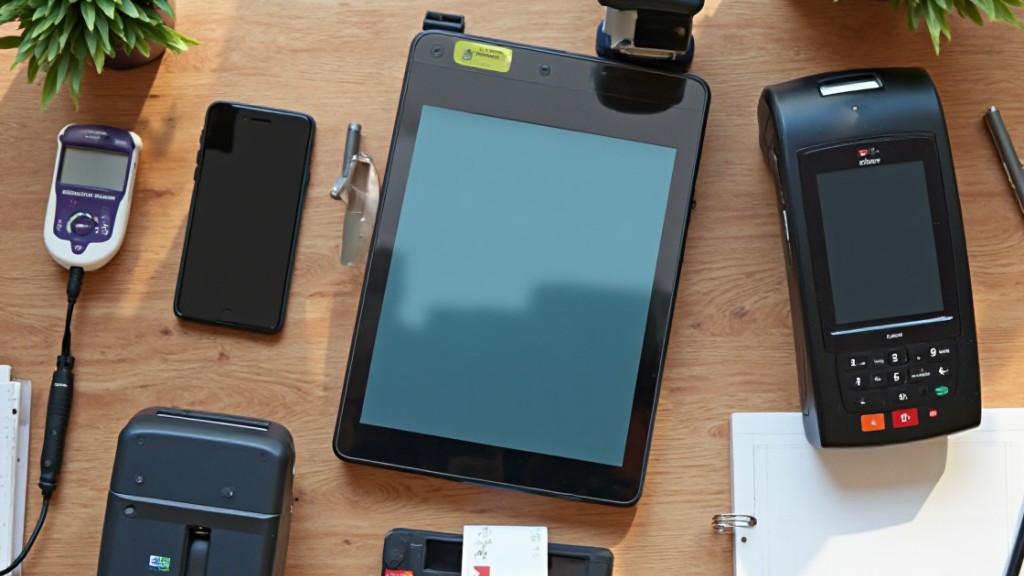
Comprehending the different types of point of sale systems can help you choose the right solution for your business. There are four main types: cloud-based, PC-based, mobile, and integrated EPoS systems.
Cloud-based systems are hosted on remote servers, offering easy access and lower upfront costs, making them ideal for small to medium-sized businesses.
PC-based systems require standard desktop hardware and installed software, providing robust functionality but needing regular maintenance and manual backups.
Mobile EPoS systems utilize tablets or smartphones, perfect for businesses that need flexibility, like food trucks or outdoor markets.
Finally, integrated EPoS systems combine EPoS functionalities with other business applications, enabling real-time data sharing and enhancing operational efficiency.
Each of these EPoS solutions for retail caters to distinct business needs, so consider your operational style and requirements when deciding which system fits best.
Frequently Asked Questions
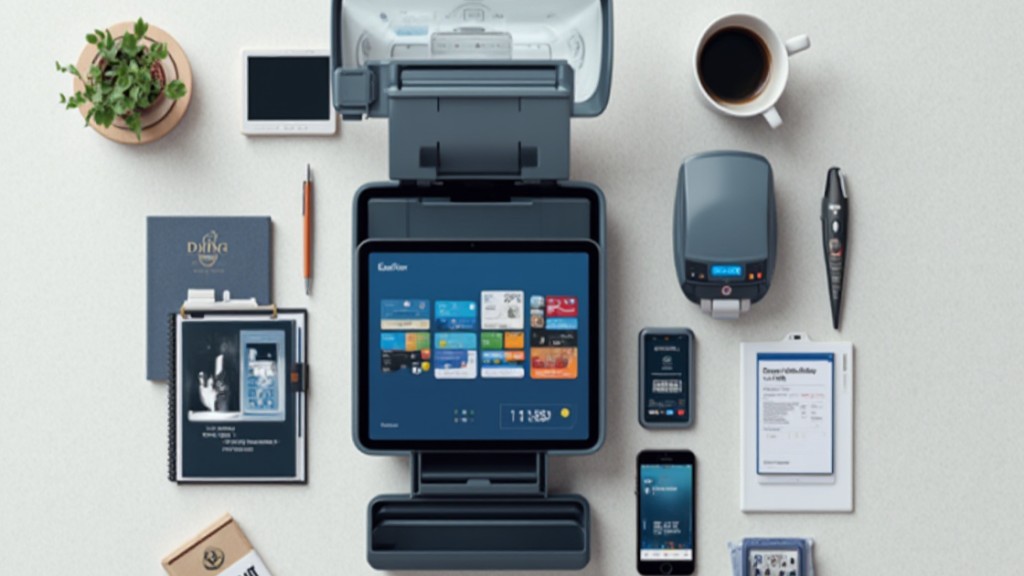
What Is the Electronic Point of Sale Service?
The electronic point of sale service streamlines retail transactions by integrating hardware and software. You can process payments, manage inventory, and generate sales reports efficiently.
This system often includes barcode scanners, cash drawers, and receipt printers to improve the checkout experience. It supports various payment methods, like cash and contactless options, as well as providing real-time inventory updates.
Moreover, advanced reporting features allow you to analyze sales data, helping you make informed business decisions.
What Is the E-Pos System?
An EPoS system is a modern solution for managing sales transactions in retail environments. It integrates hardware and software to streamline checkout processes, allowing you to accept various payment methods, like credit cards and mobile payments.
This system likewise tracks inventory in real time, helping you maintain stock levels efficiently. Furthermore, it generates detailed sales reports, which provide valuable insights into trends, aiding you in making informed business decisions.
How Much Does Epos Now Cost per Month?
Epos Now’s monthly subscription fees start at around £29 for their basic package, which covers vital features for small businesses.
If you need advanced functionalities, higher-tier plans range from £39 to £99 per month.
Furthermore, transaction fees for card payments vary between 1.5% and 2.75%, depending on your chosen plan.
Consider that hardware requirements might incur extra costs, like card readers or printers.
Annual subscriptions can offer discounts, potentially saving you money.
Is Shopify an Epos System?
Yes, Shopify is an ePOS system. It allows you to process in-person transactions through mobile devices or dedicated hardware, integrating seamlessly with your online store.
You can manage inventory, track customer profiles, and generate sales reports, all from one dashboard.
This integration is particularly useful for Salesforce businesses with multiple sales channels, as it guarantees real-time synchronization of inventory and sales data, making it easier to make informed business decisions.
Conclusion
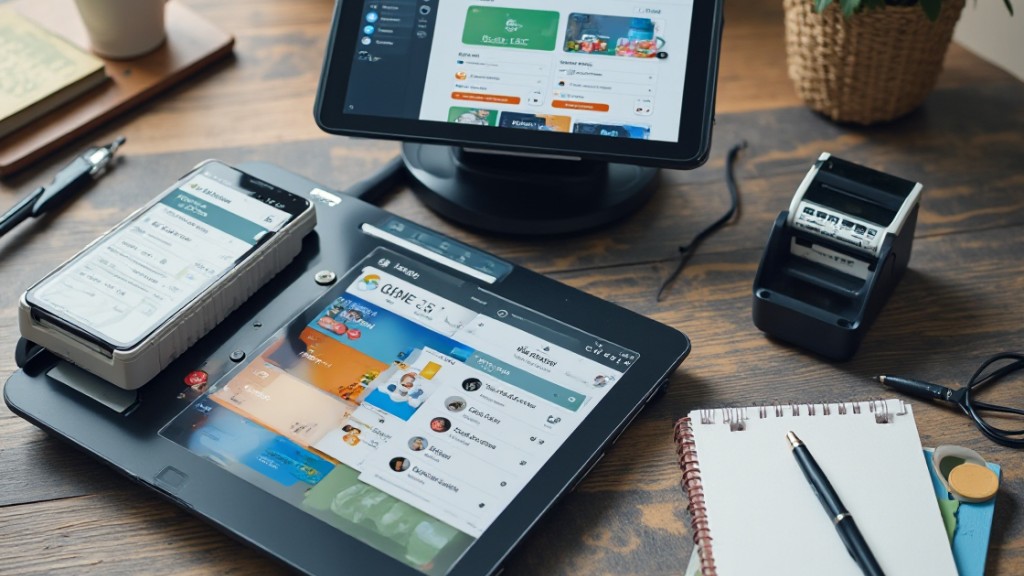
In conclusion, Electronic Point of Sale systems are vital tools for modern businesses, enhancing transaction efficiency and inventory management. By integrating hardware and software, these systems provide valuable insights, streamline operations, and reduce human errors. Implementing an EPoS system can greatly improve your business’s overall performance, catering to various retail and service environments. As you consider your options, grasping the components and benefits of EPoS technology can help you make informed decisions that drive success.
Image via Google Gemini