
Key Takeaways

- Comprehensive Checklist: Utilize a detailed checklist to guide you through the essential steps of opening a retail store, ensuring no important tasks are overlooked.
- Market Research: Conduct thorough market research to understand customer demand, identify competitors, and tailor your product offerings accordingly.
- Business Structure and Legal Requirements: Choose the appropriate business structure (sole proprietorship, LLC, etc.) and complete necessary legal registrations, including obtaining a business license and seller’s permit.
- Financial Planning: Estimate startup costs and explore various financing options, such as personal savings, bank loans, and grants, to ensure adequate funding.
- Strategic Location: Select a high-traffic location that aligns with your target audience and evaluate competition to fill market gaps effectively.
- Effective Marketing Strategies: Build a compelling brand identity and implement digital marketing strategies to drive customer engagement and increase sales.
Opening a retail store can be an exciting yet daunting venture. With so many details to consider it’s easy to feel overwhelmed. That’s why having a comprehensive checklist can be your best friend in this journey. It’ll guide you through the essential steps to ensure you’re fully prepared to launch your business.
From choosing the right location to stocking your shelves with the perfect products each decision plays a crucial role in your store’s success. This checklist will help you navigate the complexities of starting a retail business, making sure you don’t overlook any important tasks. Whether you’re a first-time entrepreneur or a seasoned pro, having a clear plan can set you up for success.
Understanding the Retail Landscape

Understanding the retail landscape is crucial when starting your small business. Knowledge of current trends and customer preferences can significantly impact your store’s success.
Market Research
Conduct market research to assess the demand for your products. Use surveys, interviews, and online tools to gather data on potential competitors and pricing strategies. Analyze industry reports and local demographics to identify emerging trends. Market research enables you to make informed decisions about product offerings and pricing structures that appeal to your target audience.
Identifying Your Target Audience
Identify your target audience to tailor your marketing efforts effectively. Consider factors such as age, gender, income level, and shopping habits to create detailed customer profiles. Utilize social media analytics and Google Trends to monitor behaviors and preferences. Knowing your target audience helps in creating a focused marketing strategy, leading to increased foot traffic and higher sales in your retail store.Creating a Business Plan

Creating a business plan for your retail store involves several essential sections that guide your small business toward success.
Executive Summary
Describe your retail business briefly, detailing the sector you operate in, such as apparel or electronics. Outline your business goals and vision clearly to set a strong foundation. Define your mission and the key market needs you aim to satisfy.
Business Description and Structure
Define the nature of your retail operations. Identify whether you’ll operate as a sole proprietorship, partnership, LLC, S Corporation, or C Corporation. Specify the location and facilities of your store, as the right environment is crucial for your small business.
Market Research
Provide a comprehensive overview of the retail industry relevant to your business type. Analyze your target market demographics, such as age, gender, and income level, to understand customer behavior. Conduct a competitive analysis to establish your market position, identifying strengths, weaknesses, opportunities, and threats for your retail store.
Legal Considerations

Opening a retail store involves several legal considerations crucial for compliance and operational success. Addressing these requirements ensures your small business is on solid legal ground.
Selecting a Business Structure
Selecting the right business structure impacts your retail store’s legal obligations and tax responsibilities. Common structures include:
- Sole Proprietorship: This simplest form allows you to operate independently and directly report income on your personal tax return. However, it exposes you to personal liability.
- Limited Liability Company (LLC): An LLC offers personal liability protection while maintaining operational flexibility. It separates your personal assets from potential business risks, an essential consideration for small businesses.
- Corporation: A corporation provides the strongest liability protection but involves more complex regulations and tax requirements. This structure may suit larger retail operations anticipating growth.
Choosing the appropriate structure sets the foundation for your retail store’s legal status and tax approach.
Registering Your Business
Registering your retail business legitimizes it with the government and allows you to operate legally. Key steps include:
- Business License: Obtain a business license from your local city or county government. This license ensures compliance with local regulations and is mandatory for operating a retail store.
- Seller’s Permit: Acquire a seller’s permit from your state’s Department of Revenue or Taxation. This permit is essential for selling products at retail and collecting sales tax.
- Zoning Permits: Verify zoning permits with your local zoning office to ensure your intended retail location meets local zoning laws. Compliance prevents potential legal disputes or store closures.
Completing these registration steps establishes your small business legally, allowing you to focus on running your retail store effectively.
Financial Planning
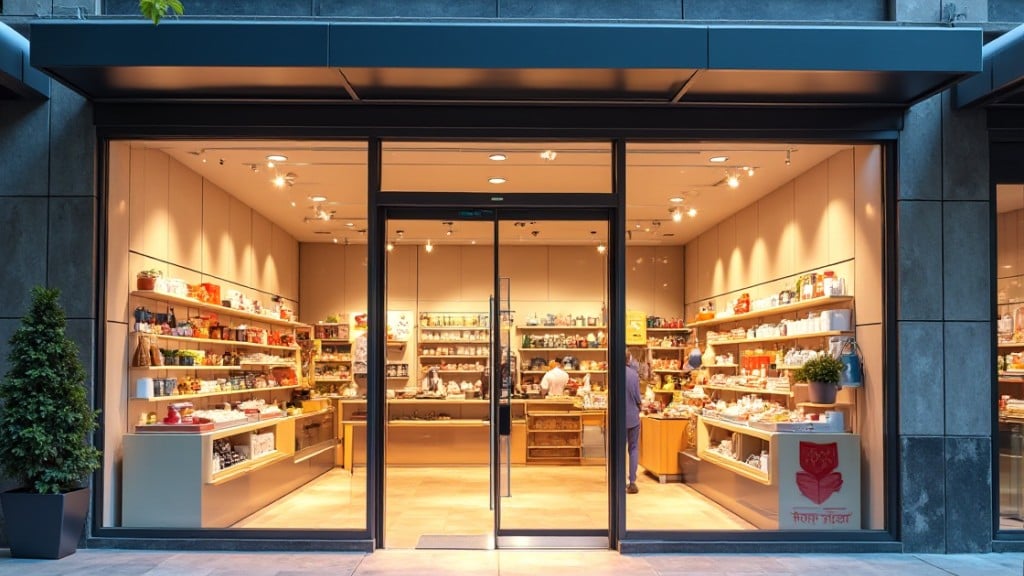
Financial planning is crucial for successfully opening a retail store. It involves estimating startup costs and securing financing options to support your small business from the outset.
Estimating Startup Costs
Estimating startup costs ensures you understand the financial requirements of your retail store. Consider the following key expense categories:
- Lease costs: Include first and last month’s rent and any security deposits.
- Renovation and décor: Budget for any alterations needed to make the space suitable for your retail operations.
- Inventory: Estimate initial inventory based on product selection and anticipated customer demand.
- Equipment and technology: Factor in costs for point-of-sale systems, shelving, and other necessary equipment.
- Marketing: Allocate funds for promotional efforts right from the start to attract customers.
- Insurance and permits: Account for business insurance and necessary licenses to operate legally.
Create a detailed budget to ensure you cover all potential expenses. This practice prevents surprises and helps maintain financial stability in your small business.
Securing Financing Options
Securing financing options is essential for launching your retail venture. Explore various avenues to fund your small business:
- Personal savings: Utilize your savings to avoid debt and have full control over your business.
- Bank loans: Approach banks for traditional loans, which often require a solid business plan and collateral.
- Small Business Administration (SBA) loans: Investigate SBA loans for favorable terms and lower down payments, designed to help small businesses succeed.
- Crowdfunding: Consider platforms that allow you to raise funds from multiple investors in exchange for rewards or equity.
- Angel investors: Seek out individuals interested in investing in small businesses; they may provide capital in exchange for a stake in your company. Grants: Look for grants offered by government or private organizations aimed at supporting small businesses.
Evaluating these financing options enables you to choose the best fit for your needs. By ensuring you have adequate funding, you create a strong foundation for your retail store’s success.
Choosing a Location

Choosing the right location is essential for your retail store’s success. It influences visibility, accessibility, and ultimately, customer foot traffic.
Analyzing Foot Traffic
Analyze foot traffic to gauge potential customer flow. Observing traffic patterns during different times of the day and week provides insight into high-traffic periods. Utilize tools like heat maps to visualize peak shopping times in various areas. Locations near public transport, shopping centers, or busy streets typically attract more foot traffic, increasing the likelihood of sales.
Evaluating Competition
Evaluate competition in your desired area. Identify existing retail stores similar to your business model. Assess their strengths, weaknesses, and customer base. Understanding competitors can highlight market gaps and shape your business strategies. For example, if nearby stores lack certain product offerings, yours might gain an edge by filling that niche. A competitive analysis helps inform decisions about product selection and marketing tactics tailored to your small business’s unique value proposition.
Store Design and Layout

Effective store design and layout enhance the shopping experience and drive sales for your retail store. Focusing on customer flow, engagement, and optimal utilization of space creates an inviting atmosphere for your customers.
Planning the Customer Experience
- Analyze Customer Flow: Understand how your customers will navigate your store. Design pathways that promote easy movement between sections and product categories. Use clear signage to guide customers, ensuring they discover all the products you offer.
- Design for the Right Turn: Customers often turn right upon entering and move in a counterclockwise direction. Place high-demand items or special promotions on the right side of the entrance to capture their attention immediately.
- Add a Decompression Zone: Create a space near the entrance where customers can adjust from the outside environment to your store atmosphere. This area allows them to transition comfortably, enhancing their overall shopping experience.
Selecting Fixtures and Equipment
- Choose Functional Fixtures: Select store fixtures that efficiently display products while maximizing display space. Consider options like shelving, racks, and display cases that align with your brand image and facilitate product accessibility.
- Invest in Quality Equipment: Ensure you invest in high-quality equipment, including cash registers, point of sale systems, and security systems. Reliable equipment supports smooth operations and enhances the customer experience during transactions.
- Prioritize Flexibility: Opt for fixtures that can adapt to changing inventory or seasonal promotions. Modular fixtures allow easy reconfiguration, enabling you to update displays without major overhauls.
By focusing on these areas of store design and layout, you ensure a cohesive shopping experience that resonates with customers, ultimately leading to the success of your small business.
Inventory Management

Effective inventory management is vital for your retail store’s success. Focus on sourcing products and establishing inventory control systems to optimize operations and enhance profitability.
Sourcing Products
Sourcing products effectively can directly impact your small business’s bottom line. Consider establishing relationships with reliable suppliers to ensure access to quality merchandise. Evaluate supplier performance based on criteria like pricing, delivery times, and product quality. Investigate wholesale platforms for additional options—these can provide competitive rates. Diversifying suppliers can mitigate risks associated with stock shortages or price fluctuations. Always analyze market trends to align your product selection with customer preferences.
Establishing Inventory Control Systems
Creating solid inventory control systems helps maintain optimal stock levels and prevents overstocking or stockouts. Implement inventory management software tailored for retail businesses to streamline tracking and reporting. Use barcode systems or RFID tags to simplify inventory checks and improve accuracy. Regularly conduct audits to identify discrepancies and adjust stock levels appropriately. Establish reorder points for popular items to minimize the risk of losing sales due to insufficient inventory. A proactive inventory control system supports efficient operations, enhances customer satisfaction, and contributes to your retail store’s overall success.
Marketing Your Retail Store
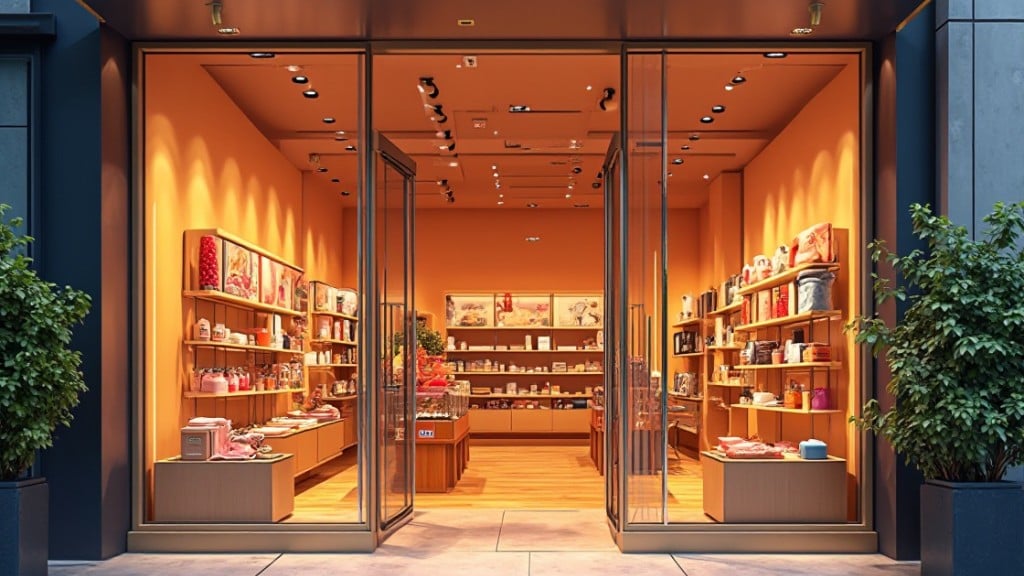
Effective marketing strategies drive customer engagement and increase sales for your retail store. Focusing on building a compelling brand identity and utilizing digital marketing techniques boosts visibility and attracts your target audience.
Building a Brand Identity
Create a brand identity that resonates with your audience. Establish your store’s values and mission, and ensure they align with your customer base. Design a memorable logo that reflects your brand’s personality and use consistent colors and fonts across all marketing materials. Engage with your customers through storytelling, showcasing how your small business contributes to the community or promotes sustainability. This emotional connection fosters loyalty and encourages repeat business.
Utilizing Digital Marketing Strategies
Implement digital marketing strategies to increase your retail store’s reach. Optimize your website for search engines to improve visibility. Use social media platforms to engage with customers, share promotions, and showcase new products. Consider email marketing campaigns to keep your audience informed and encourage repeat visits. Leverage online advertising to target specific demographics and drive traffic to both your website and physical store. Consistent and targeted digital efforts can significantly enhance your store’s visibility and sales.
Hiring and Training Staff

Hiring and training staff are essential components for your retail store’s success. Focus on creating a strong workforce capable of meeting customer needs and driving sales.
Developing Job Descriptions
Develop clear and detailed job descriptions for all positions in your retail store. Specify essential tasks, required skills, and performance expectations to attract suitable candidates. Include information about work hours and company culture to ensure alignment with your small business’s values. Regularly update these descriptions to reflect changes in roles or responsibilities as your store evolves.
Implementing Effective Training Programs
Implement a robust training program that covers both hard and soft skills important for retail success. Incorporate sales training, customer service techniques, product knowledge, POS system operation, safety and compliance procedures, and inventory management practices. Utilize various training methods, including instructor-led sessions, e-learning platforms, and hands-on training to cater to different learning styles. Involve experienced employees in developing training materials for greater relevance and practicality.
Conclusion

Opening a retail store can be a rewarding journey filled with opportunities for growth and success. By following the checklist you’ve created, you’re setting yourself up for a smoother process. Each step you take—from selecting the right location to implementing effective marketing strategies—plays a crucial role in your store’s future.
Remember to stay adaptable as you navigate the retail landscape. Trends change and customer preferences evolve, so being responsive will help you stay ahead. As you build your brand and engage with your customers, keep your focus on delivering an exceptional shopping experience. With the right planning and execution, your retail store can thrive in today’s competitive market.
Frequently Asked Questions

What are the main challenges of opening a retail store?
Opening a retail store involves various challenges, including selecting the right location, understanding market demands, and adhering to legal requirements. Entrepreneurs must also navigate financial planning and inventory management while developing effective marketing strategies to attract customers.
How important is a checklist when starting a retail business?
A checklist is crucial when starting a retail business, as it helps entrepreneurs stay organized and ensures that essential tasks are not overlooked. It guides both new and experienced owners through the complexities of the opening process, leading to a higher chance of success.
What factors should I consider when choosing a retail location?
When choosing a retail location, assess visibility, accessibility, foot traffic patterns, and competition. Analyze demographic data to ensure your target audience is nearby, and use tools like heat maps to understand peak shopping times effectively.
Why is market research essential for a retail store?
Market research is essential as it helps entrepreneurs understand customer preferences, assess product demand, and analyze competitors. This information is crucial for tailoring marketing strategies and selecting products that will resonate with the target audience.
What components should be included in a retail business plan?
A retail business plan should include an executive summary, business description, market analysis, marketing strategies, and financial projections. Clearly defining these components helps guide the business and attract potential investors or lenders.
What legal considerations should I be aware of when opening a retail store?
Key legal considerations include selecting the appropriate business structure (e.g., LLC, sole proprietorship), registering the business, and obtaining necessary licenses and permits. Ensuring compliance with these legal requirements is essential for operating a successful retail store.
How do I estimate startup costs for my retail store?
To estimate startup costs, consider expenses like leasehold improvements, inventory, equipment, marketing, and permits. Create a detailed budget that accounts for these costs to ensure you have enough funding and maintain financial stability.
What marketing strategies are effective for a retail store?
Effective marketing strategies include building a compelling brand identity, optimizing your website for search engines, leveraging social media, and implementing email marketing campaigns. These efforts help engage customers, boost visibility, and drive sales.
Why is inventory management important for a retail store?
Inventory management is crucial for optimizing operations, preventing stockouts or overstocking, and enhancing profitability. Efficient systems help streamline tracking, ensure timely reorders, and ultimately contribute to customer satisfaction.
How can I hire and train the right staff for my retail store?
To hire the right staff, create clear job descriptions outlining tasks and required skills. Implement effective training programs that cover sales techniques, customer service, and inventory practices. This ensures your team is prepared to meet customer needs and drive store success.
Image via Google Gemini