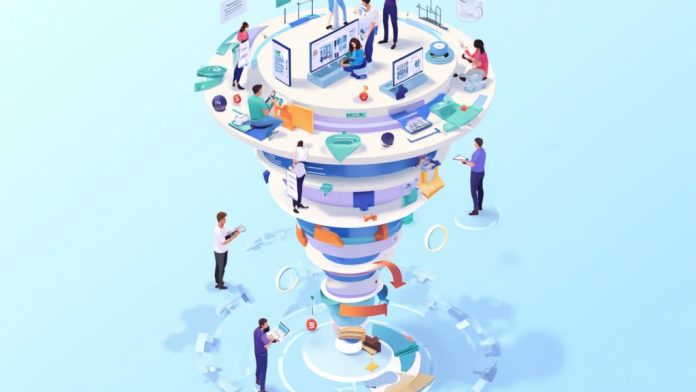
A funnel system is a structured approach that guides potential customers through various stages, from initial awareness to final conversion. It consists of three main parts: TOFU for awareness, MOFU for consideration, and BOFU for conversion. By comprehending how each stage works and optimizing them with targeted strategies, businesses can improve their lead nurturing efforts and boost conversion rates. Nevertheless, many overlook critical aspects in their funnel systems, which can lead to missed opportunities. What are these pitfalls, and how can you avoid them?
Key Takeaways
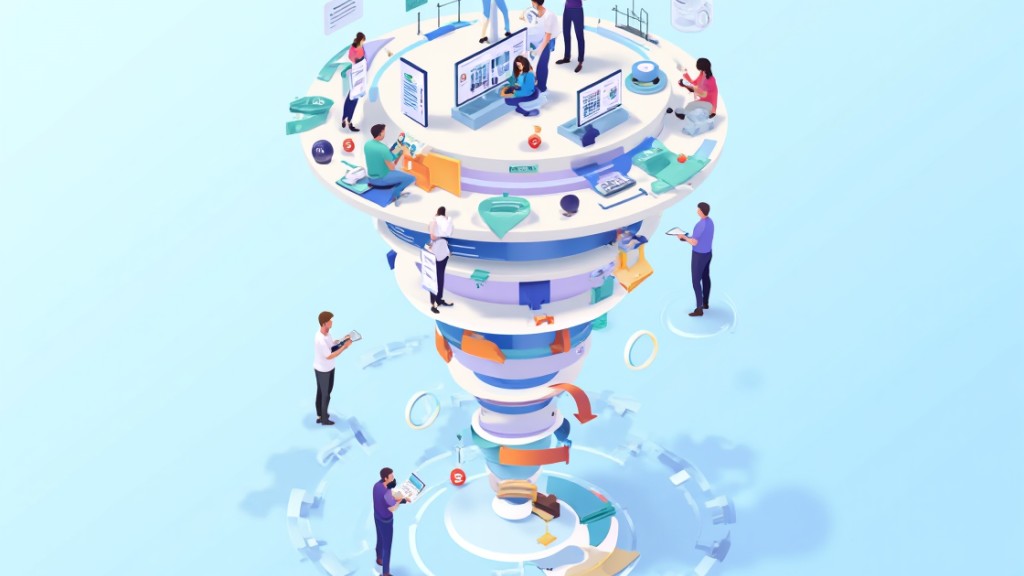
- A funnel system visualizes the customer journey from awareness to conversion, consisting of TOFU, MOFU, and BOFU stages.
- Each funnel stage requires tailored strategies, such as awareness through social media and conversion with targeted tactics.
- Common mistakes include ignoring drop-off points and not optimizing for mobile users, which hinder conversions.
- Continuous monitoring, A/B testing, and analytics are essential for optimizing funnel performance and improving customer engagement.
- Tools like CRM software and automation platforms aid in managing interactions and streamlining the funnel process effectively.
Understanding the Funnel System
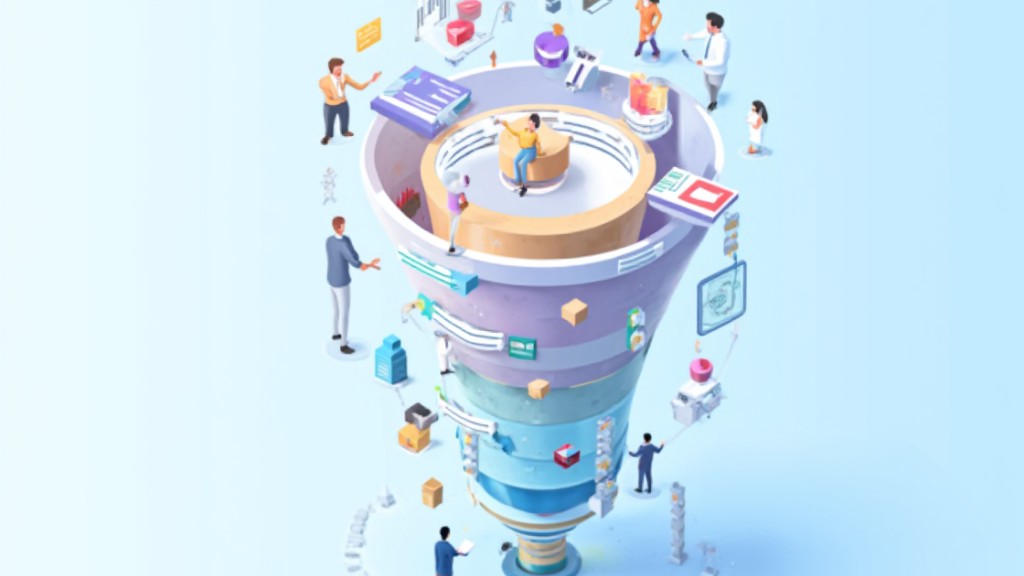
The funnel system is a crucial marketing model that helps businesses visualize and understand the customer path from initial awareness to final conversion.
This structured approach consists of three main stages: Top of the Funnel (TOFU) for generating awareness, Middle of the Funnel (MOFU) for consideration, and Bottom of the Funnel (BOFU) for conversion.
As customers progress through these stages, their numbers typically decrease, highlighting the importance of optimizing each touchpoint.
Importance of a Funnel System
Comprehending the importance of a funnel system is essential for any business aiming to optimize its sales process. A funnel system streamlines the customer experience from awareness to purchase, helping you pinpoint drop-off points that could hinder conversions. By visualizing this process, you can improve forecasting accuracy, as 78% of buyers prefer salespeople who act as trusted advisors. Implementing a funnel system boosts conversion rates by ensuring your messaging aligns with each stage, leading to better customer engagement.
Here’s a breakdown of key benefits:
| Benefit | Description | Impact |
|---|---|---|
| Streamlined Experience | Identifies drop-off points | Increased conversions |
| Improved Forecasting | Visualizes sales process | Better planning |
| Enhanced Engagement | Aligns messaging with customer needs | Higher customer satisfaction |
Key Components of a Funnel System
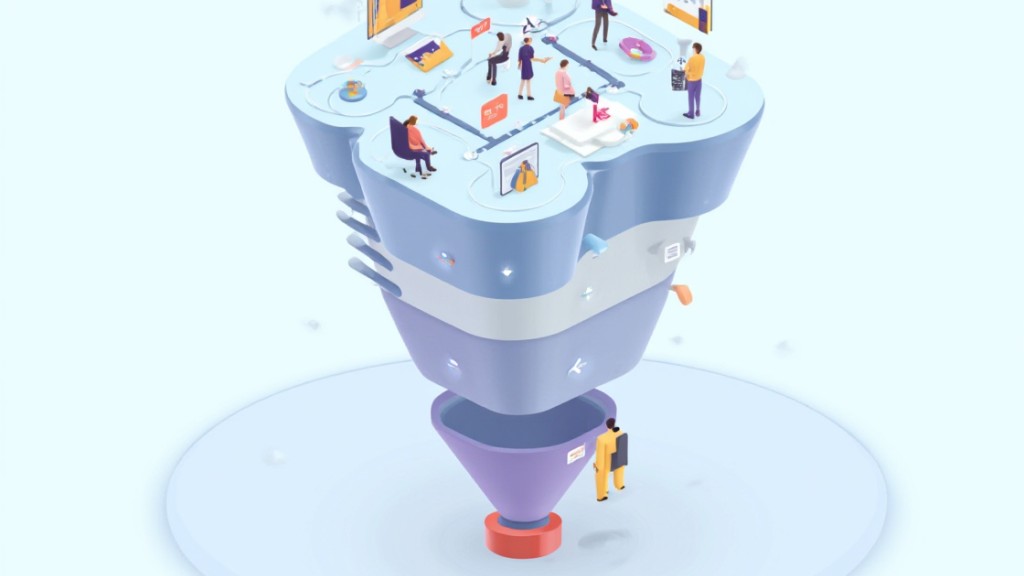
Grasping the key components of a funnel system is crucial for effectively guiding potential customers through their expedition.
You’ll encounter various stages, from awareness to decision-making, each requiring customized content and strategies, such as informative blog posts and personalized offers.
Furthermore, integrating vital tools like automation and analytics can streamline processes and improve your ability to monitor and optimize performance.
Funnel Stages Overview
When you commence on the expedition of creating a funnel system, it’s essential to recognize the distinct stages that guide potential customers from initial awareness to final retention.
The funnel typically includes four key stages: Awareness, Consideration, Conversion, and Retention.
In the Awareness stage, you attract a broad audience using marketing tactics like social media and lead magnets.
Next, during Consideration, you engage them with informative content such as case studies and testimonials.
As they move to Conversion, marketing-qualified leads become sales-qualified leads through personalized offers and limited-time discounts.
Finally, Retention focuses on keeping customers engaged post-purchase.
Each stage demands targeted strategies and content to optimize customer experiences and improve overall conversion rates, necessitating continuous monitoring and A/B testing.
Essential Tools Integration
To effectively build a funnel system, you’ll need to integrate several key tools that streamline the customer experience from initial awareness to final conversion.
Start with CRM software to manage customer relationships and track interactions. Include email marketing platforms for automated sequences that nurture leads, meanwhile lead magnets attract potential customers.
Create landing pages with clear calls-to-action to facilitate conversions. Analytics tools are crucial for tracking user behavior, identifying drop-off points, and optimizing each funnel stage.
In addition, integrate social media advertising and SEO strategies to drive qualified traffic into the funnel.
Finally, employ automation tools to handle repetitive tasks, such as lead follow-up and segmentation, allowing you to focus on strategy and content creation.
Stages of a Funnel System
Comprehending the stages of a funnel system is vital for effectively guiding potential customers through their buying progression.
You’ll encounter techniques for generating awareness, strategies for engaging and nurturing leads, and methods for converting and retaining customers.
Each stage plays an important role in moving prospects from initial interest to final purchase, ensuring a smooth changeover throughout the process.
Awareness Generation Techniques
How can you effectively draw in potential customers during the awareness stage of your funnel system?
To start, focus on generating brand awareness through social media marketing, blog posts, and paid advertisements. Incorporating lead magnets like ebooks or webinars can capture potential customer information, setting the stage for future engagement.
Content marketing is essential here, as 70% of consumers prefer learning about companies through articles rather than ads. Furthermore, utilizing SEO strategies is critical since 93% of online experiences begin with a search engine.
Finally, incorporating engaging visuals and storytelling can greatly improve your outreach, as content with relevant images receives 94% more views. This combination of techniques helps you attract a broader audience and increase visibility.
Engagement and Nurturing Strategies
Engagement and nurturing strategies are crucial components of a successful funnel system, as they guide potential customers through their buying path. In the Awareness stage, you can capture attention with educational blog posts and social media outreach. As prospects move to the Consideration stage, personalized email campaigns and resources like case studies help build trust. During the Decision stage, follow-up strategies, such as limited-time discounts and personalized sales calls, are vital for closing sales. Continuous engagement through automated email sequences keeps interest alive, promoting larger purchases. Utilizing analytics to track user behavior enables you to optimize these strategies by identifying drop-off points.
| Stage | Engagement Strategy |
|---|---|
| Awareness | Educational blog posts, social media |
| Consideration | Personalized emails, case studies |
| Decision | Limited-time discounts, sales calls |
| Continuous | Automated email sequences |
| Optimization | User behavior analytics |
Conversion and Retention Methods
As potential customers navigate through the funnel system, the shift from conversion to retention requires distinct strategies customized to their needs.
In the conversion stage, you’ll want to focus on turning marketing-qualified leads (MQLs) into sales-qualified leads (SQLs). This involves using targeted tactics like personalized offers, customer testimonials, and streamlined checkout processes to boost conversion rates.
Once customers make a purchase, retention methods come into play. Implementing post-purchase follow-ups, loyalty programs, and personalized communication can help build long-term relationships and encourage repeat business.
Utilizing analytics allows you to track drop-off points and identify areas for improvement. A/B testing different elements, such as calls-to-action, will further optimize your strategies for higher conversion and retention rates.
Building Your Own Funnel System
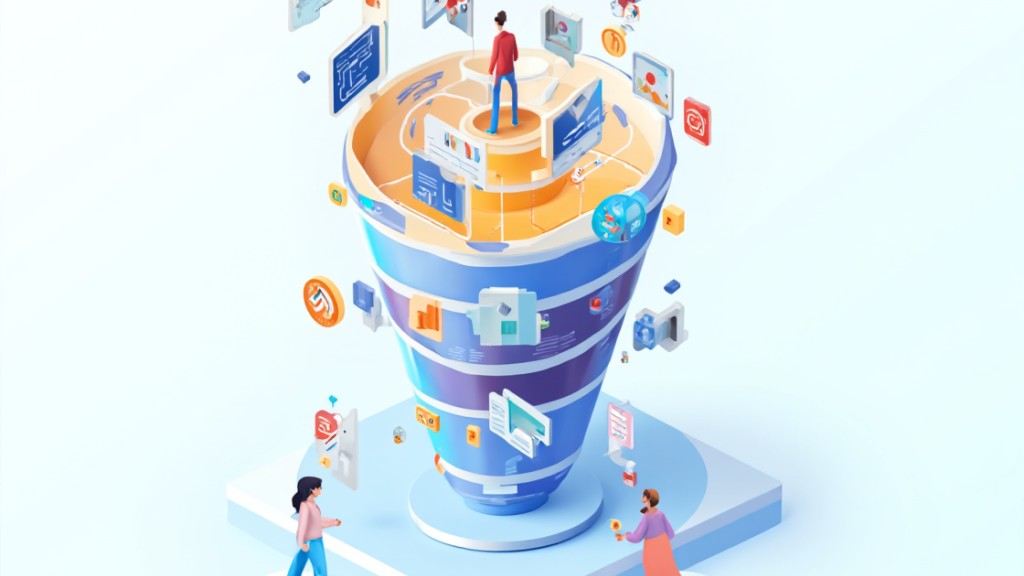
Building your own funnel system involves several strategic steps designed to effectively guide potential customers through their process from awareness to conversion.
Start by defining your Ideal Customer Profile (ICP). This helps tailor your messaging and offers to meet the specific needs of your target audience.
Next, create lead magnets, like free resources or exclusive webinars, to attract prospects and build trust by offering value upfront.
Once you have leads, implement automated email or SMS nurturing sequences to keep them engaged. Focus on educating them and gradually guiding them toward a buying decision, avoiding aggressive sales tactics.
Finally, continuously analyze your funnel’s performance by tracking key metrics such as conversion rates and drop-off points. This allows you to make data-driven adjustments, optimizing the customer experience and improving your funnel system’s overall effectiveness.
Common Mistakes in Funnel Systems
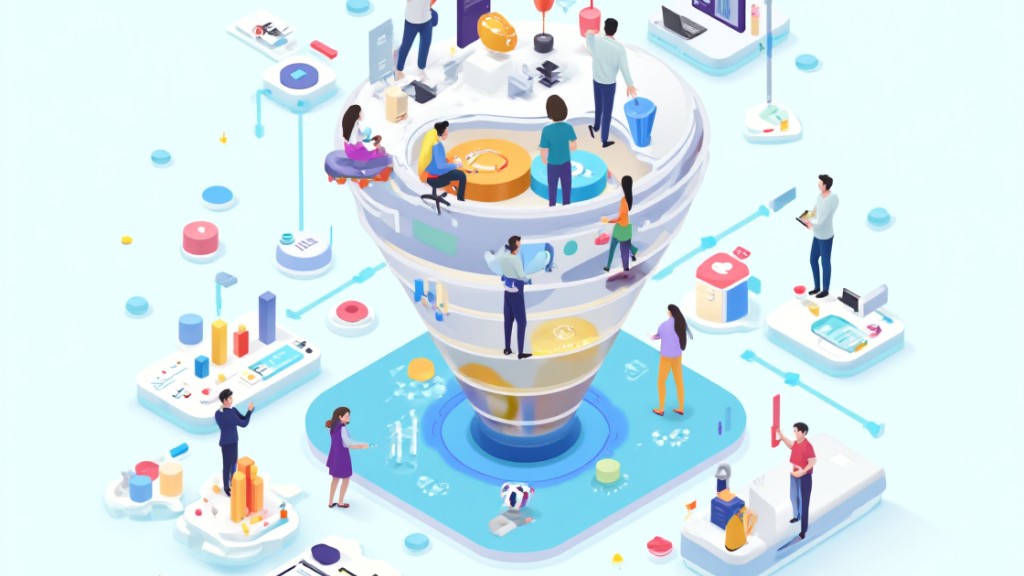
When creating a funnel system, it’s crucial to recognize and avoid common mistakes that can hinder its effectiveness. One major error is treating all stages the same, which can lead to disengagement. You should tailor your content for each stage to keep prospects interested. Furthermore, neglecting to analyze drop-off points can result in lost opportunities since 96% of visitors aren’t ready to purchase immediately. Overcomplicating the user experience can confuse potential customers, reducing conversion rates. Mobile optimization is vital, too; nearly half of web traffic comes from mobile devices, and a poorly designed mobile funnel can greatly increase drop-off rates. Finally, regularly conducting A/B testing on funnel elements like CTAs and landing pages helps identify areas for improvement.
| Mistake | Impact |
|---|---|
| Treating all stages the same | Leads to disengagement |
| Ignoring drop-off points | Results in lost opportunities |
| Overcomplicating user experience | Confusion and frustration |
| Neglecting mobile optimization | Increased drop-off rates |
Optimizing Your Funnel System
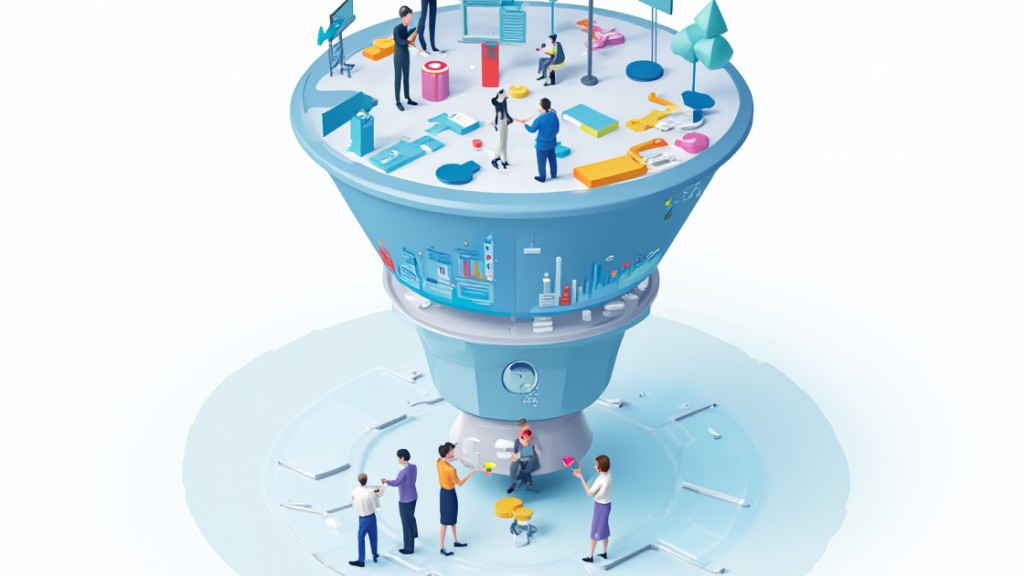
To effectively optimize your funnel system, it’s vital to analyze drop-off rates at each stage, as this allows you to pinpoint where potential customers lose interest.
Start by implementing A/B testing on various funnel elements, like headlines and call-to-action buttons, to see which variations yield higher conversion rates. This data helps improve overall funnel performance.
Additionally, consider utilizing marketing automation tools to streamline lead nurturing processes. These tools enable personalized communication based on user behavior, which can boost engagement rates throughout your funnel.
Continuous tracking of key performance indicators (KPIs), such as click-through rates and conversion rates, enables you to make data-driven decisions that refine your strategies over time.
Finally, make certain your funnel is mobile-optimized, as many users access it via mobile devices. A seamless mobile experience can drastically reduce drop-off rates, further improving your funnel’s effectiveness.
Real-World Examples of Funnel Systems
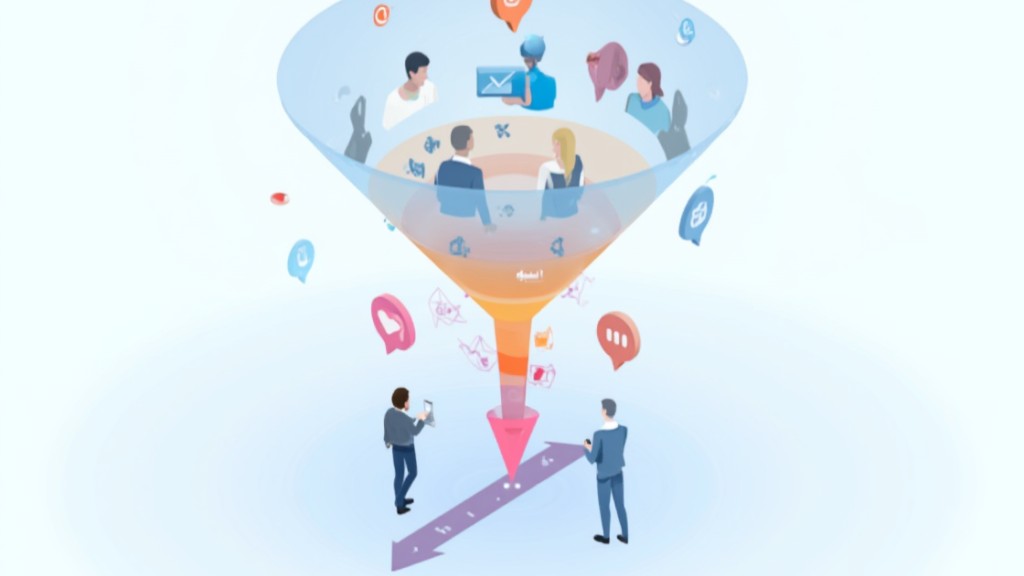
Funnel systems are practical frameworks that effectively guide potential customers through various stages of their buying process, from awareness to purchase.
In e-commerce, for instance, a conversion funnel starts with targeted ads to create awareness, followed by product reviews that spark interest, and finishes with a streamlined checkout process to finalize purchases.
In the SaaS world, a free trial funnel lets users explore the product, with follow-up emails prompting them to engage further, eventually converting them into paid subscribers.
Another example is the webinar funnel, which attracts leads through sign-up pages, nurtures them with reminder emails, and converts them during live presentations when engagement is high.
Finally, retargeting funnels focus on cold leads, re-engaging them with personalized emails and value-driven content, aiming to spark renewed interest and guide them back into the sales process effectively.
Each example illustrates how funnel systems optimize the customer experience.
Tools and Resources for Funnel Systems
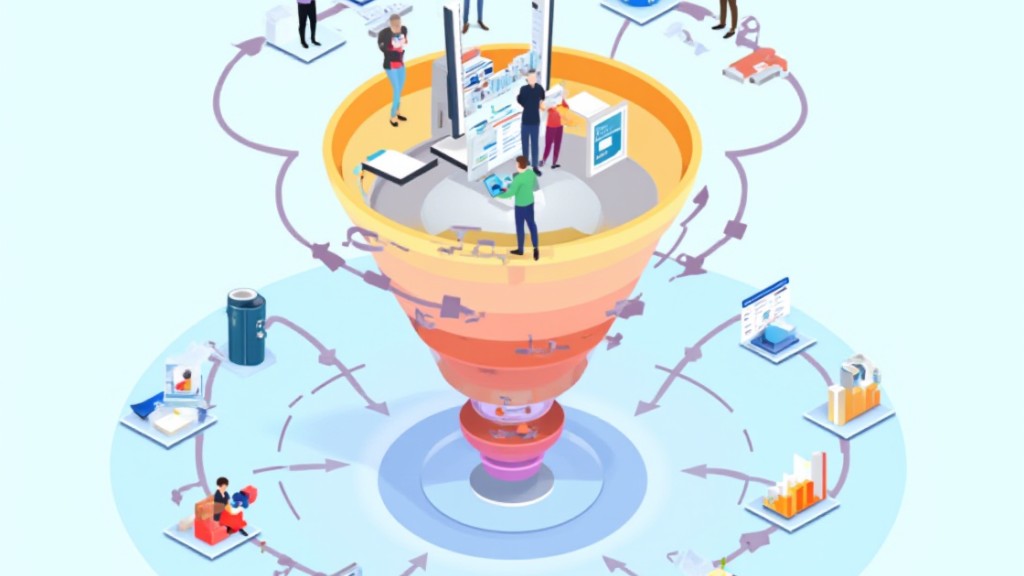
Numerous tools and resources are available to help you effectively implement and manage funnel systems. Using CRM software like HubSpot or Salesforce, you can manage customer interactions, track leads, and analyze data throughout the customer experience. Automation tools, such as Zapier and ActiveCampaign, streamline processes by connecting different applications, enhancing efficiency in your funnel management.
Analytics platforms, including Google Analytics, provide insights into user behavior and funnel performance, helping you identify drop-off points. Funnel building software like ClickFunnels simplifies creating effective sales funnels, whereas A/B testing tools like Optimizely allow you to experiment with different funnel elements.
Here’s a quick overview:
| Tool/Resource | Purpose | Examples |
|---|---|---|
| CRM Software | Manage customer interactions | HubSpot, Salesforce |
| Automation Tools | Streamline tasks | Zapier, ActiveCampaign |
| Analytics Platforms | Analyze user behavior | Google Analytics |
Frequently Asked Questions
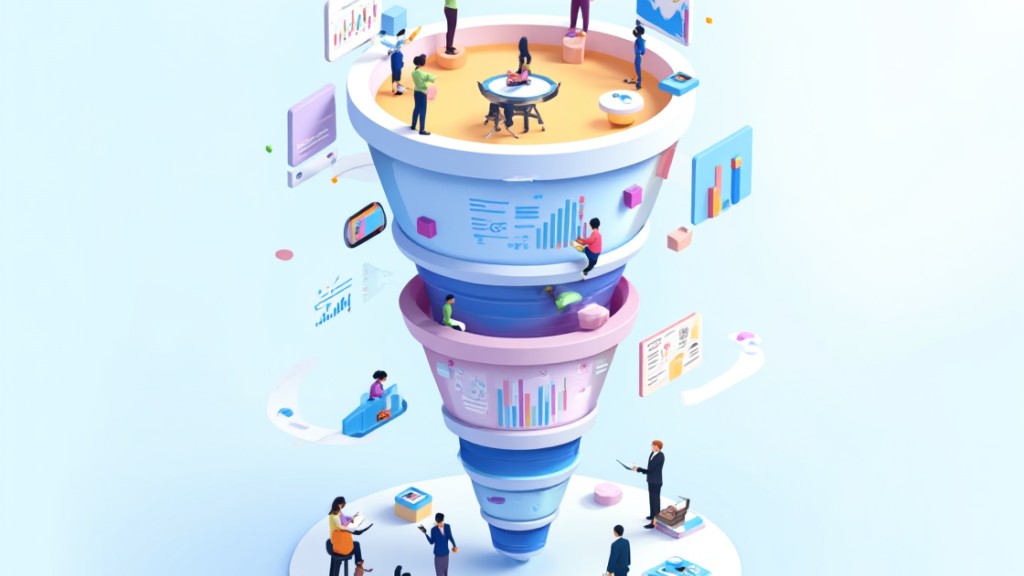
What Is a Funnel System?
A funnel system is a marketing framework that illustrates the stages customers go through before making a purchase.
It typically involves three key phases: Awareness, Consideration, and Decision. Each stage narrows the pool of potential customers as they progress, allowing businesses to tailor their strategies.
How Do Funnels Work?
Funnels work by guiding potential customers through distinct stages: awareness, consideration, and decision-making.
At each stage, you’ll see a decrease in the number of users, reflecting natural drop-off points. To improve engagement and conversion rates, you should tailor your marketing strategies and content to each stage.
What Are the 5 Stages of a Sales Funnel?
The five stages of a sales funnel are Awareness, Interest, Evaluation, Decision, and Action.
In the Awareness stage, you attract potential customers through marketing.
Next, in the Interest stage, they seek more information about your product.
Throughout Evaluation, prospects compare options and consider value.
The Decision stage involves them choosing your offering, whereas in the Action stage, they finalize their purchase, often influenced by incentives like discounts or limited-time offers.
What Is the 3 Funnel Strategy?
The 3 Funnel Strategy consists of three crucial funnels: the Marketing Funnel, Sales Funnel, and Retention Funnel.
Each funnel targets a specific phase in the customer experience. You generate awareness and leads through the Marketing Funnel, shift qualified leads into buyers with the Sales Funnel, and nurture customer loyalty in the Retention Funnel.
Conclusion
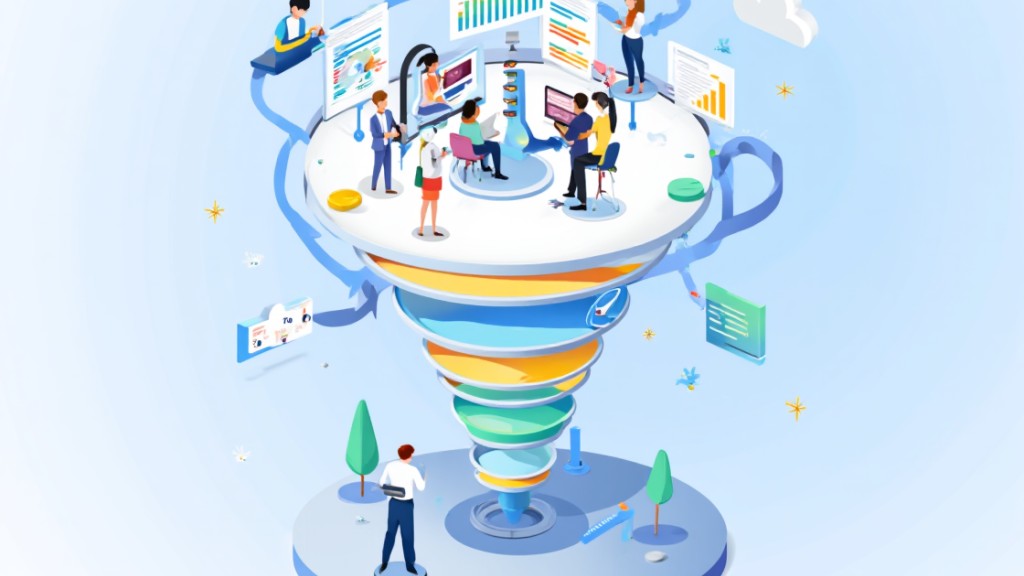
In conclusion, a funnel system is vital for guiding potential customers through their purchasing process, from awareness to conversion. By comprehending its stages—TOFU, MOFU, and BOFU—you can create a structured approach to nurture leads effectively. Building and optimizing your funnel is significant for reducing drop-off rates and improving conversion rates. Avoid common pitfalls and leverage the right tools to improve your funnel system, ensuring a seamless experience for your customers during business growth.
Image via Google Gemini