
Key Takeaways

- Understand Your Market: Grasp audience demographics and analyze competitors to tailor your offerings effectively and carve out your niche in the online clothing market.
- Choose the Right Selling Platforms: Select suitable online marketplaces like eBay or Poshmark based on your target audience and the type of clothing you’re selling, leveraging social media for direct sales.
- Prepare Quality Inventory: Ensure your clothing is in excellent condition by cleaning and maintaining items, as well as focusing on careful packaging to enhance customer satisfaction.
- Create Eye-Catching Listings: Use high-quality photos and engaging descriptions that highlight key details and use relevant keywords for better search visibility.
- Implement Effective Pricing Strategies: Research market prices and consider unique item qualities to set competitive prices, while utilizing promotions and discounts to attract buyers.
- Promote Strategically: Actively engage on social media and collaborate with influencers to enhance visibility and drive sales for your online clothing business.
Selling clothes online can be a game-changer for your wardrobe and your wallet. With the rise of e-commerce, it’s easier than ever to turn those unworn items into cash. Whether you’re decluttering your closet or looking to start a small business, understanding the ins and outs of online selling is crucial.
You’ll discover that the right platforms, effective marketing strategies, and appealing presentation can set you apart from the competition. From photographing your items to writing compelling descriptions, every detail matters. Ready to dive in? Let’s explore how to successfully sell clothes online and make your fashion choices work for you.
Understanding the Market for Online Clothing Sales
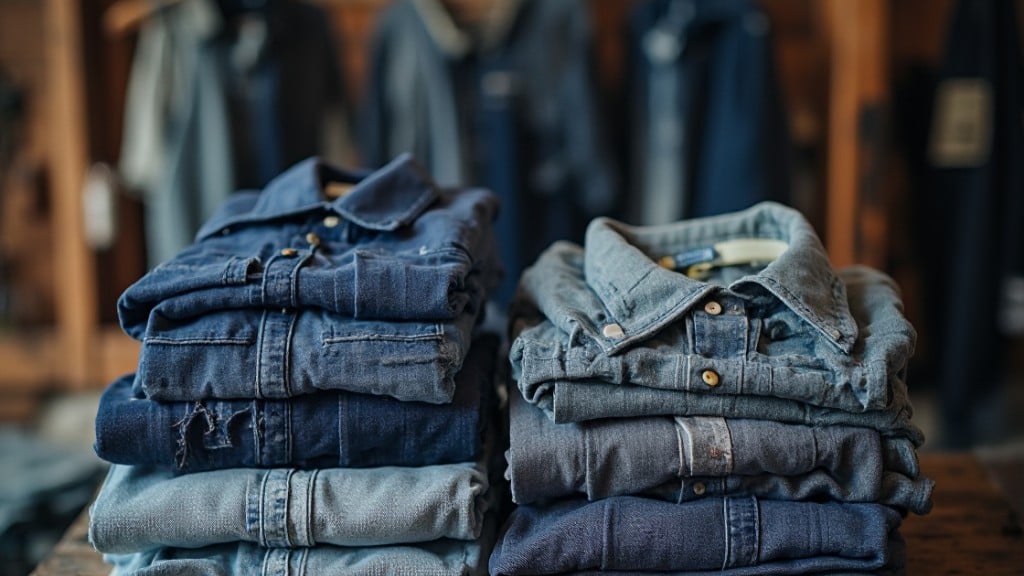
Understanding the online market for clothing sales is crucial for success. You need to grasp various elements, from audience demographics to competitor analysis.
Identifying Your Target Audience
Identifying your target audience involves understanding their preferences, buying habits, and demographics. Focus on characteristics such as age, gender, and lifestyle. Analyze if your target audience consists of fashion-conscious individuals, budget shoppers, or eco-friendly consumers. Use tools like Google Analytics and social media insights to gather data about your potential customers. Tailor your marketing strategies and product offerings to meet the specific needs of this audience.Analyzing Competitors
Analyzing competitors helps you identify market gaps and opportunities. Research other small businesses selling similar clothing. Examine their platforms, pricing strategies, and marketing tactics. Identify their strengths and weaknesses, focusing on customer engagement and product presentation. Tools like SEMrush can assist in assessing their online presence. You can differentiate your offerings by emphasizing unique selling points, such as sustainable materials or exclusive designs. This analysis will guide your strategy to carve out your niche in the online clothing market.Choosing the Right Platforms
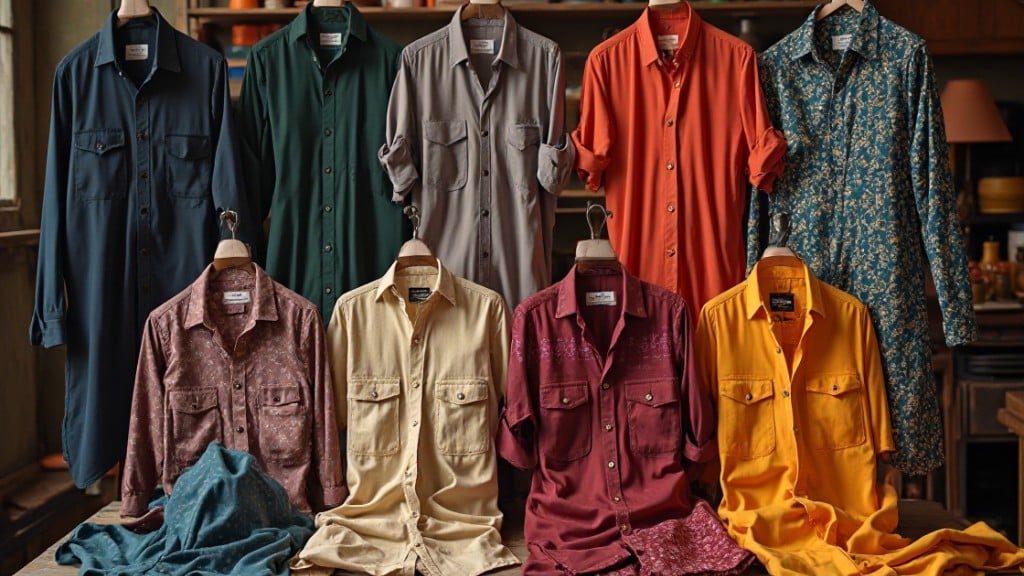
Choosing the right platforms for selling clothes online enhances your small business strategy. Selecting suitable avenues depends on your goals and target audience, along with the type of clothes you offer.
Popular Online Marketplaces
Explore popular online marketplaces to reach potential buyers. Platforms like eBay and Poshmark target varied demographics, allowing you to increase sales effectively. For luxury clothing, consider Vestiaire Collective or The RealReal. These marketplaces cater to customers seeking high-end items, aligning with your branding if you target this segment. ThredUP excels in women’s and children’s clothing, making it a solid choice for those specific categories. Evaluate customer reviews and platform fees to ensure profitability for your small business.
Social Media Selling
Utilize social media for selling clothes directly to your audience. Platforms like Instagram and Facebook offer excellent tools for promotion and engagement. You can showcase your products through compelling visuals and connect with prospective buyers. Use features like Instagram Shopping to streamline the purchasing process, allowing customers to shop directly from your posts. For increased exposure, leverage targeted ads and collaborations with influencers. This strategy can create brand awareness and drive sales, benefiting your small business significantly.Preparing Your Inventory
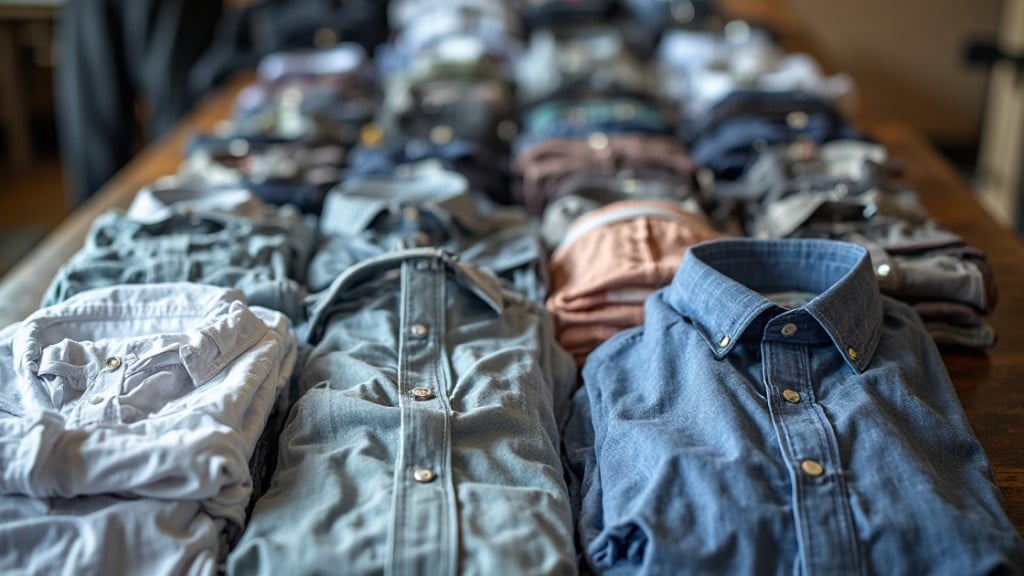
Preparing your inventory effectively enhances your chances of successful online clothing sales. Focus on the details to attract buyers and build a reputable small business.
Cleaning and Maintenance
Prior to listing your clothes, ensure they’re in excellent condition. Wash or dry-clean each item to freshen it up. Fix loose buttons and threads, then iron or steam to eliminate wrinkles. Buyers prefer quality, so take the time to present each piece in its best possible shape.
Packaging
Use careful packaging to protect items during shipping. Recycled materials provide an eco-friendly option, while secure packaging prevents wrinkles or damage. A well-packaged item demonstrates your professionalism and commitment to customer satisfaction, which can lead to repeat sales and positive reviews.
Inventory Audits
For those managing a larger inventory, conducting regular audits is essential. Ensure accuracy to minimize errors, as this affects your sales and operational efficiency. Utilize technological tools like RFID Journal for real-time tracking, enhancing inventory management and helping your small business run smoothly.Setting Up Your Online Store

Setting up your online store effectively plays a crucial role in driving sales for your small business. Use the following strategies to build a strong foundation for your clothing sales.
Creating Eye-Catching Listings
Create eye-catching listings to attract buyers and showcase your clothing. Use high-quality photographs to highlight your items from different angles. Incorporate natural lighting and clear backgrounds for a professional look. Additionally, write engaging descriptions that include relevant details like fabric type, size, and care instructions. Use storytelling elements when applicable to connect with your audience emotionally. Utilize keywords related to your products for better visibility in search results. Include size charts or fit guides to assist buyers in making informed decisions.
Pricing Strategies
Implement effective pricing strategies to ensure competitiveness and profitability. Research market trends and competitor pricing to understand what similar items sell for. Price your clothing based on their condition, brand value, and uniqueness; for instance, vintage or limited-edition items can command higher prices. Consider offering discounts for bulk purchases or seasonal promotions to incentivize buyers. Use psychological pricing techniques, such as pricing an item at $29.99 instead of $30, as this often influences perceived value. Always keep your target audience in mind when setting prices to ensure they reflect your small business’s position in the market.
Promoting Your Clothing Online

Effectively promoting your clothing online requires strategic use of social media and partnerships with influencers. These methods help increase visibility and drive sales for your small business.
Utilizing Social Media Marketing
Engaging actively on platforms like Instagram, Facebook, and TikTok presents significant promotional opportunities. Create eye-catching content that showcases your clothing uniquely, using diverse formats such as stories, reels, and posts. For example, behind-the-scenes looks and customer testimonials can build an authentic connection. Use targeted ads to reach specific demographics, ensuring your promotions align with the interests of potential buyers. Track engagement metrics to refine strategies and optimize your outreach over time.Leveraging Influencer Partnerships
Collaborating with influencers in the fashion niche amplifies your reach and credibility. Identify influencers whose audience aligns with your target market. Establishing partnerships can involve sending free samples in exchange for reviews or features. Ensure these collaborations reflect your brand values to create a genuine connection with their followers. Influencer promotions can lead to increased sales, particularly if they include discount codes or special offers for their audience.
Conclusion
Selling clothes online can be a rewarding venture that not only clears out your closet but also boosts your income. By understanding your target audience and choosing the right platforms you can effectively position your items for sale.
Remember to present your clothes attractively with quality photos and engaging descriptions. Utilize social media and influencer partnerships to expand your reach and drive sales.
With the right strategies in place you can build a successful online clothing business that stands out in a competitive market. So take the plunge and start your online selling journey today.
Frequently Asked Questions

What are the benefits of selling clothes online?
Selling clothes online helps declutter your wardrobe while generating income. It enables you to reach a wider audience, allowing your items to find buyers quickly. Additionally, online selling reduces overhead costs compared to traditional retail, and it provides flexibility in managing your sales from anywhere.
How do I choose the right platform for selling clothes?
Select a platform that aligns with your goals and target audience. Popular options include eBay, Poshmark, and Depop, each catering to different demographics. Consider the type of clothing you’re selling and the fees associated with each platform to ensure you maximize your profits.
What strategies can I use to market my clothing online?
Effective marketing strategies include utilizing social media, engaging with influencers, and running targeted ads. Create eye-catching content and interact with your audience to build a community around your brand. Using storytelling in your listings can also enhance engagement and attract potential buyers.
How can I present my clothing items attractively?
To present your items well, use high-quality photographs that showcase details and fit. Write engaging descriptions that include key details, and tell a story about the item to connect with potential buyers. Proper lighting and staging can make a significant difference in visual appeal.
Why is understanding my target audience important?
Knowing your target audience helps you tailor your offerings to meet their preferences and buying habits. Analyzing demographics using tools like Google Analytics enables you to create more compelling listings and strategic marketing efforts, leading to higher sales.
What should I do to prepare my inventory for sale?
Ensure that all items are clean and in excellent condition before listing. Take thorough photographs, package items securely using eco-friendly materials, and conduct regular audits of your inventory to maintain accuracy and operational efficiency.
How do I set competitive prices for my clothing items?
Research market trends and competitor pricing to determine competitive price points. Consider the condition and uniqueness of your items, and implement psychological pricing strategies to enhance perceived value. Offering discounts for bulk purchases can also encourage sales.
What role does social media play in promoting clothing sales?
Social media platforms are vital for increasing visibility and engaging with potential customers. Regularly posting eye-catching content on sites like Instagram and TikTok helps attract attention. Collaborating with influencers can also enhance your reach and credibility within your target market.
Image via Google Gemini