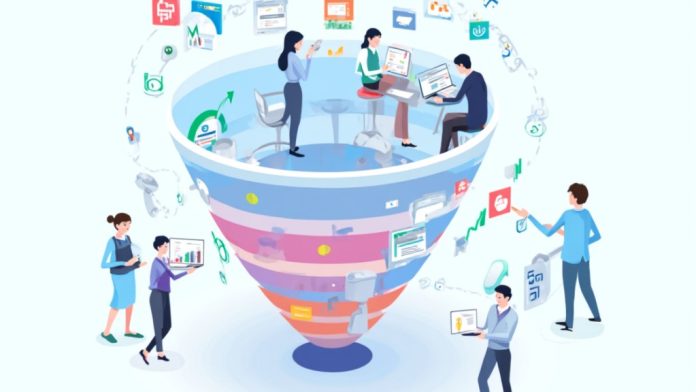
A marketing sales funnel is a systematic approach that outlines the process customers take from discovering your brand to making a purchase. It consists of distinct stages: awareness, interest, decision, and action, each designed to guide prospects effectively. Comprehending how this funnel operates can greatly influence your marketing strategies and customer engagement. By optimizing each stage, you can improve conversion rates. But what specific strategies can you implement at each stage to maximize results?
Key Takeaways
- A marketing sales funnel illustrates the customer journey from initial awareness of a brand to the final purchase decision.
- The funnel consists of stages: awareness, interest, decision, and action, each requiring tailored content to engage prospects effectively.
- Companies with a well-defined funnel can improve conversion rates by up to 20% through optimized customer experiences and follow-ups.
- Follow-ups are crucial as nearly 80% of leads require consistent engagement to move through the funnel stages successfully.
- Analyzing drop-off rates helps identify weaknesses in the funnel, allowing for targeted strategies to re-engage potential customers.
Understanding the Marketing Sales Funnel
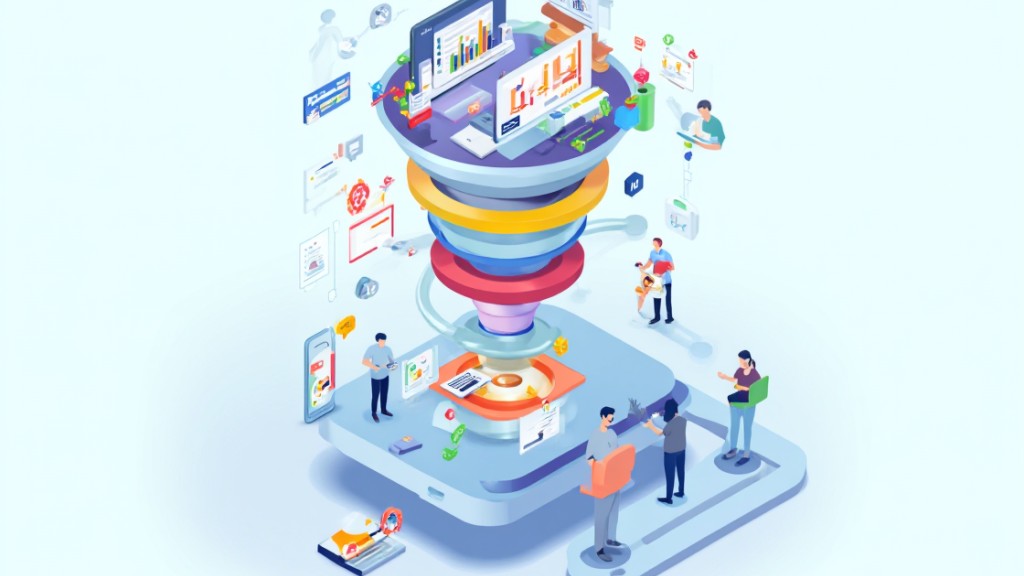
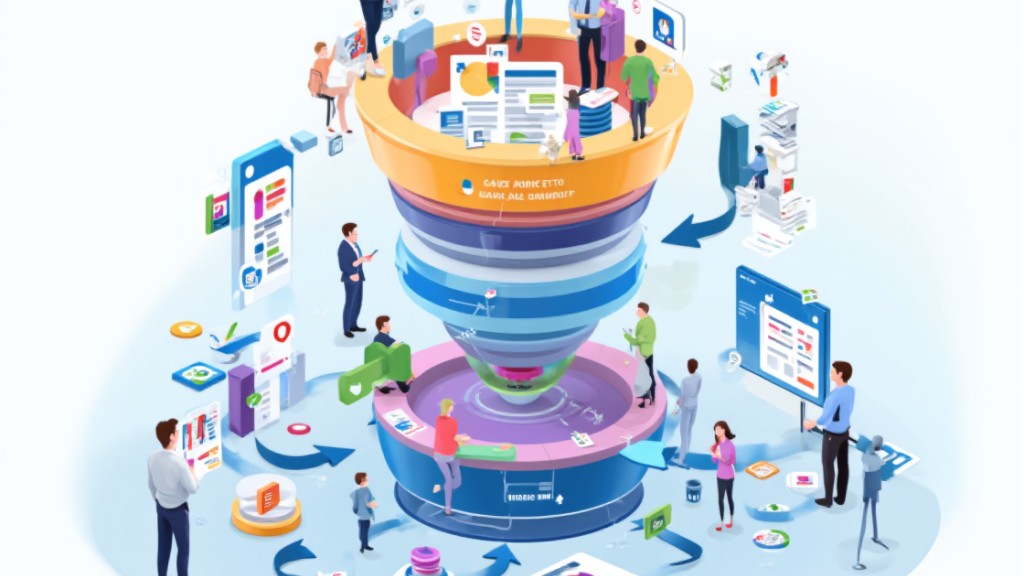
When you understand the marketing sales funnel, you can effectively guide potential customers through their path from awareness to purchase. This funnel visually represents the customer experience, starting with a broad audience in the awareness stage. Here, prospects first interact with your brand via social media, ads, or content marketing.
As they move to the interest stage, they engage with educational materials, allowing them to compare your offerings against competitors. In the decision stage, prospects assess pricing and product details, often aided by your sales team or promotional incentives. It’s essential here to address their concerns and provide clarity.
Finally, the action stage marks the conversion, where prospects complete their purchase. To improve retention, implement follow-ups and nurture relationships post-purchase. Utilizing strategies like an email marketing funnel can effectively support each stage, ensuring a seamless shift from awareness to action, eventually leading to higher sales and customer loyalty.
The Stages of a Marketing Sales Funnel
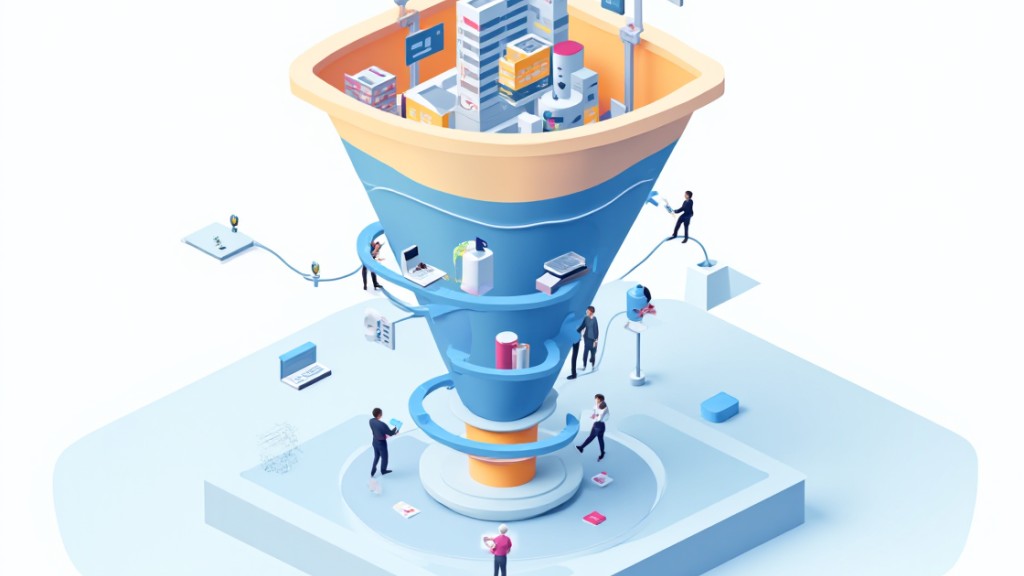
The marketing sales funnel consists of four distinct stages: Awareness, Interest, Decision, and Action, each representing a crucial step in the customer experience.
In the Awareness stage, potential customers first encounter your brand through targeted campaigns like social media ads and blog posts.
Once aware, they move to the Interest stage, where they engage with educational materials such as webinars and whitepapers to assess if your offerings suit their needs.
As prospects enter the Decision stage, they conduct a deeper evaluation, comparing options often guided by case studies and customer testimonials.
Finally, in the Action stage, customers make their purchase decisions. To maximize this stage, businesses frequently implement a sales funnel email sequence, which helps encourage repeat purchases and cultivates customer loyalty.
Importance of a Marketing Sales Funnel
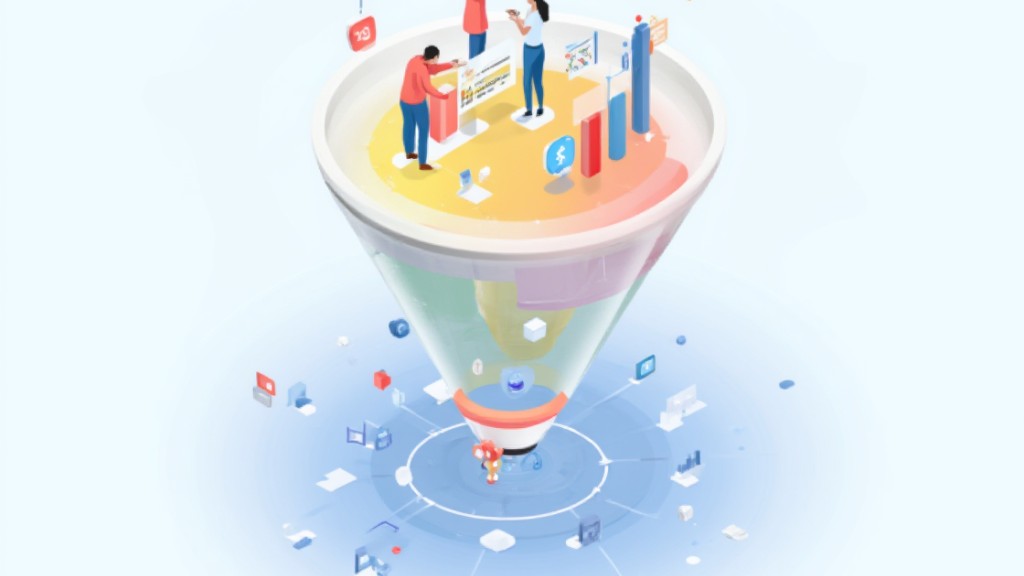
Comprehending the importance of a marketing sales funnel can greatly impact your business’s success. A marketing sales funnel provides a structured path for potential customers, guiding them from the initial awareness of your brand to making a purchase decision.
This clarity helps you understand and optimize the customer experience. By visualizing the sales process, you can identify bottlenecks and gaps, allowing for targeted improvements that boost conversion rates and sales efficiency.
Engaging prospects through customized content at each stage nurtures leads, enhancing retention. Research indicates that nearly 80% of leads won’t convert without consistent follow-up, emphasizing the need for a well-managed marketing sales funnel.
Companies with clear sales funnels experience significant increases in customer engagement, with studies showing a potential 20% improvement in conversion rates and sales productivity.
Therefore, implementing an effective marketing sales funnel is crucial for maximizing your business’s performance and achieving long-term success.
Content Marketing Strategies for Each Stage
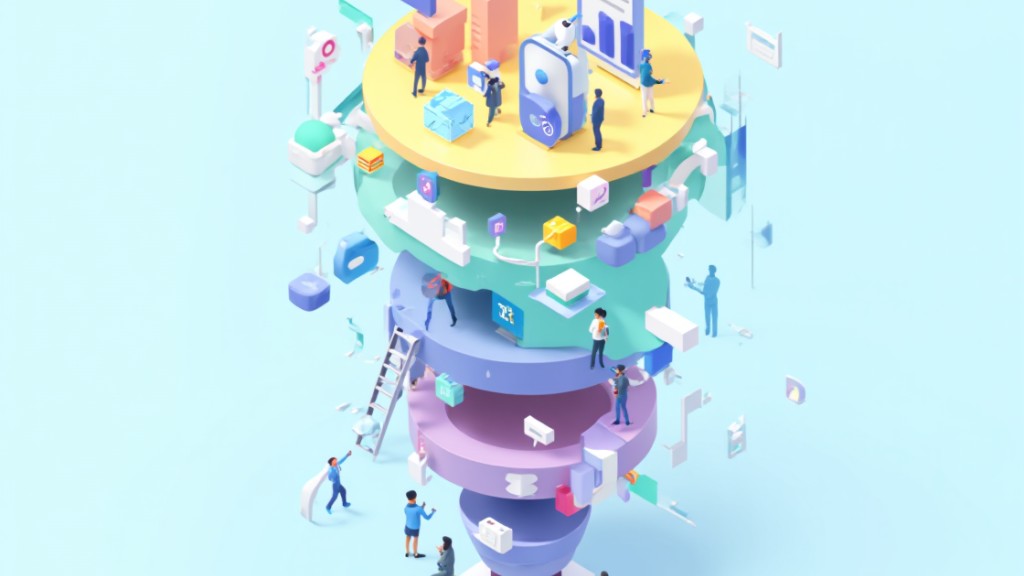
Content marketing strategies play a crucial role at every stage of the marketing sales funnel, guiding potential customers as they progress from awareness to decision-making.
In the awareness stage, you should focus on creating SEO-driven blog posts, social media updates, and infographics that build brand recognition.
As leads enter the interest stage, offering downloadable content like eBooks, whitepapers, and webinars can engage them and provide valuable information that cultivates connections.
During the evaluation stage, leverage customer stories, testimonials, and product demos to position your brand as a trusted choice.
Finally, in the negotiation and decision stage, providing detailed product comparisons, pricing guides, and limited-time offers addresses remaining questions, facilitating purchase decisions.
Defining Your Ideal Customer Profile
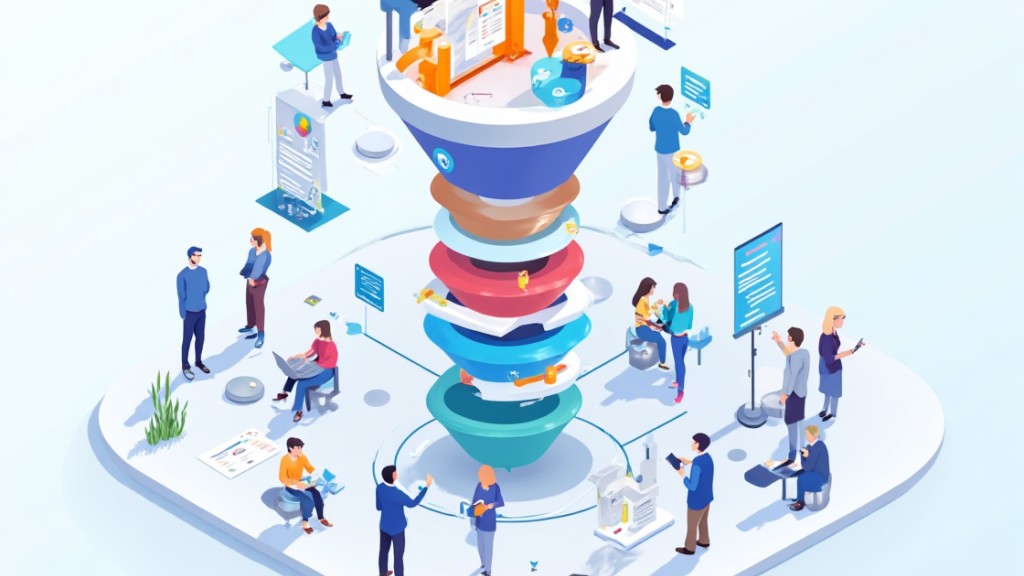
Defining your Ideal Customer Profile (ICP) is essential for creating effective marketing strategies that resonate with the right audience. Your ICP should detail the characteristics of customers who benefit most from your products or services, including demographics, firmographics, and psychographics.
To define your ICP, analyze your existing customer base to identify common traits. Conduct market research and gather customer feedback to gain insights into potential customers’ needs and preferences. A well-defined ICP aids in tailoring your marketing strategies and content, making your customer experience marketing funnel more efficient. Regularly updating your ICP using data from analytics and CRM systems guarantees your comprehension evolves with changing market conditions.
| Attribute | Description |
|---|---|
| Demographics | Age, gender, income |
| Firmographics | Industry, company size |
| Psychographics | Interests, values, lifestyle |
| Needs | Pain points, challenges |
| Behavior | Purchase patterns, engagement |
Building and Nurturing Your Sales Funnel
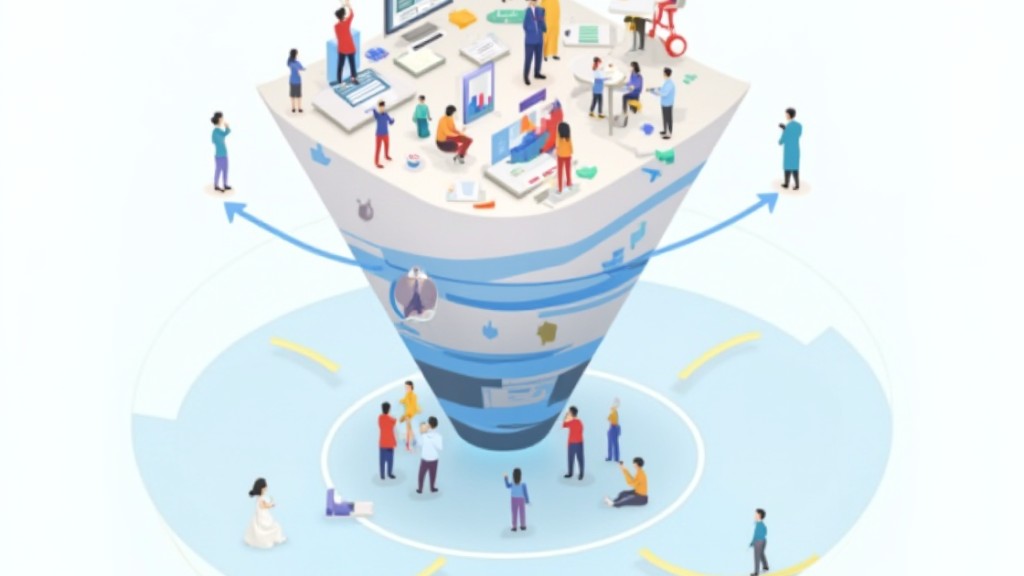
To build and nurture your sales funnel effectively, start by identifying quality leads that align with your ideal customer profile.
Engaging these prospects with relevant content at each stage of their buying path is essential for enhancing conversion rates.
Furthermore, implementing effective follow-up strategies, like automated email campaigns, can help address objections and keep your audience informed, in the end driving more sales.
Identifying Quality Leads
Identifying quality leads is crucial for building an effective sales funnel, as it allows you to focus your efforts on individuals who are most likely to convert into customers. Start by analyzing existing customer data to create detailed buyer personas that align with your ideal customer profile (ICP). Utilize lead generation strategies like social media contests and personalized sales funnel emails to increase engagement.
| Lead Scoring Criteria | Actionable Strategies |
|---|---|
| Demographics | Personalized email campaigns |
| Behavior | Free trials and webinars |
| Engagement | Continuous data monitoring |
Implement a lead scoring model to prioritize high-quality leads, and nurture them with customized content, cultivating stronger relationships that enable the shift from interest to purchase.
Engaging Relevant Audiences
How can you effectively engage relevant audiences at every stage of your sales funnel? Start by creating customized content that addresses your audience’s specific needs, from awareness to decision-making.
Utilize data from analytics and CRM systems to refine your Ideal Customer Profile (ICP), which improves lead targeting. Engaging strategies like social media contests or free trials can capture attention and drive traffic into your sales funnel.
Furthermore, nurturing leads through personalized email campaigns, often referred to as mail funnels, is vital. This cultivates deeper relationships, improving retention rates and customer loyalty.
Effective Follow-Up Strategies
Effective follow-up strategies are crucial for building and nurturing your sales funnel, as they can greatly boost conversion rates. Remember, 80% of sales require five follow-ups to close, yet only 44% of sales reps follow up more than once.
To improve your approach, consider these strategies:
- Implement automated email campaigns to address specific objections and provide customized educational content.
- Maintain timely follow-ups; contacting new leads within five minutes increases their likelihood of conversion nine times.
- Utilize a CRM system for personalized follow-ups, sending targeted emails that resonate with your leads’ needs.
Analyzing follow-up frequency helps identify effective strategies, as 46% of leads often require 3-5 interactions to move through the purchase funnel successfully.
Measuring the Success of Your Marketing Sales Funnel
Measuring the success of your marketing sales funnel is essential for comprehending its effectiveness and identifying opportunities for improvement. To do this, track key performance indicators (KPIs) like conversion rates at each funnel stage. This helps pinpoint bottlenecks and areas needing attention. Furthermore, consider metrics such as customer acquisition cost (CAC) and customer lifetime value (CLV) to evaluate cost-effectiveness and long-term revenue potential.
Analyzing drop-off rates reveals where potential customers are lost, allowing for targeted engagement strategies. Implement A/B testing on elements like landing pages and calls-to-action to optimize conversion rates. Regularly gather customer feedback through surveys or interviews to refine their experience within the funnel.
| KPI | Importance | Recommended Action |
|---|---|---|
| Conversion Rates | Identify bottlenecks | Adjust strategies accordingly |
| Customer Acquisition Cost | Evaluate cost-effectiveness | Monitor and optimize spending |
| Drop-off Rates | Highlight loss points | Improve engagement tactics |
Frequently Asked Questions
How Does a Marketing Funnel Work?
A marketing funnel works by guiding potential customers through distinct stages: awareness, interest, consideration, and conversion.
At each stage, you use specific strategies and content types to engage them effectively. For instance, you might create blog posts to generate awareness, offer informative case studies for consideration, and present promotional offers to encourage conversion.
What Is the 10 3 1 Rule in Sales?
The 10-3-1 Rule in sales suggests you should share ten pieces of content to engage your audience, create three interactive pieces to encourage discussions, and promote one product or service directly.
This approach focuses on building trust and relationships rather than just selling. By balancing informative content with promotional material, you improve audience engagement and retention, leading to better conversion rates as you address your audience’s interests effectively.
What Are the 5 Stages of a Sales Funnel?
The sales funnel consists of five stages: Awareness, Interest, Decision, Intent, and Action.
In the Awareness stage, customers first learn about your brand.
During Interest, they engage with your content, evaluating its relevance.
The Decision stage involves comparing options, often with your assistance.
As they reach the Intent stage, customers are ready to choose, leading to the Action stage where they finalize their purchase, transforming into actual customers and opening opportunities for loyalty.
What Is a Sales Funnel and How Does It Work?
A sales funnel is a structured approach to guide potential customers from their first encounter with your product to making a purchase.
It consists of several stages: Awareness, Interest, Evaluation, Decision, and Action. Each stage requires customized marketing strategies to engage prospects effectively.
Conclusion
In summary, comprehension and effectively utilizing a marketing sales funnel is essential for guiding potential customers through their purchasing path. By recognizing the distinct stages—awareness, interest, decision, and action—you can tailor your strategies to engage prospects effectively. Defining your ideal customer profile and measuring your funnel’s success will further improve your marketing efforts. By nurturing relationships throughout this process, you increase your chances of conversions and promote long-term customer loyalty.
Image via Google Gemini