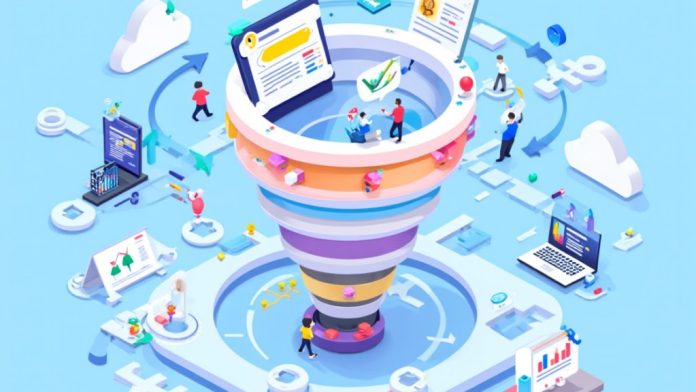
An online funnel is a systematic approach designed to guide potential customers from the moment they become aware of your product to the final purchase decision. It consists of distinct stages—awareness, consideration, and decision—that target specific customer needs at each phase. Comprehending how these stages work together can considerably improve your marketing strategy. As you explore the components of an effective online funnel, you’ll discover how to optimize each step for better results.
Key Takeaways
- An online funnel is a marketing model guiding potential customers from awareness to purchase through distinct stages: awareness, interest, decision, and action.
- Each stage of the funnel requires tailored content and strategies to effectively engage and nurture leads toward conversion.
- The funnel emphasizes understanding customer behavior, allowing businesses to optimize marketing efforts and improve conversion rates.
- Continuous monitoring of metrics, such as conversion rates and drop-off points, is vital for refining and enhancing the funnel’s effectiveness.
- Successful examples like HubSpot and Amazon illustrate the application of unique strategies to engage users and drive sales through online funnels.
Understanding the Concept of an Online Funnel

When you think about how potential customers interact with your product or service, it’s essential to comprehend the concept of an online sales funnel. This structured process guides users from initial awareness to final purchase, effectively converting casual browsers into paying customers.
Funnel mapping is vital in this situation, as it visually represents each stage of the progression: awareness, interest, desire, and action. Each phase requires customized marketing strategies to engage users effectively.
For instance, in the awareness stage, you might use social media ads to catch attention, whereas email marketing can nurture leads in the desire stage. Grasping customer behavior at each stage is crucial for optimizing your marketing efforts and improving conversion rates.
The Importance of Online Funnels in Digital Marketing
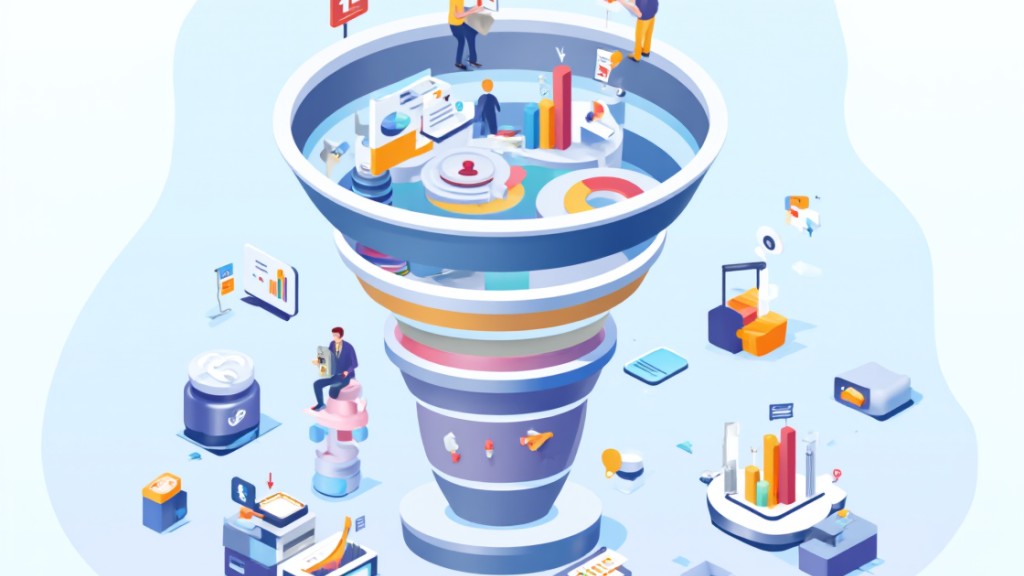
Online funnels play an essential role in driving conversions effectively by guiding potential customers through each stage of their buying experience.
By enhancing lead engagement with targeted content and automated communication, they address customer needs and concerns, boosting the likelihood of making a purchase.
In the end, comprehending the importance of these funnels can greatly impact your marketing strategy and improve your overall sales outcomes.
Driving Conversions Effectively
Effective online funnels play an essential role in driving conversions by guiding potential customers through a structured buying process. By leveraging the AIDA framework—Attention, Interest, Desire, and Action—you can effectively attract and engage your target audience.
Each stage of the funnel, including Awareness, Interest, Evaluation, Decision, and Action, allows you to tailor your marketing strategies, optimizing content and communication. Implementing follow-up strategies, like email marketing and remarketing, can greatly improve your conversion rates, as studies show nurturing leads can boost sales by up to 20%.
Partnering with a funnel marketing company can help you analyze key metrics to identify gaps in your strategy, ultimately resulting in better engagement, enhanced conversions, increased revenue, and improved customer loyalty.
Enhancing Lead Engagement
How can you improve lead engagement in your digital marketing efforts? By leveraging online funnels, you can guide leads through a structured expedition, enhancing their engagement. Utilize targeted content at each funnel stage to nurture leads effectively. Incorporating email marketing allows for personalized follow-ups, ensuring continuous engagement. Furthermore, engaging leads through webinars and social media can greatly boost brand awareness.
Here’s a table summarizing key strategies for enhancing lead engagement:
| Funnel Stage | Strategy | Purpose |
|---|---|---|
| Awareness | Targeted Content | Capture attention |
| Interest | Email Follow-ups | Maintain interest |
| Action | Webinars/Social Media | Encourage conversion |
Consider funnel training to optimize these strategies and improve your overall funnel performance.
The Stages of an Online Funnel
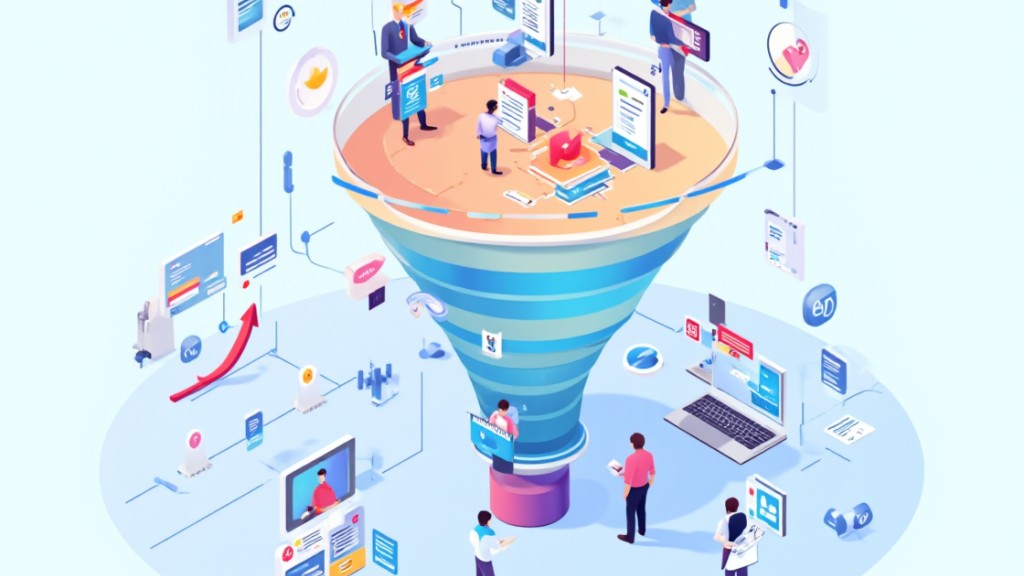
Grasping the stages of an online funnel is essential for effective marketing.
You start with the Awareness stage, where strategies like landing pages and ads attract potential customers.
As they move through Engagement and Consideration, you provide valuable content and address their concerns, finally guiding them to the Conversion stage where effective calls-to-action complete the sale and nurture retention.
Awareness Stage Essentials
As potential customers first encounter your brand during the awareness stage of an online sales funnel, it’s vital to make a strong impression that piques their interest.
This stage is where potential customers learn about your product or service, mainly through targeted ads, blog posts, and social media content. To capture a broad audience, you should use tools like landing pages and lead magnets.
Incorporating SEO-driven content and regular social media updates can help reach those unfamiliar with your brand. Metrics such as website traffic and engagement rates are significant in evaluating your awareness campaigns’ effectiveness.
Engagement and Consideration
Once potential customers move beyond the awareness stage, they enter the engagement and consideration phases of the online funnel. In these stages, it’s essential to nurture leads by providing valuable content that addresses their needs.
Here are three effective strategies to implement:
- Offer targeted content like webinars and newsletters to engage your audience.
- Present compelling case studies and testimonials to help prospects compare options.
- Utilize marketing automation tools to monitor engagement levels and tailor your communications.
As prospects download resources or sign up for newsletters, they indicate their readiness to explore further.
A marketing funnel agency can assist you in creating personalized email campaigns that guide leads through their decision-making path, ultimately enhancing conversion potential.
Conversion and Retention Strategies
To effectively convert leads into paying customers and retain them long-term, businesses must implement targeted strategies throughout the online funnel. Each stage demands specific approaches.
In the awareness stage, leverage landing pages and social media ads to attract potential customers unfamiliar with your brand.
Next, in the interest stage, engage prospects with educational content like webinars and whitepapers to maintain their attention.
As you move into the desire stage, personalize communication and create segmented offers that meet individual needs, guiding them toward a purchase.
Finally, post-purchase strategies are essential for retention. Follow up with customers and utilize upselling and cross-selling techniques to improve their lifetime value.
Consider taking a sales funnel course for deeper insights into these effective strategies.
Stage 1: Awareness
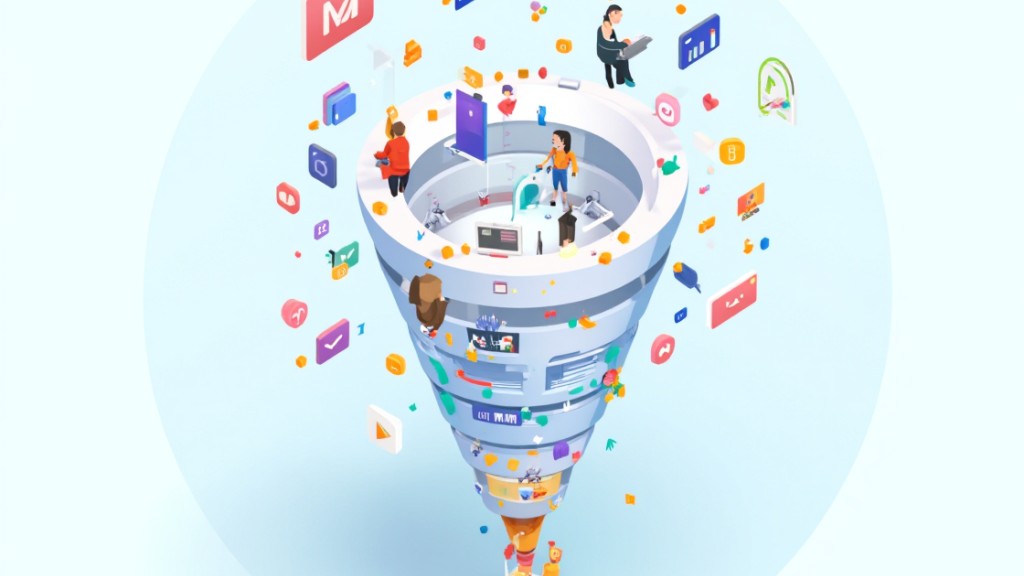
How do potential customers first learn about your product or service? In the awareness stage, you aim to capture their attention through various marketing channels. Here’s how you can effectively generate awareness:
Utilize targeted advertising on platforms like Facebook and Instagram to reach specific demographics. Create engaging content such as blog posts and videos that educate potential customers about their needs and how your offering can meet those needs. Leverage an AI funnel builder to streamline your landing pages and sign-up forms, making it easy for prospects to engage with your brand.
During this stage, the primary goal is to attract a large audience of prospects unfamiliar with your brand.
You’ll want to monitor metrics like website traffic, social media engagement rates, and the number of leads captured to evaluate your success.
This foundational step is essential for moving potential customers further down the funnel.
Stage 2: Consideration
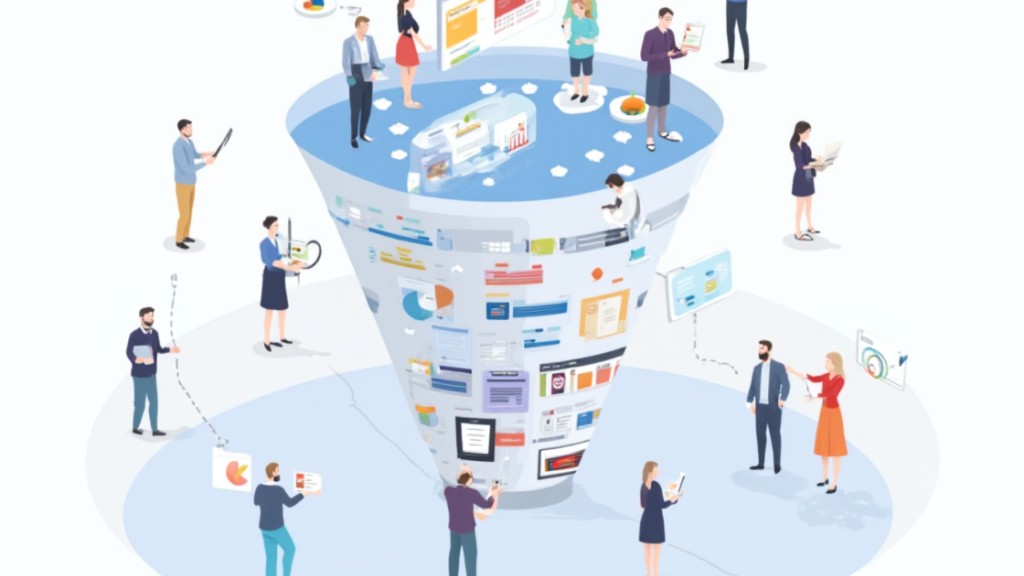
As potential customers move into the consideration stage of the online sales funnel, they begin actively researching and comparing different options available to them.
At this point, your focus should be on providing valuable content that educates them about your offerings. This is where content marketing becomes crucial; you can use whitepapers, case studies, and webinars to inform potential buyers.
Effective engagement strategies, like personalized email campaigns and retargeting ads, help maintain interest. Utilizing marketing automation tools allows you to track user interactions, enabling targeted communication with interested individuals.
Furthermore, leveraging customer testimonials and social proof boosts your credibility, reinforcing the value of your products.
If you’re working with a funnel design agency, they can assist in optimizing these strategies to guide prospects effectively through this stage, ensuring you stay top-of-mind as they evaluate their options.
Stage 3: Decision
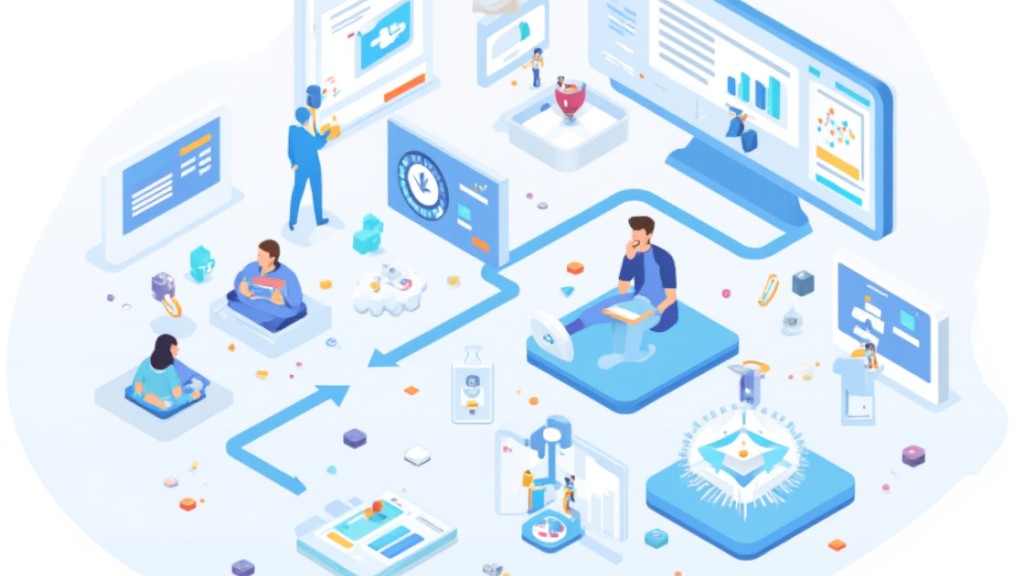
Once potential customers reach the Decision stage of the online sales funnel, they actively evaluate their options, making this a crucial moment for your marketing efforts.
During this stage, it’s important to provide targeted communication that highlights product benefits as well as addressing any lingering concerns. Consider implementing these strategies:
- Create detailed product comparisons to help clarify differences.
- Offer funnel pricing guides that outline costs and available discounts.
- Showcase testimonials to build trust and credibility.
Engaging customers effectively might include sending personalized emails with compelling offers or limited-time discounts to create urgency.
Furthermore, utilize remarketing tactics, like abandoned cart emails, to remind potential customers of products they showed interest in but didn’t purchase.
Data-driven insights from customer behavior at this stage can refine your marketing strategies, eventually enhancing the overall efficacy of your sales funnel and increasing conversion rates.
Strategies for Building an Effective Online Funnel
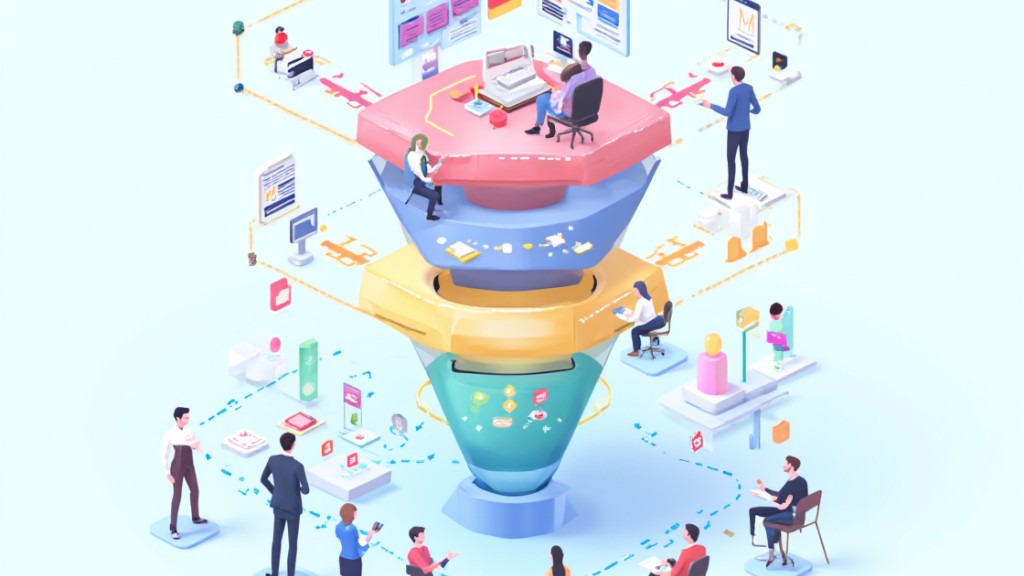
Building an effective online funnel requires a strategic approach that starts with grasping your target audience’s needs and preferences.
Begin by creating compelling content that resonates with them, utilizing formats like blog posts, videos, and infographics to capture attention in the awareness stage. This content is essential for attracting potential customers interested in your offerings.
Next, implement landing pages particularly designed for lead capture. Use clear calls-to-action and strong value propositions to convert visitors into leads during the interest stage.
To nurture these leads, leverage email marketing for personalized communication and educational content, guiding them from consideration to decision-making stages.
For online courses with funnels, continuously analyze your funnel’s performance by monitoring key metrics such as conversion rates and customer engagement.
This data-driven approach allows you to adjust your strategies effectively, ensuring your online funnel remains relevant and effective in meeting your audience’s needs.
Analyzing and Optimizing Your Online Funnel
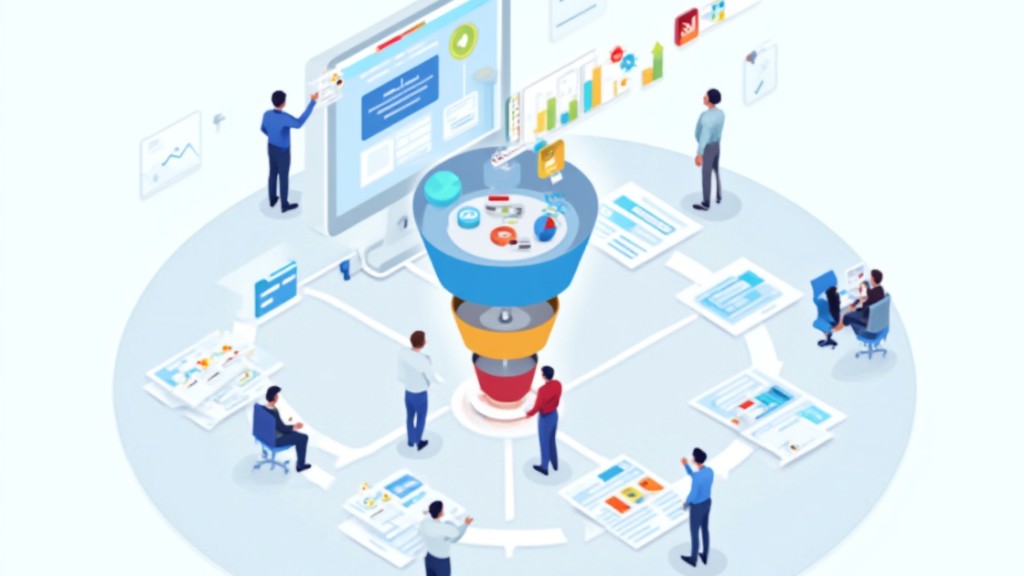
Analyzing your online funnel is crucial for identifying strengths and weaknesses that impact customer conversion.
To effectively optimize your funnel, consider these key strategies:
- Track Metrics: Regularly monitor conversion rates and drop-off points at each stage to pinpoint areas needing improvement.
- A/B Testing: Use A/B testing for landing pages and email campaigns to compare different versions, determining which drives better engagement and conversions.
- Audience Segmentation: Segment your audience based on interactions to tailor your communication, enhancing effectiveness and boosting conversion rates.
Real-World Examples of Successful Online Funnels
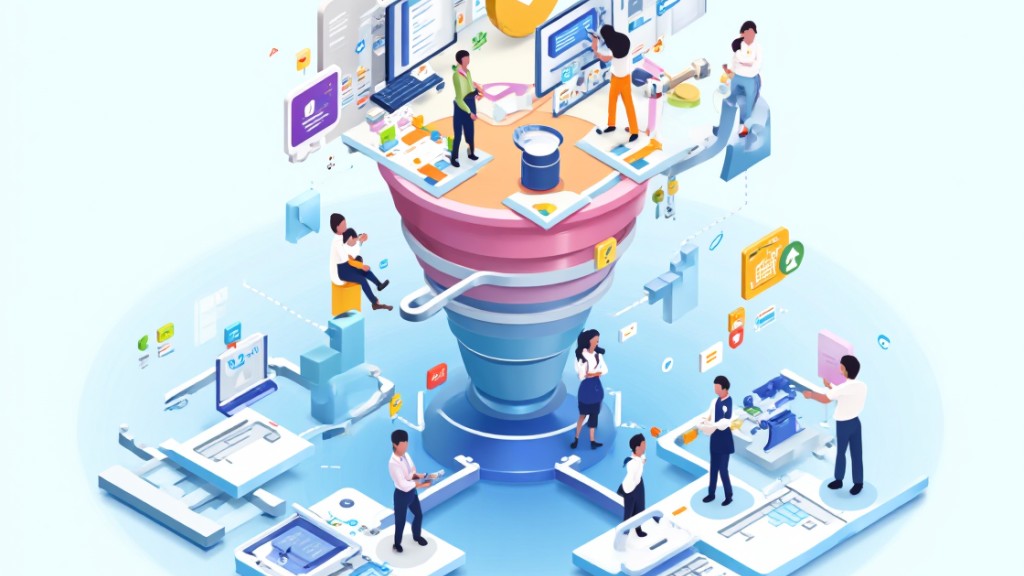
Successful online funnels can considerably influence a business’s ability to convert visitors into customers, as evidenced by various real-world examples. Companies like HubSpot leverage the AIDA framework, drawing in users with informative blog posts and nurturing them with downloadable resources. Amazon thrives with personalized recommendations and email reminders for abandoned carts, effectively driving conversions. Coursera attracts users through free courses and targets them with advertisements for paid programs, showcasing social proof. Dropbox’s viral referral program encourages users to invite friends for extra storage, broadening its reach. Finally, Slack‘s freemium model allows users to explore features before upselling premium plans, adapting to their needs.
Here’s a marketing funnel visual for clarity:
| Company | Funnel Strategy | Key Element |
|---|---|---|
| HubSpot | AIDA Framework | Informative blog posts |
| Amazon | Personalized Recommendations | Targeted email reminders |
| Coursera | Free Courses to Paid Programs | Social proof and testimonials |
| Dropbox | Viral Referral Program | Incentives for user invites |
| Slack | Freemium Model | Upselling based on usage |
Frequently Asked Questions
What Is the Main Purpose of a Funnel?
The main purpose of a funnel is to systematically guide potential customers through their buying path.
It helps you convert casual browsers into paying customers by addressing their needs at each stage.
By analyzing performance metrics, you can identify gaps in your sales process and refine your strategies.
This structure improves customer relationships, increases the likelihood of repeat purchases, and ultimately boosts your overall sales outcomes.
How to Create an Online Funnel?
To create an online funnel, start by identifying your target audience and their needs.
Craft compelling landing pages that offer valuable content or incentives, encouraging sign-ups.
Then, implement an email marketing strategy to nurture leads through personalized communication.
Utilize analytics tools to track performance and key metrics, enabling you to identify areas for improvement.
Finally, continuously refine your funnel based on data insights, testing various approaches to improve user engagement and maximize conversions.
Is a Funnel Better Than a Website?
A funnel can be more effective than a traditional website for driving conversions. It focuses on guiding potential customers through a defined buying process, using targeted landing pages that highlight specific offers.
These elements can remarkably boost conversion rates. Furthermore, funnels provide better analytics, allowing you to track user behavior and optimize your marketing strategies.
Conversely, websites often serve as general information hubs without a clear path to purchase.
What Is an Example of a Funnel?
An example of a funnel can start with Awareness, where you attract potential customers through targeted ads.
Next, in the Interest stage, you engage them with informative content, like blog posts or videos.
For Consideration, you provide customer testimonials and comparisons to help them evaluate your product.
Finally, in the Action stage, you encourage purchases with offers, such as discounts or free shipping, guiding them smoothly through their buying process.
Conclusion
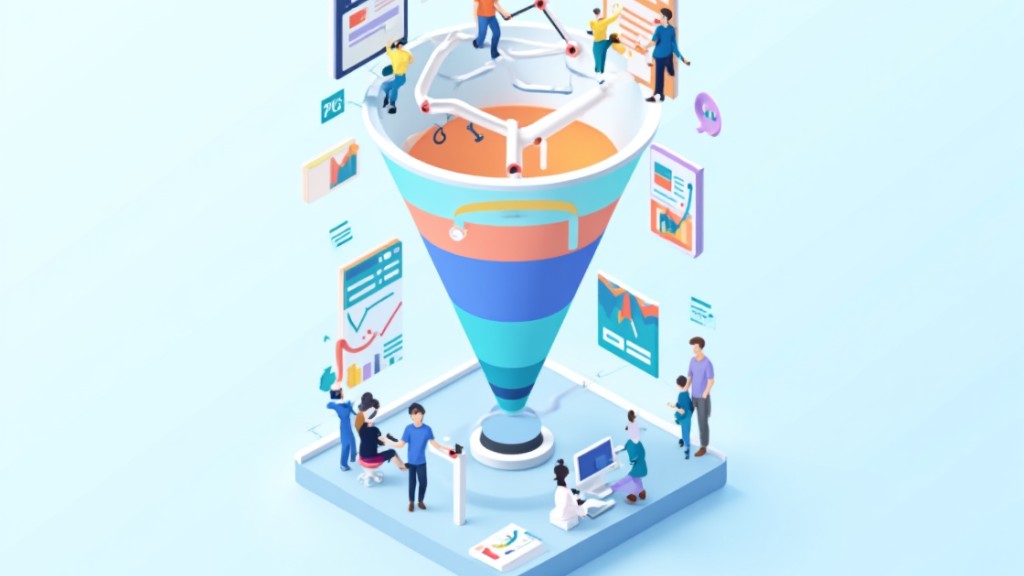
In conclusion, an online funnel is an essential tool in digital marketing that guides potential customers through their path from awareness to action. By grasping its stages—awareness, consideration, and decision—you can create targeted strategies to engage leads effectively. Implementing and optimizing your funnel guarantees it meets customer needs and promotes conversions. With real-world examples illustrating its success, you can see the practical benefits of a well-structured online funnel in driving business growth.
Image via Google Gemini