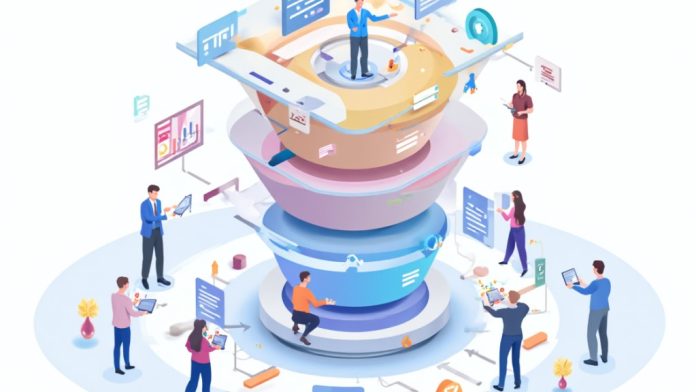
An online sales funnel is a strategic framework designed to guide potential customers from the moment they first hear about your product to the point of purchase. It consists of several stages, each aimed at nurturing leads and converting them into buyers. By comprehending how each stage works, you can effectively engage your audience and increase sales. This leads to important questions about optimizing your approach and measuring success. How can you guarantee your funnel operates at peak efficiency?
Key Takeaways
- An online sales funnel is a structured process guiding customers from awareness to purchase through various marketing stages.
- The funnel consists of four main stages: Awareness, Interest, Desire, and Action (AIDA).
- Each stage employs specific strategies, such as content marketing for awareness and testimonials for desire, to engage customers.
- Understanding the funnel helps identify drop-off points, optimize messaging, and improve conversion rates for better business outcomes.
- Sales funnels differ between B2B and B2C, with B2B focusing on longer cycles and relationship building, while B2C emphasizes quick decisions.
Understanding the Concept of an Online Sales Funnel
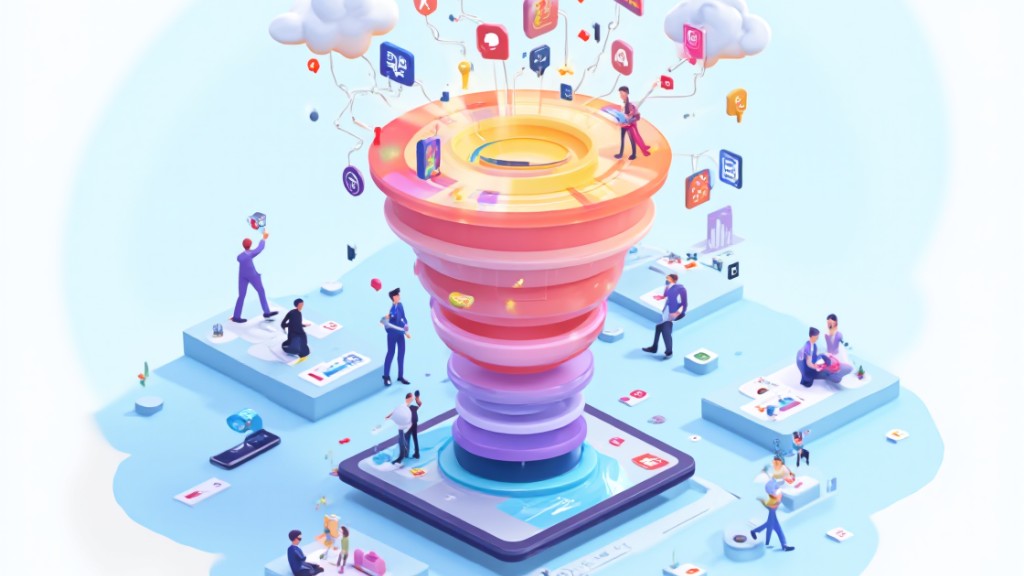
An online sales funnel serves as a crucial framework that illustrates the customer path from initial awareness to final purchase. It typically encompasses multiple stages: Awareness, Interest, Desire, and Action (AIDA).
In the Awareness stage, potential customers discover your product or service through marketing channels like social media ads and blog posts. As they move into the Interest stage, they learn about the product’s benefits, which helps facilitate engagement.
The Desire stage prompts customers to evaluate their needs, often using testimonials and product comparisons. Finally, in the Action stage, customers complete their purchase.
Effective online sales funnels leverage data analytics to optimize each step, track conversion rates, and pinpoint areas needing improvement. If you’re curious about what’s ClickFunnels used for, it’s a tool that simplifies creating these sales funnels and improves your sales funnel training, making it easier to guide customers toward conversion.
The Importance of Sales Funnels in Business
Sales funnels play a crucial role in driving business success by providing a clear framework for comprehending the customer pathway. By utilizing an ecommerce sales funnel, you can identify drop-off points and implement strategies to improve conversion rates. This process boosts customer satisfaction and retention, as it customizes messaging to meet specific needs at each stage.
| Key Benefits | Description |
|---|---|
| Structured Approach | Understand the customer experience easily |
| Conversion Optimization | Boost sales through targeted strategies |
| Customized Messaging | Improve shopping experience with relevant content |
| Data-Driven Insights | Maximize ROI with informed marketing investments |
| Improved Engagement | Nurture leads through multiple touchpoints |
Investing time in Clickfunnels training helps you master click funnel marketing, ensuring you effectively manage your sales funnel. In the end, this structured approach promotes better engagement and drives revenue growth for your business.
Stages of an Online Sales Funnel
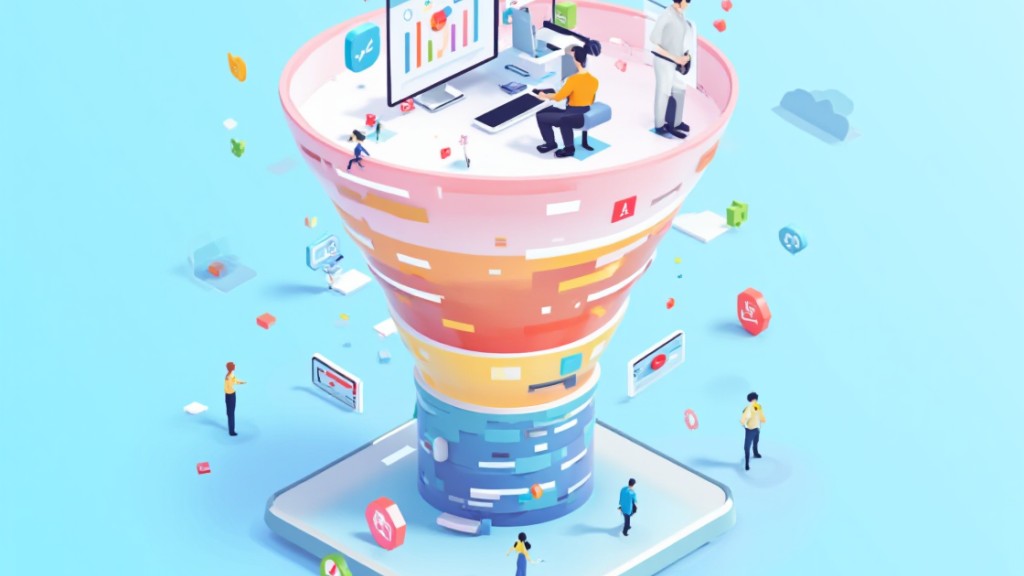
Comprehension of the stages of an online sales funnel is key to effectively guiding potential customers from their first interaction with your brand to making a purchase.
The funnel consists of four primary stages: Awareness, Interest, Desire, and Action.
In the Awareness stage, you generate interest through blog posts, social media ads, and SEO strategies.
As prospects move to the Interest stage, they engage with educational content like webinars and whitepapers to evaluate your offerings.
Next, in the Desire stage, you nurture leads by addressing objections with targeted content such as customer testimonials and product comparisons.
Finally, the Action stage focuses on encouraging prospects to finalize their purchase through clear calls-to-action and simplified checkout processes.
If you’re interested in perfecting this process, consider exploring a Clickfunnels course to understand Clickfunnels meaning and optimize your sales funnel effectively.
Strategies for Each Stage of the Sales Funnel
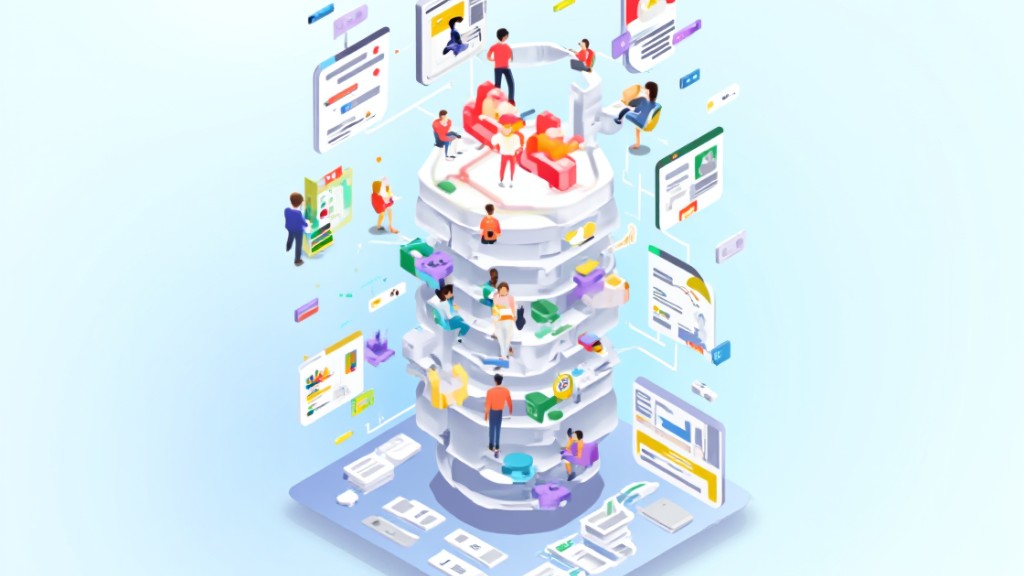
Comprehending effective strategies for each stage of the sales funnel can greatly improve your ability to convert potential customers into loyal buyers.
At the Awareness stage, leverage content marketing, such as blog posts and social media ads, to capture attention and educate prospects about your offerings.
Moving to the Interest stage, offer downloadable resources like eBooks or whitepapers, which can boost engagement and generate leads as prospects evaluate their options.
During the Evaluation stage, showcase customer stories, testimonials, and product demos to build trust and address any concerns.
In the Negotiation and Decision stage, provide customized communication, including FAQs and personalized pricing guides, to assist prospects in making informed choices.
Finally, at the Sale stage, implement clear calls-to-action and guarantee a user-friendly checkout process, which is vital for smooth transactions and customer satisfaction, eventually encouraging repeat purchases.
Benefits of Implementing a Sales Funnel
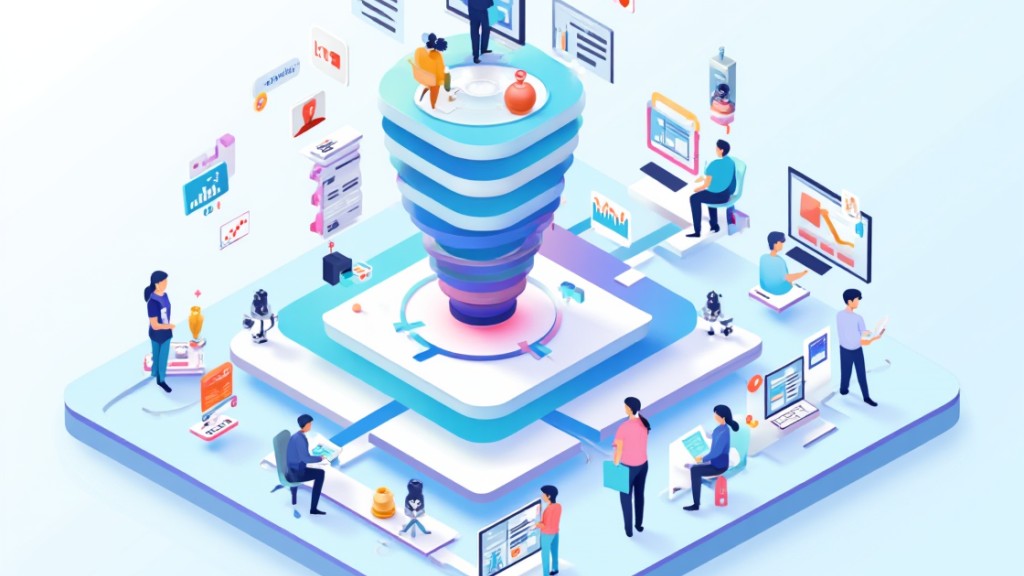
Implementing a sales funnel streamlines the purchasing process, making it easier for customers to complete their transactions.
It furthermore improves lead conversion by nurturing prospects with targeted content, which greatly boosts your sales.
Moreover, sales funnels provide valuable marketing insights, allowing you to tailor your strategies and address customer needs effectively at each stage.
Streamlined Purchasing Process
When businesses adopt an online sales funnel, they create a streamlined purchasing process that effectively guides potential customers through their buying experience. This structure not only aligns marketing efforts with customer needs but furthermore reduces the average sales cycle length. By incorporating targeted content and personalized communications, you can address customer concerns, increasing your chances of closing sales by 80%. Moreover, automation tools improve response times, making leads nine times more likely to convert when contacted quickly.
| Benefits | Impact |
|---|---|
| Improved Conversion Rates | Up to 80% more likely to close |
| Shortened Sales Cycle | Easier navigation from interest to purchase |
| Enhanced Customer Retention | Up to 30% increase in CLV |
| Faster Response Times | 9x more likely to convert |
Enhanced Lead Conversion
A well-designed sales funnel can greatly improve lead conversion by guiding potential customers through a structured buying process. By optimizing each stage, you can increase your conversion rates considerably, with average ecommerce rates hovering around 2.5% to 3%.
Well-structured funnels likewise provide insights into customer behavior, enabling you to tailor marketing strategies and reduce drop-off rates effectively. Nurturing leads through targeted email campaigns can encourage prospects to move forward, as studies show that 80% of sales require five follow-ups.
Furthermore, delivering stage-specific content improves the customer experience, leading to higher satisfaction and loyalty. Utilizing data-driven metrics to analyze your sales funnel can result in a more efficient customer acquisition process and a lower cost per acquisition.
Targeted Marketing Insights
Grasping customer behavior is crucial for crafting effective marketing strategies, and a sales funnel provides a structured approach to achieve this. By implementing a sales funnel, you can identify and comprehend customer behaviors at each stage of their purchasing experience. This insight leads to more targeted marketing strategies that resonate with potential buyers’ needs.
Mapping out the funnel allows you to optimize your marketing efforts, improving conversion rates by addressing specific pain points with targeted messaging. Furthermore, sales funnels streamline communication, enhancing lead nurturing through personalized content, which increases engagement and cultivates relationships.
Analyzing data from the funnel helps refine your strategies, improving ROI, whereas customized post-purchase communication boosts customer retention and loyalty, encouraging repeat business.
Differences Between B2B and B2C Sales Funnels
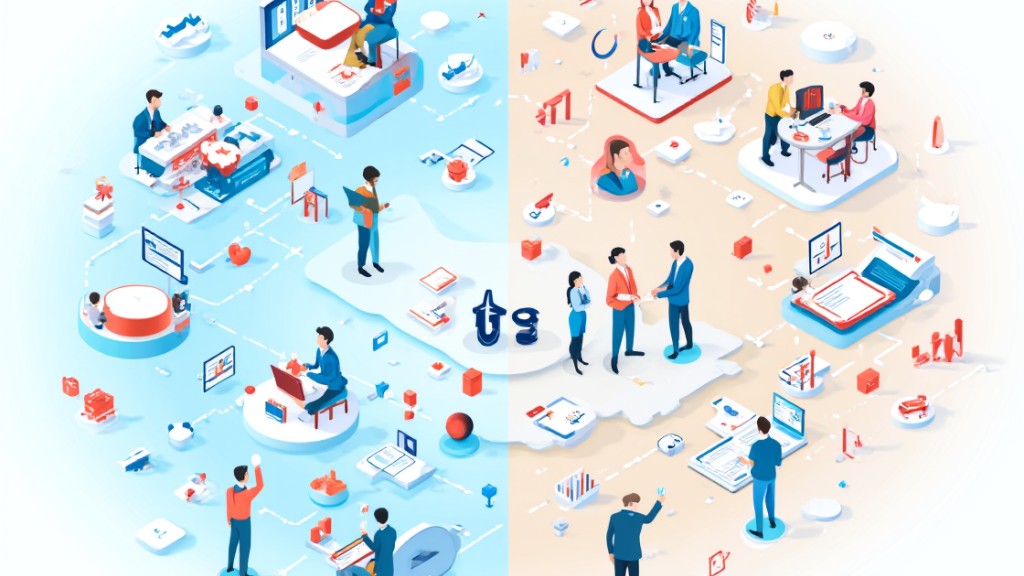
When comparing B2B and B2C sales funnels, you’ll notice significant differences in target audiences and sales cycle lengths.
B2B funnels cater to businesses, often involving multiple stakeholders, which leads to longer, more complex sales cycles.
Conversely, B2C funnels focus on individual consumers, resulting in quicker purchasing decisions and a more straightforward buying process.
Target Audience Differences
Comprehending the differences between B2B (business-to-business) and B2C (business-to-consumer) sales funnels is crucial for effectively reaching your target audience.
B2B funnels often involve a longer decision-making process, requiring input from multiple stakeholders, whereas B2C funnels allow individual consumers to make quicker purchases.
In B2B, content is typically data-driven and customized to meet specific business needs, whereas B2C content appeals more to personal desires and lifestyle aspirations.
Furthermore, B2B emphasizes relationship building and lead nurturing over time, contrasting with B2C’s focus on immediate engagement through promotions.
Pricing structures in B2B are often complex and negotiable, whereas B2C features straightforward pricing, making the purchasing process simpler and more accessible to a wider audience.
Sales Cycle Length
Comprehending the differences in sales cycle length between B2B and B2C funnels is essential for tailoring your approach to each market. The B2B sales cycle often spans several months to over a year, involving complex decision-making and multiple stakeholders. Conversely, B2C sales cycles can be as short as a few minutes to days, driven by individual needs or impulses.
| Sales Type | Average Length | Key Touchpoints |
|---|---|---|
| B2B | 3 to 6 months | Demos, negotiations, proposals |
| B2C | Minutes to days | Direct marketing, promotional offers |
| Optimization | Streamlines communication | Quick engagement strategies |
Understanding these differences helps you optimize your sales funnel effectively for each audience.
Defining Your Ideal Customer Profile
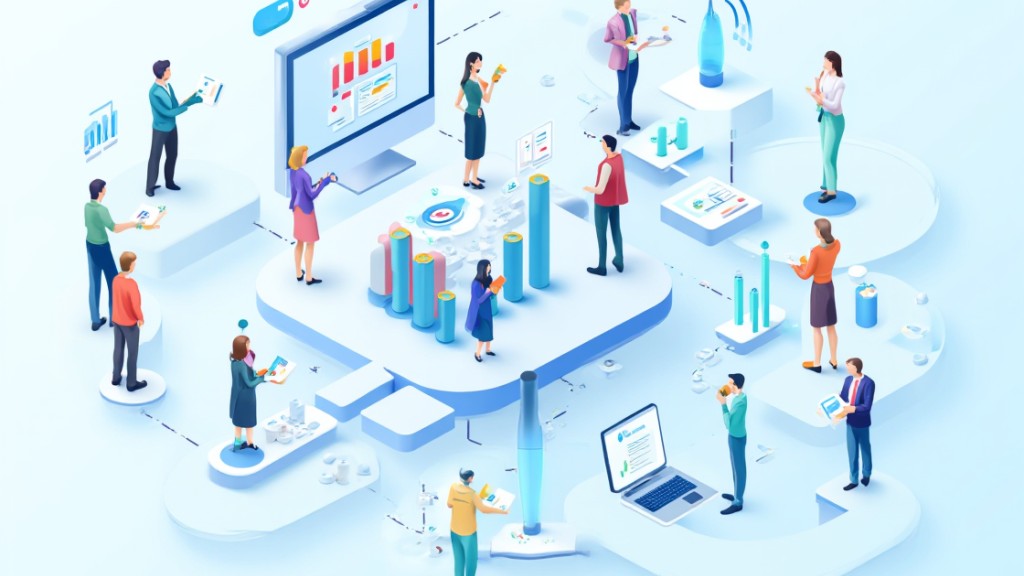
Defining your Ideal Customer Profile (ICP) is crucial for effectively targeting your marketing efforts and maximizing conversion rates. An ICP is a detailed description of the type of customer who’ll benefit most from your product or service.
To create an effective ICP, consider the following steps:
- Analyze existing customer data: Identify common traits among your most valuable customers, including demographics, firmographics, and psychographics.
- Conduct market research: Gather insights about potential customers’ preferences and pain points to improve your ICP’s accuracy.
- Utilize customer feedback: Regularly collect feedback to refine your comprehension of customer needs and desires.
- Update your ICP regularly: Use data from analytics and CRM systems to keep your profile aligned with changing market dynamics.
Building and Nurturing Your Sales Funnel
Building a successful sales funnel is essential for converting leads into loyal customers, and it requires a strategic approach to engage and nurture prospects at every stage.
Start by identifying quality leads and ensuring timely engagement through engaging content customized to each funnel stage. This helps potential customers find value in their interactions with your brand.
Utilize data analytics to segment and prioritize leads based on behavior and demographics, enhancing your nurturing efforts.
Establish automated follow-up campaigns, as research shows that 80% of sales require five follow-ups to close, yet only 44% of sales reps follow up more than once.
Measuring Success and Optimizing Your Sales Funnel
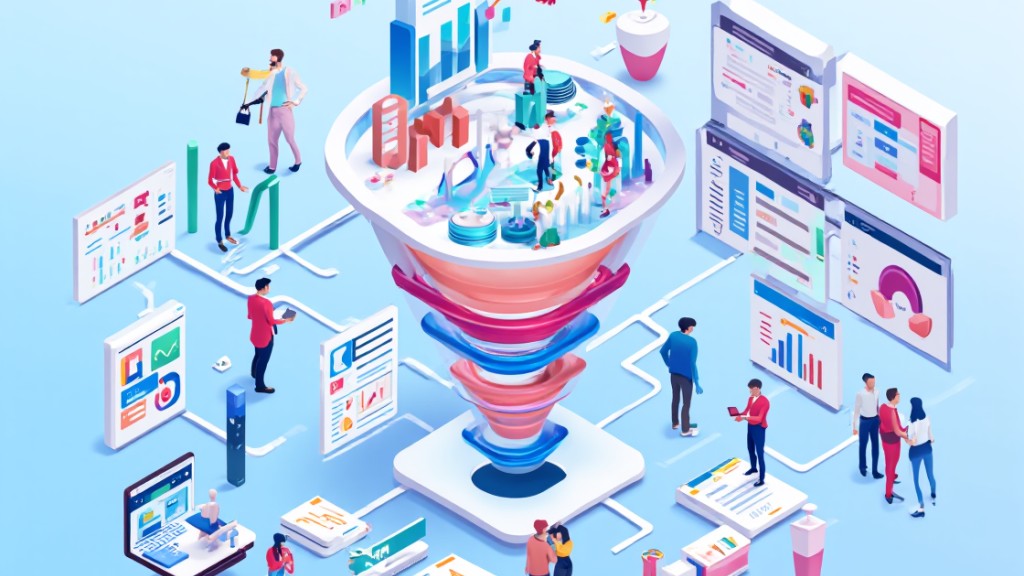
To effectively measure success in your sales funnel, it’s crucial to track key metrics that reveal how well you’re converting leads into customers. Focusing on these metrics allows you to identify areas for improvement and optimize performance.
- Conversion Rates: Monitor how many leads become customers.
- Lead-to-Customer Ratios: Assess the efficiency of your funnel in turning prospects into buyers.
- Cost Per Acquisition (CPA): Analyze how much you spend to acquire a new customer.
- Customer Retention Strategies: Implement post-purchase follow-ups to reduce churn rates.
Regularly analyzing customer behavior through tools like CRM systems can help pinpoint drop-off points, guiding targeted adjustments.
A/B testing different elements of your funnel, such as landing pages and CTAs, can provide insights that greatly boost conversion rates.
Continuously iterating based on performance data guarantees your sales funnel remains effective and aligned with customer needs.
Frequently Asked Questions
What Are Online Sales Funnels?
Online sales funnels guide potential customers through their buying process, from initial awareness to the final purchase.
They consist of stages like Awareness, Interest, Decision, and Action. Each stage uses targeted marketing strategies, such as content marketing and email campaigns, to engage and cultivate leads.
What Are the 5 Stages of a Sales Funnel?
The five stages of a sales funnel are Awareness, Interest, Decision, Action, and Continuity.
In the Awareness stage, you capture potential customers’ attention through various marketing channels.
Next, in the Interest stage, you engage them with informative content.
During the Decision stage, prospects compare options and seek more details.
The Action stage is where they make a purchase, and finally, in the Continuity stage, you work on retaining their loyalty for future transactions.
What Is the 10 3 1 Rule in Sales?
The 10-3-1 Rule in sales suggests that for every ten content pieces you create, three should engage your audience, whereas one should drive direct sales.
This approach emphasizes providing value and building relationships before pitching sales. By following this framework, you keep potential customers engaged without overwhelming them with constant sales messages.
Ultimately, this strategy can improve brand loyalty and enhance customer retention, nurturing a more authentic connection with your audience.
How Does a Sales Funnel Work?
A sales funnel works by guiding you through specific stages in your purchasing experience.
It starts with awareness, where you discover a product, followed by interest, evaluation, and negotiation. Each stage involves targeted marketing customized to your needs.
By analyzing metrics, businesses can identify drop-off points and refine their approach.
Automated follow-ups, like emails, nurture leads, addressing concerns and encouraging you to take action, eventually aiming for a purchase.
Conclusion
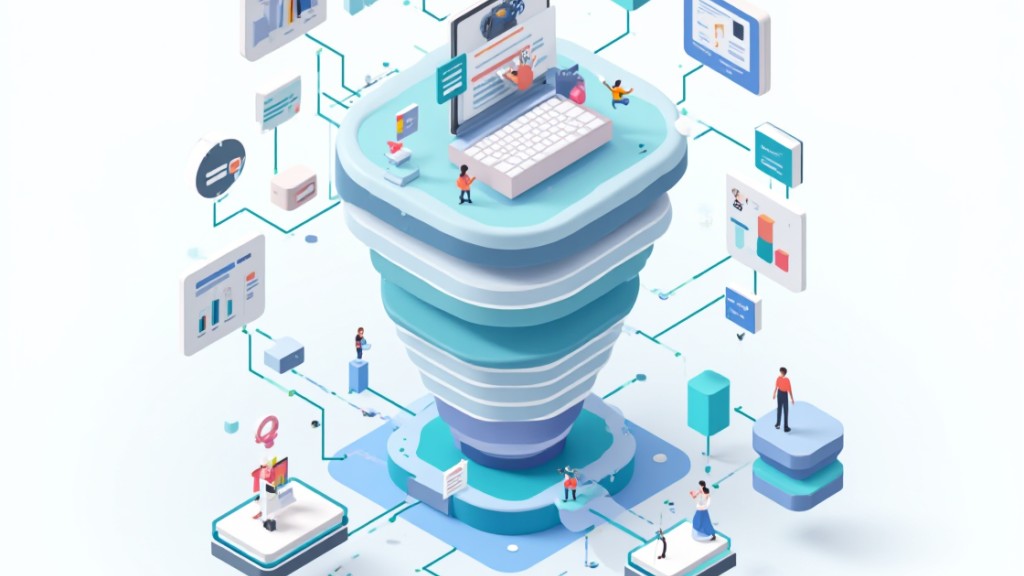
In conclusion, an online sales funnel is a structured approach that guides potential customers from awareness to purchase. By comprehending the stages and implementing effective strategies, you can nurture leads and improve conversions. Recognizing the differences between B2B and B2C funnels is vital for tailoring your approach. In the end, measuring success and optimizing your funnel will help you refine your process, ensuring that you attract and retain customers effectively. A well-implemented sales funnel is fundamental for business growth.
Image via Google Gemini