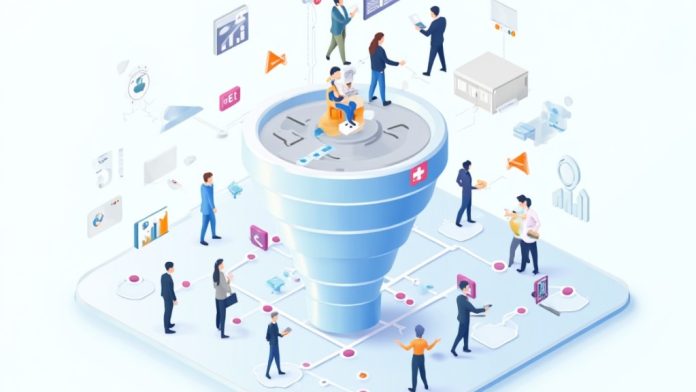
A prospecting funnel is a structured framework that guides potential customers through their buying process, from initial awareness to making a purchase. It consists of several stages, including lead generation, engagement, qualification, and conversion, each aimed at effectively filtering and nurturing leads. Comprehending how each stage functions can considerably improve your sales process. Nonetheless, many overlook critical aspects of funnel management, which can hinder success. Let’s explore what those key components are.
Key Takeaways
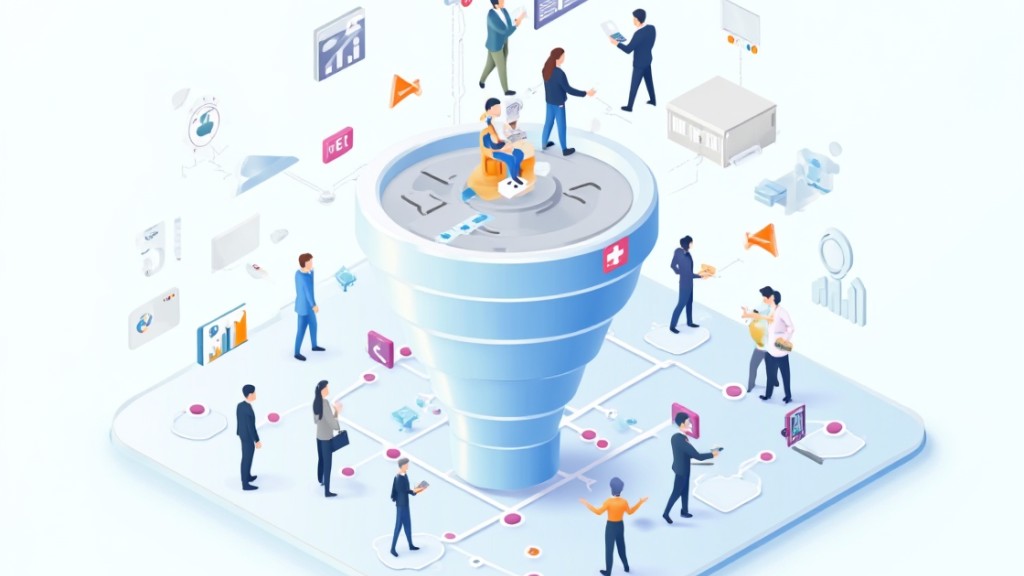
- A prospecting funnel visualizes the customer journey, from awareness to purchase, filtering leads through key stages like generation and engagement.
- It consists of four main stages: lead generation, lead engagement, lead qualification, and conversion to customers.
- Understanding the difference between a sales funnel and a sales pipeline clarifies the functionality of each stage in the sales process.
- Effective prospecting funnels utilize tools like CRM systems and automation software to streamline communication and track interactions.
- Regular analysis of the funnel helps identify bottlenecks, optimize strategies, and improve conversion rates by adapting to customer behaviors.
Definition of a Prospecting Funnel
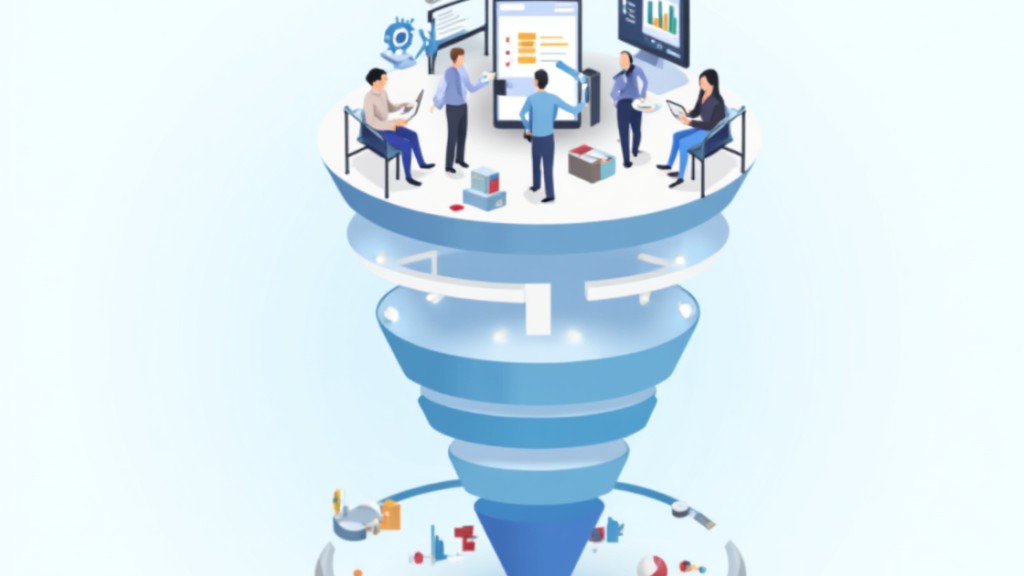
A prospecting funnel is an vital tool that visualizes the path potential customers take from first learning about your brand to making a purchase. It serves to filter leads through various stages, including lead generation, engagement, qualification, and finally conversion.
Comprehending the prospecting funnel helps you identify bottlenecks and optimize your sales strategies. Many businesses find it challenging to measure their funnels accurately, with 68% struggling, which can lead to lost leads.
This is where a proper grasp of the sales funnel vs sales pipeline distinction comes into play. During a sales funnel focuses on the customer progression, the sales pipeline process emphasizes the steps your sales team takes.
Key Stages of a Prospecting Funnel

Grasping the key stages of a prospecting funnel is vital for effectively guiding potential customers toward a purchase. The pipeline funnel consists of several important stages: Lead Generation, Lead Engagement, Lead Qualification, and Conversion to Customers.
In Lead Generation, targeted actions attract relevant contacts, whereas Lead Engagement keeps prospects interested through personalized content and interactions. During Lead Qualification, you assess prospects for their potential and interest, allowing you to prioritize high-quality leads for further engagement.
Finally, the Conversion to Customers stage focuses on presenting customized offers and building trust to close sales effectively. Recognizing the differences between a sales funnel vs pipeline helps clarify how each stage functions.
Importance of the Prospecting Funnel in Sales
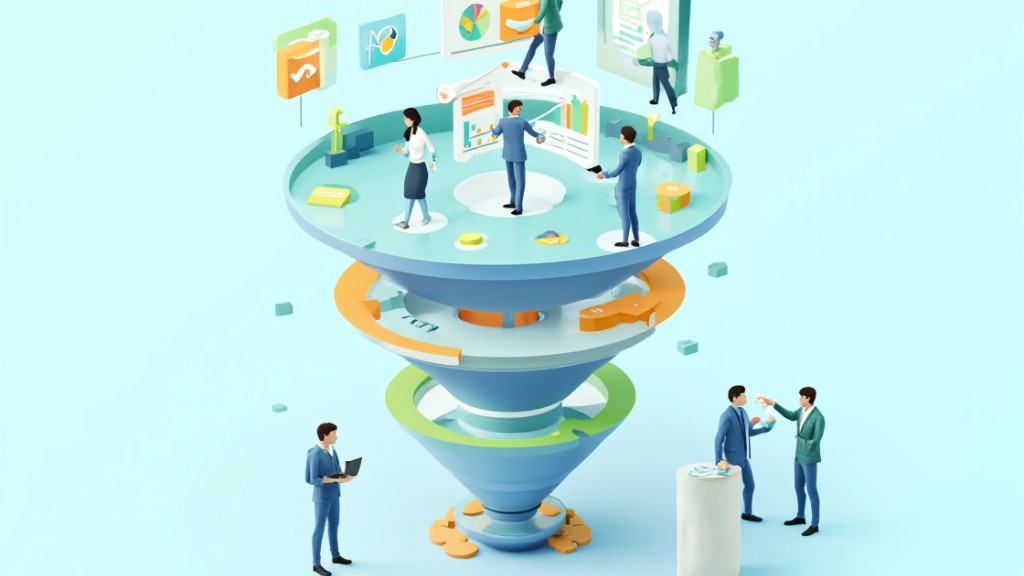
The prospecting funnel is crucial for streamlining your sales processes and identifying qualified leads.
By effectively organizing potential customers through structured stages, you can improve your engagement strategy, eventually leading to higher conversion rates.
Comprehending how to manage this funnel won’t just improve your outreach but likewise help you optimize the entire sales process.
Streamlining Sales Processes
Streamlining sales processes hinges on the effective use of a prospecting funnel, which provides a structured approach to guide potential customers from initial awareness to final conversion.
By implementing a well-defined funnel, you can track conversion rates at each stage, identifying bottlenecks and optimizing your marketing efforts. This boosts overall sales efficiency.
Companies that manage their funnels effectively often gain a competitive edge; 72% of growing B2B businesses utilize multiple touchpoints to improve their strategies.
Regular analysis reveals vital insights, yet 68% of businesses fail to measure their funnels correctly, causing 79% of leads to go unconverted.
Furthermore, automation tools improve consistency and personalization in outreach, enhancing follow-up strategies and increasing engagement rates with potential customers.
Identifying Qualified Leads
Comprehending how to identify qualified leads is a vital step in maximizing your sales potential. A prospecting funnel helps you filter potential customers through various stages, ensuring your sales team focuses on high-quality prospects.
Research shows that 79% of leads fail to convert because of poor funnel management, underscoring the need for effective guidance through each stage. By using a structured funnel, you can analyze and improve conversion rates, increasing your chances of closing deals.
Moreover, the funnel highlights bottlenecks in your sales process, allowing for data-driven decisions that optimize outreach. Companies managing their prospecting funnels effectively are 72% more likely to see improved sales performance through targeted strategies and personalized lead engagement.
Steps to Build an Effective Prospecting Funnel
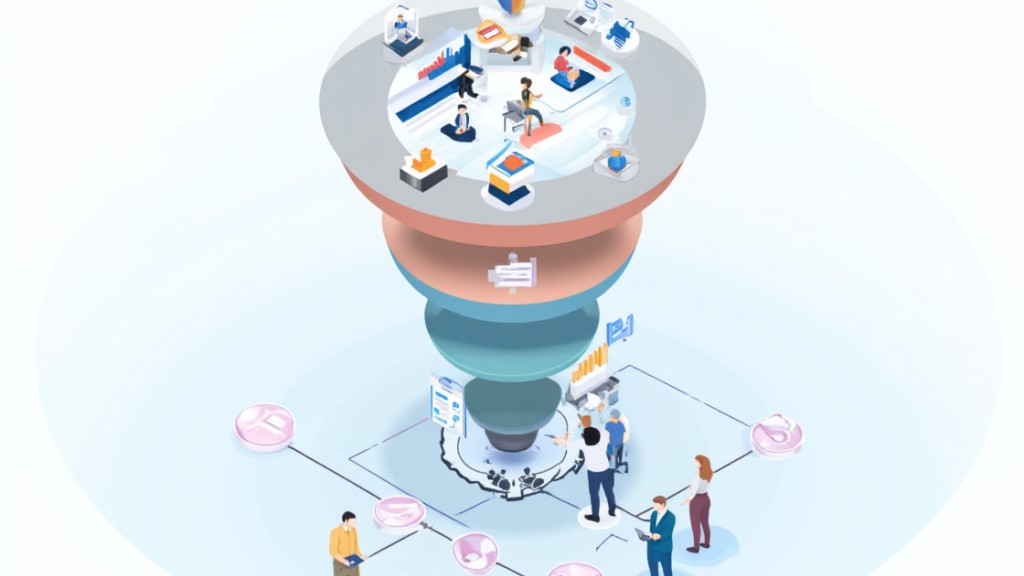
Building an effective prospecting funnel requires a strategic approach that starts with defining your Ideal Customer Profile (ICP). Analyze your current customers to identify common traits and pain points, as this will guide your targeted outreach efforts.
Next, map out the buyer pathway to outline key stages, addressing the questions and barriers prospects encounter. This guarantees your funnel aligns with their needs and expectations.
Create targeted content for each stage of the funnel, such as educational resources for the Awareness stage and product demos for the Evaluation stage, to engage prospects effectively.
Furthermore, implement automation and tracking tools, like CRM systems, to streamline the prospecting process, improve follow-up efficiency, and maintain consistent communication with leads.
Finally, regularly analyze and refine your prospecting funnel by evaluating conversion rates at each stage, allowing you to identify bottlenecks and optimize your strategies for better lead management.
Tools for Managing Your Prospecting Funnel
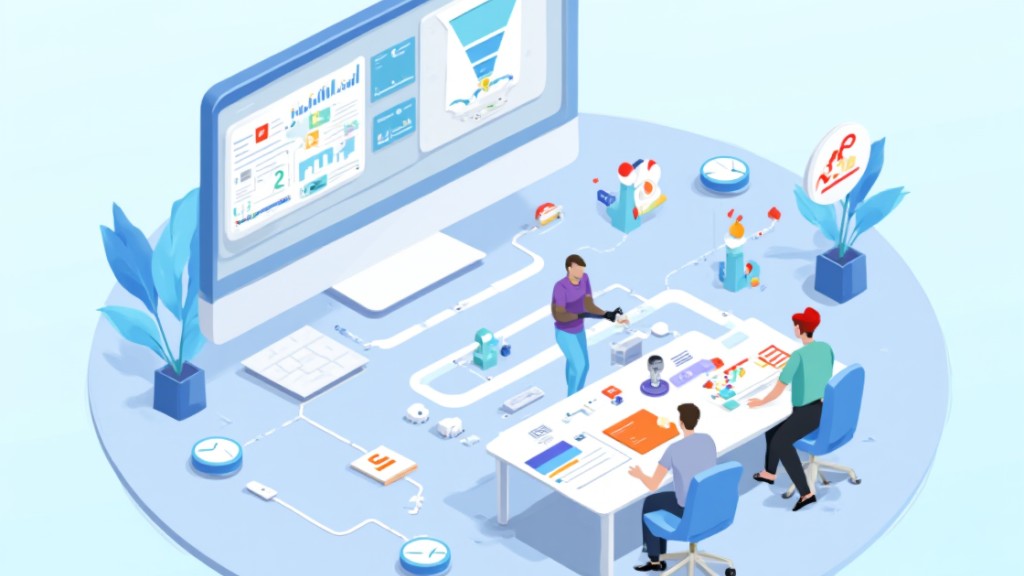
To effectively manage your prospecting funnel, utilizing the right tools is essential.
A robust CRM system integration helps you track interactions and manage your pipeline, whereas automation software streamlines communication, allowing for efficient follow-ups.
Furthermore, performance tracking tools provide valuable insights that enable you to optimize your strategies at every stage of the funnel.
Automation Software Solutions
Automation software solutions play a crucial role in managing your prospecting funnel, offering tools that can transform your sales processes.
These solutions, including CRM systems and marketing automation platforms, streamline your workflow by tracking interactions, segmenting leads, and automating follow-ups. This improves both efficiency and personalization in your outreach.
For instance, tools like Persana use AI-driven automation to refine your engagement strategies, allowing you to maintain consistency throughout the sales cycle.
By reducing manual tasks, automation lets you focus on building relationships and closing deals, maximizing your productivity.
Regularly analyzing the performance of these tools as well helps you identify bottlenecks, enabling you to refine strategies and improve conversion rates across various stages of the buyer experience.
CRM System Integration
Integrating a CRM system into your prospecting funnel greatly improves your ability to manage leads and streamline communication. By tracking interactions and managing data, a CRM boosts your lead management and follow-up processes.
It automates outreach efforts, making it easier to maintain engagement with prospects throughout the funnel. Leading CRM tools, like HubSpot and Pipedrive, provide features that allow you to analyze funnel performance metrics and identify bottlenecks in your prospecting process.
Moreover, effective CRM integration supports lead scoring models that prioritize high-quality leads based on engagement history. Regularly updating and analyzing your CRM data helps refine your prospecting strategies, eventually improving conversion rates by aligning your outreach efforts with customer behaviors and preferences.
Performance Tracking Tools
Performance tracking tools play a crucial role in managing your prospecting funnel effectively. CRM systems help you monitor interactions and manage pipelines, allowing you to identify bottlenecks that may hinder progress.
Automation tools streamline follow-up processes, ensuring you communicate with prospects swiftly, which boosts overall engagement rates. By utilizing analytics tools, you can measure key performance indicators (KPIs) like conversion rates at each stage, providing valuable insights for optimization.
Email marketing platforms improve your outreach by enabling personalized messaging, as well as tracking open and click-through rates to enhance lead engagement.
Regularly analyzing data from these tools helps you refine strategies and adapt to changing customer behaviors and market conditions, ultimately leading to better conversion rates.
Common Mistakes to Avoid in Funnel Management
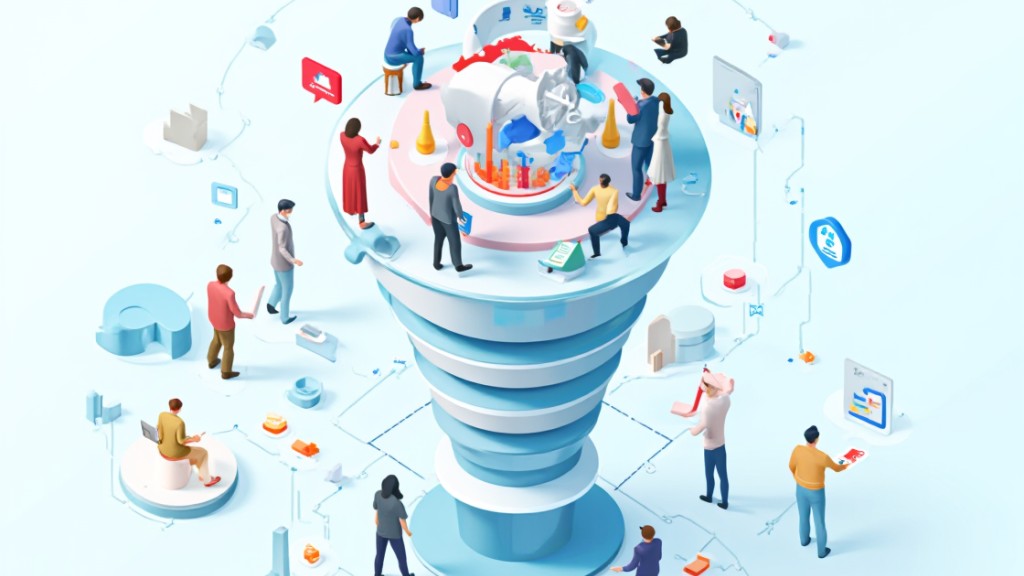
When managing a prospecting funnel, it’s vital to recognize and avoid common mistakes that can hinder your success.
First, don’t focus solely on lead quantity; keep in mind that 79% of leads won’t convert without proper qualification and engagement strategies. Prioritize quality over quantity to optimize your resources.
Second, avoid using generic outreach messages. Personalized communication greatly improves engagement and conversion rates, helping you build better relationships with prospects.
Moreover, neglecting regular follow-ups can lead to lost opportunities, so maintain timely communication to keep prospects interested.
Be attentive to signals indicating interest or intent from your leads; ignoring these can prevent you from adapting your approach, eventually reducing conversion potential.
Finally, regularly analyze your results and adapt your strategies based on performance metrics. This practice is critical for reviewing funnel effectiveness and ensuring your sales process remains optimized.
Frequently Asked Questions
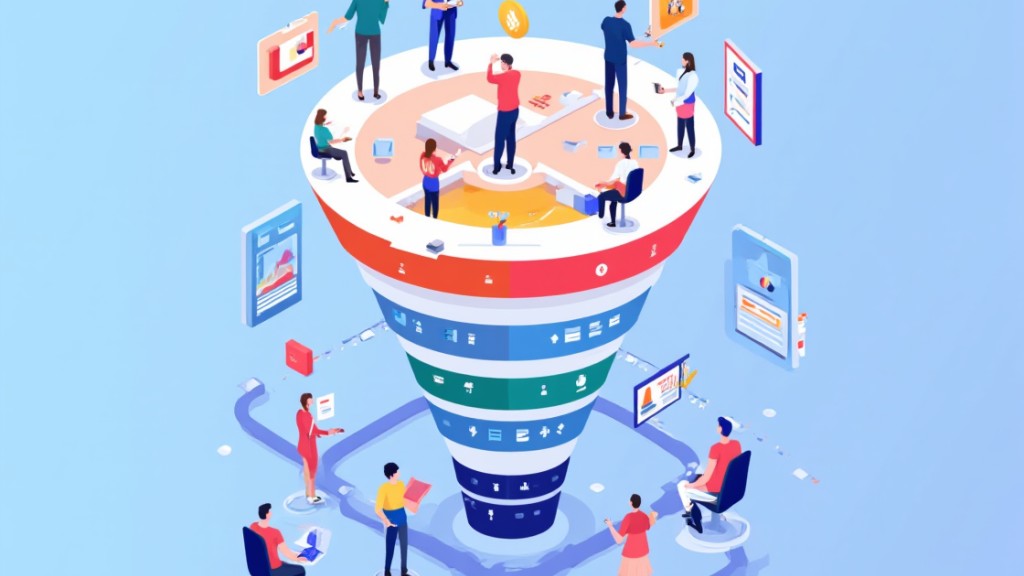
What Is a Prospect Funnel?
A prospect funnel is a visual tool that outlines the path potential customers take from initial awareness to becoming paying clients.
It typically includes stages such as lead generation, engagement, qualification, and conversion. Each stage requires specific strategies and content to effectively nurture leads.
What Is a Funnel and How Does It Work?
A funnel is a visual representation of the customer path, guiding potential buyers through specific stages.
It starts wide at the top, capturing numerous leads, and narrows down as prospects move closer to making a purchase. Each stage requires customized engagement strategies to nurture interest and evaluate options.
What Are the 7 Stages of the Sales Funnel?
The seven stages of the sales funnel are Awareness, Interest, Evaluation, Decision, Action, Retention, and Advocacy.
You start by creating awareness of your product, then spark interest through engagement.
In the evaluation stage, prospects assess your offering against competitors.
Next, they make a decision, leading to action, where they purchase.
Retention focuses on maintaining relationships, whereas advocacy encourages satisfied customers to promote your brand.
Each stage is essential for maximizing sales effectiveness.
What Are the 5 Stages of a Sales Funnel?
The sales funnel includes five key stages: Awareness, Interest, Evaluation, Action, and Retention.
In the Awareness stage, potential customers discover your brand.
During Interest and Evaluation, they engage with your content, seeking information and comparing options.
The Action stage is where they make a purchasing decision, so you must communicate effectively.
Finally, Retention focuses on maintaining customer relationships, ensuring satisfaction to encourage repeat business and referrals, which is crucial for long-term success.
Conclusion

In conclusion, a prospecting funnel is crucial for guiding potential buyers through their path from awareness to purchase. By comprehending its key stages—lead generation, engagement, qualification, and conversion—you can optimize your sales process. Building an effective funnel requires careful planning and the right tools as well as avoiding common pitfalls. Implementing these strategies not just improves your chances of conversion but additionally helps you identify areas for enhancement, finally driving better sales results for your business.
Image via Google Gemini