An accounting balance sheet provides a snapshot of a company’s financial position at a specific moment. It lists assets like cash and inventory, alongside liabilities such as loans and accounts payable, aligning with the equation: Assets = Liabilities + Shareholders’ Equity. This structure offers insights into liquidity and financial stability, essential for decision-making. Nevertheless, comprehending its implications requires a deeper look into its components and limitations, which can reveal much about a company’s operational efficiency.
Key Takeaways
- An accounting balance sheet example displays a company’s assets, liabilities, and shareholders’ equity at a specific point in time.
- It illustrates the accounting equation: Assets = Liabilities + Shareholders’ Equity, ensuring the balance sheet balances.
- The asset section is divided into current and non-current assets, reflecting short-term and long-term value.
- The liabilities section categorizes current and long-term obligations, indicating the company’s debt management strategy.
- Shareholders’ equity represents the residual interest in the company’s assets after liabilities, showcasing net worth available to shareholders.
What Is an Accounting Balance Sheet?
An accounting balance sheet serves as a vital financial statement that provides a clear snapshot of a company’s financial position at a specific moment in time. It includes the definition of assets and liabilities in accounting, showcasing what the company owns and owes.
The balance sheet is typically divided into two main sections: assets on one side and liabilities alongside shareholders’ equity on the other.
Current assets, such as cash or inventory, are expected to be liquidated within a year, whereas non-current assets represent long-term investments. Similarly, liabilities are categorized into current obligations due within one year and long-term debts.
An accounting balance sheet example highlights this structure, making it easier for stakeholders, including investors and creditors, to evaluate the company’s financial health.
This financial statement is vital for evaluating a company’s ability to meet its obligations and supports informed decision-making for future investments.
The Balance Sheet Equation
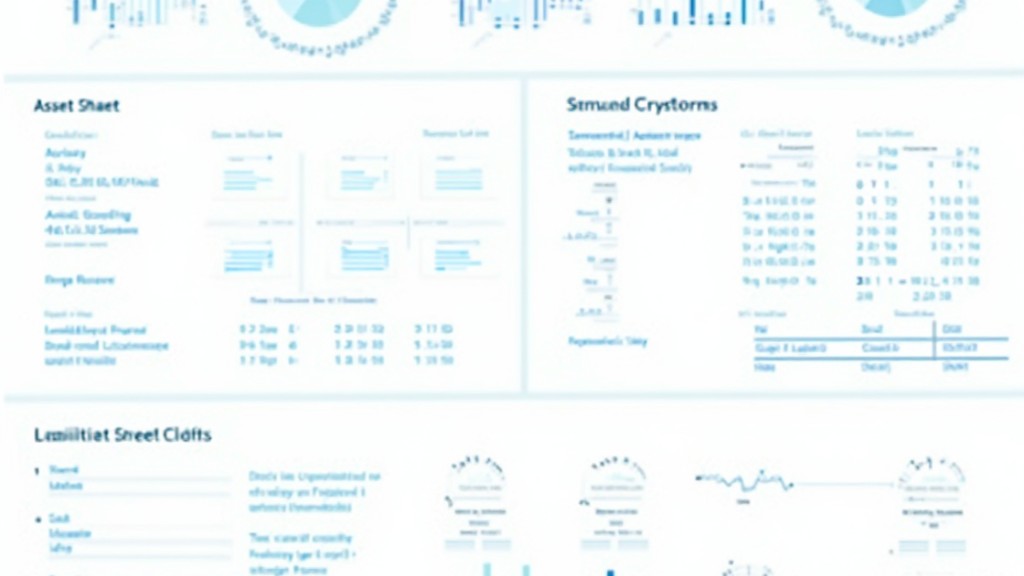
The balance sheet equation, which you’ll often see as Assets = Liabilities + Shareholders’ Equity, is fundamental to comprehending a company’s financial position.
This equation illustrates how everything the company owns is funded, whether through debts or the owners’ investments.
Grasping this relationship is essential, as it helps you analyze the balance sheet components and guarantee everything aligns correctly.
Fundamental Accounting Equation
Comprehending the fundamental accounting equation, which states that assets equal liabilities plus shareholders’ equity, is crucial for grasping how a company’s financial position is assessed.
This equation guarantees that your balance sheet remains balanced and accurately reflects your company’s financial status. Here are three critical aspects to reflect upon during your financial report review:
- Assets: These are the resources you own, providing future economic benefits.
- Liabilities: These obligations are what you must settle in the future, impacting your financial health.
- Shareholders’ Equity: This represents the net worth available to shareholders after liabilities are deducted from assets.
Any discrepancy in this equation indicates potential errors in your accounting records, highlighting the importance of accurate data entry and financial reporting.
Balance Sheet Components
Comprehending balance sheet components is essential for analyzing a company’s financial health. The balance sheet follows the accounting equation: Assets = Liabilities + Shareholders’ Equity, ensuring balance at all times.
Assets are divided into current assets, expected to convert into cash within a year, and non-current assets, like property and equipment, which provide long-term value.
Conversely, liabilities are categorized as current, due within a year (such as accounts payable), and long-term, which extend beyond a year (like long-term debt).
Shareholders’ equity reflects owners’ claims on assets after liabilities, including retained earnings and common stock.
A well-structured balance sheet reveals insights into liquidity, leverage, and overall stability by analyzing these components effectively.
Key Components of a Balance Sheet
Comprehending the key components of a balance sheet is essential for grasping a company’s financial health. A balance sheet consists of three main elements:
- Assets: These are anything the company owns, divided into current assets (like cash and inventory) that can be converted into cash within a year, and non-current assets (like property and equipment) that represent long-term investments.
- Liabilities: These are the company’s obligations. Current liabilities (such as accounts payable) are due within one year, whereas long-term liabilities (like bonds payable) are due after one year.
- Shareholders’ Equity: This reflects the owners’ interest in the company after subtracting liabilities from assets. It includes retained earnings and common stock.
The balance sheet must always balance according to the equation: Assets = Liabilities + Shareholders’ Equity, underscoring how all assets are financed by either debt or equity.
Importance of Analyzing a Balance Sheet

Analyzing a balance sheet is key to grasping a company’s financial position and operational efficiency. It helps you assess liquidity by comparing current assets to current liabilities, revealing the firm’s ability to meet short-term obligations.
By looking at the ratio of total liabilities to total equity, you can gauge the company’s leverage and financial risk, indicating how it’s financed through debt versus shareholder equity.
Tracking changes in assets and liabilities over time allows you to identify growth trends or potential financial distress, highlighting areas needing improvement.
The balance sheet likewise provides insights into the firm’s capital structure, helping you comprehend how effectively the company uses equity and debt for operations and growth.
Regular analysis informs strategic decision-making, such as determining the need for external financing or evaluating investment opportunities based on the company’s financial health.
Grasping these elements can considerably improve your investment and management decisions.
Limitations of a Balance Sheet

Even though a balance sheet serves as a critical tool for evaluating a company’s financial position, it has several limitations that can affect your comprehension of its overall health.
Here are three key limitations to take into account:
- Snapshot in Time: A balance sheet only provides a momentary view of financial standing, lacking insights into performance trends over time, which are vital for meaningful analysis.
- Variability in Reporting: Different accounting methods can create discrepancies in reported figures, making it challenging to gauge accuracy and reliability.
- Exclusion of Key Liabilities: Off-balance sheet items, like certain lease obligations and contingent liabilities, may not appear on the balance sheet, potentially underrepresenting financial risks.
Additionally, using historical cost for asset valuation means inflation isn’t factored in, which can mislead you about true asset worth.
To understand a company’s financial health better, reviewing other financial statements is necessary.
Real-Life Example of an Accounting Balance Sheet

A real-life example of an accounting balance sheet can be seen in Apple‘s financial statements, which provide a clear picture of the company’s economic position.
As of the latest reporting date, Apple boasts total assets of $351 billion, which includes current assets of approximately $134 billion, such as cash and accounts receivable. The company’s total liabilities stand at $287 billion, with current liabilities around $121 billion, reflecting obligations expected within one year.
Shareholders’ equity is reported at $64 billion and represents retained earnings and capital contributions that have significantly increased because of profitable operations.
Understanding the Implications of a Balance Sheet Analysis

When you analyze a balance sheet, you’re getting a clear picture of a company’s financial health, which can guide your investment decisions.
By evaluating assets against liabilities, you can gauge liquidity and understand how well the company can meet its short-term obligations.
Furthermore, examining shareholder equity and trends over time helps you identify potential growth or financial risk, making your investment strategy much more informed.
Financial Health Assessment
Understanding your company’s financial health is crucial, and analyzing the balance sheet is one of the most effective ways to achieve this. A balance sheet provides a thorough view of your assets, liabilities, and shareholders’ equity, allowing you to assess key financial indicators.
Here are three important aspects to take into account:
- Liquidity Assessment: Ratios like the current ratio help you evaluate your ability to meet short-term obligations.
- Leverage Analysis: The debt-to-equity ratio indicates how well you’re managing long-term debt in relation to equity.
- Trend Evaluation: Comparing balance sheets over time reveals growth patterns and potential financial stability issues.
Investment Decision Insights
Grasping the balance sheet not merely aids in evaluating financial health but also provides vital insights for making informed investment decisions.
By examining a balance sheet, you can assess a company’s assets, liabilities, and equity, which are fundamental for comprehending its stability and risk profile. Liquidity ratios, like the current and quick ratios, help you determine the firm’s ability to meet short-term obligations, influencing your investment choices.
Furthermore, the debt-to-equity ratio reveals insights into financial leverage and associated risks from high debt levels. Significant retained earnings suggest a company’s capacity to reinvest profits, indicating growth potential.
Finally, analyzing trends in asset versus liability growth can help you identify sustainable expansion, important for long-term investment viability.
Frequently Asked Questions

What Does a Balance Sheet Show in Accounting?
A balance sheet shows your company’s financial position at a specific time, detailing assets, liabilities, and shareholders’ equity. It helps you understand what you own versus what you owe.
Assets are categorized as current or non-current, whereas liabilities are likewise divided into current and long-term. By examining the balance sheet, you can assess liquidity, financial stability, and overall leverage, providing crucial insights for making informed business decisions and evaluating financial health.
What Are the Three Main Things Found on a Balance Sheet?
On a balance sheet, you’ll find three main components: assets, liabilities, and shareholders’ equity.
Assets include resources like cash, inventory, and property, reflecting what the company owns.
Liabilities represent obligations such as loans and accounts payable, indicating what the company owes.
Shareholders’ equity shows the net worth of the company, calculated as assets minus liabilities.
Together, these elements provide a snapshot of the company’s financial position at a specific point in time.
How to Read a Balance Sheet With an Example?
To read a balance sheet effectively, start by identifying the three main sections: assets, liabilities, and shareholders’ equity.
Assets are listed first, showing what the company owns, including current and long-term assets.
Next, review liabilities to see what the company owes, categorized by current and long-term obligations.
Finally, look at shareholders’ equity, which reflects the owners’ stake.
Analyzing these components helps you assess the company’s financial health and stability.
What Is the Main Purpose of a Balance Sheet?
The main purpose of a balance sheet is to give you a clear snapshot of a company’s financial position at a specific time.
It outlines the company’s assets, liabilities, and shareholders’ equity, adhering to the accounting equation: Assets = Liabilities + Shareholders’ Equity.
Conclusion

In conclusion, an accounting balance sheet serves as an essential snapshot of a company’s financial health, detailing its assets, liabilities, and shareholders’ equity. By comprehending the balance sheet equation and its key components, you can effectively evaluate a company’s liquidity and overall stability. As it offers valuable insights, remember its limitations, such as not capturing future financial obligations or market conditions. Analyzing a balance sheet equips you with the knowledge needed for informed financial decision-making.
Image via Google Gemini