
A balance sheet is an essential financial statement that provides a clear view of a company’s assets, liabilities, and shareholder equity at a specific point in time. Comprehending its components is key for evaluating financial health and stability. By breaking down the balance sheet’s parts, you can gain insights that help in making informed decisions. But what happens when you look beyond the balance sheet? Exploring its relationships with other financial statements can reveal even deeper insights.
Key Takeaways

- A balance sheet provides a snapshot of a company’s financial position, showing assets, liabilities, and shareholders’ equity at a specific time.
- Assets are divided into current and non-current categories, indicating their liquidity and long-term value to the company.
- Liabilities are classified as current or long-term, reflecting obligations due within a year or beyond, impacting financial stability.
- Shareholders’ equity represents the net value after liabilities, indicating ownership interest and retained earnings in the company.
- Analyzing a balance sheet over time helps identify trends and shifts in financial strategy, essential for assessing company health.
What Is a Balance Sheet?

A balance sheet serves as an important financial statement that offers a clear snapshot of a company’s financial standing at a specific moment. In simple terms, it reflects the relationship between assets, liabilities, and shareholders’ equity.
The balance sheet explained reveals that this statement adheres to the equation: Assets = Liabilities + Shareholders’ Equity.
Divided into two main sections, it lists assets—both current and non-current—alongside liabilities, which include current and long-term obligations. Shareholders’ equity represents the residual interest after deducting liabilities from assets.
Regularly reviewing and updating the balance sheet is crucial for accurately depicting a company’s financial position. This financial tool is significant for investors and analysts, as it aids in evaluating a company’s health, liquidity, and leverage.
Components of a Balance Sheet

Comprehending the components of a balance sheet is vital for grasping how a company’s financial picture is constructed. The balance sheet comprises three main components:
- Assets: These are resources owned by the company, categorized into current assets (like cash and accounts receivable) expected to be converted to cash within a year, and non-current assets (such as property and equipment) that provide long-term benefits.
- Liabilities: These represent the company’s obligations, divided into current liabilities (like accounts payable and short-term loans due within one year) and long-term liabilities (such as mortgages and long-term debt due after one year).
- Shareholder Equity: This reflects the residual interest in the company’s assets after deducting liabilities, including retained earnings, preferred stock, and additional paid-in capital.
Understanding the relationship between these components of a balance sheet is vital for evaluating a company’s financial health and making informed decisions.
Importance of a Balance Sheet

Comprehending the importance of a balance sheet is crucial for anyone involved in evaluating a company’s financial health. A balance sheet provides a snapshot of a company’s assets, liabilities, and equity at a specific point in time, helping you assess its overall financial position.
This document plays a critical role in determining a company’s ability to meet short-term obligations by comparing current assets to current liabilities using ratios like the current ratio. Investors and lenders rely on the balance sheet to gauge financial stability and risk, making it fundamental for securing capital and making informed investment decisions.
Furthermore, analyzing balance sheets over different periods reveals trends and shifts in financial strategy, allowing you to understand growth patterns.
Finally, by showing shareholder equity after liabilities are deducted, the balance sheet clarifies ownership value, emphasizing its significance in financial analysis and decision-making.
Limitations of a Balance Sheet
A balance sheet offers only a snapshot of a company’s financial position at a particular moment, which means it mightn’t capture ongoing performance or changes that occur afterward.
Furthermore, it relies on historical cost accounting, so the values of assets may not reflect current market conditions.
This variability in accounting methods can further complicate your comprehension of a company’s true financial health.
Time-Specific Snapshot
A balance sheet serves as a vital tool for evaluating a company’s financial health, but it’s important to recognize its limitations as a time-specific snapshot. This single moment report can obscure the bigger picture of financial performance, leaving you with questions about trends and changes.
Here are three key limitations:
- It doesn’t capture fluctuations or operational changes that affect cash flow and revenue.
- Seasonal variations may not be represented, impacting your comprehension of financial stability.
- The static nature of the balance sheet can lead you to wonder, why do assets equal liabilities plus equity, without insight into the dynamics at play.
To fully grasp a company’s financial health, analyze balance sheets alongside income statements and cash flow statements for context.
Accounting Method Variability
Comprehending how accounting methods can vary is key to interpreting a balance sheet accurately. Different practices, like cash versus accrual accounting, can greatly affect reported assets and liabilities. This variability can mislead stakeholders, especially when different standards, such as GAAP or IFRS, come into play. In addition, estimates in areas like accounts receivable can distort the true financial picture. Off-balance sheet items, including operating leases, may lead to incomplete assessments of obligations. Finally, the historical cost principle can misrepresent asset values. Here’s a summary of these factors:
| Factor | Impact on Balance Sheet | Example |
|---|---|---|
| Accounting Methods | Alters reported assets/liabilities | Cash vs. Accrual |
| Standards (GAAP/IFRS) | Different recognition criteria | Asset classification |
| Estimates & Judgments | Subjective valuations | Accounts receivable |
| Off-Balance Sheet Items | Incomplete financial picture | Operating leases |
| Historical Cost Principle | May misstate asset values | Old asset valuations |
Example of a Balance Sheet
Comprehending the structure of a balance sheet is fundamental for analyzing a company’s financial health. An example of a balance sheet typically includes three main sections that provide a clear snapshot of finances at a specific date:
- Assets: Divided into current assets like cash and inventory, and non-current assets such as property and equipment.
- Liabilities: Classified into current liabilities, due within one year, and long-term liabilities, due after one year, including accounts payable and long-term debt.
- Shareholder Equity: Represents the residual interest in assets after liabilities are deducted, including common stock and retained earnings.
A well-prepared example of a balance sheet will follow the accounting equation: Assets = Liabilities + Shareholder Equity.
This guarantees completeness and accuracy in financial reporting, helping you better assess a company’s overall financial position.
How to Prepare a Balance Sheet

Preparing a balance sheet involves a systematic approach to organizing and presenting your company’s financial information. Start by gathering crucial documents like bank statements and invoices to guarantee accuracy.
Next, list all your assets, categorizing them into current assets, which can be converted to cash within a year, and non-current assets, such as long-term investments and property.
Then, detail your liabilities, separating them into current liabilities, due within a year, and long-term liabilities, due after one year. This structured overview helps clarify why assets equal liabilities plus equity, as it reflects the company’s financial health.
Calculate owner’s equity using the formula: Assets – Liabilities, which shows the residual interest in the company after settling debts.
Finally, regularly review and update your balance sheet, ideally on a monthly basis, to maintain its accuracy and support informed financial decision-making.
How the Balance Sheet Relates to Other Financial Statements
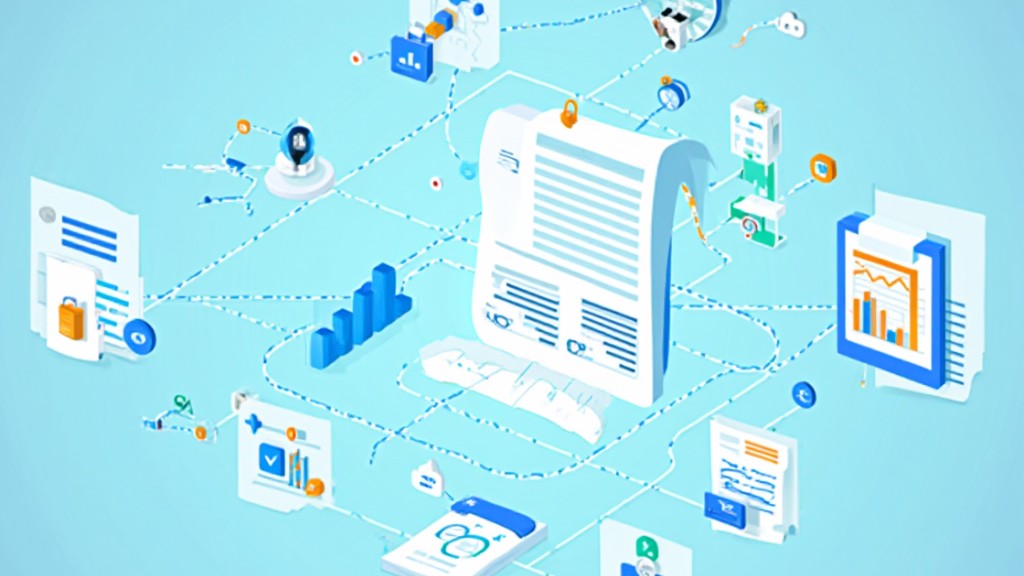
Comprehending how the balance sheet relates to other financial statements is crucial for gaining a well-rounded view of a company’s financial health.
The balance sheet, income statement, and cash flow statement work together to provide insights into performance and liquidity. Here’s how they connect:
- Snapshot vs. Performance: The balance sheet offers a snapshot of current assets and liabilities at a specific point, whereas the income statement summarizes revenues and expenses over a period.
- Cash Flow Connection: The cash flow statement complements the balance sheet by showing the movement of cash, reflecting operational efficiency and liquidity.
- Impact on Equity: Net income from the income statement influences retained earnings in shareholder equity on the balance sheet, demonstrating the relationship between profitability and financial position.
Frequently Asked Questions
How Often Should a Balance Sheet Be Updated?
You should update your balance sheet regularly to reflect accurate financial information. Most businesses do this at least quarterly, but monthly updates can provide better insights, especially in dynamic environments.
Each update should capture changes in assets, liabilities, and equity. If there are significant transactions or events, it’s wise to revise the balance sheet immediately.
Keeping your balance sheet current helps in making informed decisions and maintaining financial health.
Can a Balance Sheet Predict Future Profitability?
A balance sheet can provide insights into a company’s financial health, but it can’t directly predict future profitability. It shows your assets, liabilities, and equity at a specific point in time.
Although trends in these figures might suggest potential profitability, external factors, market conditions, and operational efficiency likewise play significant roles.
You should analyze historical data alongside other financial statements to form a more thorough view of future profitability.
What Is the Difference Between Current and Non-Current Assets?
Current assets are resources you expect to convert into cash or use up within one year, like cash, inventory, and accounts receivable.
Non-current assets, nevertheless, are long-term investments, such as property, equipment, and patents, that you’ll hold for more than a year.
Comprehending this distinction helps you assess a company’s liquidity and long-term financial health, as current assets indicate short-term solvency, whereas non-current assets reflect long-term stability and growth potential.
How Do Seasonal Businesses Affect Balance Sheets?
Seasonal businesses notably impact balance sheets as a result of fluctuating asset levels and revenue.
During peak seasons, you’ll likely see increased inventory and accounts receivable, reflecting higher sales.
Conversely, off-peak periods may lead to decreased assets and cash flow challenges.
It’s essential to manage these variations effectively, ensuring that your financial statements accurately represent your business’s financial health throughout the year, providing a clearer picture of its operational performance and liquidity.
Are Balance Sheets Mandatory for Small Businesses?
Yes, balance sheets are typically mandatory for small businesses, especially when they’ve external stakeholders or seek financing.
They provide a clear snapshot of your business’s financial position, detailing assets, liabilities, and equity. Although not always legally required, maintaining one helps in evaluating performance, making informed decisions, and ensuring compliance with tax regulations.
It’s a good practice to create a balance sheet, regardless of whether your business operates on a smaller scale.
Conclusion

In conclusion, grasping a balance sheet is crucial for evaluating a company’s financial position. By recognizing its components—assets, liabilities, and equity—you can assess the organization’s stability and performance. During balance sheets provide fundamental insights, remember their limitations, such as not reflecting real-time conditions or cash flow. To make informed financial decisions, always analyze balance sheets alongside other financial statements, ensuring a thorough view of a company’s overall health and viability.
Image via Google Gemini