
Key Takeaways

- Understanding SKU Importance: SKUs are unique identifiers that streamline inventory management, enabling accurate tracking of stock levels, sales data, and customer preferences.
- Types of SKUs: Familiarize yourself with manufacturer, retailer, and custom SKUs to effectively manage products and optimize inventory systems.
- Best Practices for SKU Creation: Use a consistent format, maintain uniform characters, and incorporate clear product information to enhance SKU clarity and usability.
- Technology in SKU Management: Leverage advanced SKU management software like SkuNexus and Unleashed Software to automate processes, improve accuracy, and generate valuable data insights.
- Impact on Financial Management: A well-implemented SKU system can lead to better financial decision-making, helping to minimize errors, optimize space, and enhance overall business efficiency.
In today’s fast-paced retail world, understanding SKU (Stock Keeping Unit) is crucial for managing inventory and maximizing sales. Each SKU serves as a unique identifier for products, making it easier to track stock levels, sales data, and customer preferences. Whether you’re running a small business or managing a large retail operation, mastering SKUs can streamline your processes and enhance your decision-making.
You might be wondering how to effectively implement SKUs in your business. From organizing your inventory to analyzing trends, the right SKU strategy can save you time and reduce errors. Let’s dive into the essentials of SKUs and explore how they can transform your inventory management and boost your bottom line.
Understanding SKU

Stock Keeping Units (SKUs) play a crucial role in your small business operations by offering a systematic way to manage inventory effectively.
Definition of SKU
SKU refers to a unique alphanumeric code assigned to each product in your inventory. This code typically includes details such as brand, size, color, and style, allowing you to identify individual items quickly. Each SKU effectively represents a specific product variant, making tracking and analysis more straightforward.
Importance of SKU in Inventory Management
Understanding SKU enhances inventory management significantly. By implementing SKUs, you can:
- Track Inventory Levels: Accurately monitor the quantity of each product in stock, reducing the risk of overstocking or stockouts.
- Analyze Sales Data: Assess product performance through sales reports tied to specific SKUs, enabling better purchasing decisions that can positively impact your finances.
- Optimize Space: Arrange products based on SKU organization, maximizing storage efficiency in your physical space.
- Minimize Errors: Reduce picking and packing mistakes by streamlining product identification processes.
Implementing effective SKU practices can lead to better overall financial management for your small business, ensuring that you save money and time while maximizing sales potential.
Types of SKU

Understanding the different types of Stock Keeping Units (SKUs) can significantly enhance your inventory management and improve your small business’s financial efficiency. Here are the main categories of SKUs:
Manufacturer SKUs
Manufacturer SKUs are unique codes assigned by the product’s manufacturer. These codes help you identify and track products throughout the supply chain. For example, a manufacturer’s SKU like “AB1234” typically encompasses details about the product’s category, type, and specifications. Utilizing manufacturer SKUs aids in ordering and inventory management, ultimately contributing to effective financial stewardship.
Retailer SKUs
Retailer SKUs are codes generated by retailers for internal inventory management. These codes often differ from the manufacturer’s SKUs and streamline product tracking and sales processes within your store or online platform. An example might be “RT5678.” Retailer SKUs help organize products and manage stock levels efficiently, playing a critical role in maximizing revenue and minimizing inventory costs.
Custom SKUs
Custom SKUs are tailored to your specific business needs. This flexibility allows you to create codes that align with your inventory system, sales strategies, and reporting requirements. Custom SKUs can enhance your tracking accuracy and help with detailed financial analysis, ensuring better decision-making for your small business.
Stock Keeping Units vs. Other Units
While GS1 specifically track inventory and sales, other unit types include Universal Product Codes (UPCs) and Global Trade Item Numbers (GTINs). Unlike SKUs, which are unique to your business, UPCs and GTINs serve as global identifiers. Comparing these units helps clarify the distinct functions SKUs serve in managing your financial data and operational efficiency.Basic vs. Advanced SKU Systems
Basic SKU systems typically involve straightforward alphanumeric codes that organize products, while advanced SKU systems integrate technology for dynamic tracking and real-time analysis. Advanced systems can include barcode scanning and inventory management software, offering insights into product performance, turnover rates, and financial implications. Implementing an advanced SKU system may require an upfront investment but can result in long-term savings and improved financial management for your small business.
How to Create an Effective SKU

Creating effective Stock Keeping Units (SKUs) plays a crucial role in managing inventory for your small business. A well-structured SKU system aids in tracking products efficiently and supports financial decisions.
Key Considerations for Designing SKUs
- Use a consistent format: Establish a standardized naming convention to minimize confusion. A recommended format is “manufacturer-color-size”.
- Ensure character consistency: Maintain a uniform number of characters across all SKUs. If your product group consists of six characters, every SKU should adhere to this structure.
- Incorporate product information: Your SKU should clearly identify the product by including details such as manufacturer, color, size, and product category.
Best Practices for SKU Management
- Break down SKUs into sections: Divide SKUs into distinct segments, such as product group, product number, product type, product gender, and product size. This facilitates easier identification and tracking.
- Regularly review SKUs: Periodically assess your SKU structure to ensure it meets your business needs. Update any outdated SKUs to maintain accuracy in inventory tracking and financial analysis.
- Train staff on SKU usage: Equip your team with the knowledge and skills required to use SKUs effectively. Proper training prevents errors in product identification and enhances overall management of inventory, ultimately improving your business’s financial health.
Tools and Software for SKU Management
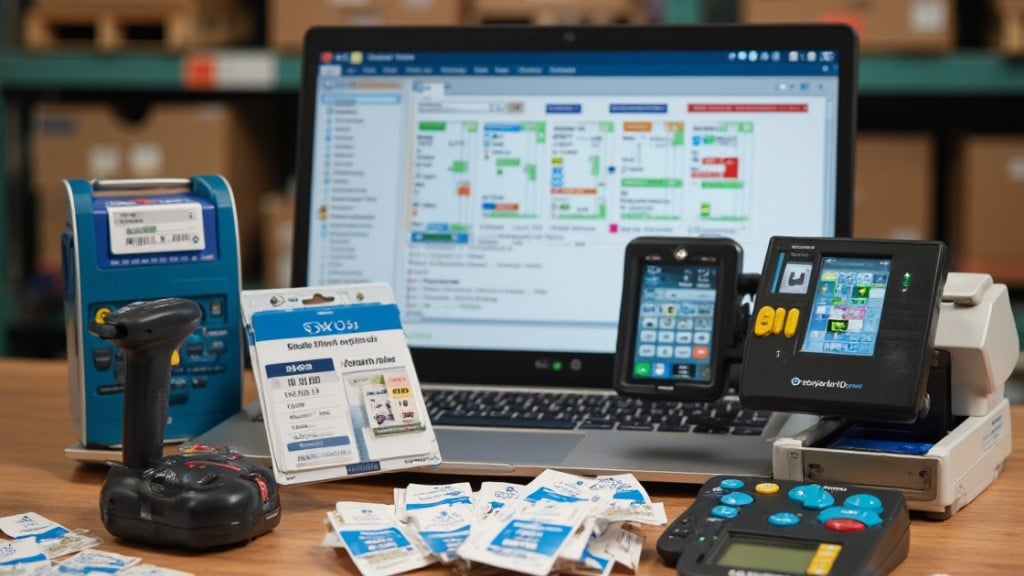
You can streamline your inventory process with various tools and software designed for efficient SKU management. The right solutions enhance visibility, track stock levels, and ultimately improve financial outcomes for your small business.
Popular SKU Management Software
- SkuNexus: SkuNexus offers advanced SKU management software that includes real-time tracking and automated reordering. It integrates seamlessly with e-commerce platforms and provides detailed analytics tailored for small businesses. This software allows you to customize workflows and make data-driven decisions.
- Unleashed Software: Unleashed Software is cloud-based and provides real-time visibility into stock levels. It supports multi-warehouse management, making it ideal for manufacturers and wholesalers. It features integration with popular accounting and CRM systems, like Xero and QuickBooks, facilitating better financial management.
- QuickBooks: QuickBooks’ inventory management software specializes in serving small to medium-sized businesses. It offers essential tools for tracking inventory, integrating well with your existing financial systems to keep your finances organized.
Benefits of Using Technology for SKU Tracking
Utilizing technology for SKU tracking delivers several advantages for your small business.
- Efficiency: Automation reduces manual entry errors and saves time.
- Improved Accuracy: Real-time data ensures that you maintain accurate stock levels, reducing the likelihood of stockouts or overstocking.
- Data Insights: Advanced analytics provide insights into sales trends, helping you make informed purchasing decisions that enhance financial performance.
- Scalability: These tools grow with your business. As you expand, scalable solutions adapt to evolving SKU management needs, ensuring continued efficiency.
Conclusion

Mastering SKUs is essential for effective inventory management and maximizing sales. By implementing a well-structured SKU system, you can streamline your operations and make informed purchasing decisions. The right tools and software can further enhance your ability to track stock levels and analyze trends.
As you develop your SKU strategy, remember to focus on consistency and clarity. Regularly reviewing your SKU structures and training your team will lead to improved accuracy and efficiency. Embracing technology in your SKU management not only saves time but also positions your business for growth.
With a solid understanding of SKUs, you’re well on your way to optimizing your inventory management and boosting profitability.Frequently Asked Questions

What is an SKU in retail?
An SKU, or Stock Keeping Unit, is a unique alphanumeric code assigned to each product in retail. It helps businesses track inventory levels, sales data, and customer preferences efficiently, streamlining inventory management.
Why are SKUs important?
SKUs are crucial for accurately tracking inventory levels, analyzing sales data, and making informed purchasing decisions. They help organizations optimize storage, reduce errors, and enhance overall inventory management.
What are the different types of SKUs?
The main types of SKUs are Manufacturer SKUs, Retailer SKUs, and Custom SKUs. Each type has its purpose, helping businesses effectively manage products and sales.
How to create effective SKUs?
To create effective SKUs, use a consistent format, maintain character uniformity, and include essential product information. This structured approach aids in efficient inventory management.
What are the benefits of using technology for SKU management?
Using technology for SKU management improves efficiency, enhances accuracy, provides valuable data insights, and allows for scalability as businesses grow, ultimately leading to better financial outcomes.
How do SKUs differ from UPCs and GTINs?
While SKUs are unique codes created by retailers for internal tracking, UPCs (Universal Product Codes) and GTINs (Global Trade Item Numbers) are standardized codes used globally for product identification at the point of sale.
Image via Google Gemini