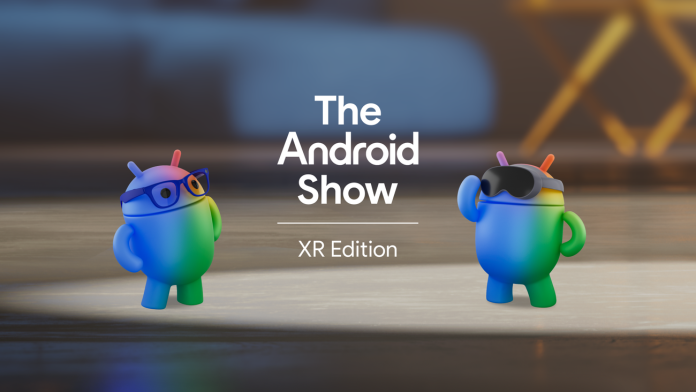
In a rapidly evolving digital landscape, the fusion of artificial intelligence (AI) and extended reality (XR) is taking center stage, promising to enhance both personal and professional experiences. Google’s recent announcement regarding the development of Android XR glasses, in collaboration with industry giants like Samsung, Gentle Monster, and Warby Parker, showcases a significant leap toward integrating AI into everyday life, particularly for small business owners seeking innovative tools.
Small business owners often juggle an array of responsibilities, and the advent of these new AI glasses could provide them with a competitive edge. Designed with versatility in mind, the new Android XR glasses are set to offer two distinctive functionalities, addressing varying user needs—from seamless communication to real-time information delivery.
The first variety, AI glasses for screen-free assistance, empowers users to interact with AI in a more natural manner. Featuring built-in speakers, microphones, and cameras, these glasses allow for hands-free communication with the AI system, Gemini. This can be particularly useful for busy entrepreneurs who need immediate assistance without being sidelined by their smartphone or computer. The convenience of taking quick photos or receiving help directly through the glasses enhances productivity, enabling small business owners to focus on what truly matters—running their enterprises.
Moreover, the display AI glasses introduce a new level of functionality. By incorporating an in-lens display, these glasses can provide discreet notifications such as turn-by-turn navigation or live translation captions, making them instrumental for business owners on the go. Whether navigating to a meeting or engaging with international clients, these features streamline operations and foster greater efficiency.
As small business owners look to adopt new technologies, cost and integration are key considerations. While the announcement highlights the stylish design and lightweight nature of the glasses intended for all-day wear, it’s essential to inquire about pricing and compatibility with existing business tools and applications. Adopting new tech often requires initial investment and training, thus understanding these aspects will help business owners to assess their readiness for such innovations.
Small businesses can also benefit from the community impact of these devices. For instance, local entrepreneurs can leverage AI glasses for engaging with customers in innovative ways, whether through enhanced customer service or immersive marketing strategies. Imagine a scenario where a retail owner interacts with customers while actively receiving assistance from AI about their product offerings or inventory—this could transform the shopping experience and potentially boost sales.
On the flip side, early adopters may face challenges related to the reliability and functionality of these devices in real-world scenarios. The development of pioneering technologies often encounters hurdles, including potential bugs or limitations that could impede the user experience. Nevertheless, Google’s collaboration with established eyewear brands mitigates some concerns, as these companies have proven expertise in creating comfortable and functional designs tailored for everyday use.
As small business owners contemplate incorporating AI and XR into their operations, keeping an eye on the upcoming launch of these glasses next year will be crucial. The prospect of wearable tech that integrates effortlessly into daily tasks resembles a significant stride toward a future where AI becomes an indispensable part of the business landscape.
The collaboration among tech giants to create an ecosystem around Android XR highlights an essential trend within the tech industry: adaptability and personalization. With a diverse range of devices on the horizon, small business owners will have the opportunity to select the tools that best fit their unique needs—ultimately transforming the way they conduct business.
As this technology rolls out, small business owners should keep an open dialogue with industry peers and consider piloting the devices to garner real-world insights that could inform broader adoption strategies. Staying informed will ensure they remain at the forefront of technological advancements that can significantly enhance their operations.
For further details, check out the original post here.
Image Via Android