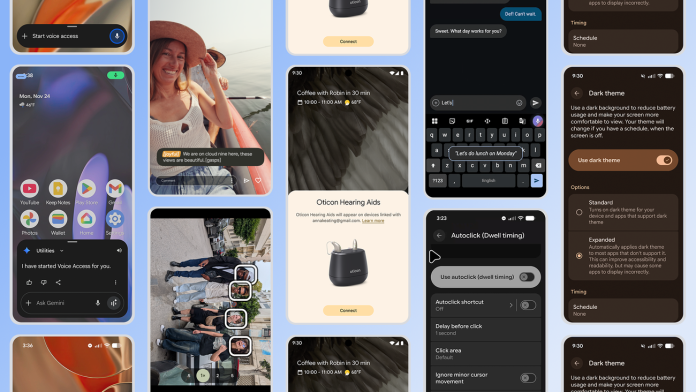
Recent advancements in accessibility on Android devices have opened new avenues for small business owners to enhance their operations, particularly for those accommodating diverse workforce needs. Google has announced features aimed at making technology more user-friendly for individuals with disabilities, emphasizing practical applications that can benefit small businesses.
One of the standout features is the introduction of "Expressive Captions" for YouTube videos. Set to roll out for videos uploaded in English after October, this new capability will leverage artificial intelligence to create a more immersive experience. Captions will not only reflect spoken dialogues but also indicate the intensity of speech with uppercase letters, as well as describe ambient sounds like sighs or gasps. This is particularly useful for businesses that rely on video content for marketing or training purposes, ensuring that content is accessible to a wider audience, including those who are hard of hearing.
The implications for small businesses are significant. By making video content more engaging and inclusive, companies can improve customer experiences, broaden their market reach, and align with best practices in accessibility. For marketing teams, this feature offers an innovative way to communicate messages effectively—transforming standard video presentations into inclusive, attention-grabbing materials.
Another exciting update focuses on the usability of Android devices for those who experience physical discomfort when clicking a mouse. The newly enhanced AutoClick feature enables users to set a custom dwell time, allowing the cursor to pause over an item before a click is automatically executed. This feature helps reduce fatigue for employees who may struggle with the conventional clicking motion, an essential consideration for small businesses aiming to create a supportive work environment.
"By introducing a more intuitive cursor interaction, we aim to reduce physical strain and improve productivity for users who find mouse clicks challenging," says a Google representative. This kind of thoughtful innovation mirrors the adaptive strategies many small business owners apply to foster a more efficient workplace.
Implementing these new features can also come with challenges. Small business owners might need to invest time in training employees on how to use the new tools effectively. Educating the team on accessibility features can help maximize benefits and ensure everyone makes the most of the technology at hand. Additionally, adapting existing video content to integrate Expressive Captions could require a shift in the production process, which may involve costs and a learning curve.
Moreover, while these advancements focus on inclusivity, owners must keep in mind the varying levels of tech literacy among staff. Some team members may need additional support to adjust to new functionalities, which could temporarily slow productivity as everyone climbs the learning curve.
Despite these potential hurdles, the overall enhancements in accessibility represent a significant gain for small businesses. Embracing new technology not only supports a diverse workforce but also positions companies as inclusive and forward-thinking in their community. With an emphasis on making digital environments more accommodating, the benefits of enhanced accessibility can lead to a more engaged customer base and a loyal workforce.
For small businesses already integrating technology into their operations, these updates are not merely optional features; they represent a step toward creating a more accommodating and productive workplace. As Google continues to roll out improvements, the potential for innovation grows, allowing business owners to harness these tools for greater efficiency and market competitiveness.
For further details on these exciting updates, please refer to the original announcement here.
Image Via Android