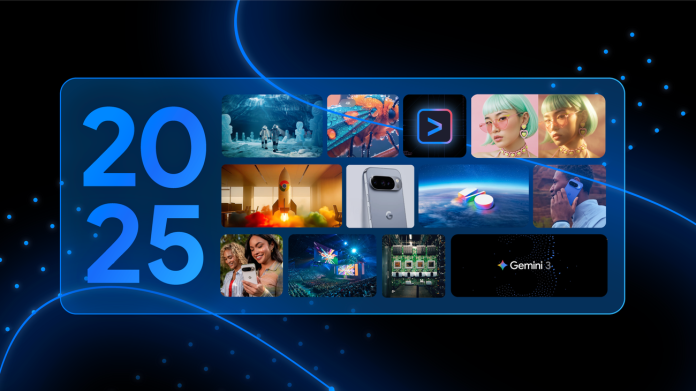
As 2025 draws to a close, small business owners are reflecting on an eventful year in technology, particularly in artificial intelligence (AI). Google has made significant strides this year with numerous product updates and features tailored to enhance daily operations and decision-making in business environments. From educational tools to robust updates in its popular platforms, Google aims to equip businesses with cutting-edge resources.
Google’s newly revamped AI, Gemini, showcased its capabilities right at the start of the year. With updates rolling out to various platforms, including Android and Google TV, the technology offers new functionalities that can potentially simplify tasks for small business owners. For instance, an upgraded Android assistant promises a more intuitive interaction, helping users navigate their devices and manage daily operations with ease.
One notable development is in the Android ecosystem. The release of the Samsung Galaxy S25 series brought with it advanced features powered by AI. These enhancements not only improve user experience but also enable businesses to leverage AI in mobile strategies, enhancing customer engagement through personalized experiences. Andrew Green, Head of Product Management for Android, noted, “With our latest updates, we’re committed to making AI work harder for you, allowing you to focus on what truly matters—growing your business.”
In addition to these advancements, Google is making waves in the education sector with new tools like NotebookLM. Small businesses that emphasize training and development can benefit from incorporating AI into their educational programs. Such tools can streamline the learning process, making it more efficient and tailored to individual needs.
Google TV also received significant updates at CES, which can benefit businesses in the advertising sphere by offering richer targeting options and innovative advertisement formats. With more businesses utilizing video content for marketing, staying updated on such features allows companies to refine their digital marketing strategies.
For those examining how these AI tools can apply practically, several scenarios come to mind. Businesses can harness AI to automate repetitive tasks, enhance customer interactions, or even support data analysis efforts. This enables owners to dedicate more time to strategic initiatives rather than day-to-day logistics.
However, embracing AI technology is not without its challenges. The integration of advanced features may require a learning curve, particularly for those not well-versed in tech. Furthermore, as with any technology, small businesses must stay abreast of security considerations associated with AI deployment. Vulnerabilities can arise if systems are not properly secured or maintained. It is essential for owners to weigh the benefits of new tools against potential risks, ensuring they have adequate support and systems in place.
As we celebrate the advancements of 2025, the focus will inevitably shift toward the practical implications for small business operations. The key takeaway for small business owners this year is to remain adaptive and proactive. Leveraging Google’s enhancements can lead to improved efficiency and productivity, provided businesses approach these tools with a clear understanding of their context and implications.
Engaging with these new technologies, whether through improved mobile interfaces or AI-driven educational tools, positions small businesses to compete effectively in an increasingly digital landscape. By taking advantage of these resources, owners can optimize their processes and foster growth in a challenging economic climate.
For those interested in exploring the full scope of Google’s 2025 AI news, additional details are available in their comprehensive recap. The year has been a stepping stone for innovation, and staying informed may be just what small business owners need to capitalize on these advancements. To read more, check out the original post on Google’s blog here.
Image Via Google Workspace