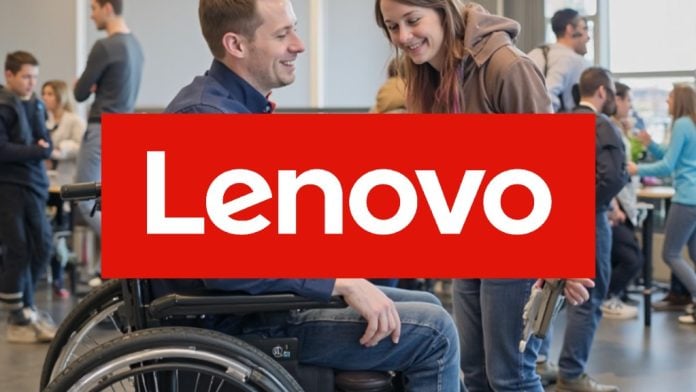
In an effort to champion disability inclusion and redefine workplace accessibility, Lenovo has taken substantial steps through its Lenovo Disability Advantage strategy. This global initiative is guided by three core pillars: creating awareness and innovation, transforming workplaces to integrate accessibility, and challenging conventional practices to embrace change. As Lenovo marks the International Day of People with Disabilities, the company underscores its commitment to fostering environments where all employees can thrive.
Small business owners may find valuable insights in Lenovo’s approach, particularly as inclusivity increasingly shapes consumer and employee expectations. According to the company, fostering a more inclusive workplace not only drives innovation but also enhances creativity and empathy in team dynamics.
A notable example from Lenovo comes from Masashi Kuze, a product marketing specialist in Tokyo. He initiated a wheelchair cleanup activity that allowed colleagues to navigate city streets from the perspective of a wheelchair user. Participants gained firsthand insights into how even minor barriers—like uneven pavement or narrow entrances—can hinder independence. This experience led to practical changes in office layouts and restroom accessibility, showcasing the immediate impact of empathy in the workplace.
“Experiencing inclusion changes how we design for it,” stated Kuze, emphasizing the need to blend environmental responsibility with inclusivity. For small business owners, this serves as a reminder that inclusive design can drive sustainable business practices. By considering the needs of diverse users in product development and office layouts, companies can enhance their overall appeal and drive operational efficiencies.
Another significant aspect of Lenovo’s initiative focuses on mental health. Blagica Gjorgjievska, a sales support representative in Bratislava, has led the way by creating safe, stigma-free spaces for discussions surrounding mental health challenges. Her Mental Health First Aiders program supports a growing network of well-being advocates across the company, recognizing that mental health contributes significantly to workplace productivity.
“Inclusion starts with empathy for every part of a person’s life,” remarked Gjorgjievska, emphasizing the need for a holistic approach to employee well-being. For smaller businesses, this could translate into fostering a culture where open conversations about mental health are encouraged, potentially reducing absenteeism and increasing employee morale.
Lenovo’s commitment to integrating accessibility into its operations extends to its employee training programs. John Lee, working in accessibility design, plays a vital role in ensuring that digital tools and HR documents are accessible to everyone, regardless of physical ability. By focusing on elements like screen reader compatibility and alt text, Lee champions a culture where accessibility is a part of the design process rather than an afterthought.
“Accessibility isn’t a checklist. It’s a shared responsibility,” indicated Lee, highlighting the collaborative effort required for meaningful change. This insight may resonate with small business owners seeking ways to implement accessible practices without overwhelming their existing structures.
Addressing language barriers is another area where Lenovo aims to foster inclusivity. Elcimar Bertrame, a manufacturing manager in Brazil, introduced LIBRAS (Brazilian Sign Language) courses that have successfully engaged over 100 employees. This initiative not only improved communication in the workplace but also enhanced teamwork and collaboration.
“Inclusion is when everyone has a voice and a way to be heard,” Bertrame stated, illustrating how simple interventions can have profound impacts.
In addition to these localized efforts, Lenovo has launched an initiative called PwD Listening Salons, led by Sandy Wang in China. These workshops bring together individuals with disabilities, NGOs, and designers to co-create inclusive technologies. This approach fosters an environment of collaboration and understanding that extends beyond policy—creating innovative solutions informed directly by user experiences.
“True inclusion means listening, learning, and co-creating,” noted Wang. For small business owners, the opportunity to partner with community organizations and actively engage with consumers can drive innovation and strengthen brand loyalty.
As Lenovo demonstrates, building a culture of accessibility goes beyond compliance; it actively shapes how businesses operate and innovate. Companies of all sizes can adopt similar initiatives to foster inclusivity, which not only benefits employees but also enhances customer engagement and market competitiveness.
In recognizing and celebrating the contributions of these employees, Lenovo reinforces that disability inclusion is not an isolated initiative but an ongoing journey that requires commitment and collaboration. By following Lenovo’s lead, small businesses can not only meet inclusive practices but also create a more engaging, diverse, and resilient workplace.
For more details on Lenovo’s Disability Advantage strategy, visit the original article here.
Image Via BizSugar