Continuous improvement is an essential concept in business that focuses on making systematic, incremental changes to improve operations, products, and services. It encourages active participation from employees at all levels to identify inefficiencies and suggest enhancements. By implementing structured methodologies like the PDCA cycle, companies can streamline processes and boost efficiency. Comprehending how to effectively apply these principles can greatly impact your organization’s adaptability and customer satisfaction, paving the way for further exploration of successful strategies and techniques.
Key Takeaways

- Continuous improvement is the ongoing enhancement of processes, products, and services through systematic, incremental changes aimed at improving quality and efficiency.
- The PDCA (Plan-Do-Check-Act) cycle is a key tool for implementing continuous improvement, guiding planning, execution, evaluation, and standardization.
- Employee engagement is critical, as collective input drives efficiency and innovation, fostering a culture of ownership and accountability.
- Methodologies like Lean, Six Sigma, and Total Quality Management provide structured approaches to identify inefficiencies and enhance organizational performance.
- Measuring success through indicators like defect rates and customer satisfaction demonstrates the tangible benefits of continuous improvement initiatives in business.
What Is Continuous Improvement?

Continuous improvement is a crucial concept in modern business practices, focusing on the ongoing enhancement of processes, products, and services.
The continuous improvement definition refers to a systematic approach aimed at improving quality and efficiency through incremental changes.
So, what’s continuous improvement in business? It’s about engaging employees at all levels to identify inefficiencies and suggest upgrades. This philosophy, rooted in Toyota’s kaizen approach, promotes a culture of collaboration and innovation.
A key tool in this process is the PDCA (Plan-Do-Check-Act) cycle, which guides organizations through planning changes, implementing them, checking results, and acting on successful strategies.
The definition of continuous improvement highlights its goal of reducing waste as it delivers better value to customers.
The Importance of Continuous Improvement in Business

In today’s fast-paced business environment, grasping the significance of continuous improvement can greatly impact your organization’s success. Continuous improvement isn’t just a buzzword; it’s a crucial strategy that promotes engagement and drives efficiency.
Companies like Toyota thrive on collective input, receiving over 1 million suggestions from employees each year. This culture of collaboration leads to significant cost savings, as seen with Motorola, which reported a 25% boost in employee satisfaction through its initiatives.
By embracing continuous improvement, you can improve your business’s adaptability, similar to Boeing, which achieved a 50% reduction in production defects.
Additionally, organizations that prioritize ongoing enhancements often see marked improvements in customer satisfaction, like healthcare providers that reduced patient wait times by 20%.
In the end, comprehending what continuous improvement means is fundamental for long-term success, helping you maintain a competitive edge in your industry.
Key Principles of Continuous Improvement
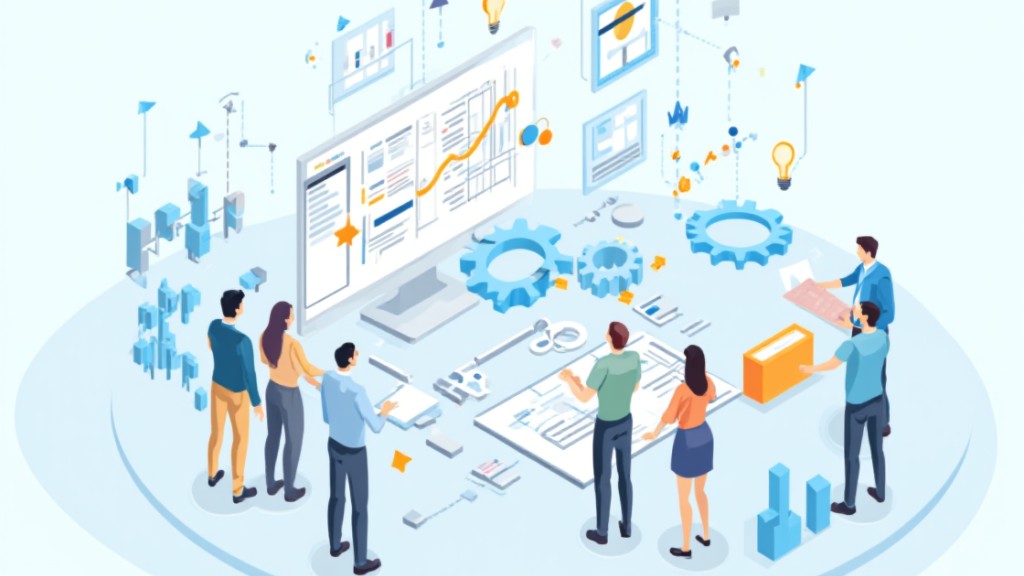
Recognizing the key principles of continuous improvement can greatly upgrade how your organization operates. By embracing these principles, you create a framework for ongoing advancement.
Here are four foundational concepts to contemplate:
- Kaizen Philosophy: Focus on making small, incremental changes over time to improve processes and operations effectively.
- PDCA Cycle: Utilize the Plan-Do-Check-Act framework for systematic planning, execution, evaluation, and standardization of improvements.
- Employee Engagement: Involve all employees in the improvement process, nurturing a culture of collaboration and innovation that helps identify inefficiencies.
- Performance Metrics: Regularly assess performance data to spot opportunities for improvement, enabling data-driven decisions that upgrade quality, efficiency, and customer satisfaction.
Continuous Improvement Models and Methodologies

When businesses seek to improve their operations, they often turn to various continuous improvement models and methodologies that provide structured approaches for making effective changes. The PDCA (Plan-Do-Check-Act) cycle is one such model, focusing on identifying improvement areas, implementing changes, analyzing results, and standardizing successful changes. Lean methodology emphasizes waste elimination and process optimization, often using tools like Value Stream Mapping and 5S. Six Sigma applies the DMAIC (Define, Measure, Analyze, Improve, Control) framework to reduce defects systematically. The Kaizen philosophy encourages small, incremental changes involving all employees, creating a culture of continuous improvement. Finally, Total Quality Management (TQM) promotes a holistic approach by emphasizing customer focus and proactive problem identification.
| Model/Methodology | Key Focus | Tools/Approaches |
|---|---|---|
| PDCA | Cycle of continuous improvement | Plan, Do, Check, Act |
| Lean | Waste elimination | Value Stream Mapping, 5S |
| Six Sigma | Defect reduction | DMAIC framework |
| Kaizen | Incremental changes | Employee workshops |
| TQM | Holistic improvement | Customer focus |
The Continuous Improvement Process Explained Step by Step

The Continuous Improvement Process is a systematic approach designed to help organizations improve their operations and achieve better results.
It typically follows the PDCA (Plan-Do-Check-Act) cycle, guiding you through a structured methodology. Here’s a step-by-step breakdown:
- Plan: Assess current processes to identify inefficiencies and set measurable improvement objectives.
- Do: Implement small-scale changes to test their effectiveness, allowing for manageable adjustments without significant risk.
- Check: Analyze the results of the changes using data to determine their impact against the established objectives.
- Act: Standardize and scale up successful changes across the organization, as you return to the planning phase for unsuccessful changes to explore alternative solutions.
Role of Employees in Continuous Improvement

Continuous improvement thrives on the active participation of employees who are often closest to the processes that need enhancement. By identifying inefficiencies and suggesting actionable ideas, you contribute considerably to enhancing operations. Engaging employees at all levels nurtures a culture of ownership and accountability, increasing job satisfaction; for instance, Motorola saw a 25% rise in employee satisfaction scores because of their improvement initiatives.
Regular training and empowerment are crucial, as seen in Toyota, which implements over a million employee suggestions annually. This grassroots involvement not only encourages creativity but likewise guarantees that changes are practical and grounded in frontline experiences.
Tools and Techniques for Continuous Improvement

To effectively implement continuous improvement, you’ll need a variety of tools and techniques at your disposal.
Data collection methods help gather insights on performance, whereas process mapping tools enable you to visualize workflows and spot inefficiencies.
Furthermore, problem-solving techniques, such as root cause analysis, empower you to tackle underlying issues and drive meaningful improvements in your organization.
Data Collection Methods
When organizations aim for continuous improvement, effective data collection methods play a crucial role in identifying strengths and weaknesses.
Employing a mix of quantitative and qualitative techniques improves your comprehension of processes and outcomes. Here are some methods to ponder:
- Surveys – Gather measurable insights from employees and customers about their experiences.
- Interviews – Capture detailed feedback that highlights specific areas for improvement.
- Performance Metrics – Use hard data to evaluate efficiency and effectiveness in workflows.
- Focus Groups – Engage small groups to discuss ideas and concerns, promoting collaboration.
Utilizing these methods regularly not only supports the PDCA cycle but additionally builds a culture of continuous improvement by actively involving employees in identifying and implementing advancements.
Process Mapping Tools
Effective data collection methods lay the groundwork for comprehension of processes, but the next step involves visualizing these workflows to pinpoint inefficiencies.
Process mapping tools, like flowcharts and value stream maps, help you see your operations clearly, making it easier to identify areas needing improvement. A tool like SIPOC provides a high-level overview, showcasing key elements in delivering products or services.
Gantt charts are beneficial for planning and tracking progress over time, ensuring your improvement activities stay on schedule. Software applications such as Lucidchart and Microsoft Visio simplify the creation of detailed process maps, encouraging collaboration among stakeholders.
Problem-Solving Techniques
Problem-solving techniques play a crucial role in continuous improvement efforts, as they provide structured approaches to tackle inefficiencies and advance processes.
Here are some effective techniques you can utilize:
- PDCA Cycle: Use the Plan-Do-Check-Act cycle to systematically identify and implement process improvements.
- 5 Whys: Employ this technique by asking “why” repeatedly to uncover the root cause of issues, leading to effective resolutions.
- Process Mapping: Visualize workflows to identify bottlenecks and redundancies, offering insights into where enhancements are needed.
- Lean Tools: Utilize Value Stream Mapping to analyze the flow of materials and information, which helps eliminate waste and improve efficiency.
Measuring Success in Continuous Improvement Initiatives

Measuring success in continuous improvement initiatives is crucial, as it provides tangible evidence of progress and effectiveness. You should focus on both leading and lagging indicators, like tracking defect rates and customer satisfaction scores, to assess quality improvements.
Operational efficiency indicators, such as cycle time reduction and cost savings, help quantify the impact of your implemented improvements, offering clear metrics for success. A study found that organizations using structured methodologies like PDCA saw a 25% increase in project completion rates, highlighting the effectiveness of systematic measurement.
Regularly monitoring Key Performance Indicators (KPIs) allows you to evaluate the effectiveness of your initiatives and make necessary adjustments for sustained success. Furthermore, companies that integrate data analytics into their improvement processes can achieve up to 30% greater efficiency gains, further emphasizing the importance of accurate measurement in your continuous improvement efforts.
Case Studies of Successful Continuous Improvement Implementations

Organizations can learn a great deal from successful continuous improvement implementations across various industries. These case studies illustrate how systematic advancements can lead to significant benefits:
- Toyota: Their Kaizen philosophy generated over 1 million employee suggestions annually, boosting productivity and quality in manufacturing.
- Mayo Clinic: Lean practices led to a 20% reduction in patient wait times, improving operational efficiency and patient satisfaction.
- Boeing: Adoption of continuous improvement strategies yielded a 50% reduction in production defects, showcasing effective manufacturing processes.
- General Electric: Through structured initiatives, GE achieved over $2 billion in savings, highlighting measurable financial benefits.
Furthermore, Ford realized a 60% reduction in defect rates within just six months by applying targeted process improvements.
These examples demonstrate that continuous improvement, when implemented effectively, can drive not just operational excellence but also substantial financial gains across various sectors.
Frequently Asked Questions

What Is the Best Definition of Continuous Improvement?
The best definition of continuous improvement is an ongoing effort to improve processes, products, or services through small, incremental changes.
This approach encourages you and your colleagues to identify areas for improvement, nurturing a culture of innovation and efficiency.
What Is Implementing Continuous Improvement?
Implementing continuous improvement means establishing a culture where you and your colleagues actively seek ways to improve processes and products.
You’ll use frameworks like the PDCA cycle to plan changes, execute them, check the results, and act on what you learn.
Regular monitoring is crucial to gather data on performance metrics.
Clear communication with stakeholders and employee engagement in the process are key for achieving meaningful, sustainable improvements in your organization.
What Are the 5 S’s of Continuous Improvement?
The 5 S’s of continuous improvement are crucial for organizing workspaces effectively.
First, you Sort by removing unnecessary items, which helps reduce clutter.
Next, you Set in order, arranging tools for easy access and workflow.
Then, you Shine, ensuring cleanliness to promote a safe environment.
After that, you Standardize by establishing procedures for maintenance.
Finally, you Sustain this organization by nurturing a culture of continuous improvement among all team members, ensuring lasting benefits.
What Are the 3 P’s of Continuous Improvement?
The 3 P’s of continuous improvement are People, Processes, and Products.
You engage employees at all levels to cultivate a culture of innovation, where their ideas can lead to workplace improvements.
Streamlining processes using techniques like Lean and Six Sigma can greatly boost operational efficiency.
Finally, focusing on product improvement by prioritizing customer feedback can raise satisfaction levels.
Together, these elements create a sustainable framework for ongoing business improvement.
Conclusion

In conclusion, continuous improvement is crucial for boosting business operations and maintaining competitiveness. By embracing systematic changes and engaging employees, organizations can identify inefficiencies and implement effective solutions. Utilizing methodologies like PDCA and Lean practices, businesses can streamline processes and increase customer satisfaction. Measuring success through defined metrics guarantees that initiatives lead to tangible results. In the end, cultivating a culture of continuous improvement not merely improves efficiency but additionally prepares businesses for future challenges in their respective industries.
Image via Google Gemini