Key Takeaways
- Essential Tools for Lawn Care: Hand tools like shovels, rakes, and pruning shears are vital for precise gardening tasks, while power tools like lawn mowers and string trimmers enhance efficiency and productivity.
- Specialized Equipment Importance: Tools such as tillers, chainsaws, and edgers play crucial roles in preparing soil, cutting larger branches, and creating clean garden borders, respectively.
- Maintenance is Key: Regular cleaning, disinfecting, and proper storage of landscaping tools can prolong their lifespan and ensure optimal performance, reducing replacement costs.
- Enhancing Client Satisfaction: Investing in high-quality landscaping tools not only boosts operational efficiency but also ensures high-quality results, leading to increased customer satisfaction.
- Adapting Tools for Specific Needs: Utilizing specialized tools like loppers and hedge trimmers can cater to specific landscaping tasks, providing versatility and professional results.
- Efficiency in Small Business Operations: The right mix of hand and power tools is essential for small business owners in the landscaping industry, enabling them to meet client expectations effectively.
Transforming your outdoor space into a stunning landscape requires more than just vision; it demands the right tools. Whether you’re a seasoned gardener or a weekend warrior, having the right equipment can make all the difference in achieving your landscaping goals. From simple hand tools to advanced machinery, each tool plays a crucial role in shaping your garden.
Overview of Landscaping Tools
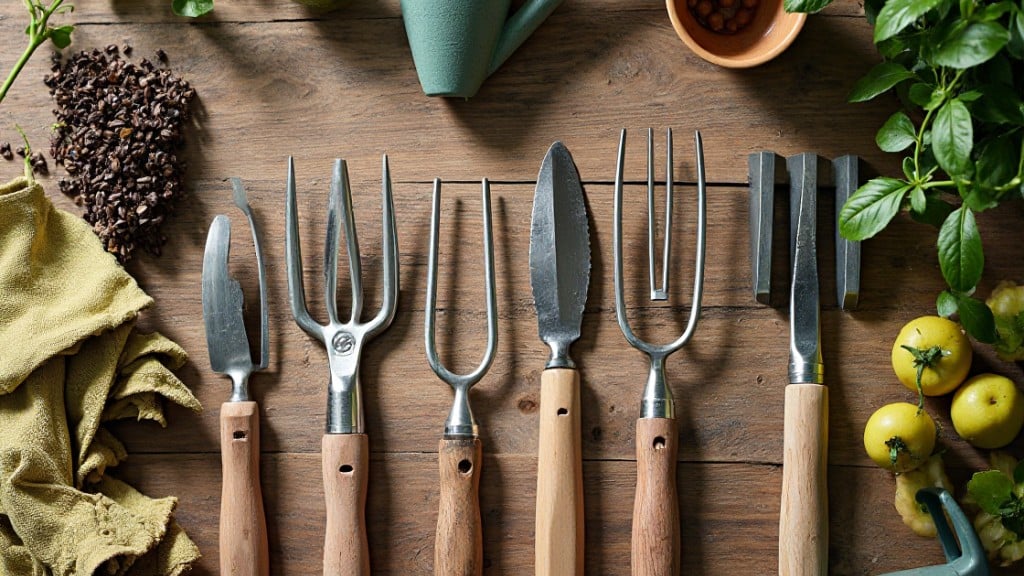
Landscaping tools play a crucial role in the maintenance and improvement of outdoor spaces. For small business owners in the landscaping industry, having the right equipment ensures efficiency and quality in your work.
Essential Hand Tools
- Shovels: Ideal for digging holes, moving soil, and planting.
- Rakes: Perfect for leveling soil, gathering leaves, and creating a smooth surface.
- Pruning Shears: Necessary for trimming branches and promoting healthy plant growth.
Power Tools
- Lawn Mowers: Essential for maintaining a neat lawn, available in gas and electric models.
- String Trimmers: Help you reach areas where mowers can’t, like edges and tight spaces.
- Leaf Blowers: Effective for quickly clearing leaves and debris from outdoor areas.
Specialized Equipment
- Tillers: Useful for preparing soil for planting by mixing in compost or fertilizers.
- Chainsaws: Required for cutting larger branches or trees safely and effectively.
- Edgers: Create clean boundaries between lawns and flower beds, enhancing the overall aesthetic.
By investing in high-quality landscaping tools, you improve operational efficiency and increase customer satisfaction, which is vital for running a small business successfully.
Essential Landscaping Tools
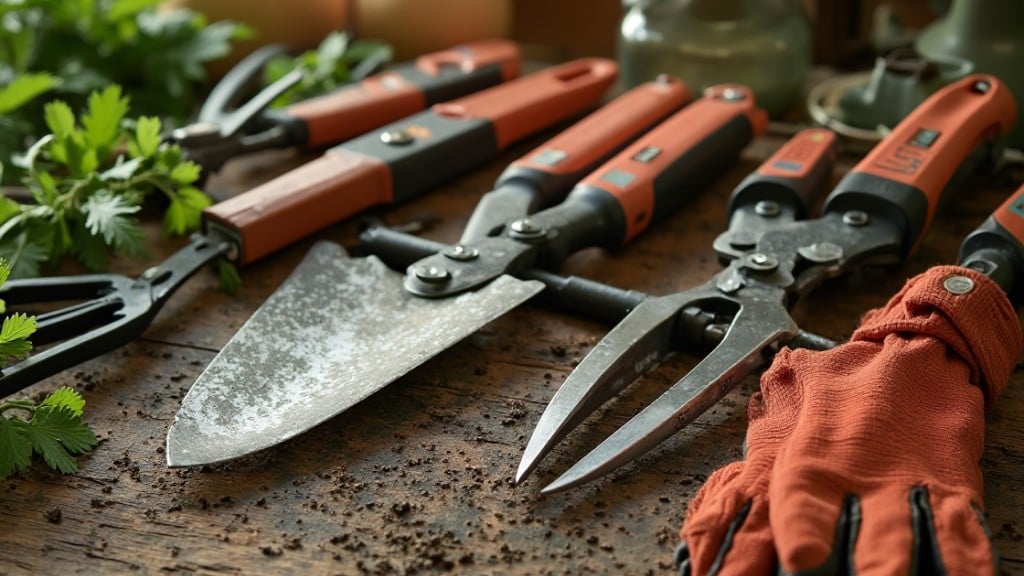
Using the right landscaping tools enhances your efficiency and quality of work as a small business owner. Both hand tools and power tools play crucial roles in achieving professional results.
Hand Tools
Hand tools provide precision and flexibility for specific tasks. Key hand tools include:
- Trowel: Use this versatile tool for breaking and turning soil, planting bulbs and seedlings, and separating perennials. Rake: Collect leaves, spread soil and mulch, and create an even surface with a reliable Rake.
- Shovel: Choose from various sizes and types to dig and turn over soil effectively.
- Weeder: Pull out weeds completely, including their roots, to maintain healthy landscapes.
- Hand Sickle: Use this lightweight tool for pruning bushes, harvesting vegetables, and cutting through thick grass, vines, and ivy.
Power Tools
Power tools simplify labor-intensive tasks and improve productivity in your landscaping business. Essential power tools include:
- Lawn Mower: Ensure a well-manicured lawn with an efficient lawn mower that saves time and effort.
- String Trimmer: Achieve clean edges and tidy garden beds by using a string trimmer.
- Leaf Blower: Quickly clear leaves and debris from pathways and lawns with a powerful leaf blower.
- Tillers: Prepare garden beds and enhance soil aeration with a reliable tiller.
- Chainsaws: Simplify cutting and trimming large branches with a sturdy chainsaw.
- Edgers: Create neat borders along sidewalks and driveways with a precise edger.
Investing in both hand and power tools supports the operational efficiency of running a small business, ensuring you meet customer expectations in quality and service.
Specialized Landscaping Tools
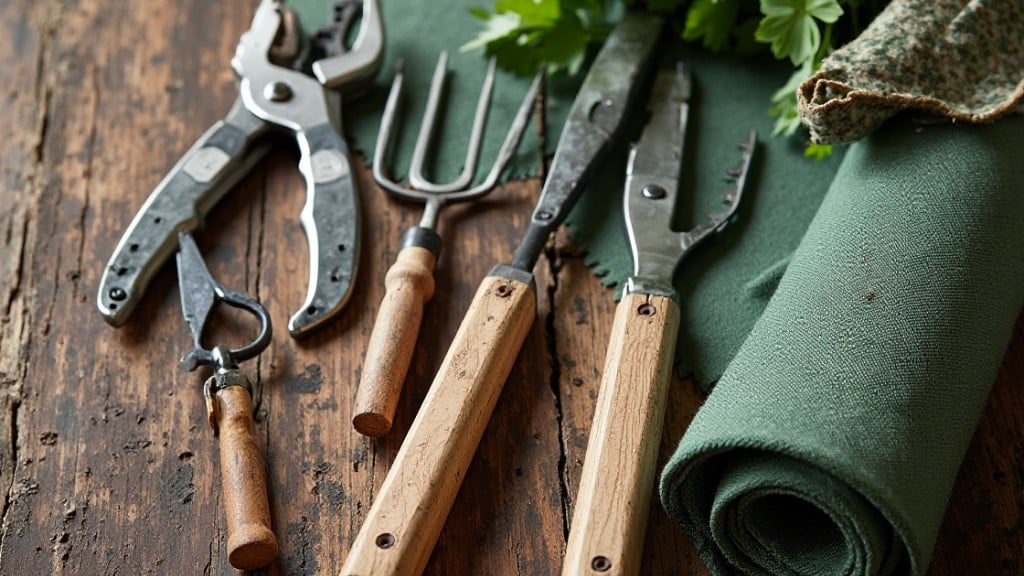
Investing in specialized landscaping tools can enhance your efficiency and the quality of your work. For small business owners in the landscaping industry, having the right tools is crucial for ensuring client satisfaction and achieving professional results.
Loppers
Loppers serve as essential cutting tools for tackling larger branches and stems. With long handles and either bypass or anvil designs, loppers adapt to specific pruning needs, making them indispensable for various landscaping tasks.
Post Hole Digger
Post hole diggers are vital for creating precise holes when installing fencing, trellises, or planting large plants. Featuring sharp, shovel-like blades and long handles, these tools enable you to dig efficiently, reducing the time spent on manual labor.
https://www.youtube.com/watch?v=uAIWEx0TdoA
Hedge Trimmer
Hedge trimmers streamline the process of shaping hedges through the cutting of thin twigs and branches. These tools resemble chainsaws but utilize horizontal blades, allowing for a clean and neat finish that enhances the overall appearance of landscapes.
Edger
An edger helps maintain sharp boundaries between lawns and other surfaces. This hand-held power tool trims grass at the edges, leading to a polished look that impresses clients. Using an edger not only improves aesthetics but also contributes to overall landscape health.
Maintenance and Care for Landscaping Tools
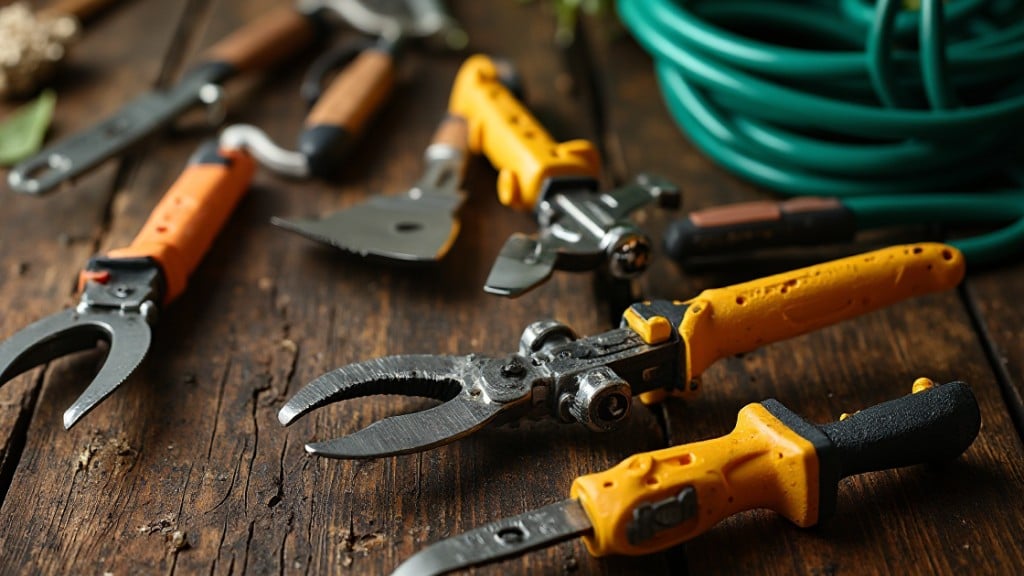
Regular maintenance and care ensure landscaping tools perform efficiently, prolonging their lifespan and saving costs for your small business.
- After Each Use: Clean tools immediately to prevent buildup of dirt, sap, and debris. Use a wire brush or cloth for metal parts and rinse wooden handles with water. For pruners and shears, a nail brush and soapy water effectively remove plant residue. This routine protects your equipment’s functionality.
- Disinfecting: Disinfect tools that contact diseased plants or pest-infested soil. A solution of household bleach and water or rubbing alcohol works well. Rinse tools thoroughly afterward. This step helps maintain plant health and reduces the risk of spreading pests.
- Drying: Always dry tools completely with a towel or rag after cleaning to avoid rust and corrosion. Never store tools while wet, as moisture leads to faster degradation, affecting your investment.
- Storage: Store tools in a dry, well-ventilated area, like a shed or garage. For smaller tools, a bucket of sand mixed with plant-based oil serves as a protective storage solution. Hang or store larger tools with blades facing upward to prevent dulling the edges. Proper storage not only improves organization but also maximizes your tools’ longevity, contributing to your business’s efficiency.
Conclusion
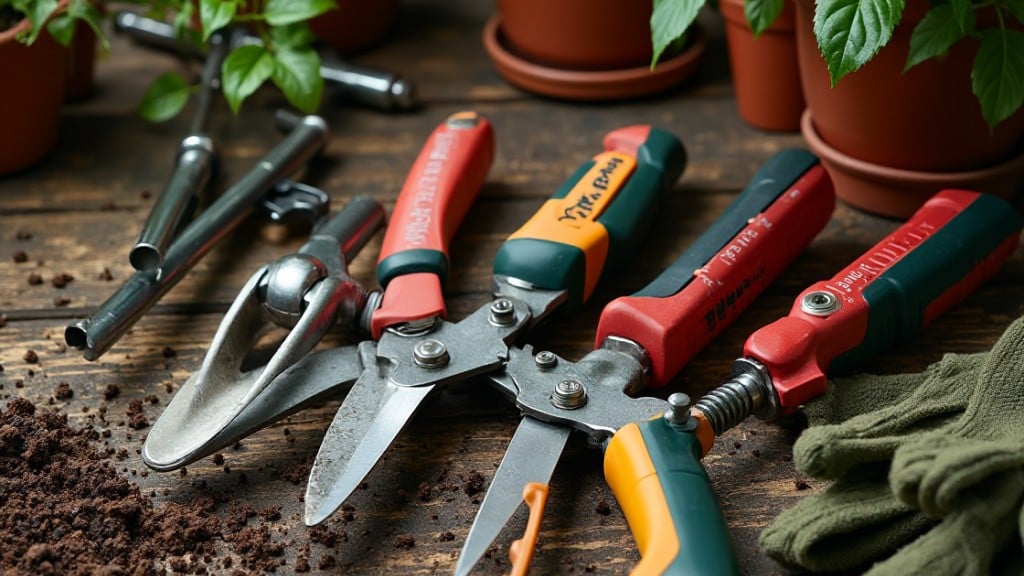
Investing in the right landscaping tools is essential for transforming your outdoor spaces and achieving stunning results. Whether you’re a seasoned gardener or just starting out you’ll find that having quality equipment can make all the difference in your landscaping projects.
By combining hand tools and power tools you can enhance your efficiency and ensure your work meets high standards. Regular maintenance of your tools not only extends their lifespan but also maximizes your productivity and effectiveness.
Ultimately the right tools empower you to create beautiful landscapes that impress clients and elevate your gardening experience. Make the choice to equip yourself with the best tools and watch your outdoor spaces thrive.
Frequently Asked Questions
Why are landscaping tools important for outdoor spaces?
Landscaping tools are essential for transforming outdoor spaces into beautiful landscapes. They enable both seasoned gardeners and casual enthusiasts to achieve efficiency and quality in their work, ensuring that projects meet aesthetic and functional goals.
What types of hand tools are important for gardening?
Essential hand tools include trowels, rakes, shovels, weeders, and hand sickles. These tools provide the precision and flexibility needed for various gardening tasks, allowing for detailed work and effective maintenance of outdoor areas.
How do power tools help in landscaping?
Power tools, such as lawn mowers, string trimmers, and leaf blowers, simplify labor-intensive tasks and boost productivity. They enable landscapers to complete projects more efficiently, saving time and energy, while also achieving high-quality results.
What specialized tools can enhance landscaping efficiency?
Specialized tools like loppers, post hole diggers, hedge trimmers, and edgers help improve work quality and efficiency. These tools are designed for specific tasks, such as shaping hedges or creating precise holes, contributing to the overall health and aesthetics of landscapes.
How can regular maintenance extend the life of landscaping tools?
Regular maintenance, such as cleaning, disinfecting, drying, and proper storage, keeps tools in good condition and prolongs their lifespan. This care not only saves costs over time but also ensures that tools perform efficiently during landscaping projects.
Image via Google Gemini