Key Takeaways
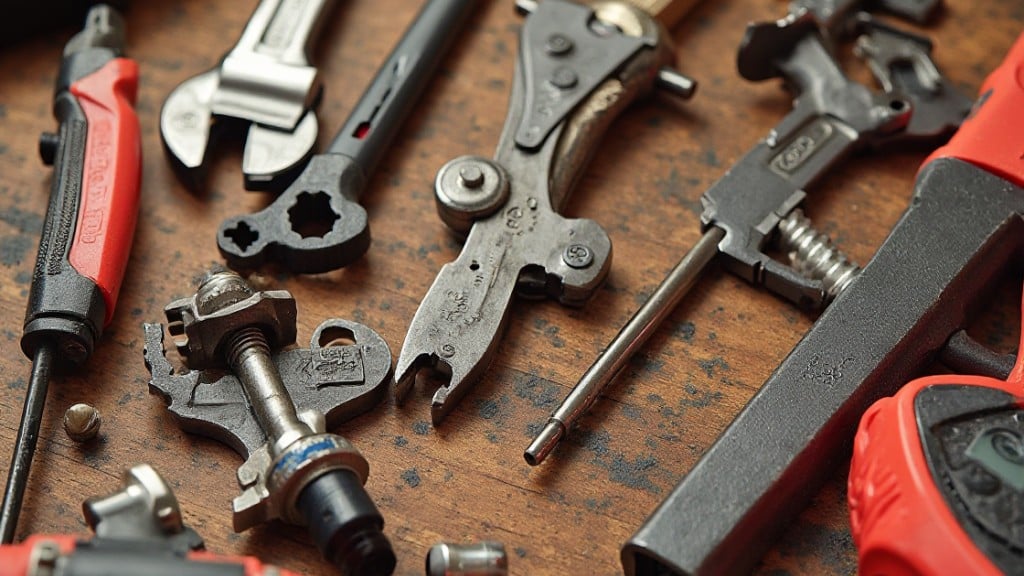
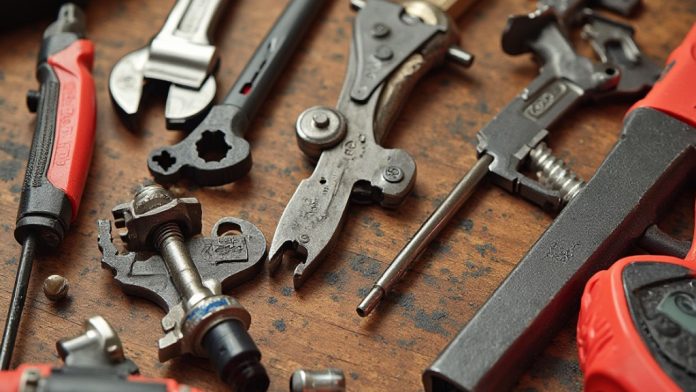
- Essential Tools: Familiarize yourself with must-have plumbing tools, including pipe wrenches, basin wrenches, and plungers, to enhance your efficiency in tackling plumbing jobs.
- Hand and Power Tools: Invest in a mix of hand tools and power tools such as drills and reciprocating saws for increased precision and speed in installations and repairs.
- Specialized Equipment: Utilize specialized tools like augers and hydro jetting equipment to effectively manage deep clogs and complex plumbing challenges.
- Safety First: Always prioritize safety by using personal protective equipment (PPE), including hard hats, safety goggles, and gloves, to protect yourself during plumbing tasks.
- Quality Matters: Selecting high-quality tools ensures durability and enhances your reputation, leading to satisfied customers and successful project completions.
When it comes to plumbing, having the right tools can make all the difference. Whether you’re a seasoned professional or a DIY enthusiast, understanding the essential plumber tools at your disposal is crucial for tackling any job with confidence. From fixing leaks to installing new fixtures, the right equipment not only saves you time but also ensures quality results.
In this article, you’ll discover the must-have tools every plumber should own. We’ll explore their functions and why they’re indispensable for both minor repairs and major installations. Get ready to equip yourself with the knowledge you need to handle any plumbing challenge that comes your way.
Overview of Plumber Tools
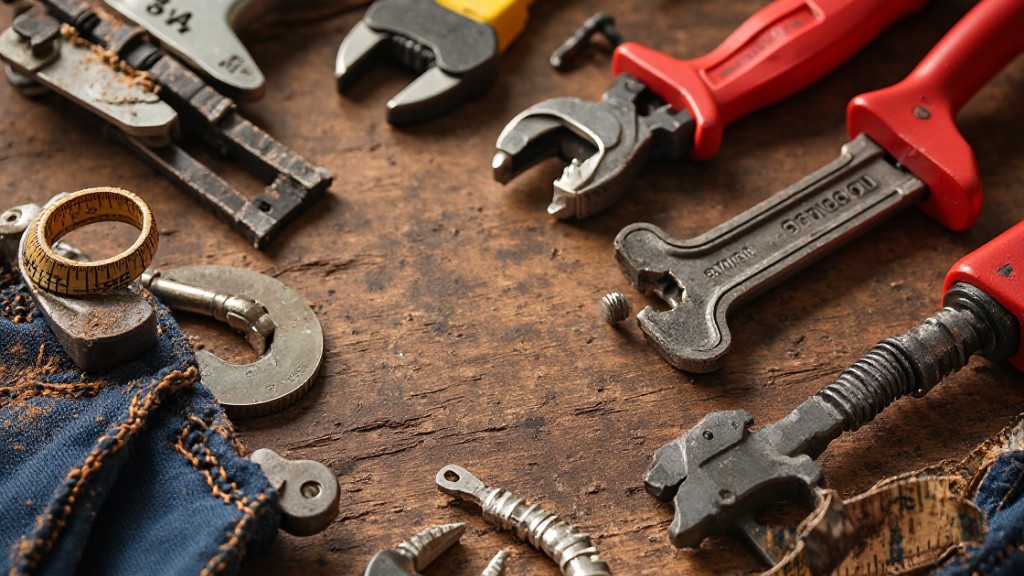
Understanding plumber tools is essential for running a small business related to plumbing services. Equipped with the right tools, you effectively address a variety of plumbing tasks, enhancing your professional reputation and efficiency. Here’s a breakdown of essential tools every plumber should have:
- Pipe Wrench: A pipe wrench provides a strong grip on pipes and fittings, making it ideal for turning and holding. Its adjustable design accommodates various pipe sizes.
- Basin Wrench: A basin wrench allows you to reach tight spaces and firmly grip nuts on faucets. This tool is particularly useful when installing or repairing sinks.
- Plunger: A plunger serves as a basic yet vital tool for clearing clogs in drains and toilets. It’s an essential item for quick fixes, ensuring customer satisfaction.
- Pipe Cutter: A pipe cutter delivers clean cuts on pipes, facilitating precise installations. This tool saves time and reduces the need for additional finishing work.
- Teflon Tape: Teflon tape provides a reliable seal for threaded pipe connections. Using this tape helps prevent leaks, ensuring consistent and dependable service.
- Auger: An auger penetrates deeper clogs in sewer lines, offering a solution when plungers fail. Its versatility makes it a valuable asset for plumbing emergencies.
- Multi-Tool: A multi-tool combines various functions, such as cutting, stripping, and crimping. This compact option saves space while delivering numerous capabilities.
Integrating these tools into your small business toolkit enhances your ability to tackle both minor repairs and major installations. Effective use of plumber tools leads to efficient job execution and satisfied clients.
Essential Tools for Every Plumber
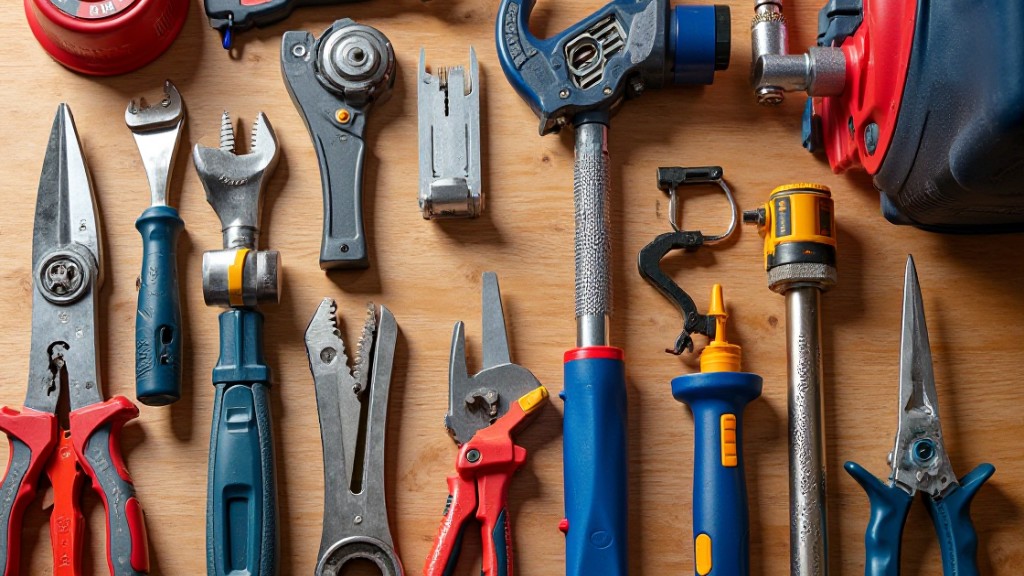
Equipping yourself with the right tools is crucial for running a successful plumbing small business. Understanding essential plumber tools enables you to efficiently complete a variety of tasks.
Hand Tools
Hand tools are integral for daily plumbing tasks.
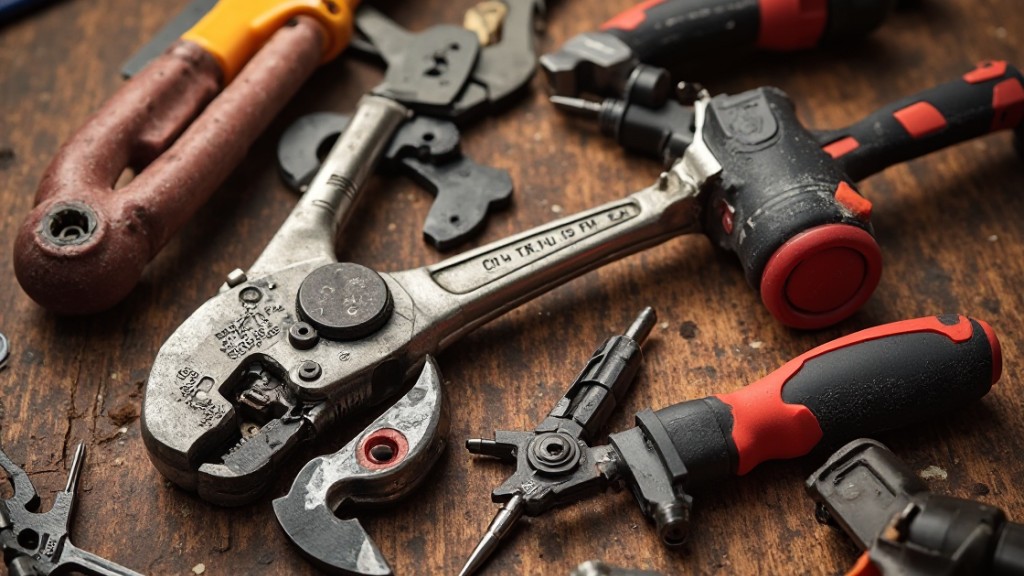
- Pipe Wrench: This tool is vital for gripping and loosening nuts and fittings on pipework. Use two pipe wrenches—one to hold the pipe and the other to turn the nut or fitting.
- Adjustable Wrench: Also known as an adjustable spanner or crescent wrench, this tool allows you to loosen or tighten nuts and bolts. Common sizes include 6-inch and 10-inch models, useful for various applications.
- Basin Wrench: This T-shaped tool excels at reaching confined spaces, allowing you to adjust the nuts that secure faucets under sinks.
- Faucet Key: An X-shaped tool, the faucet key opens and closes spigots and sillcocks, ensuring water flow control during plumbing jobs.
- Torque Wrench: Use this tool to apply specific torque to nuts or bolts, preventing over-tightening or under-tightening.
- Pliers: Utilize pliers to tighten or loosen nuts and bolts that a wrench cannot grasp.
Power Tools
Power tools enhance efficiency, providing greater precision and speed for plumbing tasks.
-
Drill: A cordless or corded Drill facilitates easy installation of fixtures and pipes, streamlining hole-making for fasteners.
- Reciprocating Saw: Ideal for cutting through pipes quickly and accurately, this saw is perfect for larger jobs or renovations.
- Pipe Cutter: This tool enables you to achieve clean and accurate cuts on pipes, ensuring proper fittings without the hassle of jagged edges.
Investing in quality hand and power tools proves essential for maintaining high standards in your plumbing small business. Quality tools not only enhance your efficiency but also improve your reputation and customer satisfaction.
Specialized Plumber Tools
Specialized plumber tools are crucial for efficiently completing plumbing tasks. Investing in the right tools enhances your small business’s reputation and ensures quality work.
Pipe Wrenches
- Pipe Wrench: This essential tool grips and turns threaded pipes and fittings. Its toothed jaw provides a secure hold. Various sizes accommodate different pipe diameters. Typically, you’ll use two pipe wrenches together—one to hold the pipe and the other to rotate the nut or fitting, enhancing efficiency during installations or repairs.
- Adjustable Wrench: Known as a crescent wrench, this versatile tool suits multiple plumbing tasks. Its adjustable jaw fits various sizes of nuts and bolts, making it indispensable for your toolkit.
- Basin Wrench: Designed for tight spaces, the T-shaped basin wrench features a swiveling jaw that grips nuts under sinks and behind toilets. This tool’s design simplifies access to hard-to-reach areas, boosting your productivity on the job.
- Strap Wrench: Ideal for working with smooth or polished pipes, such as chrome or plastic. The strap wrench’s grip prevents damage to fittings while allowing you to apply the necessary torque.
Drain Cleaning Tools
- Plunger: The most basic yet effective tool for clearing clogs in sinks, toilets, and drains. A heavy-duty plunger enhances your ability to quickly resolve minor blockages.
- Auger: Also known as a snake, this tool is crucial for deeper clogs. Available in various sizes, a plumbing auger reaches blockages in pipes that standard plungers can’t access, making it essential for comprehensive plumbing solutions.
- Hydro Jetting Equipment: For severe drain issues, consider investing in hydro jetting equipment. This technology uses high-pressure water to remove stubborn clogs and build-up in pipes. This tool not only clears drains effectively but also prepares your small business for more complex plumbing challenges.
Equipping your small business with the right specialized tools maximizes your efficiency and service quality, ensuring you tackle a wide range of plumbing tasks confidently.
Safety Equipment for Plumbing
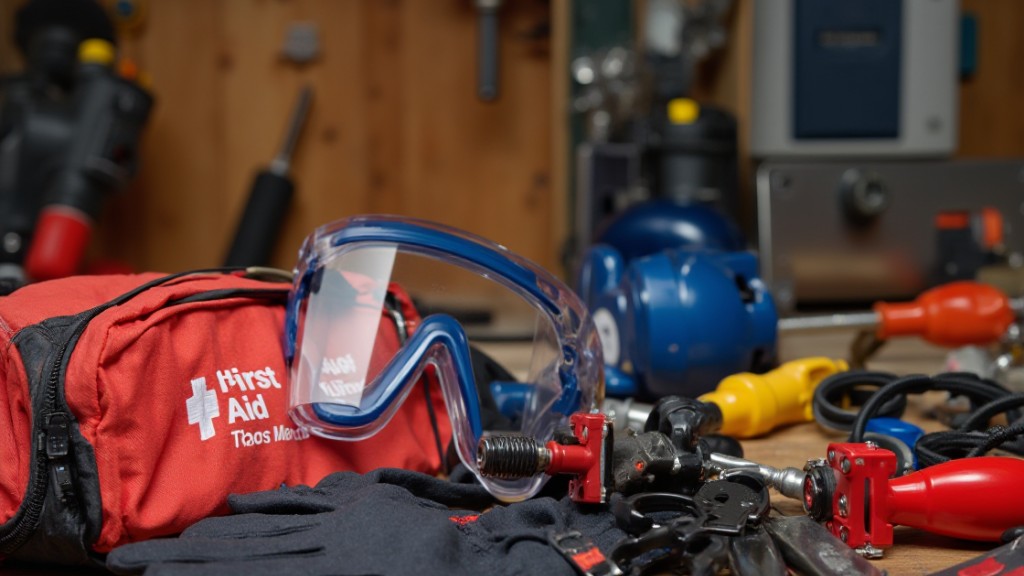
Safety equipment is essential to protect you and your team while working in plumbing, especially when running a small business. Various hazards exist in plumbing jobs, so equipping yourself properly minimizes risks and enhances efficiency.
Personal Protective Equipment (PPE)
Hard Hats and Bump Caps
Hard hats and bump caps protect your head from injuries, crucial when working in confined spaces like crawl spaces, basements, or attics. These spaces may contain low-hanging beams or overhead hazards, making head protection vital.
Eye Protection
Safety goggles or glasses safeguard your eyes from debris, chemicals, and splashes. They become particularly important during tasks like soldering, cutting pipes, and using drain-cleaning chemicals. Protecting your vision helps maintain productivity and safety in all plumbing projects.
Gloves
Protective gloves are a must-have for your plumbing toolkit. Different types of gloves, including nitrile, latex, and heat-insulated gloves, guard against cuts, abrasions, and exposure to hazardous materials. Selecting the right gloves for particular tasks enhances safety and ensures you’re prepared for various situations.
Conclusion
Having the right plumber tools is crucial for tackling any plumbing challenge you might face. From essential hand tools to specialized equipment each tool plays a vital role in ensuring efficient and effective repairs.
Investing in quality tools not only enhances your skills but also boosts your reputation in the plumbing industry. Remember that safety should always be a priority. Equip yourself with the necessary safety gear to protect against potential hazards.
With the right tools and safety equipment you’ll be well-prepared to handle any plumbing task with confidence and professionalism.
Frequently Asked Questions
What are the essential tools needed for plumbing?
A plumber toolkit should include a pipe wrench for gripping pipes, a basin wrench for tight spaces, a plunger for clearing clogs, and a pipe cutter for clean cuts. Teflon tape is also crucial for sealing threaded connections, while an auger helps remove deeper clogs.
Why is it important to have specialized plumber tools?
Specialized plumber tools, such as the adjustable wrench and strap wrench, are designed for specific tasks, ensuring efficiency and effectiveness. Investing in the right tools enhances your plumbing business’s reputation and helps deliver quality service.
How can quality tools improve my plumbing business?
Quality tools improve precision and efficiency in plumbing tasks, such as drilling and cutting. Using reliable equipment helps maintain high standards, boosts your reputation, and ensures customer satisfaction, which is vital for long-term success.
What safety equipment do plumbers need?
Plumbers should wear personal protective equipment (PPE) like hard hats for head protection, safety goggles to shield eyes from debris, and protective gloves to prevent cuts and contact with hazardous materials. This gear is essential for minimizing risks on the job.
Can DIY enthusiasts benefit from having the right plumbing tools?
Absolutely! Proper tools help DIY enthusiasts tackle plumbing tasks effectively, whether fixing leaks or installing fixtures. Understanding and utilizing essential tools enhances confidence and the likelihood of successful home repairs.
Image via Google Gemini