
Key Takeaways

- Enhances Organization: Reminder email templates are essential for maintaining organization and professionalism, particularly for small businesses managing multiple tasks and deadlines.
- Streamlines Communication: Utilizing templates saves time and ensures consistent communication, reducing the effort needed to craft emails from scratch.
- Promotes Professionalism: Sending timely reminder emails demonstrates respect for recipients’ time, strengthening business relationships and potentially improving client retention.
- Key Features: Effective templates should include clear subject lines, concise content, specific details, a polite tone, and a clear call to action to drive engagement.
- Types of Templates: Common reminder email types include appointment reminders, payment reminders, and event reminders, each tailored to specific communication needs.
- Personalization Strategies: Enhancing templates with personalization, such as addressing recipients by name and referencing past interactions, boosts engagement and response rates.
In today’s fast-paced world, staying organized can be a challenge. Whether you’re managing projects, following up on meetings, or reminding clients about deadlines, effective communication is key. That’s where reminder email templates come into play. They not only save you time but also ensure your messages are clear and professional.
Using well-crafted templates helps you maintain consistency and reduces the stress of crafting emails from scratch. With the right structure, you can easily convey urgency while remaining polite and respectful. Dive into the world of reminder email templates and discover how they can enhance your productivity and keep your relationships strong.
Overview of Reminder Email Templates

Reminder email templates play a crucial role in maintaining organization and professionalism, especially when running a small business. They allow you to streamline communication and enhance productivity by ensuring important tasks and deadlines are not overlooked.
Importance of Reminder Emails
Reminder emails are essential for timely follow-ups and task management. They help you to keep clients, partners, and team members informed about meetings, payments, or project deadlines. By sending reminder emails, you demonstrate professionalism and respect for others’ time, which can strengthen your business relationships. Additionally, these emails reduce the likelihood of missed deadlines, ensuring that projects stay on track and that your small business operates smoothly.
Key Features to Include
Effective reminder email templates should include the following key features:
- Clear Subject Lines: Make the purpose of the email immediately obvious.
- Concise Content: Use brief and direct language to convey the message.
- Specific Details: Include critical information like dates, times, and relevant links.
- Polite Tone: Maintain professionalism while being friendly and respectful.
- Call to Action: Encourage the recipient to respond or take the necessary action.
By incorporating these features into your reminder email templates, you can communicate effectively while reinforcing the importance of organization in running a small business.
Types of Reminder Email Templates
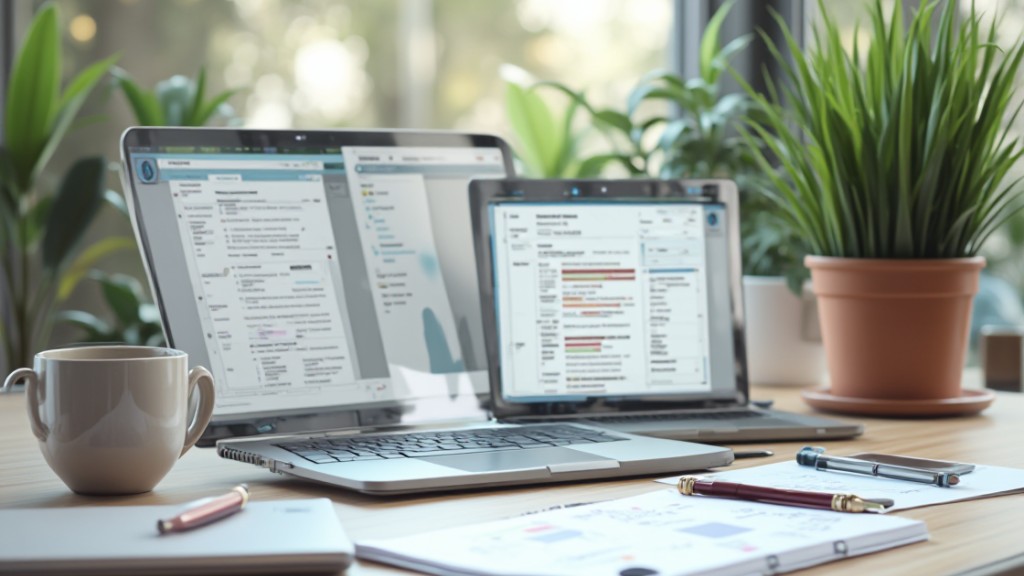
Reminder emails enhance communication and organization in your small business. Here are some essential types of reminder email templates that can help you stay connected with your clients and partners.
Appointment Reminders
Appointment reminders notify clients about upcoming meetings or services. These emails help ensure that appointments are not missed, which is crucial for maintaining a professional image in your small business.
-
Subject Lines:
- “Reminder: Appointment on [Date & Time]”
- “Appointment Reminder for [Date & Time]”
-
Content:
- Provide essential details, including the date, time, and location of the appointment. Include your contact information for questions or rescheduling.
-
Example:
Dear [Client Name],


This is a friendly reminder about your upcoming appointment with us:

- Date: [Date]
- Time: [Time]
- Location: [Business Address]


If you have any questions or need to reschedule, feel free to reach us at [Business Phone Number].


Best regards,


[Business Name]
Payment Reminders
Payment reminders alert clients about overdue or upcoming payments, crucial for maintaining cash flow in your small business. Sending timely reminders reduces the chances of missed payments and fosters better financial management.
-
Subject Lines:
- “Reminder: Invoice Due on [Date]”
- “Friendly Reminder: Payment for [Service/Product]”
-
Content:
- Clearly state the payment due date, the amount, and instructions for making the payment. Include your contact information for any queries.
-
Example:
Dear [Client Name],


This is a reminder regarding your upcoming payment:

- Amount Due: [Amount]
- Due Date: [Date]


If you have questions or need assistance, please contact us at [Business Phone Number].


Thank you,

[Business Name]
Event Reminders
Event reminders inform clients and contacts about upcoming events hosted by your small business. These reminders are essential to drive attendance and keep your audience engaged.
-
Subject Lines:
- “Don’t Forget: [Event Name] on [Date]”
- “Reminder: Join Us for [Event Name]”
-
Content:
- Include important details, such as the event date, time, location, and agenda. Encourage RSVPs to ensure proper planning.
Dear [Recipient Name],


This is a reminder about our upcoming event:

- Event: [Event Name]
- Date: [Date]
- Time: [Time]
- Location: [Event Location]


We hope to see you there! Please reply with an RSVP by [RSVP Date].


Best,

[Business Name]
Using these reminder email templates enhances communication with your clients and promotes professionalism in running your small business.
How to Create Effective Reminder Email Templates
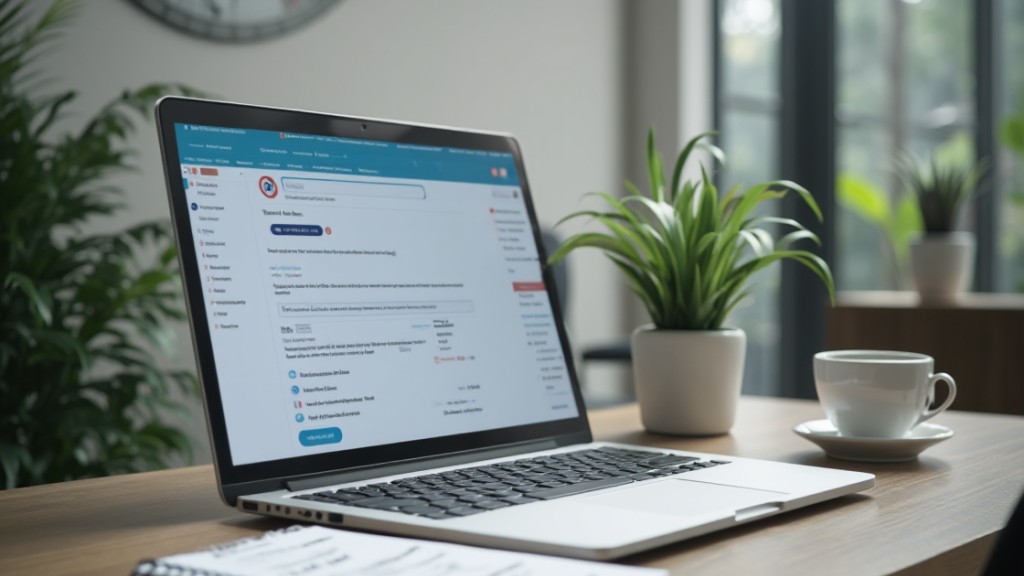
Creating effective reminder email templates is essential for maintaining professionalism and organization in your small business. Incorporating specific elements ensures your emails are clear, actionable, and engaging.
Personalization Tips
- Address recipients by their names. Using the recipient’s name fosters a personal connection and promotes higher engagement rates.
- Reference previous interactions. Mention specific details from past communications or appointments to show attention to detail, increasing the likelihood of a response.
- Tailor content to the recipient’s preferences. Use knowledge about your recipients’ preferences, such as preferred contact methods or past feedback, to enhance the relevance of your messages.
Subject Line Best Practices
- Keep subject lines concise. Aim for 6-10 words to ensure clarity and improve open rates.
- Include specific keywords. Use terms like “reminder,” “appointment,” or “payment due” to convey the purpose of your email immediately.
- Create a sense of urgency. Phrases like “Upcoming Deadline” or “Don’t Miss Out” can prompt timely actions from recipients.
- Use clear identifiers. For example, “Payment Reminder: Invoice #12345 Due Next Week” specifies the context and draws attention to crucial details.
Integrating these strategies into your reminder email templates enhances communication, fosters professionalism, and supports your goal of running a small business efficiently.
Examples of Reminder Email Templates

Using reminder email templates can greatly enhance your communication strategy. Here are some well-crafted examples tailored for small businesses.
Professional Templates
Meeting Reminder Email
- Subject: “Reminder: Meeting on [Date & Time]”
Hi [Recipient Name],


This is a reminder about our meeting scheduled for [Date] at [Time]. This meeting focuses on [Meeting Purpose]. Please confirm your availability.


Regards,


[Your Name]


[Position Held]
This professional template highlights essential meeting details, ensuring clarity and organization for effective project management.
Appointment Reminder Email
- Subject: “Appointment Reminder: [Appointment Detail] at [Time]”
Dear [Recipient Name],


Just a reminder about your appointment on [Date & Time]. Contact me if you have questions beforehand.


Best,


[Your Name]
This concise template facilitates timely communication, essential for running a small business effectively.
Casual Templates
Friendly Check-in Email
- Subject: “Just Checking In!”
Hi [Recipient Name],


Hope you’re doing well! This is a friendly reminder about our upcoming meeting on [Date] at [Time]. Let me know if you’ll be able to make it!


Cheers,


[Your Name]
This casual template is perfect for maintaining a friendly rapport while still emphasizing important dates.
Event Reminder Email
- Subject: “Don’t Forget About Our Event This [Date]!”
Hey [Recipient Name],


Just a quick reminder about our event on [Date]! Looking forward to seeing you there. Reach out if you have questions!


Best,


[Your Name]
This informal approach helps engage your audience while ensuring they remember critical events or promotions.
Utilizing these reminder email templates can streamline communication in your small business and enhance professionalism in your interactions.Conclusion

Embracing reminder email templates can transform how you manage communication and tasks. By streamlining your messaging process you’ll not only save time but also enhance your professional image. These templates allow you to maintain clarity and consistency while ensuring that important details don’t slip through the cracks.
As you implement these strategies into your workflow remember that personalization is key. Tailoring your messages to your audience will foster stronger relationships and keep everyone informed. With the right approach your reminder emails can be a powerful tool for boosting productivity and maintaining organization. Start using reminder email templates today and experience the difference they can make in your professional interactions.
Frequently Asked Questions

What are reminder email templates?
Reminder email templates are pre-written messages designed to gently prompt recipients about upcoming tasks, meetings, or deadlines. They help streamline communication and ensure that important information is conveyed clearly and professionally.
Why are reminder email templates important for small businesses?
They enhance organization, reduce the chance of missed deadlines, and support effective communication. By utilizing these templates, small businesses can maintain a professional image, improve productivity, and strengthen client relationships.
How can I create effective reminder email templates?
To create effective templates, include clear subject lines, concise content, specific details, a polite tone, and a call to action. Personalization and tailoring the message to the recipient’s preferences can also boost engagement.
What types of reminder email templates should I use?
Useful types include appointment reminders, payment reminders, and event reminders. Each type serves a specific purpose, helping to maintain professionalism and keep clients informed about important happenings.
How can I ensure my reminder emails are well-received?
To ensure positive reception, personalize your emails by addressing recipients by name and referencing previous interactions. Maintain a polite, professional tone, and keep content clear and straightforward to promote better communication.
Image via Google Gemini