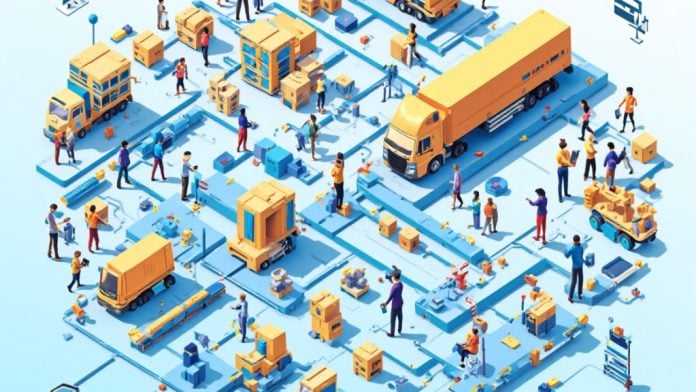
In today’s competitive environment, improving supply chain efficiency is essential for your business’s success. You can start by optimizing labor productivity through automation, which helps reduce costs and improve output. Maximizing capacity with smart storage solutions is another effective tactic. Furthermore, streamlining returns management can save time and resources. By accelerating order fulfillment with robotics, you’ll meet customer demands more swiftly. These strategies form a foundation for operational excellence, but there’s more to explore.
Key Takeaways

- Implement slotting optimization to reduce travel times for warehouse workers, enhancing overall labor productivity.
- Utilize automation and robotics to streamline operations, minimizing manual labor and increasing speed and accuracy.
- Adopt high-density storage solutions to maximize space utilization and accommodate e-commerce growth without expanding facilities.
- Automate returns management to expedite processing and improve visibility, optimizing resource allocation based on return volumes.
- Integrate advanced packaging technologies with real-time data tracking to enhance operational efficiency and meet consumer sustainability expectations.
Optimize Labor Productivity and Costs

As labor shortages and rising wages persist in 2023, businesses must optimize labor productivity and costs to maintain efficiency in their supply chains.
To improve supply chain efficiency, consider implementing slotting optimization techniques, which can greatly reduce travel time for warehouse workers. This improvement leads to enhanced picking productivity and lower labor costs.
Furthermore, adopting automation and robotics in your operations minimizes reliance on manual labor, boosting speed and accuracy during labor scarcity issues.
Real-time inventory management systems empower you to make informed stocking decisions, which can lower carrying costs and improve labor productivity by reducing unnecessary manual stock checks.
Leveraging technology effectively allows you to meet customer needs without incurring excessive expenses related to labor and operational inefficiencies.
Maximize Capacity With Smart Solutions

To maximize capacity in your warehouse without enlarging your physical footprint, implementing smart solutions is essential, especially in the face of e-commerce growth that demands handling more SKUs and orders.
High-density storage solutions, like vertical racking, allow you to use your available space more effectively, increasing capacity without needing more square footage.
Goods-to-person automated systems streamline picking processes, considerably reducing worker travel time and improving order fulfillment speed.
Moreover, dynamic throughput systems guarantee seamless product flow during peak demand periods, helping you manage increased order volumes efficiently.
Conveyor systems and robotic automated mobile robots (AMRs) further boost operational efficiency by automating material handling tasks, ultimately reducing labor costs.
Streamline Returns Management
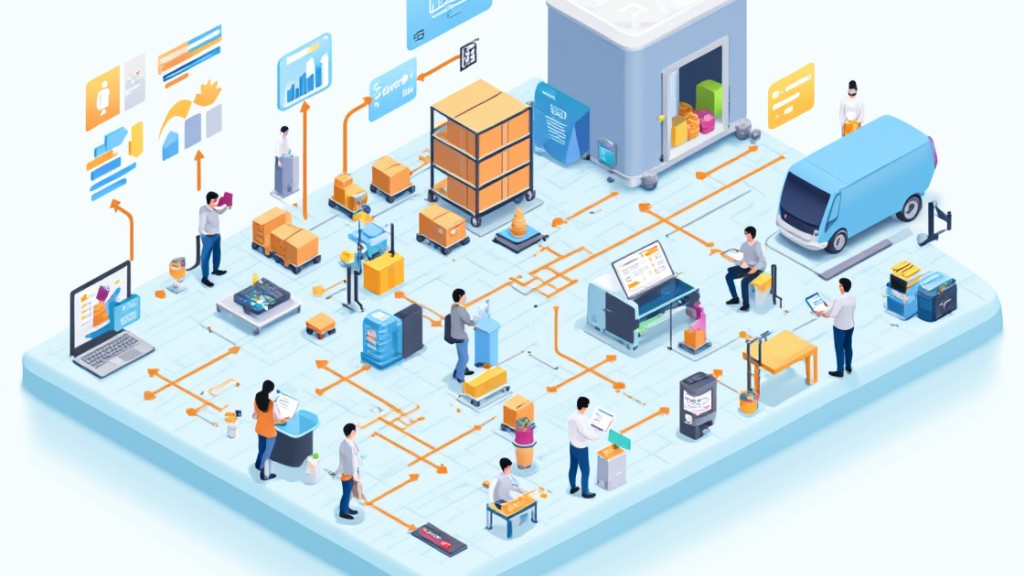
Maximizing warehouse capacity through smart solutions sets the stage for a seamless returns management process, particularly in the fast-paced world of e-commerce. To achieve efficient supply chain management, automating returns processing is vital. This not just speeds up sorting and inspecting returned items but additionally improves overall effectiveness. Utilizing advanced software can provide insights into return trends, allowing you to forecast and manage volumes better.
Here’s a snapshot of key benefits:
| Benefit | Description | Impact on Supply Chain |
|---|---|---|
| Accelerated Processing | Fast sorting and inspecting of returns | Reduces labor costs |
| Improved Visibility | Insight into return volumes and trends | Optimizes resource allocation |
| Enhanced Customer Satisfaction | Quick processing meets customer expectations | Boosts loyalty |
| Streamlined Resale Process | Expedites resale of returned items | Increases revenue potential |
Streamlining returns management is vital for a responsive supply chain, addressing challenges posed by high return rates.
Accelerate Order Fulfillment With Robotics

Robotic solutions have emerged as a game-changer in accelerating order fulfillment processes, particularly within the fast-paced e-commerce sector. By utilizing autonomous mobile robots (AMRs), you can greatly improve order fulfillment speed, streamline warehouse workflows, and eliminate bottlenecks.
These robots, equipped with AI-powered vision systems, increase order accuracy, reducing errors and improving customer satisfaction. Integrating robotics with warehouse execution systems (WES) optimizes fulfillment processes, ensuring products are picked, packed, and shipped efficiently.
Implementing robotics not just reduces labor costs but also allows your human workforce to concentrate on strategic, value-added tasks rather than repetitive manual labor. This approach leads to a more efficient supply chain, balancing the need for responsiveness with cost-effectiveness.
As you pursue supply chain improvement, investing in robotic systems will boost throughput, particularly essential for meeting the demands of today’s e-commerce environment.
Enhance End-of-Line Packaging

Improving end-of-line packaging is vital for boosting efficiency and meeting customer demands in today’s competitive market. By automating packaging systems, you can increase throughput by up to 50%, ensuring products are boxed, labeled, and palletized consistently.
This automation not just cuts manual labor costs by about 30%, allowing you to focus resources on strategic tasks, but also improves packaging quality, which minimizes product damage during shipment.
Furthermore, implementing eco-friendly packaging solutions aligns with consumer expectations, as 66% of consumers are willing to pay more for sustainable options.
Balancing efficiency vs. responsiveness in supply chain management is critical; whereas efficiency reduces costs, responsiveness meets customer demands swiftly.
To improve supply chain management, integrating advanced packaging technologies with real-time data tracking can greatly improve operational efficiency, providing insights that help you make informed decisions and optimize your processes effectively.
Frequently Asked Questions

How Can I Assess My Current Supply Chain Efficiency?
To assess your current supply chain efficiency, start by analyzing key performance metrics like order fulfillment speed, inventory turnover, and cost per order.
Utilize technology for real-time data tracking, ensuring you have accurate insights into each stage of your supply chain.
Conduct regular audits to identify bottlenecks and areas for improvement.
Finally, seek employee feedback to understand operational challenges, enabling you to make informed adjustments that improve overall performance and effectiveness.
What Role Does Technology Play in Supply Chain Efficiency?
Technology plays an essential role in enhancing supply chain efficiency. It enables real-time data tracking, which helps you monitor inventory levels and streamline processes.
Automated systems reduce human error, improving order accuracy and processing speed. Furthermore, software solutions provide insights into demand forecasting and inventory management, allowing you to make informed decisions.
How Do I Choose the Right Suppliers for My Business?
To choose the right suppliers for your business, start by evaluating their reliability and quality of products.
Check references and reviews to gauge their performance. Analyze their pricing and payment terms to guarantee they align with your budget.
Consider their flexibility and ability to meet your demand fluctuations. Moreover, communication is key; make certain they’re responsive and transparent.
Finally, establish clear expectations upfront to promote a strong, collaborative relationship.
What Metrics Should I Monitor for Supply Chain Performance?
To monitor supply chain performance effectively, focus on key metrics such as order fulfillment rates, inventory turnover, and lead times.
You should additionally track shipping accuracy and customer satisfaction scores. These metrics help you identify bottlenecks and inefficiencies in your processes.
Regularly analyzing these indicators allows you to make informed decisions and continuously improve your operations, ensuring that your supply chain runs smoothly and meets customer expectations consistently.
How Can I Foster a Culture of Continuous Improvement in My Team?
To cultivate a culture of continuous improvement in your team, start by encouraging open communication.
Create an environment where team members feel comfortable sharing ideas and feedback.
Implement regular training sessions to boost skills and knowledge.
Set clear performance metrics to track progress, and celebrate achievements, no matter how small.
Encourage experimentation and learning from failures, as this promotes innovation.
Finally, involve everyone in decision-making processes to increase ownership and commitment to improvements.
Conclusion

Incorporating these five key strategies can considerably improve your supply chain efficiency. By optimizing labor productivity, maximizing capacity, streamlining returns management, hastening order fulfillment, and enhancing end-of-line packaging, your operations can become more effective and sustainable. Each strategy leverages technology and smart solutions, ensuring your business remains competitive in a swiftly changing market. Embracing these approaches not merely boosts operational efficiency but additionally positions you favorably for future growth and customer satisfaction.
Image via Google Gemini