If you want to improve your social media strategy, exploring effective dashboards can be essential. These tools provide vital insights into metrics like engagement, conversions, and brand awareness. By utilizing various dashboards customized to your specific needs, you can track performance and optimize your content. Whether you’re interested in competitive analysis or customer service metrics, comprehending these examples will help you make informed decisions. Let’s look at some of the most impactful dashboard types available.
Key Takeaways
- Utilize a Social Media Engagement Dashboard to centralize audience interactions and refine content strategies based on real-time feedback and historical data analysis.
- Implement a Post Performance Dashboard to analyze individual post metrics, enabling trend identification for future content creation and quick strategic adjustments.
- Leverage an Advertising Analytics Dashboard to track critical advertising metrics, enhancing effectiveness through data-driven decisions on budget allocation and campaign profitability.
- Adopt a Brand Awareness Dashboard to measure audience connections and monitor growth metrics, facilitating effective campaign evaluations with real-time data visualizations.
- Use a Competitive Analysis Dashboard to benchmark against competitors, informing resource allocation and content strategies based on industry performance trends.
Social Media Engagement Dashboard
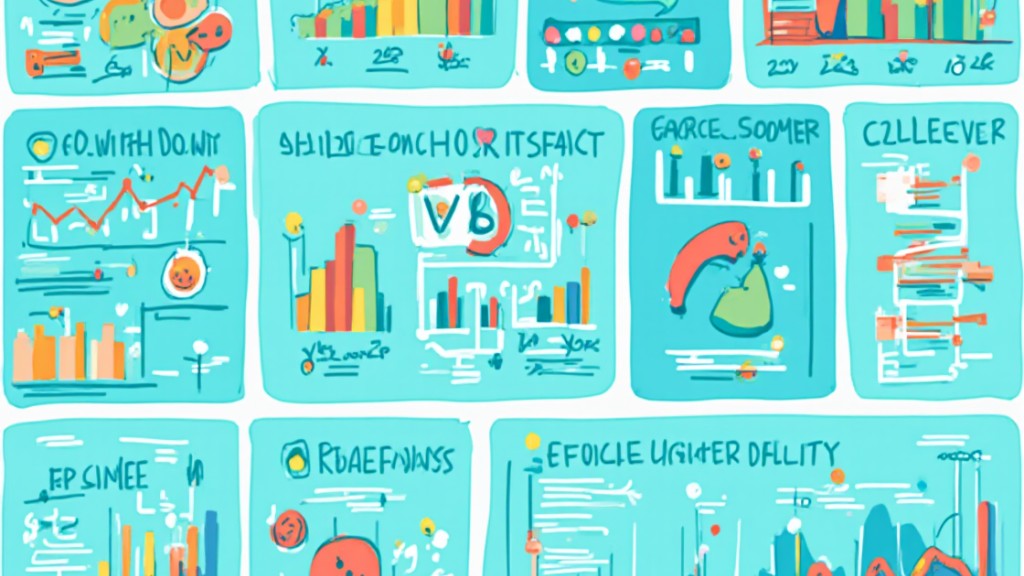
When you utilize a Social Media Engagement Dashboard, you’re gaining a powerful tool that centralizes audience interactions across multiple platforms. This dashboard allows you to track crucial metrics such as likes, shares, comments, and engagement rates, providing a thorough view of how your content performs.
By analyzing this data, you can identify which posts resonate most with your audience, enabling you to refine your content strategies. A well-structured social media dashboard template helps in visualizing these metrics effectively.
With real-time monitoring capabilities, you can pivot your marketing strategies based on immediate audience feedback. In addition, integrating historical data into your social media metrics dashboard allows for year-over-year comparisons, revealing trends in audience behavior.
Incorporating features from a Hootsuite social media monitoring dashboard improves your analysis, giving you insight into how different content types perform across various channels, eventually leading to better engagement outcomes.
Brand Awareness Dashboard
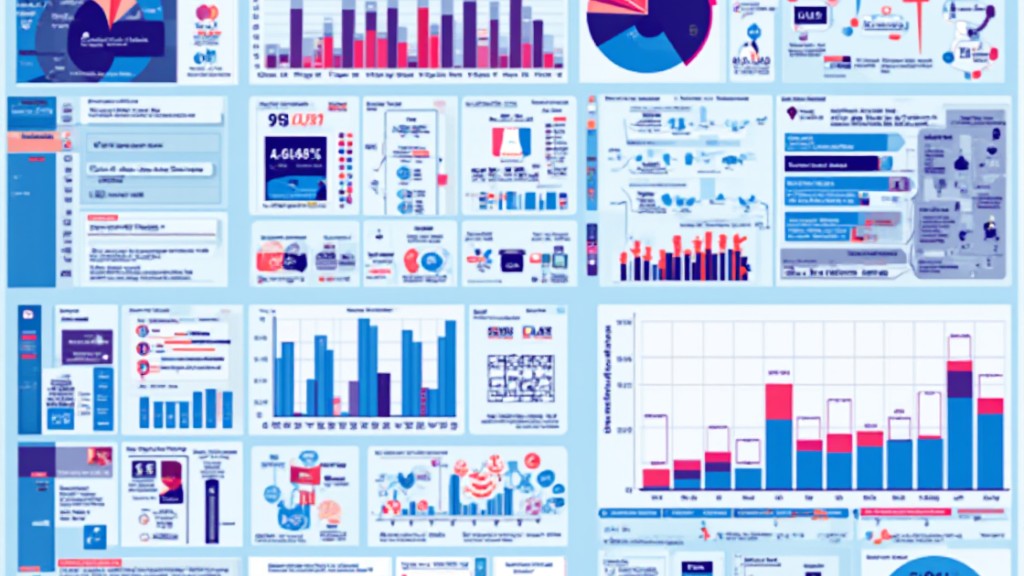
A Brand Awareness Dashboard serves as a crucial tool for measuring how well your brand connects with its audience across social media platforms. This dashboard tracks key metrics such as impressions, reach, and engagement rates, allowing you to assess your brand’s resonance with its target market.
By monitoring audience growth and follower demographics, you can gain valuable insights into their interests and preferences, enabling you to develop more customized content strategies.
Additionally, a Brand Awareness Dashboard often includes historical data comparisons, helping you evaluate the effectiveness of your campaigns over time. It typically integrates cross-platform analytics, providing an all-encompassing view of your brand’s performance across various channels.
With real-time data visualizations, you can make quick decisions, capitalizing on emerging trends and audience conversations. For anyone looking to improve their marketing strategy, exploring social media dashboard examples can provide further inspiration for effective media dashboard design.
Social Media Conversions Dashboard
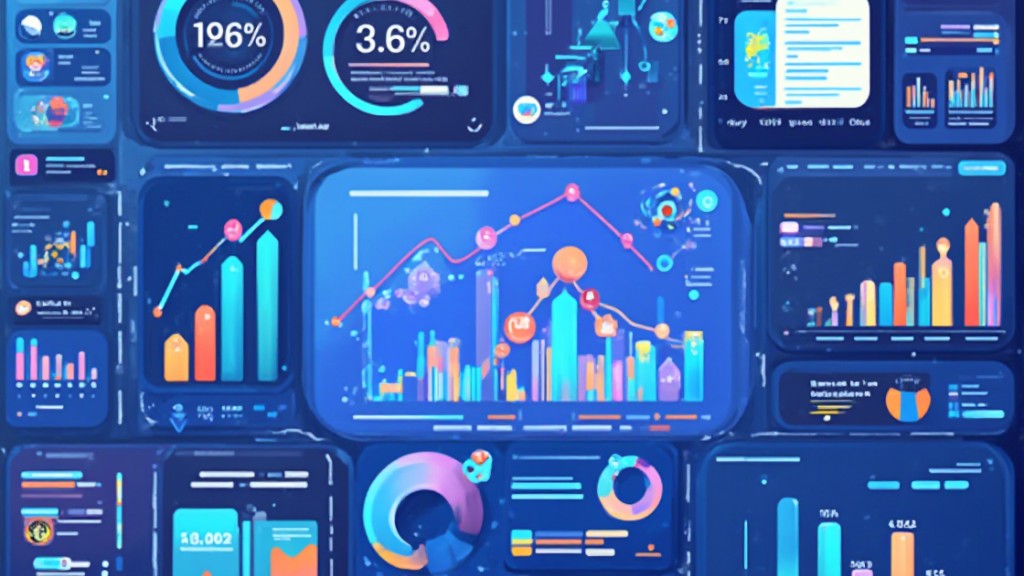
Tracking conversions on social media is crucial for comprehending how well your marketing strategies translate into tangible results. A Social Media Conversions Dashboard offers insights into link clicks and user behavior, allowing you to evaluate campaign effectiveness.
By measuring click-through rates (CTR) and conversion rates, you can make data-driven adjustments.
Here are three key benefits of using this dashboard:
- Identify High-Performing Content: Analyze specific posts or ads to discover what resonates with your audience and drives conversions.
- Comprehensive Integration: Connect with tools like Google Analytics for a holistic view of how social media efforts impact overall business objectives.
- Optimize Strategies Over Time: Recognize patterns in performance data to refine your posting strategies and allocate budgets more effectively.
With these insights, you can improve your marketing efforts and achieve better outcomes, eventually enhancing your social media ROI.
Competitive Analysis Dashboard

Comprehending your competitors’ social media performance is essential for refining your own marketing strategies. A Competitive Analysis Dashboard allows you to monitor key metrics like net follower gain/loss and average engagement rates.
By visualizing competitors’ content performance and engagement trends, you can pinpoint opportunities for differentiation in your approach. This dashboard often includes benchmarking features, helping you measure your social media presence against industry standards.
Integrating this competitive data enables real-time adjustments to your campaigns based on others’ successes or failures, enhancing your agility in strategy formulation. Furthermore, insights from this dashboard inform your resource allocation and content creation, ensuring you stay relevant in a constantly changing social media environment.
Social Listening Dashboard
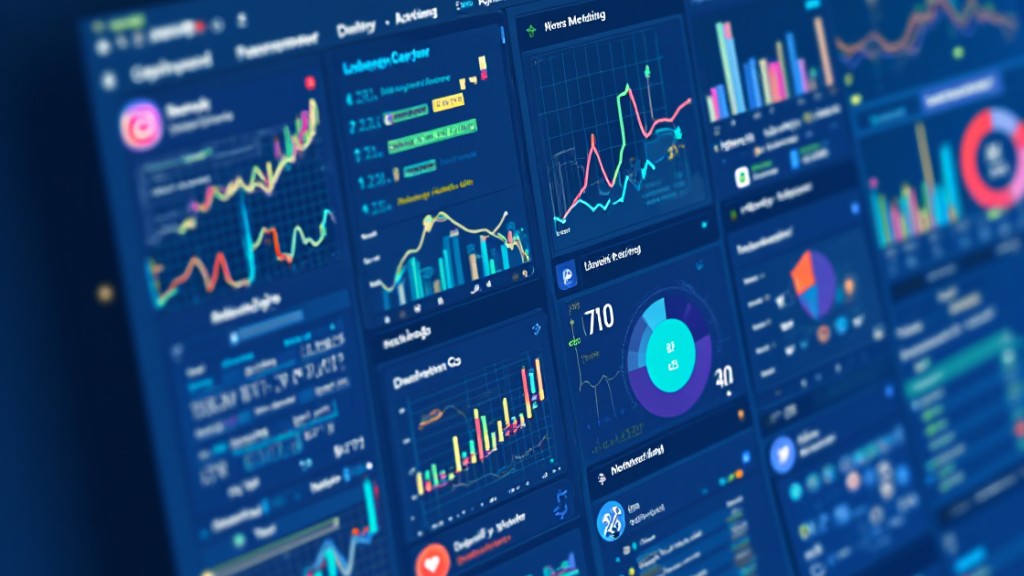
A Social Listening Dashboard is crucial for monitoring brand mentions, which allows you to stay updated on what customers are saying about your brand online.
By analyzing sentiment trends, you can gauge public perception and adjust your strategies accordingly.
Engaging with conversations in real-time not just improves customer service but furthermore helps you build stronger relationships with your audience.
Monitoring Brand Mentions
Though you may already be aware of the importance of brand perception, a Social Listening Dashboard takes this comprehension to the next level by allowing you to monitor real-time conversations across various social media platforms.
This tool tracks brand mentions, keywords, and hashtags, providing valuable insights into how often your brand is discussed and the context of those discussions.
With a Social Listening Dashboard, you can:
- Identify emerging trends and consumer interests.
- Analyze sentiment scores to gauge audience reactions—positive, negative, or neutral.
- Respond swiftly to queries and feedback, enhancing customer engagement.
Analyzing Sentiment Trends
Analyzing sentiment trends through a social listening dashboard provides valuable insights into how your audience perceives your brand and its messaging.
These dashboards analyze real-time social media conversations, helping you gauge public sentiment regarding your products and industry trends. By tracking sentiment trends, you can identify shifts in perception, allowing for timely responses to negative feedback or opportunities to capitalize on positive mentions.
Utilizing natural language processing, these tools categorize sentiment as positive, negative, or neutral, offering actionable insights for your content strategy. Monitoring sentiment trends over time as well reveals the effectiveness of your campaigns, enabling data-driven adjustments.
In addition, you can benchmark your sentiment against competitors, gaining insights into your brand’s position in the market terrain.
Engaging With Conversations
Engaging with conversations on social media goes beyond simply tracking sentiment trends; it involves actively participating in dialogues that shape your brand’s image and customer relationships.
A Social Listening Dashboard is crucial for monitoring real-time conversations, providing insights into audience sentiment and engagement trends. It helps you:
- Track brand mentions, hashtags, and keywords to identify emerging topics.
- Gain competitive insights, allowing you to benchmark against industry peers.
- Utilize AI and natural language processing to categorize sentiments and respond proactively.
Executive Summary Dashboard
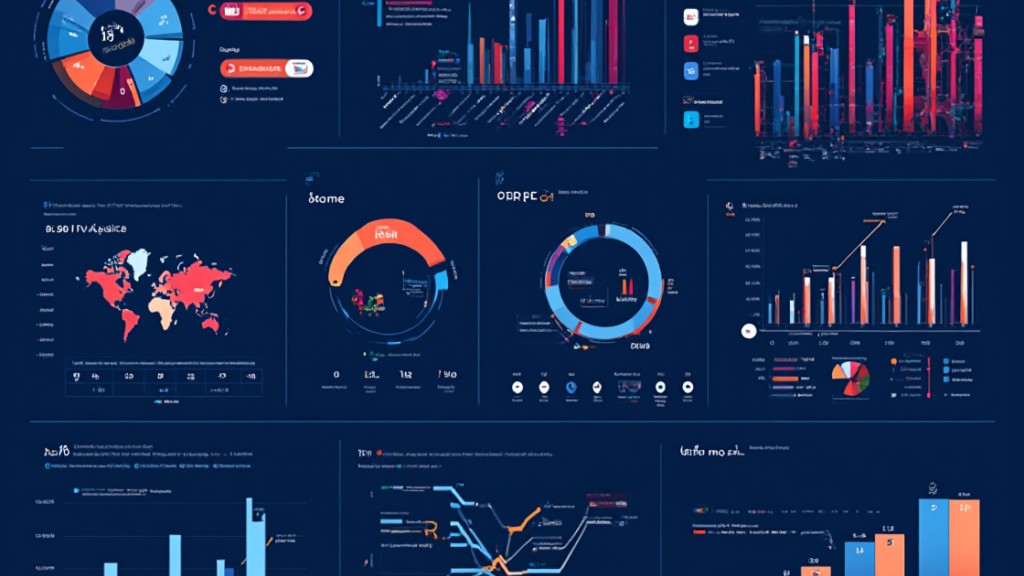
The Executive Summary Dashboard offers a concise overview of key metrics that matter most to leadership.
By using visual storytelling techniques, you can present complex data in an easily digestible format, highlighting trends in engagement, follower growth, and overall campaign performance.
This approach not just aids in quick decision-making but additionally helps align your social media strategies with broader business objectives.
Key Metrics Overview
When you’re looking to gauge the effectiveness of your social media strategies, an Executive Summary Dashboard can be invaluable. This tool consolidates key performance indicators (KPIs) into one clear report, making decision-making easier.
It typically includes:
- Net follower gain/loss to track audience growth.
- Average engagement rates to assess content interaction.
- Campaign performance metrics for a thorough overview.
Visual Storytelling Techniques
An Executive Summary Dashboard serves as a potent tool for visual storytelling in social media analytics, distilling complex data into easily digestible insights that support informed decision-making.
Effective visual storytelling techniques use charts, graphs, and infographics to present key performance indicators like engagement, reach, and conversion metrics.
By showcasing historical data and trends, these dashboards allow you to evaluate year-over-year performance, enabling data-driven adjustments to your social media strategies.
Customization options let you tailor the dashboard to focus on specific goals, such as brand sentiment or ROI, ensuring relevance for stakeholders.
Integrating real-time data visualizations improves clarity and communication, helping you swiftly grasp the impact of social media efforts on overall business performance.
Post Performance Dashboard
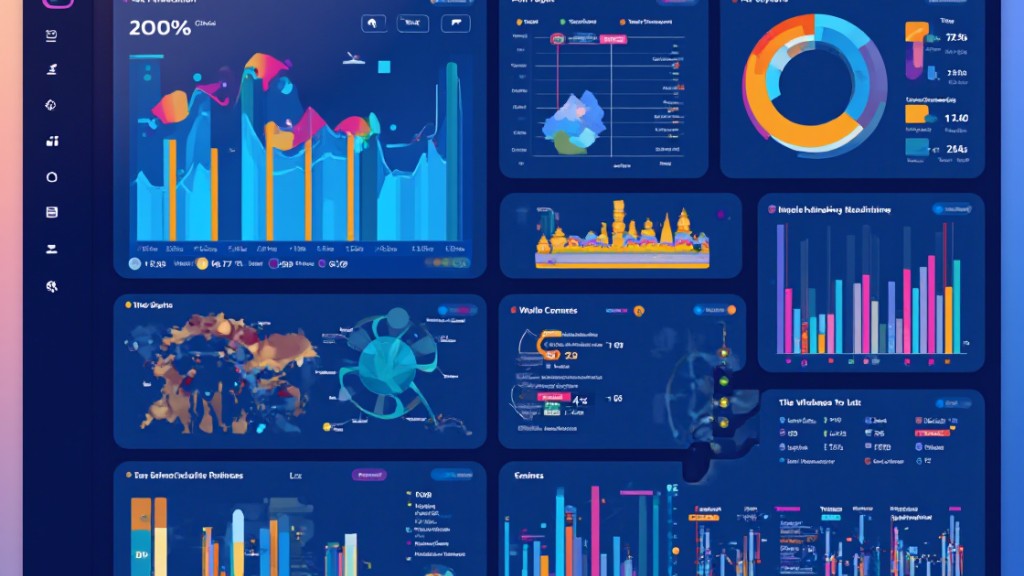
Grasping the intricacies of a Post Performance Dashboard can markedly elevate your content marketing strategy, as it provides valuable insights into how individual posts resonate with your audience.
By analyzing metrics like engagement rate, likes, shares, and impressions, you can identify your top-performing posts and refine your content strategies effectively.
Key benefits of using a Post Performance Dashboard include:
- Trend Analysis: Track performance over time to uncover patterns that inform future content creation.
- Real-Time Insights: Visual displays allow for quick assessments, enabling strategic pivots to maximize engagement.
- Historical Comparisons: Evaluate effectiveness over time with year-over-year data, helping you understand long-term trends.
Integrating insights from multiple social media platforms offers a holistic view of post performance, allowing you to optimize your audience targeting and elevate your overall social media strategy.
Advertising Analytics Dashboard

An Advertising Analytics Dashboard is crucial for tracking key advertising metrics like impressions, clicks, and conversions across different platforms.
By analyzing campaign performance insights, you can better understand which strategies are working and where to allocate your budget for maximum impact.
This tool empowers you to make data-driven decisions, enhancing your overall advertising effectiveness.
Key Advertising Metrics
When you’re evaluating the effectiveness of your advertising campaigns, key advertising metrics play a crucial role in guiding your decisions.
These metrics help you assess performance and profitability in real-time. Here are three critical metrics to focus on:
- Click-Through Rate (CTR): Measures how often people click your ad compared to how many times it’s shown, indicating engagement.
- Cost Per Acquisition (CPA): Calculates the cost associated with acquiring a customer, helping you evaluate ad spend efficiency.
- Return on Ad Spend (ROAS): Tracks the revenue generated for every dollar spent on advertising, offering insights into overall campaign profitability.
Utilizing these metrics within a thorough advertising analytics dashboard allows you to tailor your strategies, optimize budget allocation, and improve overall campaign performance.
Campaign Performance Insights
Grasping campaign performance insights is vital for maximizing the effectiveness of your advertising efforts. Advertising analytics dashboards consolidate significant metrics like impressions, click-through rates (CTR), and conversion rates in real-time. They allow you to assess your return on ad spend (ROAS) and optimize budget allocation accordingly. By analyzing audience engagement metrics such as likes, shares, and comments, you can identify which ads resonate most with your target demographics. Furthermore, integrating historical performance data enables year-over-year comparisons to spot trends and improvements.
| Metric | Current Value | Year-over-Year Change |
|---|---|---|
| Impressions | 150,000 | +25% |
| Click-Through Rate | 3.5% | -0.5% |
| Conversion Rate | 4.2% | +1% |
Social Customer Service Dashboard
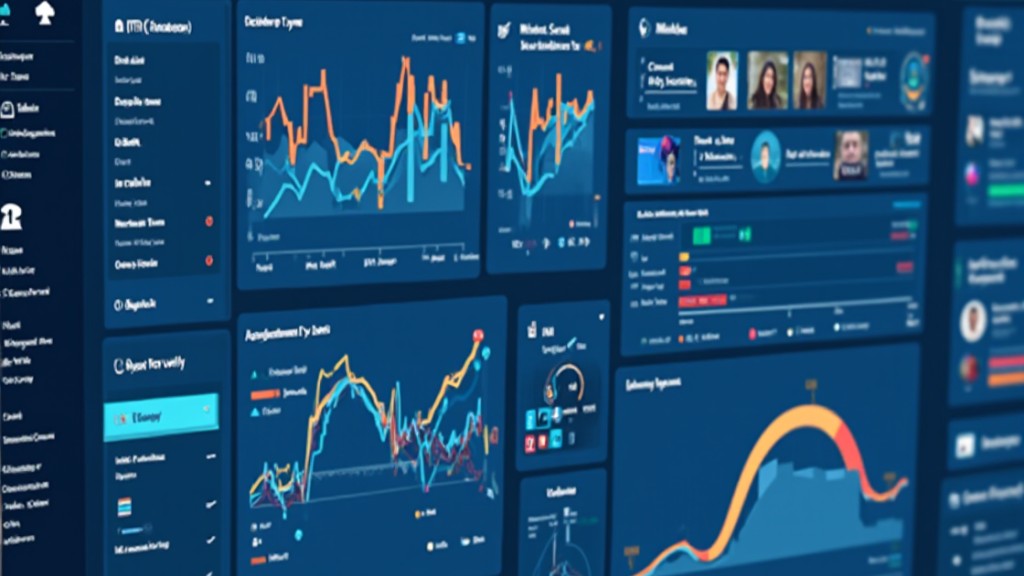
A Social Customer Service Dashboard is crucial for evaluating the effectiveness of your customer service efforts on social media platforms. By tracking critical metrics, you can gain valuable insights that elevate customer experiences.
This dashboard consolidates data from various channels, allowing you to monitor interactions in real-time and improve responsiveness.
Key metrics to focus on include:
- Customer Satisfaction Score (CSAT) trends to evaluate service quality.
- Average response times to assess efficiency in addressing customer inquiries.
- Escalation and resolution rates to identify areas needing improvement.
Utilizing a Social Customer Service Dashboard helps you tailor your support strategies based on patterns in customer feedback and inquiries.
Network-Specific Dashboards

Network-specific dashboards offer personalized insights that are essential for effectively managing and optimizing your social media strategies across different platforms. These dashboards enable you to track unique metrics customized to each network, like engagement rates on Instagram or video views on YouTube. By analyzing these platform-specific data points, you can refine your strategies to improve overall performance and engagement.
Here’s a quick comparison of key metrics from different platforms:
| Platform | Key Metrics | Purpose |
|---|---|---|
| Engagement Rates | Measure audience interaction | |
| YouTube | Video Views | Assess content popularity |
| Click-Through Rates | Evaluate ad effectiveness |
With real-time updates, network-specific dashboards allow for quick adjustments based on audience interactions, ensuring you’re always aligned with current trends. This approach not only improves your performance but likewise aids in benchmarking against competitors.
Frequently Asked Questions
How Can I Customize My Social Media Dashboard Layout?
To customize your social media dashboard layout, start by identifying your key metrics, such as engagement and reach.
Arrange these metrics logically, grouping related data together for easy access. Use visualizations like graphs and charts to improve clarity, making sure they’re readable.
Customize color schemes to align with your brand, and consider adding filters that allow you to view specific timeframes or campaigns.
Regularly update the layout based on your evolving analytics needs.
What Tools Integrate Best With Social Media Dashboards?
To maximize your social media dashboard’s effectiveness, consider integrating tools like Hootsuite, Sprout Social, or Buffer.
These platforms streamline analytics and scheduling, offering real-time data from multiple networks. Furthermore, incorporating Google Analytics can improve your insight into audience behavior.
For sentiment analysis, tools like Brandwatch or Mention are beneficial. By connecting these tools, you can create an all-encompassing view of your social media performance, facilitating informed decision-making and strategy optimization.
How Often Should I Update My Social Media Dashboard?
You should update your social media dashboard regularly to maintain accurate insights.
Ideally, consider updating it daily for real-time metrics, especially if you’re running active campaigns.
For strategic overviews, weekly updates can provide a clearer picture of trends and performance.
Monthly reviews allow for in-depth analysis of your overall strategy.
Consistent updates help you stay responsive to audience engagement and refine your strategies based on current data effectively.
Can I Track Offline Conversions Using Social Media Dashboards?
Yes, you can track offline conversions using social media dashboards by implementing tools like UTM parameters and conversion tracking pixels.
When customers interact with your social media ads, you can assign unique codes to links that direct them to your website. If they later make a purchase offline, you can analyze this data in your dashboard.
This way, you connect online engagement to offline sales, providing valuable insights into your marketing effectiveness.
What Metrics Are Most Important for Small Businesses?
For small businesses, key metrics include engagement, reach, follower growth, and conversions.
You should track likes, shares, comments, and post clicks to gauge audience interest.
Moreover, monitor reach and impressions to understand how many people see your content.
It’s essential to analyze conversion rates to determine the effectiveness of your marketing efforts.
Regularly reviewing these metrics helps you make informed decisions and optimize your social media strategy for better results.
Conclusion

By implementing these 10 inspiring social media dashboards, you can greatly improve your strategy and gain valuable insights. Each dashboard serves a unique purpose, from tracking engagement and conversions to analyzing brand awareness and customer service interactions. Utilizing these tools allows you to make informed decisions based on real-time data, nurturing a stronger connection with your audience. As you refine your approach, these dashboards will help boost your overall social media effectiveness and drive meaningful growth for your brand.
Image via Google Gemini