
Key Takeaways

- Comprehensive Role: A barista’s job encompasses beverage preparation, customer service, cleanliness, stock management, and teamwork, making it a multifaceted position in the food and beverage industry.
- Technical Skills: Mastery of espresso machines, brewing techniques, and latte art are essential for crafting high-quality coffee beverages and enhancing customer satisfaction.
- Interpersonal Skills: Strong customer engagement and effective communication with coworkers are critical for creating a welcoming café atmosphere and ensuring operational efficiency.
- Working Environment: Baristas work primarily indoors, facing physical demands that require stamina and adaptability to dynamic customer interactions and busy periods.
- Career Advancement: Opportunities for growth exist within the field, including roles like lead barista, café manager, specialty drink developer, and barista trainer, enabling career progression in the food and beverage sector.
If you’ve ever savored a perfectly brewed cup of coffee, you’ve likely encountered the artistry of a barista. This role goes beyond just making drinks; it’s about crafting an experience that keeps customers coming back for more. Understanding the barista job description is essential for anyone considering this vibrant career path.
As a barista, you’ll wear many hats—from mastering espresso techniques to providing exceptional customer service. You’ll not only prepare beverages but also create a welcoming atmosphere that enhances the café experience. Whether you’re a coffee enthusiast or someone looking to dive into the food and beverage industry, knowing what a barista does can help you decide if this dynamic role is right for you.
Overview Of A Barista Job Description
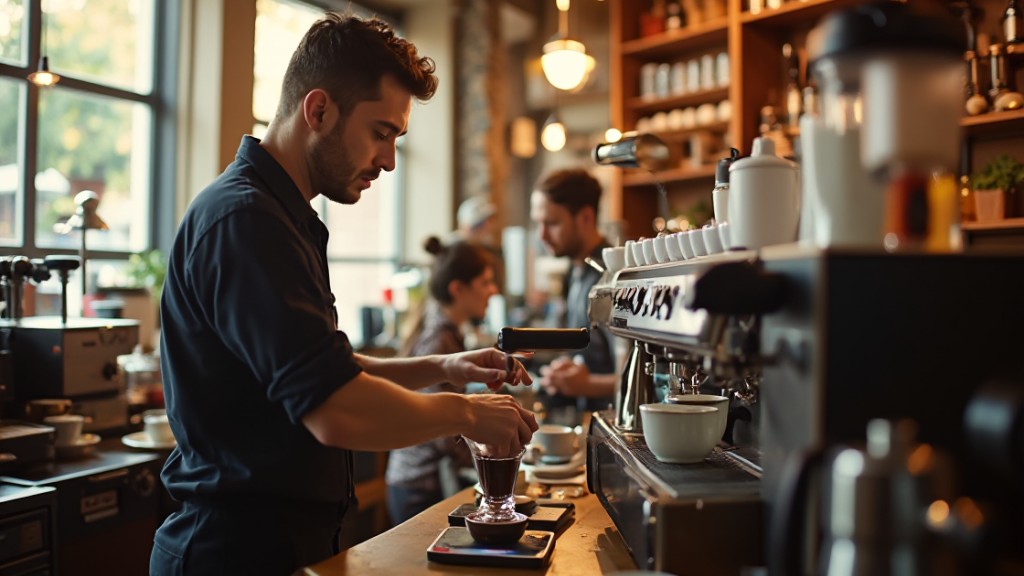
A barista’s role extends beyond brewing coffee; it involves providing an engaging customer experience in a small business setting. Key responsibilities include:
- Crafting Beverages: Baristas prepare a variety of coffee drinks, utilizing espresso machines and grinders, and ensuring consistency in taste and presentation.
- Customer Service: Baristas interact with customers regularly, taking orders and answering questions, while building relationships to enhance the café’s atmosphere.
- Maintaining Cleanliness: Baristas ensure the work area remains clean and organized, following health and safety guidelines to promote a safe environment for employees and customers.
- Stock Management: Baristas assist in inventory management, helping to track supplies and stock levels, which is crucial for small business operations.
- Sales Skills: Baristas often suggest menu offerings and upsell products, contributing to increased sales and overall business profitability.
- Team Collaboration: Baristas work closely with other employees, fostering collaboration that enhances the workflow in the café.
Understanding these responsibilities is essential for small business owners and HR personnel, as it helps in staffing appropriately and ensuring that candidates possess the necessary skills and mindset for the job. Assessing a potential barista’s capability in both technical skills and customer interaction is vital in maintaining an effective workforce in the food and beverage industry.
Key Responsibilities Of A Barista

Understanding the key responsibilities of a barista is vital for small business owners and HR employees, as it ensures effective staffing and proper candidate selection. Below are the main duties associated with this role.
Preparing Coffee Beverages
Preparing coffee beverages constitutes the core responsibility of a barista. You must accurately craft a variety of hot and cold beverages, including drip coffee, espresso-based drinks, teas, and specialty items. Following specific recipes ensures consistency and quality. You should also possess knowledge about different types of coffee drinks, such as lattes, Americanos, flat whites, and cappuccinos, enabling you to educate customers and enhance their experience.
Maintaining Equipment
Maintaining equipment is essential for ensuring operational efficiency. You are responsible for the cleanliness and functionality of espresso machines, grinders, and coffee machines. Daily maintenance tasks include backflushing espresso group heads, wiping down machines, and cleaning brew pots and brewing chambers. A well-maintained coffee setup not only supports quality service but also extends the lifespan of your equipment, positively impacting your small business’s bottom line.
Customer Service Skills
Customer service skills play a significant role in your effectiveness as a barista. Engaging with customers, accurately taking orders, and addressing inquiries enhance the overall cafe experience. You should exhibit excellent communication skills and foster a welcoming atmosphere. Building rapport with regular customers can boost loyalty, promoting repeat business and contributing to the success of your small establishment.
Required Skills And Qualifications
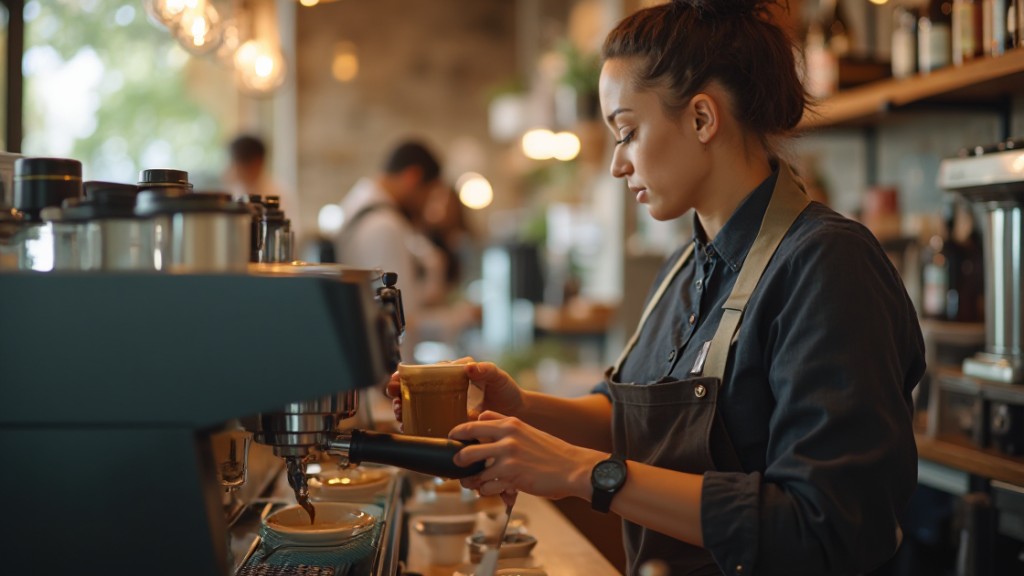
A barista must possess a blend of technical and interpersonal skills to thrive in a small business environment. Understanding these skills is essential for staffing efficiently and ensuring optimal performance among employees.
Technical Skills
- Espresso Machine Proficiency: Mastering espresso machines is vital. Baristas must grind beans, dose, tamp, and extract the perfect shot of espresso. They should understand the importance of grind size, tamp pressure, and routine machine maintenance.
- Brewing Techniques: Knowledge of various brewing methods, like pour-over, French press, and Aeropress, is essential. Control over independent variables that influence coffee taste caters to diverse customer preferences, enhancing customer satisfaction and loyalty.
- Milk Steaming and Latte Art: Creating the ideal foam for milk-based drinks and executing latte art are crucial skills. Baristas must excel in milk texturing and pouring techniques to deliver visually appealing designs that enhance product presentation.
Interpersonal Skills
- Customer Engagement: Strong interaction skills help build relationships with customers. Engaging with patrons fosters a welcoming atmosphere, essential for customer retention and satisfaction.
- Team Collaboration: Baristas must communicate effectively with colleagues to improve workflow. A cohesive team approach enhances efficiency, benefiting overall operations in a small business setting.
- Problem Solving: Quick thinking in addressing customer issues or equipment malfunctions is vital. This skill set ensures smooth operations and enhances the customer experience, which is crucial for maintaining a loyal client base.
Working Environment And Conditions
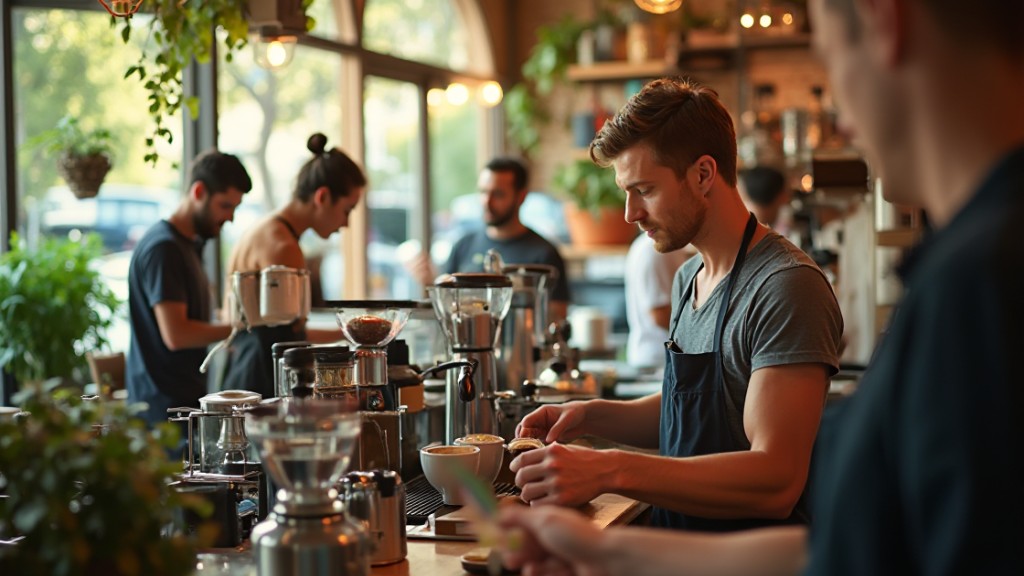
Baristas operate primarily indoors, contributing to a dynamic environment that fosters interaction with customers and coworkers. In busy periods, teamwork becomes crucial as employees collaborate to ensure exceptional service. The social interaction demands adaptability, as you might encounter a range of customer behaviors, including challenging situations with unpleasant patrons.
Physical work conditions involve standing for extended periods, which can result in fatigue and discomfort. You’ll likely experience back, wrist, and leg pain due to the sustained activity levels required in this role. Kneeling or stooping to access ingredients and equipment is common, emphasizing the need for physical stamina and resilience.
Many small business owners in the food and beverage industry recognize that creating a supportive working environment is essential. Effective staffing strategies should address the physical demands of the barista position to ensure employee retention and satisfaction. By understanding these working conditions, you can better prepare your staff and maintain a conducive atmosphere that promotes collaboration and productivity.
Career Advancement Opportunities

Barista positions offer various career advancement opportunities, appealing to those with aspirations in the food and beverage industry. As you gain experience and develop skills, pursuing further roles within the café or restaurant setting becomes a viable path.
- Lead Barista: A step up to lead barista involves overseeing daily operations, training new employees, and managing product quality. This role enhances your leadership skills while ensuring consistency in service and beverage preparation.
- Café Manager: Transitioning to a café manager position allows you to oversee staffing, inventory management, and finances. In this role, you’ll engage with human resources to hire and train baristas, fostering a strong team focused on customer satisfaction.
- Specialty Drink Developer: Becoming a specialty drink developer involves creating new beverage recipes and menu offerings. This role utilizes your creativity and knowledge of customer preferences, enhancing the café’s reputation and appeal.
- Barista Trainer: As a barista trainer, you share your expertise with new staff members. You’ll conduct training sessions, ensuring employees meet quality standards and understand the café’s culture.
Career growth within a small business not only focuses on individual advancement but also contributes to the overall success of the establishment. Strong employee engagement leads to a more efficient workforce, which positively impacts customer experiences and business profitability.
Conclusion

Embracing the role of a barista opens the door to a rewarding career filled with creativity and customer interaction. You’ll not only hone your coffee-making skills but also develop valuable interpersonal abilities that enhance the café experience for patrons.
As you navigate the challenges of a busy café environment you’ll find opportunities for growth and advancement. Whether you’re aiming for a management position or specializing in unique beverage creations your journey as a barista can lead to fulfilling career paths.
Ultimately your success in this role hinges on your passion for coffee and commitment to exceptional service. By cultivating these skills you’ll contribute significantly to the vibrant atmosphere of any café.
Frequently Asked Questions

What are the main responsibilities of a barista?
A barista’s primary responsibilities include preparing a variety of coffee beverages, maintaining equipment, managing stock, and delivering exceptional customer service. They must also foster a welcoming café atmosphere and collaborate with team members to ensure smooth operations.
Do baristas need special skills?
Yes, baristas need both technical and interpersonal skills. Technical skills involve proficiency with espresso machines and brewing techniques, while interpersonal skills focus on customer engagement, communication, and teamwork.
What is the work environment like for a barista?
Baristas typically work indoors in a dynamic café setting. The job requires teamwork during busy periods and the ability to adapt to various customer behaviors, all while managing the physical demands of standing for long periods.
What career advancement opportunities exist for baristas?
Baristas can advance to roles such as lead barista, café manager, specialty drink developer, or barista trainer. These positions involve greater responsibilities, including staff management and new recipe development, which contribute to the café’s overall success.
How important is customer service for a barista?
Customer service is crucial for a Starbucks. Engaging with customers and building rapport enhances their experience, promotes loyalty, and ultimately contributes to the café’s success and profitability.Image via Google Gemini