Key Takeaways

- Role Importance: Correctional officers are crucial for maintaining safety and order in correctional facilities, serving at the intersection of law enforcement and rehabilitation.
- Key Responsibilities: Their main duties include supervising inmate behavior, enforcing facility regulations, conducting inspections, and managing conflicts to ensure a secure environment.
- Essential Skills: Strong communication, problem-solving, and conflict resolution abilities are vital for success as a correctional officer, alongside physical fitness and mental resilience.
- Educational Background: A high school diploma is typically required, with some positions favoring candidates with higher education or relevant certifications in criminal justice.
- Working Conditions: Officers often work irregular hours, including nights and weekends, necessitating flexibility and resilience in a high-stress environment.
- Career Advancement: There are various pathways for growth within the field, including promotions to leadership roles and opportunities to transition into other positions within the justice system.
Becoming a correctional officer is more than just a job; it’s a commitment to maintaining safety and order within correctional facilities. As you step into this vital role, you’ll find yourself at the intersection of law enforcement and rehabilitation. Your responsibilities will range from overseeing inmate behavior to ensuring compliance with facility regulations, making your role crucial to the justice system.
Understanding the correctional officer job description is essential for anyone considering this career path. It encompasses various duties, skills, and challenges that come with working in a dynamic environment. From conflict resolution to emergency response, the skills you develop will not only shape your professional journey but also impact the lives of those in your care. Dive into the specifics of this role to see if you’re ready to take on the challenges and rewards that await.
Overview of Correctional Officer Job Description
A correctional officer plays a pivotal role in maintaining order within correctional facilities. Responsibilities encompass monitoring inmate activities, ensuring adherence to rules, and responding to emergencies. Officers also conduct regular patrols and searches to prevent contraband and maintain a secure environment.
Key duties include:
- Supervising Inmates: You oversee daily inmate activities, ensuring they follow established guidelines.
- Enforcing Regulations: You apply facility rules firmly yet fairly to uphold security and order.
- Conducting Inspections: You regularly check for contraband items and ensure compliance with safety standards.
- Managing Conflicts: You resolve disputes among inmates and intervene in crisis situations as needed.
Skills necessary for correctional officers include strong communication, problem-solving, and conflict-resolution abilities. Training often emphasizes physical fitness, mental resilience, and an understanding of human behavior. Adapting to the dynamic nature of the job is critical in navigating challenges.
For small business owners or HR professionals looking to hire correctional officers, understanding these elements is crucial. Staffing decisions should prioritize candidates with experience and skills relevant to maintaining security and safety in often high-stress environments.
Key Responsibilities
Correctional officers play a vital role in maintaining safety and order within correctional facilities. Their responsibilities are critical for ensuring a secure environment.
Maintaining Order and Security
Correctional officers ensure the safety and security of facilities by enforcing rules and regulations. Tasks include preventing disturbances, escapes, and unauthorized activities. Officers must remain vigilant, anticipating potential threats. Settling disputes between inmates and addressing assaults promptly protects both staff and inmates. Managing access also falls under this duty, allowing only authorized personnel and visitors into the facility. Overseeing essential tasks, like food service and sanitation, contributes to smooth facility operations.
Conducting Searches and Inspections
Conducting thorough searches and inspections is crucial for preventing contraband and ensuring facility safety. This involves checking inmate personal items, common areas, and visitor belongings. Rigorous inspections help maintain order and deter illegal activities within the facility. Officers often collaborate with management to establish search protocols that comply with safety regulations.
Monitoring Inmate Behavior
Monitoring inmate behavior is essential for maintaining a safe environment. Officers observe interactions among inmates and intervene in conflicts to prevent escalation. They document behaviors and incidents, providing detailed reports to support security management. Effective monitoring also leads to identifying patterns that may indicate security threats, allowing pre-emptive actions to be taken. Your keen attention to behavior supports your role as a vital participant in the justice system, while also ensuring the overall security of the facility.
Required Skills and Qualifications
To excel as a correctional officer, you must meet specific skills and qualifications. These attributes ensure successful management of complex situations within correctional facilities.
Educational Requirements
Most correctional officer positions require a high school diploma or equivalent. Some employers prefer candidates with an associate degree in criminal justice or a related field. Relevant coursework enhances your understanding of the criminal justice system, making you a more competitive applicant. For positions in larger facilities or specialized units, a bachelor’s degree may be necessary.
Necessary Certifications
Certification requirements vary by state. Many correctional officers participate in mandated training programs that cover legal procedures, crisis management, and use of force. Completion of training may lead to certification through recognized organizations, such as the American Correctional Association (ACA). Staying current with ongoing training and certifications improves job prospects and enhances your capabilities, benefiting both you and the organization you represent.Soft Skills for Success
Successful correctional officers possess several essential soft skills, including:
- Communication: Effectively conveying information to inmates and colleagues minimizes misunderstandings and improves facility dynamics.
- Problem-solving: Analyzing situations and identifying effective solutions is crucial for maintaining order and safety.
- Conflict resolution: Managing disputes between inmates prevents escalation and fosters a more stable environment.
Display empathy and emotional intelligence to understand inmate behavior. These soft skills not only enhance your performance but also build a positive atmosphere in correctional facilities, benefiting your team and the organization’s staffing strategies.
Working Conditions
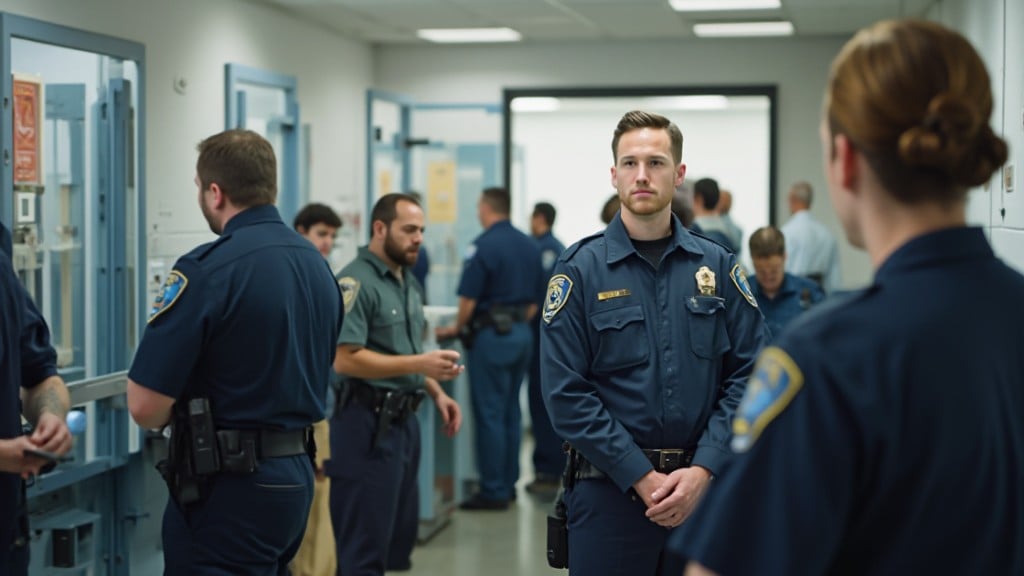
Correctional officers work in a demanding and often stressful environment, requiring focus and resilience. Understanding these working conditions is crucial for small business owners and HR professionals involved in staffing or preparing employees for similar high-stress roles.
Shift Patterns and Hours
Correctional officers typically work irregular hours, including nights, weekends, and holidays. Shifts commonly last 8 to 12 hours, and many facilities follow a rotating schedule. Availability during these hours ensures adequate staffing, which is essential for maintaining security and order within correctional facilities. Flexibility in scheduling contributes to team dynamics and overall facility effectiveness.
Interaction with Inmates and Staff
Correctional officers engage daily with inmates and staff, establishing a balance between authority and approachability. Officers monitor inmate behavior, enforce rules, and facilitate necessary interactions, such as meals and recreational activities. Effective communication skills are vital in resolving disputes and maintaining safety. Team collaboration among staff members is crucial for addressing ongoing challenges, enhancing the working environment, and fostering positive relationships in a complex setting.
Career Advancement Opportunities
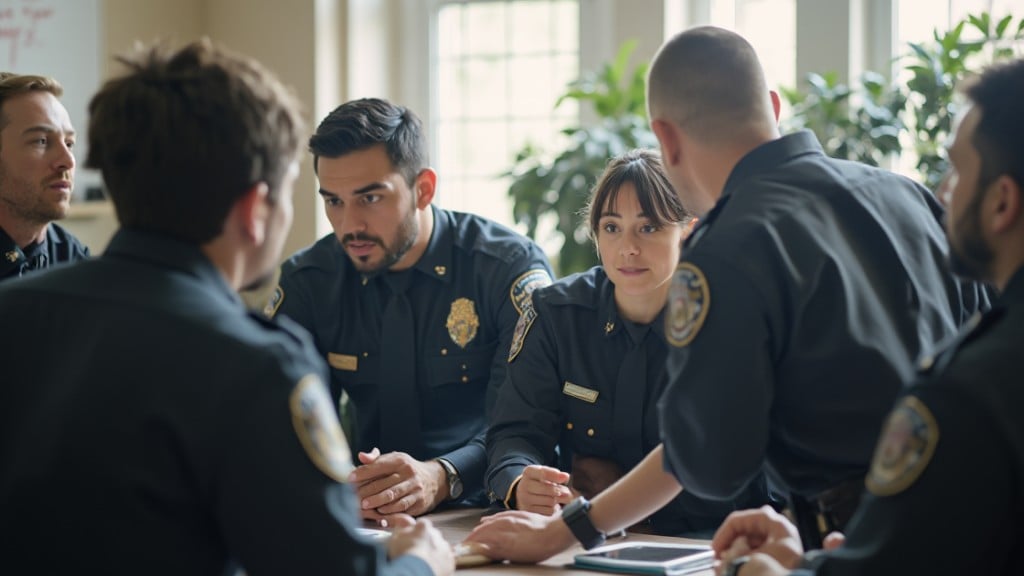
Advancement opportunities exist for correctional officers, providing pathways for growth within the field. As you gain experience, you may qualify for promotions to roles such as sergeant, lieutenant, or captain. These positions involve increased responsibilities, including managing teams and overseeing operations.
Specialized training can also enhance your qualifications. Pursuing certifications in crisis intervention, conflict resolution, or mental health can improve your skill set. Advanced training enables you to handle complex situations and fosters a safer environment in correctional facilities.
Transitioning to other roles within the justice system is another option. Positions in human resources, case management, or rehabilitation programs often value the experience gained as a correctional officer. Networking with peers and participating in professional organizations can open doors to these opportunities.
For small business owners, understanding the upward mobility within this field can inform staffing decisions. Hiring employees with correctional officer backgrounds may bring valuable skills, such as strong leadership, decision-making, and crisis management abilities, enhancing your team’s overall effectiveness.
Conclusion

The role of a correctional officer is both challenging and rewarding. It requires a unique blend of skills and resilience to navigate the complexities of maintaining safety within correctional facilities. As you consider this career path remember the importance of effective communication and conflict resolution.
With opportunities for advancement and specialized training available your journey can lead to significant growth within the justice system. Embracing the responsibilities of this position not only contributes to personal development but also plays a vital role in the safety and order of society. If you’re ready to take on this commitment you’ll find a fulfilling career awaiting you.
Frequently Asked Questions
What is the role of a correctional officer?
Correctional officers oversee inmate behavior and enforce facility regulations to maintain safety and order in correctional facilities. Their duties include managing inmate interactions, conducting inspections for contraband, and resolving conflicts.
What skills do you need to be a correctional officer?
Essential skills for correctional officers include effective communication, problem-solving, conflict resolution, empathy, and emotional intelligence. Training also emphasizes physical fitness, mental resilience, and understanding human behavior.
What are the educational requirements for correctional officers?
Most correctional officer positions require a high school diploma, with some employers preferring candidates who hold an associate degree in criminal justice or a related field. Certification requirements can vary by state.
What are the working conditions like for correctional officers?
Correctional officers typically work irregular hours, including nights, weekends, and holidays, with shifts ranging from 8 to 12 hours. This schedule is critical for ensuring adequate staffing in correctional facilities.
What opportunities exist for advancement in this career?
Correctional officers can advance to higher ranks like sergeant, lieutenant, or captain with experience and specialized training. They may also transition to other roles in the justice system, such as human resources or case management.
Why is communication important for correctional officers?
Effective communication is vital for resolving disputes, managing inmate interactions, and fostering a positive atmosphere within correctional facilities. It helps maintain order and enhances teamwork among staff.
How do correctional officers manage conflicts?
Correctional officers monitor inmate behavior and intervene in conflicts as necessary. They document incidents and use conflict-resolution skills to de-escalate situations, ensuring safety for both staff and inmates.
What challenges do correctional officers face?
Correctional officers encounter various challenges, including dealing with high-stress situations, managing difficult inmate behavior, and ensuring safety in a dynamic environment. Resilience and adaptability are key to overcoming these challenges.
Image via Google Gemini