
Key Takeaways

- Understanding Employment Forms is Essential: Familiarity with employment forms is crucial for both employers and employees to ensure clear expectations and a smooth onboarding experience.
- Types of Employment Forms: Key forms include W-4 for tax withholding, I-9 for identity verification, and Employee Handbook Acknowledgment, each serving specific compliance and operational purposes.
- Legal Compliance: Properly utilizing employment forms is vital for adhering to labor laws and avoiding legal risks and penalties that could impact your business.
- Effective Record-Keeping: Maintaining accurate employment forms aids in effective record-keeping, facilitating performance reviews, compliance audits, and informed staffing decisions.
- Key Elements in Forms: Important components of employment forms include employee information, job descriptions, and compensation details, which help manage expectations and communication.
Navigating the world of employment can be overwhelming, especially when it comes to the paperwork involved. Employment forms are essential tools that help both employers and employees establish clear expectations and responsibilities. Whether you’re starting a new job or managing a team, understanding these forms is crucial for a smooth onboarding process.
Overview of Employment Forms

Employment forms play a crucial role in the staffing process within small businesses. These forms help clarify expectations and responsibilities for both employees and employers. Understanding these documents supports an efficient onboarding experience, making it essential for you as a small business owner or HR employee to familiarize yourself with their contents.
Common types of employment forms include:
- W-4 Form: This form allows employees to indicate their tax withholding preferences. As a small business owner, collecting this form ensures correct payroll processing.
- I-9 Form: This form verifies an employee’s identity and work authorization. It’s required for compliance with federal regulations.
- Employee Handbook Acknowledgment: This form signifies that employees have received and understood the company policies outlined in the handbook.
- Direct Deposit Authorization: This form enables employees to choose direct deposit for their paychecks, promoting timely and secure payment practices.
Utilizing proper employment forms streamlines the onboarding process, enhances communication within your human resources department, and fosters a positive workplace culture. Ensuring that these forms are correctly completed and stored helps in maintaining compliance with legal requirements, ultimately benefiting your small business.
Types of Employment Forms
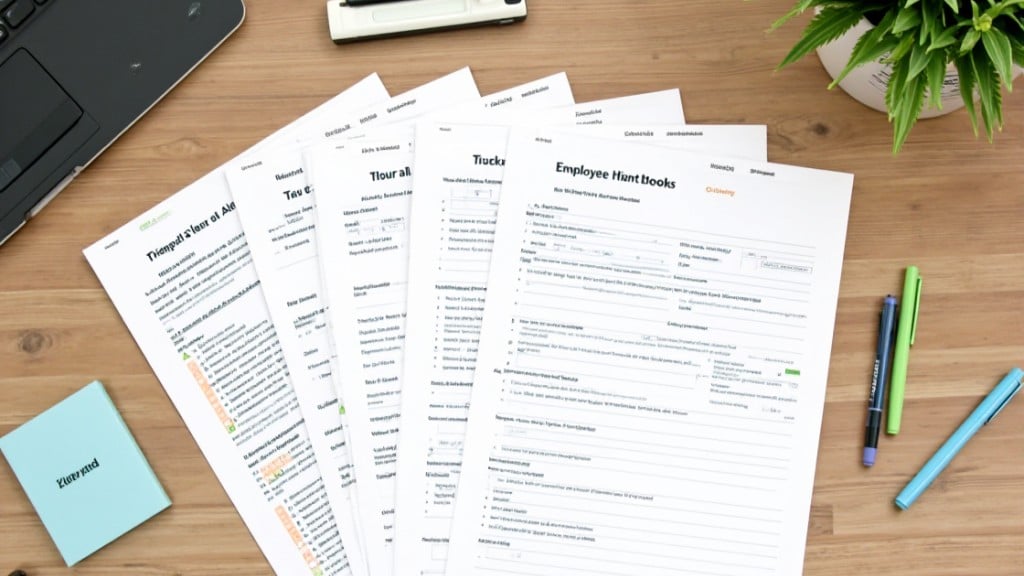
Understanding the various types of employment forms is crucial for small business owners and HR professionals. These forms cater to different employment relationships, ensuring that processes are efficient and legally compliant.
Full-Time Employment Forms
- Internal Revenue Service (IRS) and Tax Forms: Complete Form W-4 for federal income tax withholding and the state W-4 form for state income tax withholding.
- Form I-9: This employment eligibility verification form is essential for confirming a new employee’s identity and work authorization.
- Job-Specific Forms: Prepare employee contracts and job descriptions, detailing roles, responsibilities, and performance expectations.
- Employee Information Forms: Collect personal information, such as home address and emergency contacts, along with potential background check forms.
- Compensation Forms: Include direct deposit forms, offer letters, and documentation outlining salary and payment terms.
Part-Time Employment Forms
- IRS and Tax Forms: Utilize a simplified version of Form W-4 for tax withholding, similar to full-time employees. Form I-9: Verify eligibility by completing the same Form I-9 for part-time employees as required for full-time staff.
- Employee Information Forms: Gather personal details, including emergency contacts, tailored to the specific needs of part-time roles.
- Shift Availability Forms: Implement forms allowing part-time employees to communicate their availability and preferred hours.
Contract Employment Forms
- Independent Contractor Agreement: Draft a clear agreement outlining the scope of work, payment terms, and deadlines for contractors.
- Tax Forms: Ensure federal Form W-9 is completed for tax identification purposes and reporting requirements.
- Non-Disclosure Agreements (NDAs): Protect sensitive business information by having contractors sign NDAs when necessary.
- Work Scope and Completion Forms: Establish forms that outline project deliverables, timelines, and completion criteria.
Freelance Employment Forms
- Freelance Contract: Create a detailed contract specifying deliverables, payment structures, and timelines unique to freelance arrangements.
- Tax Forms: Freelancers must complete Form W-9 for tax purposes, similar to contractors.
- Work Authorization Forms: Depending on the nature of the work, consider forms to confirm the freelancer’s eligibility to perform their services.
- Project Briefs: Develop project briefs that specify the objectives, expectations, and deadlines for freelance assignments.
Utilizing these employment forms effectively helps streamline processes within your small business and supports robust staffing practices and human resources management.
Importance of Employment Forms

Employment forms play a vital role in the organization and compliance of your small business. Utilizing these forms enhances your staffing processes and helps establish a foundation for effective human resources management.
Legal Significance
Employment forms ensure adherence to labor laws that affect your small business. Forms like the W-4 for tax withholding and I-9 for work authorization help you maintain compliance with regulations from the Fair Labor Standards Act (FLSA) and the Equal Employment Opportunity Commission (EEOC). Failure to use the correct forms can lead to legal risks and financial penalties, impacting your business operations and reputation.Record-Keeping
Effective record-keeping is essential for managing employees in your small business. Employment forms provide a structured way to document every step in the employee lifecycle, from hiring to termination. This documentation aids in performance reviews, employee history tracking, and compliance audits. By maintaining accurate records, you foster better communication within your human resources team and create a reliable reference for future staffing decisions.
Common Elements in Employment Forms

Employment forms contain several essential elements that ensure clear communication between you and your employees. Understanding these components streamlines your hiring process and supports effective human resources management within your small business.
Employee Information
Employment applications include vital employee information such as contact details, work availability, skills, education, employment history, and references. This information allows you to evaluate and select candidates efficiently. Additionally, the Employment Agreement form captures necessary details to establish the employer-employee relationship, outlining the terms of employment clearly. Using organized forms aids in maintaining compliance in your hiring practices.
Job Description
A comprehensive job description details the specific tasks, duties, and responsibilities associated with each position. Clearly defined roles help manage expectations for current employees and guide your staffing decisions. When you provide precise job descriptions, you facilitate better communication within your small business and reduce discrepancies regarding responsibilities. Having this information documented ensures clarity for performance assessments and future hiring.
Compensation Details
Compensation details outline salary or hourly wages, benefits information, and any bonus structures. This section is critical for setting expectations and ensuring transparency about pay structures. By clearly articulating compensation packages on employment forms, you promote trust with your employees. Well-documented compensation details also prevent misunderstandings and help you remain competitive in attracting talent for your small business.
Conclusion

Navigating the world of employment forms is crucial for both employers and employees. By understanding and utilizing these forms effectively you set the stage for a successful onboarding experience. They not only clarify expectations but also ensure compliance with legal standards that protect your business.
Maintaining accurate records through these forms helps streamline communication and enhances overall workplace culture. When you prioritize proper documentation you’re not just safeguarding your business but also fostering trust and transparency among your team. Embrace the importance of employment forms to create a more organized and efficient work environment.
Frequently Asked Questions

What are employment forms and why are they important?
Employment forms are documents used in the hiring process to outline expectations and responsibilities for both employers and employees. They help facilitate a smooth onboarding experience and ensure that all parties are clear about their roles, contributing to effective communication and compliance with legal requirements.
What are some common types of employment forms?
Common employment forms include the W-4 Form for tax withholding, the I-9 Form for verifying identity, the Employee Handbook Acknowledgment for understanding company policies, and the Direct Deposit Authorization for payment processes. Each form serves a specific purpose in managing employee relationships.
How do employment forms vary by employment type?
Employment forms differ based on employment relationships. Full-time positions require forms like IRS tax forms and job-specific documents, while part-time positions may include shift availability forms. Contract work necessitates independent contractor agreements and freelance arrangements often require detailed contracts and project briefs.
Why is compliance with employment forms crucial?
Compliance with employment forms is essential to adhere to labor laws and regulations, such as those established by the Fair Labor Standards Act and the Equal Employment Opportunity Commission. Non-compliance can lead to legal issues and financial penalties, making proper documentation vital for businesses.How does record-keeping relate to employment forms?
Effective record-keeping is enhanced through the use of employment forms, as they provide structured documentation of the employee lifecycle. This documentation aids in performance reviews, employee history tracking, and compliance audits, ultimately fostering better communication and decision-making within HR teams.
What elements are typically included in employment forms?
Employment forms usually include employee information (contact, work availability, skills), job descriptions clarifying roles, and compensation details. These elements support efficient candidate evaluation and promote transparency between employers and employees, helping attract and retain talent.
How do employment forms contribute to a positive workplace culture?
Properly utilizing employment forms streamlines the onboarding process and enhances communication, contributing to a positive workplace culture. By ensuring clarity and legal compliance, businesses can foster trust and mutual respect between employers and employees, which is crucial for employee satisfaction and retention.
Image via Google Gemini