Key Takeaways
- Comprehensive Role: Landscapers engage in a variety of tasks, including design, installation, and maintenance of outdoor spaces, going beyond simple lawn care to include hardscaping and irrigation management.
- Essential Skills: Key qualifications for landscapers include technical abilities in equipment operation and horticultural practices, along with strong communication and problem-solving skills.
- Customer Engagement: Effective customer interaction is crucial for building lasting relationships, as understanding client needs leads to improved satisfaction and repeat business.
- Job Growth: The landscaping industry has a positive job outlook, with projected growth of 10% from 2021 to 2031, reflecting increasing demand for outdoor enhancements in residential and commercial properties.
- Salary Range: The median annual wage for landscaping workers is approximately $36,000, with entry-level positions starting around $28,000 and experienced landscapers earning over $50,000.
- Employee Development: For business success, investing in staff training and hiring individuals with both technical and interpersonal skills is vital for delivering high-quality service and ensuring client satisfaction.
If you’re considering a career in landscaping, understanding the job description is crucial. A landscaper’s role goes beyond just planting flowers and mowing lawns; it involves creating and maintaining beautiful outdoor spaces that enhance property value and enjoyment. From designing garden layouts to installing irrigation systems, landscapers play a vital part in transforming environments.
You’ll find that this profession requires a mix of creativity, technical skills, and physical endurance. Whether you’re working on residential gardens or commercial properties, each project presents unique challenges and opportunities. In this article, we’ll dive into the key responsibilities, necessary skills, and potential career paths within the landscaping industry, helping you gain a clearer picture of what it takes to thrive in this dynamic field.
Overview of Landscaper Job Description
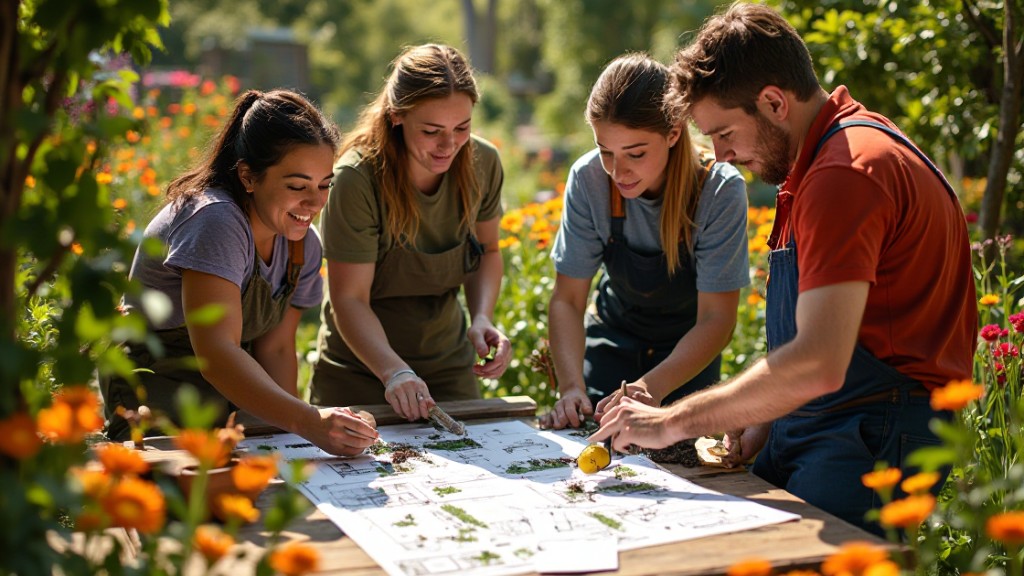
A landscaper’s job description encompasses various responsibilities crucial for maintaining and enhancing outdoor spaces. Landscapers design, install, and maintain gardens, lawns, and other green areas, promoting aesthetics and functionality. Key tasks include planting flowers, trees, and shrubs, along with mowing, pruning, and weed control.
Landscapers also perform hardscaping, which involves the installation of structures such as patios, walkways, and retaining walls. They manage irrigation systems, ensuring efficient water usage while promoting sustainable practices. Safety is paramount, so landscapers must follow protocols while operating equipment and handling chemicals.
In a small business context, staffing decisions may focus on hiring skilled landscapers who possess technical knowledge and a creative eye. Employees should demonstrate strong physical stamina and the ability to work in diverse weather conditions. Training may cover safety procedures and equipment operation.
Overall, the landscaper role combines artistry and technical skills, making it essential for any landscaping business aiming to deliver high-quality services and enhance customer satisfaction.
Key Responsibilities
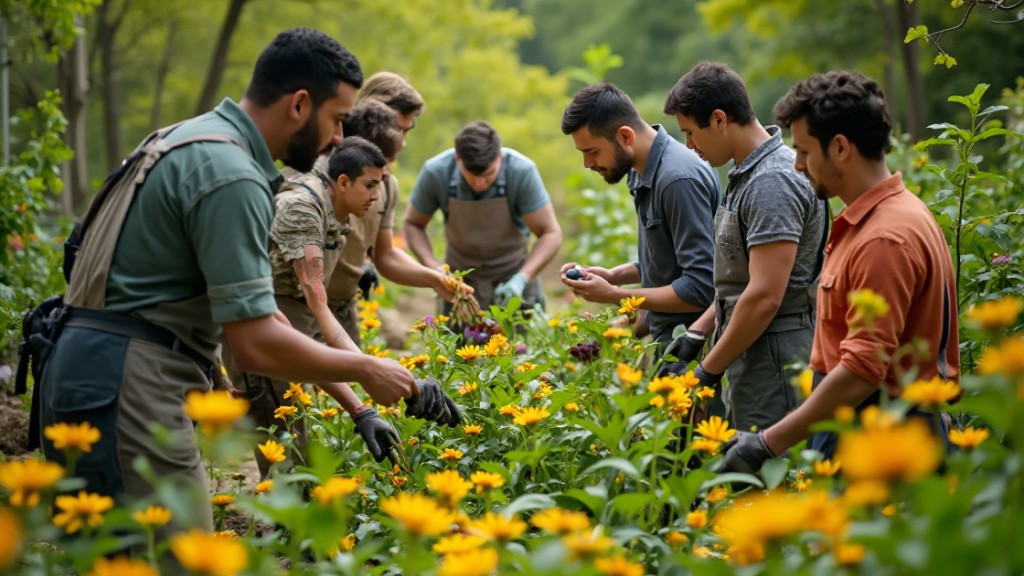
The key responsibilities of a landscaper encompass vital tasks that maintain and enhance outdoor spaces. These responsibilities are essential for a small business owner seeking to maximize property value and customer satisfaction.
Design and Planning
Design and planning involve creating innovative landscaping layouts that meet client needs. You collaborate with landscape designers to develop aesthetically pleasing and functional spaces. This process may include selecting appropriate plants, planning irrigation systems, and integrating hardscaping features. Understanding customer preferences and environmental factors helps create tailored designs that appeal to various clientele.
Maintenance and Upkeep
Maintenance and upkeep are crucial for ensuring the longevity and attractiveness of landscaped areas. You perform regular tasks such as mowing lawns, trimming edges, and pruning trees and shrubs. Managing weed control effectively keeps landscapes clean and inviting. Additionally, applying fertilizers and pesticides contributes to plant health, while conducting general maintenance, like repairing fountains, preserves the overall appeal. Implementing a consistent maintenance schedule guarantees customer satisfaction and long-term retention.
Customer Interaction
Customer interaction plays a significant role in building and sustaining client relationships. You listen to customer concerns, address their inquiries, and provide updates on project progress. Clear communication showcases professionalism and enhances rapport. In small business settings, retaining satisfied clients often hinges on understanding their needs and offering solutions tailored to those preferences, which ultimately leads to repeat business.
Required Skills and Qualifications
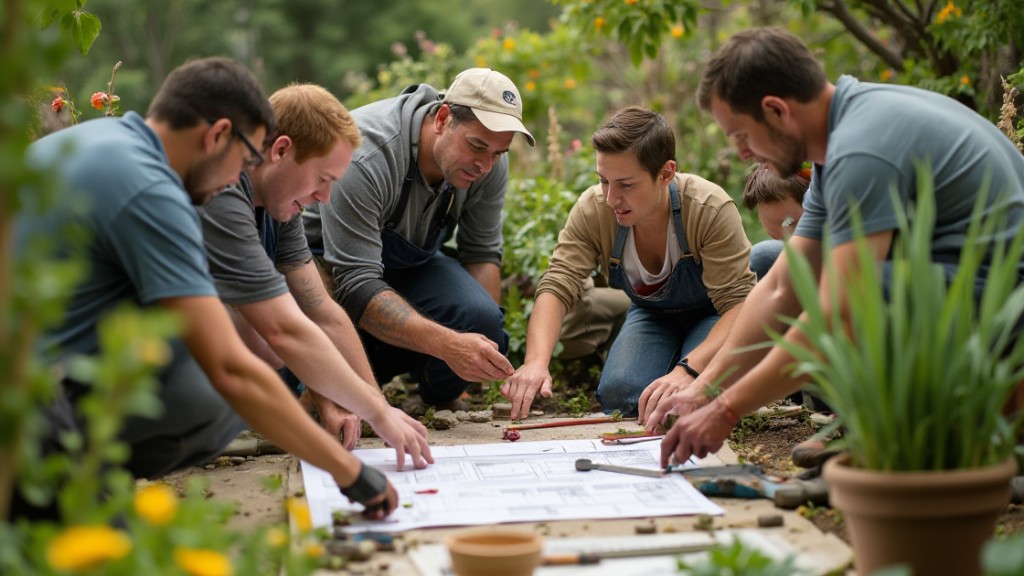
Understanding the skills and qualifications needed for a landscaper is crucial for small business owners and HR employees in the landscaping industry. These attributes ensure high-quality service and contribute to the overall success of your operations.
Technical Skills
- Equipment Operation: You must operate maintenance equipment, including lawnmowers, leaf blowers, hedge trimmers, and gardening tools. Familiarity with safety protocols and basic troubleshooting enhances efficiency and safety among employees.
- Horticultural Practices: Knowledge of horticulture is essential. You need to grasp sowing, fertilizing, pruning, and pest management. Understanding different plant species’ specific needs is vital for creating sustainable landscapes.
- Plant Identification: Recognizing plant species and their growth patterns impacts landscape design and maintenance. This skill ensures that you and your employees can create aesthetically pleasing outdoor spaces.
Soft Skills
- Communication Skills: Strong communication is essential for interacting with clients effectively. You must ensure that your team can understand and fulfill client needs, which helps in building lasting relationships.
- Teamwork: Collaborating effectively with team members boosts productivity. You should foster a work environment that encourages cooperation and mutual support among your employees.
- Problem-Solving Abilities: Landscaping often presents unique challenges. Your team must develop problem-solving skills to navigate obstacles quickly and efficiently, ensuring client satisfaction and project success.
Job Outlook and Salary Information
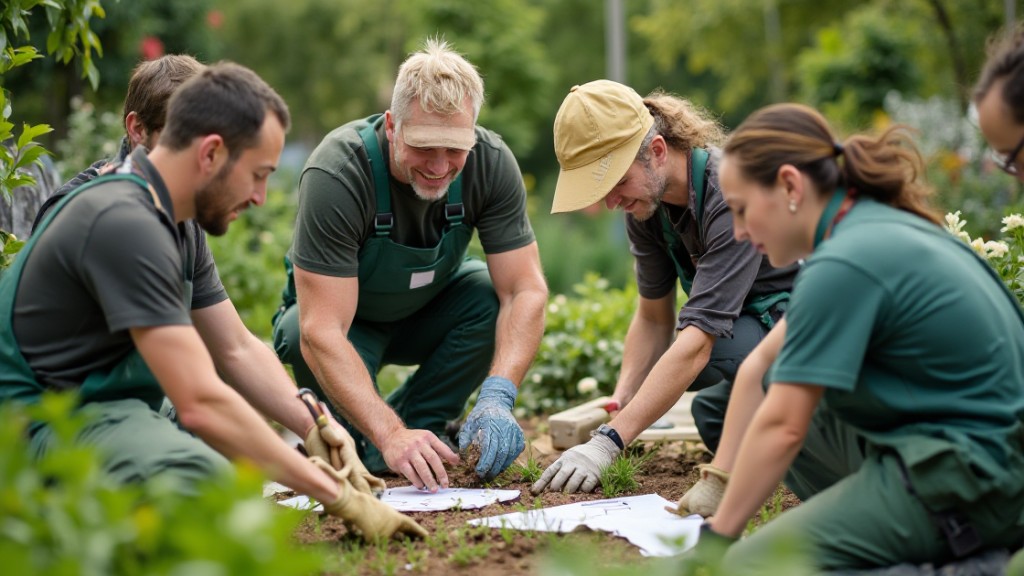
Landscaping offers a promising job outlook, particularly for small business owners and HR employees. The U.S. Bureau of Labor Statistics (BLS) projects a growth rate of 10% for landscaping and groundskeeping workers from 2021 to 2031, which is faster than the average for all occupations. Increased demand for landscaping services stems from a growing interest in residential and commercial outdoor enhancements, contributing to more job opportunities in the field.
Salary information varies by location and experience. According to the BLS, as of May 2022, the median annual wage for landscaping and groundskeeping workers is approximately $36,000. Entry-level positions often start around $28,000, while skilled landscapers and supervisors can earn upwards of $50,000 annually, depending on expertise and responsibilities.
For small business owners, understanding staffing needs plays a crucial role in maintaining competitiveness. Hiring skilled employees who possess both technical skills and creativity ensures high-quality service and customer satisfaction. Investing in ongoing training helps your staff stay current with industry trends and safety protocols, ultimately supporting better job performance and client retention.
HR employees in small businesses should prioritize hiring individuals who communicate effectively and demonstrate strong problem-solving abilities. These soft skills foster teamwork and enhance client interactions, essential for building lasting relationships and securing repeat business. Balancing technical expertise with interpersonal skills can significantly affect the operational success of your landscaping service.
Conclusion

A career in landscaping offers a rewarding blend of creativity and technical skill. As you design and maintain outdoor spaces, you’ll not only enhance property value but also create environments that people enjoy. With a growing job market and a variety of responsibilities, this profession allows for both personal and professional growth.
Whether you’re just starting or looking to elevate your skills, understanding the key aspects of a landscaper’s role is essential. Prioritizing safety and effective communication will set you apart in this competitive field. Embrace the challenges and rewards that come with transforming landscapes, and you’ll find a fulfilling career awaits you.
Frequently Asked Questions
What does a landscaper do?
A landscaper designs, installs, and maintains outdoor spaces, enhancing their aesthetics and functionality. Key tasks include planting, mowing, pruning, and installing hardscapes like patios. They also manage irrigation systems for water efficiency.
What skills are required to become a landscaper?
Essential skills for landscapers include technical abilities like equipment operation and plant identification, as well as soft skills such as communication, teamwork, and problem-solving. These skills help in delivering quality service and effective client interactions.
What is the job outlook for landscaping careers?
The job outlook for landscaping and groundskeeping workers is promising, with a projected growth rate of 10% from 2021 to 2031. This growth is driven by increasing demand for outdoor enhancements and maintenance.
What is the typical salary range for landscapers?
The median annual wage for landscaping workers is about $36,000. Entry-level positions start around $28,000, while skilled landscapers can earn upwards of $50,000, depending on experience and expertise.
Why is customer interaction important in landscaping?
Customer interaction is vital in landscaping as it helps build and maintain client relationships. Clear communication and understanding clients’ needs are essential for repeat business and overall project success.
Image via Google Gemini