
Key Takeaways

- Role Definition: Paraprofessionals play a critical supportive role in educational settings, assisting teachers and enhancing student success through individualized support and classroom management.
- Key Responsibilities: Their primary duties include aiding educators with lesson plans, preparing materials, and providing direct assistance to students, particularly those with special needs.
- Essential Skills: Successful paraprofessionals should possess strong communication, patience, flexibility, collaboration, and problem-solving skills to adapt to diverse classroom dynamics.
- Education Requirements: Generally, a high school diploma or GED is required, with many positions preferring candidates with an associate degree or relevant college coursework, especially in special education.
- Demand and Career Growth: The demand for paraprofessionals is on the rise, offering significant career advancement opportunities through further education and training in specialized fields.
- Work Environment: Paraprofessionals typically work in classrooms or schools, aligning their hours with school schedules, which is crucial for maintaining a consistent support system in educational institutions.
If you’re considering a career as a paraprofessional, understanding the job description is crucial. Paraprofessionals play a vital role in educational settings, providing support to teachers and helping students succeed. These professionals work closely with individuals or small groups, ensuring that learning environments are inclusive and effective.
In this article, you’ll discover the key responsibilities, skills, and qualifications needed for paraprofessional roles. Whether you’re new to the field or looking to enhance your understanding, knowing what a paraprofessional does can guide your career path and help you make informed decisions. Let’s dive into the essential aspects of this rewarding profession.
Overview of Paraprofessional Job Description
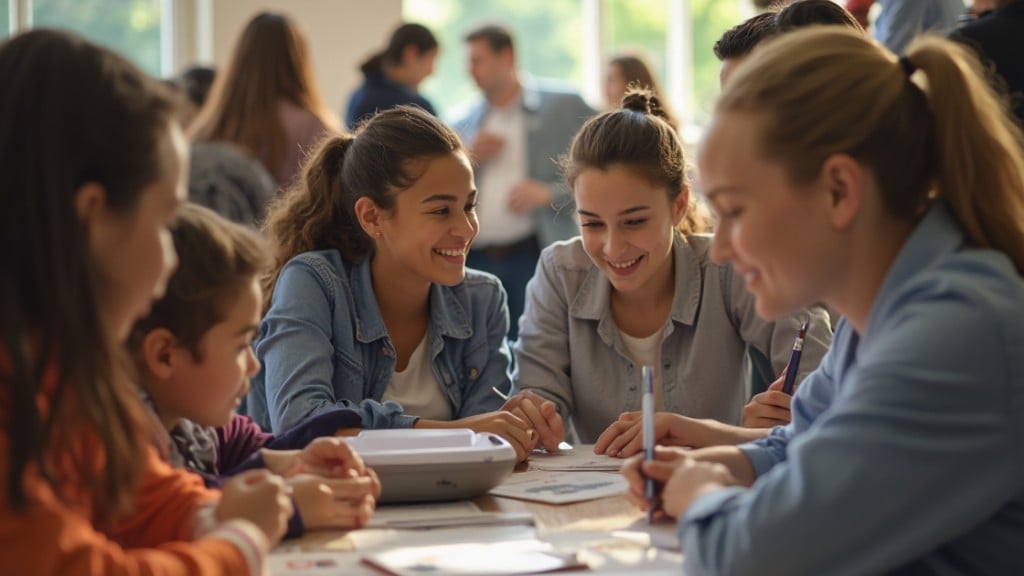
A paraprofessional plays a crucial role in educational settings, acting as a support for teachers and enhancing student learning experiences. Responsibilities often include assisting with classroom management, providing individualized support for students, and helping implement lesson plans. These tasks foster a productive educational environment.
Paraprofessionals communicate closely with teachers to ensure alignment with instructional goals. They assist in preparing materials and maintain a structured classroom atmosphere, enabling teachers to focus on more complex instructional tasks. Attention to specific student needs, such as academic support or behavioral guidance, remains an essential part of their role.
Skills required for paraprofessionals include strong communication abilities, interpersonal skills, and patience. Successful candidates often hold at least a high school diploma, with some having additional qualifications or training in human resources or related fields. This mix of education and skills makes paraprofessionals valuable assets in small business-focused educational environments, where effective staffing contributes significantly to overall success.
A paraprofessional’s support enhances teaching and student engagement, proving essential in fostering an effective learning atmosphere.
Key Responsibilities of Paraprofessionals
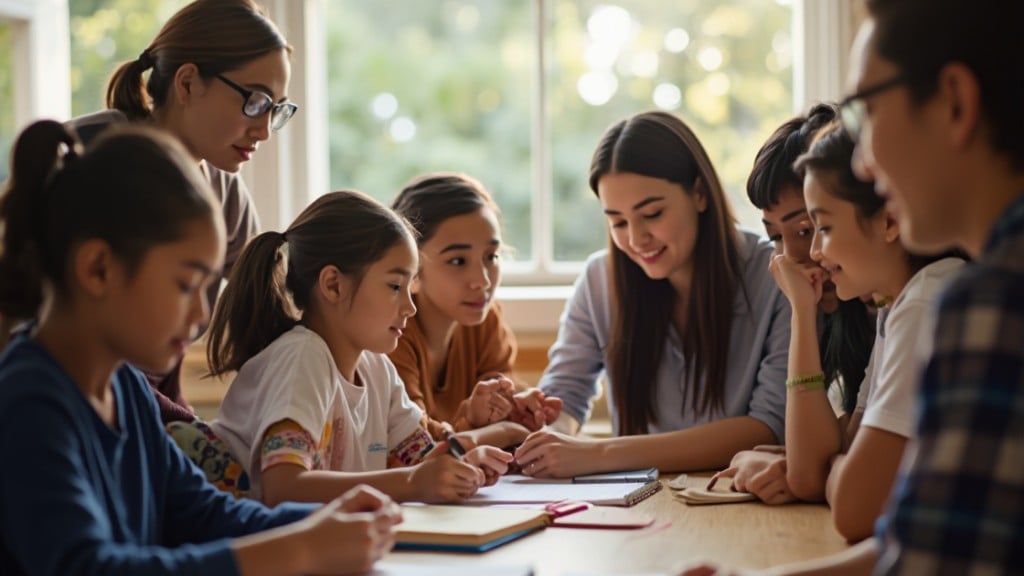
Paraprofessionals play a vital role in educational settings, supporting teachers and contributing to student success. Their responsibilities encompass assisting educators and managing classroom activities, leading to an effective learning environment.
Supporting Educators
Paraprofessionals work closely with fully licensed teachers to support instructional activities. Their tasks include assisting with lesson plans, preparing curriculum materials, and setting up instructional resources like visual aids and technology. They help maintain an organized classroom environment, preparing materials and ensuring equipment is functional. This collaboration enables teachers to focus on teaching while paraprofessionals handle operational details. They also collect data on student progress and behavior, essential for informed decisions regarding instructional strategies and interventions.
Assisting Students
A primary role of paraprofessionals involves providing direct assistance to students, particularly those with special needs. They offer individualized support, ensuring students receive the attention necessary for their academic growth. Paraprofessionals facilitate a positive learning experience, adapting teaching methods to suit diverse learning styles and requirements. This personalized approach enhances student engagement and fosters overall academic achievement.
Managing Classroom Activities
Paraprofessionals assist in managing classroom activities effectively. They help organize learning materials, coordinate group activities, and provide supervision during transitions. By ensuring a smooth classroom flow, they contribute to a positive learning atmosphere. Their involvement reduces teachers’ workloads, allowing educators to dedicate time to lesson implementation and student interaction. In a small business context, understanding the roles and efficiency of paraprofessionals can inform staffing strategies and improve educational outcomes.
Required Skills and Qualifications

Paraprofessionals play a vital role in supporting educational environments. Understanding the required skills and qualifications helps in staffing effectively for these positions.
Education Requirements
Paraprofessionals typically need at least a high school diploma or GED. Many school districts, especially those supporting Title 1 schools or students with special needs, require an associate degree or two years of college coursework. Some positions may stipulate these qualifications as necessary for effective performance.
Essential Skills
- Patience: Engaging with students who exhibit special needs or behavioral challenges requires significant patience.
- Flexibility: Adapting seamlessly to varied classroom environments and student demands is essential.
- Communication: Effective interaction with students, educators, and other staff enhances teamwork.
- Collaboration: Working closely with lead teachers and educational staff fosters a supportive atmosphere.
- Problem-Solving: Addressing unexpected situations while providing student support is crucial for maintaining a productive learning environment.
Certifications
Certifications for paraprofessionals vary by state and local requirements. Staying informed about specific regulations within your state ensures that your staffing meets educational standards and legal guidelines for working with students.
Work Environment and Conditions

Paraprofessionals function primarily in educational settings, playing a critical role in supporting both educators and students. Understanding their environment is essential for effective staffing decisions in small businesses involved in educational services.
Typical Settings
Paraprofessionals work mainly in:
- Classrooms: They assist teachers and students directly, fostering a positive and inclusive learning atmosphere.
- Schools: They operate in elementary, middle, or high schools, providing support to students with special needs and general education students alike.
- Special Education Programs: They engage in specialized programs for students with disabilities, delivering tailored support to meet diverse individual needs.
Each of these settings requires paraprofessionals to adapt quickly and provide meaningful assistance to enhance educational experiences.
Working Hours
Paraprofessionals typically align their working hours with the school’s operational schedule:
- School Days: They work the same hours as school days, usually five days a week. Daily schedules often include a full school day, which can vary based on specific school or district policies.
This alignment provides a reliable staffing structure that small businesses can replicate when integrating paraprofessionals into their teams, ensuring consistent and effective support throughout the educational landscape.
Career Outlook and Opportunities

Paraprofessional roles have seen significant growth, presenting various opportunities for small business staffing and human resources. Understanding this job demand can help you allocate resources effectively.
Job Demand
The demand for paraprofessionals continues to rise, with approximately 825,000 paraeducators in 2018, compared to 3.2 million teachers. Many school districts increasingly rely on paraprofessionals for support in classrooms, especially in special education settings. With a growing emphasis on individualized education and inclusivity, the need for trained aides becomes essential to fostering effective learning environments. You should consider this trend when evaluating your hiring strategies and the potential for supporting educational initiatives.
Advancement Opportunities
Paraprofessionals often experience ample opportunities for advancement within educational settings. By pursuing additional qualifications, such as an associate degree or specialized certifications, you can empower staff to transition into roles with increased responsibilities, such as lead educator or specialized trainer positions. Investing in your employees’ development not only enhances their skills but also contributes to staff retention, a crucial factor for successful small business operations. These opportunities can create a robust, trained team capable of addressing the diverse needs of students while advancing your organization’s objectives.
Conclusion

Taking on the role of a paraprofessional is a fulfilling opportunity that directly impacts students’ educational journeys. By supporting teachers and adapting to diverse student needs, you play a vital part in creating an inclusive learning environment. As the demand for paraprofessionals continues to grow, your skills and dedication can lead to a rewarding career path with numerous advancement opportunities. Whether you’re just starting or looking to enhance your qualifications, embracing this role can lead to significant contributions in the education sector. Your commitment to student success makes a lasting difference in shaping future generations.
Frequently Asked Questions

What is the role of paraprofessionals in education?
Paraprofessionals support teachers and facilitate student learning in educational settings. They assist with classroom management, implement lesson plans, and provide individualized support, especially to students with special needs. Their contributions help create a productive and organized environment for effective learning.
What qualifications are needed to become a paraprofessional?
To become a paraprofessional, candidates typically need a high school diploma or GED. Many school districts require an associate degree or two years of college coursework, particularly for those working in Title 1 schools or special education settings. Specific qualifications may vary by state.
What skills are important for paraprofessionals?
Essential skills for paraprofessionals include strong communication, patience, flexibility, and teamwork. These abilities help them adapt to diverse student needs and support teachers effectively. Problem-solving skills are also crucial for addressing various classroom situations.
Where do paraprofessionals work?
Paraprofessionals primarily work in classrooms, schools, and special education programs. Their work environment requires them to adapt quickly to various situations and students, ensuring effective support for both educators and learners.
What is the job outlook for paraprofessionals?
The demand for paraprofessionals is growing, with a significant increase in their numbers in recent years. As schools focus on individualized education and inclusivity, trained paraprofessionals are increasingly essential, particularly in special education settings.
Can paraprofessionals advance in their careers?
Yes, paraprofessionals have opportunities for career advancement. By pursuing further qualifications and certifications, they can transition into roles with increased responsibilities, enhancing staff retention and contributing to effective educational initiatives.
Image via Google Gemini