
Key Takeaways

- Foundation for Success: A comprehensive florist business plan serves as a roadmap, outlining your vision, strategy, and operational details essential for navigating the floral industry.
- Key Components: Essential elements of a florist business plan include an executive summary, business description, market analysis, marketing strategy, operational plan, and financial projections.
- Target Market Identification: Understanding and identifying your target customers—such as young adults for weddings or eco-conscious consumers—is crucial for tailored marketing and improving sales.
- Financial Planning: Accurate startup costs and revenue forecasts are vital for securing funding and anticipating profits; typical revenue streams include retail sales, events, and online subscriptions.
- Effective Marketing Strategies: Implement a mix of online and local marketing strategies to boost visibility and attract customers, including social media engagement and partnerships with local businesses.
- Operational Excellence: A robust operations plan ensures efficient daily activities, strong supplier relationships, and an inviting store environment that enhances customer experience and satisfaction.
Starting a florist business can be a blooming opportunity for those with a passion for flowers and creativity. However, turning that passion into a successful venture requires more than just arranging beautiful bouquets. You need a solid business plan that outlines your vision and strategy, helping you navigate the competitive floral industry.
Crafting a comprehensive florist business plan not only sets the foundation for your enterprise but also clarifies your goals, target market, and financial projections. It’s your roadmap to success, guiding you through the challenges and opportunities that lie ahead. Whether you’re a seasoned florist or just starting out, having a well-thought-out plan is essential for thriving in this vibrant market.
Understanding A Florist Business Plan

A florist business plan lays the foundation for your small business in the floral industry. It provides direction, ensuring you understand your goals and the market dynamics.
Importance Of A Business Plan
A business plan is crucial for establishing a professional framework. It helps create clarity around your business concept and identifies potential challenges. Financial projection analyses promote informed decision-making. Investors and lenders often require a business plan to evaluate your commitment and the viability of your venture. A solid plan increases your credibility and boosts your chances of securing funding.
Key Components Of A Florist Business Plan
A robust florist business plan includes several key components:
- Executive Summary: Summarizes your business idea, objectives, and strategies.
- Business Description: Details your floral shop’s mission, vision, and unique selling proposition.
- Market Analysis: Analyzes the floral market, focusing on customer demographics, trends, and competition.
- Marketing Strategy: Outlines the promotional efforts to attract customers, including traditional and digital marketing tactics.
- Operational Plan: Describes the daily operations, supply chain details, and staffing needs.
- Financial Projections: Includes budgets, sales forecasts, and break-even analysis to predict future profits.
These components guide your small business from inception through growth, keeping your objectives clear and focused.
Market Analysis For Florist Businesses

Conducting a thorough market analysis is crucial for any small business, especially for a florist business. Understanding your target customers and analyzing the competition lays a strong foundation for your business plan.
Identifying Target Customers
Identifying your target customers is vital in establishing a successful florist business. Consider demographics such as age, gender, and income levels. Focus on segments like young adults for wedding floral arrangements, busy professionals seeking online flower delivery, or eco-conscious consumers interested in sustainable options. Tailoring your marketing strategies to these specific groups enhances engagement and drives sales, ultimately improving customer satisfaction.
Analyzing Competition
Analyzing your competition provides insights into the local market landscape. Identify other florists within your area, noting their product offerings, pricing structures, and marketing tactics. Evaluate their strengths and weaknesses, focusing on how you can differentiate your services. Offering unique floral designs, superior customer service, or efficient delivery can position your business favorably in the competitive market, enabling you to attract more customers.
Financial Projections

Financial projections are critical for your florist business plan. These projections guide your decision-making process and demonstrate your venture’s potential viability to investors.
Startup Costs
Startup costs for a florist business can vary significantly based on location, size, and services offered. Below is a list of typical expenses you must account for when starting your business:
- Equipment and Supplies: Budget for essential tools like floral design supplies, vases, and refrigeration units. Average costs may range from $5,000 to $15,000.
- Location Expenses: Consider rent or lease agreements for your shop, which could average $1,500 monthly depending on the area.
- Licenses and Permits: Allocate funds for obtaining necessary business licenses, usually costing between $100 and $1,000.
- Marketing: Initial marketing strategies may include website development and advertising, estimated at $2,000 to $5,000.
- Employee Wages: If you hire staff, include their salaries in your budget. Entry-level wages may start at $10 to $15 per hour.
Revenue Forecasts
Revenue forecasts help you anticipate potential earnings from your florist business. Creating realistic estimates is crucial for planning and securing funding. Typical revenue streams include:
- Retail Sales: Income generated from in-store flower sales usually makes up the bulk of your revenue. For example, a moderate shop might expect monthly sales of $10,000 to $20,000.
- Event Services: Providing flowers for weddings, parties, and corporate events can significantly boost your earnings. Event-related sales could account for 30% to 50% of total revenue.
- Subscription Services: Monthly flower delivery subscriptions offer a steady income stream, averaging $50 to $100 per subscription.
- Online Sales: E-commerce can also enhance revenue. Many florists report online sales contributing 20% or more to total income.
By accurately estimating startup costs and revenue forecasts, you position your florist business for long-term success.
Marketing Strategies
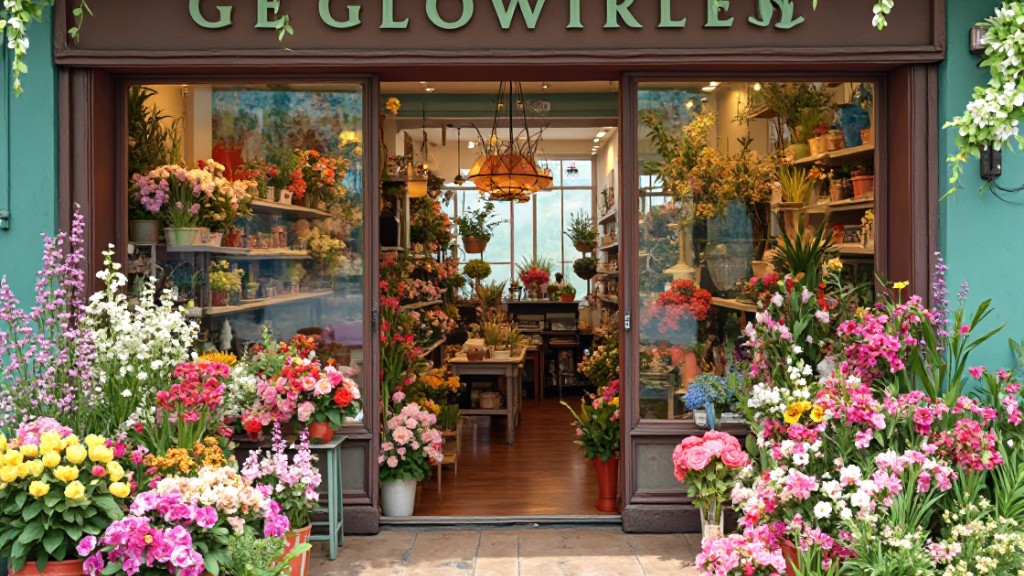
Effective marketing strategies are essential for your florist business to attract and retain customers. Consider both online and local approaches to maximize your reach.
Online Marketing Tactics
- Research consumer spending trends, which helps you tailor marketing efforts to specific customer segments. Curate flower arrangements that meet diverse needs, such as weddings, birthdays, and corporate events. Optimize your Google Business Profile to keep contact details and business hours current. Ensure your website is user-friendly and mobile-responsive, making it easy for customers to browse and purchase products. Engage with customers through social media platforms like Instagram and Facebook. Share high-quality images of arrangements, offer promotions, and interact with followers to build a community around your brand.
Local Promotion Techniques
- Network with local businesses, such as wedding planners and event coordinators, to create partnerships that boost referrals. Attend community events or farmers’ markets to establish a local presence and connect with potential customers.
- Distribute flyers in nearby neighborhoods and offer exclusive discounts for first-time customers. Consider hosting flower arranging workshops to draw interest and generate word-of-mouth marketing.
- Leverage local SEO strategies to enhance visibility in search results. Use location-specific keywords in your website content, ensuring that customers in your area can easily find your florist business.
By implementing these marketing strategies, you’ll effectively enhance your florist business plan, attract a consistent customer base, and ensure long-term success.
Operations Plan

A well-structured operations plan forms the backbone of your florist business. It outlines daily activities and ensures all aspects of your business run smoothly, contributing to your overall success.
Daily Operations Overview
Establish strong relationships with reliable flower suppliers and growers to maintain a diverse stock of fresh flowers, plants, and essential supplies. Implement efficient inventory management systems to track stock levels, preventing both surplus and shortages. Organize your store layout to create an inviting atmosphere that highlights seasonal offerings and new arrivals. Use unique displays to enhance customer engagement while ensuring cleanliness and organization that aligns with your brand’s aesthetic. Provide punctual delivery services using optimized routes, effective packaging methods to keep arrangements fresh, and clear communication about delivery details. Track orders to keep customers informed, enhancing their shopping experience.
Selecting The Right Location
Choose a location that maximizes visibility and accessibility for your target market. Strategically position your florist shop near high-traffic areas, such as shopping centers or community hubs. High foot traffic increases spontaneous visits. Analyze local demographics to ensure alignment with your customer base, focusing on income levels and lifestyle preferences. Consider proximity to event venues, such as wedding venues or corporate offices, where demand for floral services can be significant. A well-selected location fosters brand recognition and elevates your chances of success as you start a business in the competitive floral industry.
Conclusion

Starting a florist business is an exciting journey that blends creativity with entrepreneurship. A well-crafted business plan is your essential tool for navigating the floral industry. It not only sets clear goals but also helps you understand your market and financial landscape.
By focusing on key components like market analysis and marketing strategies, you can position yourself for success. Remember that your operations plan and location choice play crucial roles in daily activities and customer engagement.
With dedication and the right planning, you can turn your passion for flowers into a thriving business that captures the hearts of your community. Embrace the process and watch your floral dreams bloom.
Frequently Asked Questions

What is the importance of a business plan for a florist business?
A business plan is crucial for a florist business as it serves as a roadmap for success. It clarifies goals, identifies the target market, and outlines financial projections, helping both new and experienced florists navigate the competitive market effectively.
What are the key components of a florist business plan?
Key components of a florist business plan include an executive summary, business description, market analysis, marketing strategy, operational plan, and financial projections. These elements guide the business from inception through growth, ensuring clarity and focus on objectives.
How can I identify my target customers in the florist industry?
To identify target customers, consider demographics like age, gender, and income. Tailor your marketing strategies to specific segments and analyze competition to understand customer preferences in your area, which helps in positioning your services effectively.
What are typical startup costs for a florist business?
Startup costs for a florist business may include expenses for equipment, location, licenses, marketing, and employee wages. These costs vary based on location and services offered, making it essential to estimate accurately for effective financial planning.
What marketing strategies should I use for my florist business?
Effective marketing strategies include optimizing your Google Business Profile, maintaining a user-friendly website, and engaging on social media. Additionally, local promotions like networking and attending community events can enhance visibility and attract customers.
How important is an operations plan for a florist business?
An operations plan is vital as it details daily activities, ensuring smooth operations. It involves establishing relationships with suppliers, managing inventory efficiently, and organizing store layout—all critical for providing excellent customer service.
Where should I locate my florist shop for success?
Choosing a location in high-traffic areas that align with your target market is crucial. Being close to event venues can enhance visibility and accessibility, leading to greater brand recognition and increased chances of business success.
Image via Google Gemini