
Key Takeaways

- Initial Startup Costs: Expect to invest between $10,000 and $30,000 for a reliable vehicle, plus additional costs for licenses, equipment, insurance, and marketing.
- Ongoing Expenses: Plan for monthly operating costs of $200 to $500 for fuel and maintenance, and wages ranging from $15 to $25 per hour for drivers.
- Service Type Effects: Different courier services, such as same-day or specialized deliveries, influence your startup and ongoing costs significantly.
- Geographic Considerations: Costs vary based on location; areas with higher living costs may increase wages and operational fees, while regulatory environments can add license costs.
- Financing Strategies: Explore financing options such as personal savings, loans, or seeking investors to support your startup costs and ensure financial stability.
- Effective Budgeting: Understanding all potential expenses allows you to manage your finances wisely and plan effectively for long-term success in your courier business.
Starting a courier business can be an exciting venture, especially with the growing demand for fast and reliable delivery services. Whether you’re looking to serve local businesses or expand to a wider market, understanding the costs involved is crucial for your success.
From vehicle expenses to insurance and marketing, various factors will impact your initial investment. It’s essential to have a clear idea of what to expect financially so you can plan effectively and make informed decisions. In this article, you’ll discover the key costs associated with launching your courier business and tips to help you budget wisely.
Understanding Courier Business Costs

Understanding costs is essential when starting a small business, especially for a courier service. Several expenses contribute to the overall financial commitment required to launch effectively.
Initial Start-Up Expenses
Initial startup expenses can significantly impact your budget. These costs typically include:
- Vehicle purchase or lease: Depending on your service area, a reliable vehicle may range from $10,000 to $30,000.
- Licenses and permits: Special permits may be required, costing around $100 to $500.
- Equipment: Essential items such as GPS devices, mobile phones, and delivery bags may total $500 to $1,500.
- Insurance: Commercial vehicle insurance can cost about $1,200 to $3,000 annually, varying by location and coverage type.
- Marketing: Initial marketing efforts, including website creation and promotional materials, may require $300 to $2,000.
Ongoing Operating Costs
Ongoing operating costs are critical for sustainable growth in your courier business. Key expenses include:
- Fuel and maintenance: These costs will fluctuate based on vehicle use, averaging $200 to $500 monthly.
- Employee wages: If hiring drivers, expect to pay competitive wages, generally between $15 to $25 per hour.
- Insurance renewals: Maintaining adequate insurance protection may require periodic premiums, typically ranging from $100 to $250 monthly.
- Office supplies and technology: Budget approximately $100 to $300 monthly for administrative needs.
- Marketing: Ongoing digital marketing efforts may cost $200 to $1,000 monthly, depending on your strategy.
By understanding these expenses, you can better manage finances and plan effectively as you learn how to start a small business in the courier industry.
Factors Influencing Costs

Understanding the factors that influence costs can help you manage expenses effectively as you start a courier business. Different variables impact your financial outlay, from the type of service you provide to your geographic location.
Type of Courier Service
Choosing the type of courier service affects initial and ongoing costs. Options include:
- Same-Day Delivery: Higher operational costs due to the need for immediate service.
- Standard Delivery: More affordable setup, with costs focused on basic transportation.
- Specialized Services: Involves additional expenses for specialized equipment and training.
- Local vs. National: Local services may require fewer resources compared to national operations, which need a larger fleet and logistics planning.
Geographic Location
Your geographic location significantly impacts expenses in several ways:
- Cost of Living: Areas with higher living costs often increase wages, insurance, and operation fees.
- Regulatory Environment: Some regions impose strict regulations, which may incur additional license and permit fees.
- Market Competition: Highly competitive markets necessitate greater investment in marketing and service differentiation.
- Accessibility and Infrastructure: Quality of roads and delivery infrastructure affects fuel and maintenance costs.
By evaluating these factors, you can gain insights into how to start a small business in the courier industry while maintaining control over your budget. Adjust your plans according to your specific circumstances to set a strong foundation for success.
Breakdown of Key Expenses

Understanding expenses is crucial for your small business’s success. Here’s a detailed view of the major costs associated with starting a courier business.
Vehicle Acquisition
Vehicle acquisition comprises one of your largest startup costs. Here are approximate expenses for different vehicle types:
- Buying or leasing delivery vans: $10,000 to $30,000 per vehicle.
- Purchasing or leasing medium to large trucks: $20,000 to over $50,000 per vehicle.
- Investing in electric vehicles: $35,000 to $65,000, possibly offering lower fuel costs and tax incentives.
Insurance and Licenses
Insurance and licenses fall under essential expenses to protect your small business and comply with regulations:
- Insurance: Annual costs for commercial auto insurance, general liability insurance, and cargo insurance range from $1,000 to $15,000.
- Licenses and Permits: Business registration, necessary licenses, and permits can cost between $500 and $2,000.
Marketing and Branding
Effective marketing is vital for attracting customers. Here’s a breakdown of potential marketing costs:
- Setting up a professional website can cost $500 to $5,000, depending on complexity.
- Online advertising campaigns might require a budget of $300 to $1,500 monthly.
- Business cards and printed promotional materials can range from $50 to $300.
Managing these key expenses enables you to allocate resources efficiently when learning how to start a small business in the courier industry.
Financing Options for Start-Up

You can explore several financing options when starting your courier business to ensure you secure the necessary funds. Each method has unique benefits and may suit different financial situations.
Personal Savings
Using personal savings provides a cost-effective way to fund your startup. This option avoids interest payments and the need to repay loans, allowing you to retain full control of your business. You should consider how much you can invest from your savings without jeopardizing your financial stability. A common recommendation is to allocate enough funds to cover at least six months of operating costs, which typically range from $40,500 to $42,500 monthly.
Loans and Investments
Loans and investments represent alternative avenues for funding your small business. Traditional bank loans offer structured repayment schedules and can provide substantial capital; however, they often require collateral and strict creditworthiness. Alternative options like microloans or peer-to-peer lending may offer more lenient terms. Additionally, you can attract investors who seek a stake in your courier service, enabling you to obtain necessary funds without immediate repayment, but you may give up a portion of your ownership. Research these options thoroughly to determine the best fit for your startup’s financial strategy.
Conclusion
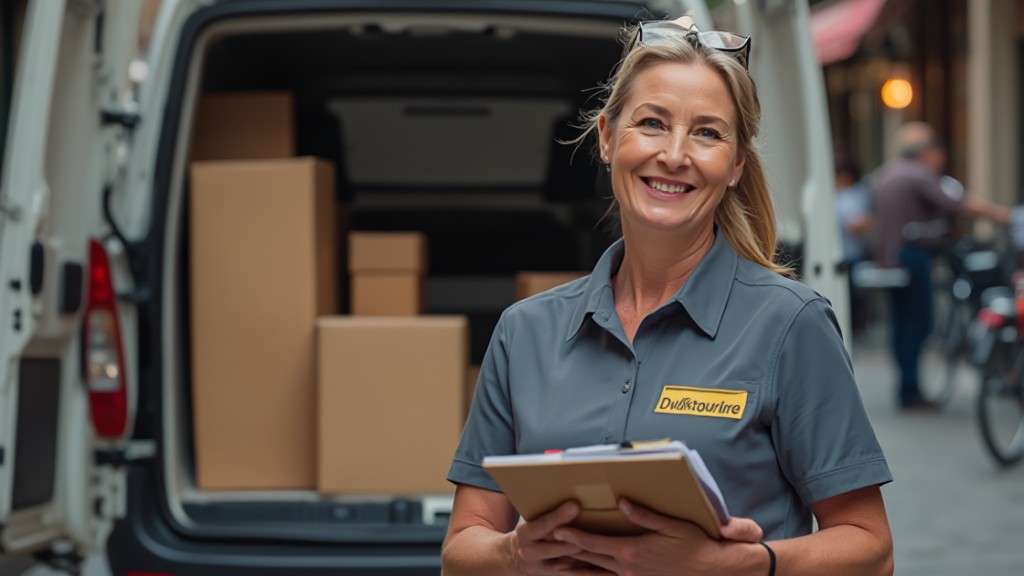
Starting a courier business can be a rewarding venture if you approach it with the right knowledge and planning. Understanding the costs involved will empower you to make informed decisions and set realistic financial goals.
By carefully evaluating your startup and ongoing expenses you can create a solid budget that aligns with your business model and growth ambitions. Remember to consider factors like the type of service you offer and your location as they can significantly affect your overall costs.
With the right preparation and a clear financial strategy you’ll be well on your way to establishing a successful courier business that meets the demands of today’s fast-paced delivery market.
Frequently Asked Questions

What are the main startup costs for a courier business?
Starting a courier business typically involves several key expenses, including vehicle acquisition (ranging from $10,000 to over $50,000), insurance (annual costs between $1,000 to $15,000), licenses (costing $500 to $2,000), and essential equipment. Marketing efforts, such as website setup and online advertising, are also crucial to attract customers.
How can I finance my courier business?
Financing options for a courier business include personal savings, which help avoid debt, as well as traditional bank loans, microloans, peer-to-peer lending, and attracting investors. Each choice has unique benefits, so evaluating your financial situation is important to determine the best fit.
What ongoing costs should I expect in a courier business?
Ongoing operating costs in a courier business typically include fuel, vehicle maintenance, employee wages, insurance renewals, office supplies, and ongoing marketing expenses. Managing these costs effectively is essential for sustainable growth and maintaining profitability.
How does location affect costs in a courier business?
Geographic location influences courier business costs through the cost of living, regulatory environment, market competition, and infrastructure quality. Understanding these factors can help entrepreneurs better control their budgets and adjust their financial plans accordingly.
What types of courier services can I offer?
Courier services vary widely, including same-day, standard, and specialized delivery services. Each type has different initial and ongoing costs, so understanding your target market and service offerings can help you tailor your business model for success.
Image via Google Gemini