
Key Takeaways
- Conduct Thorough Market Research: Understand local demand, analyze competitors, and identify your target customers to ensure your convenience store meets community needs.
- Create a Comprehensive Business Plan: Develop a detailed plan that outlines your store concept, financial projections, and marketing strategies to guide your business.
- Choose an Optimal Location: Select a site with high foot traffic and visibility to maximize customer access and convenience, while minimizing direct competition.
- Fulfill Legal Requirements: Obtain all necessary permits and licenses, and choose a suitable business structure to ensure compliance and protect your investment.
- Source Quality Inventory: Build solid relationships with reliable suppliers to stock a diverse range of essential and unique products, catering to customer preferences.
- Implement Effective Marketing Strategies: Utilize both digital and traditional marketing methods, including social media and promotions, to attract and retain customers in your community.
If you’ve ever dreamed of running your own business, opening a convenience store could be your ticket to success. These neighborhood hubs not only offer essential goods but also create a sense of community. With the right approach, you can tap into a steady stream of customers looking for convenience and variety.
How To Open A Convenience Store
Opening a convenience store involves several critical steps. Follow these guidelines to establish a successful small business.
- Conduct Market Research
Identify target customers. Analyze competitors. Understand local demands and preferences.
- Create a Business Plan
Outline store concept. Include financial projections. Develop marketing strategies and operational guidelines.
- Choose a Location
Select a high-traffic area. Assess visibility and accessibility. Ensure proximity to residential neighborhoods or workplaces.
- Legal Requirements
Obtain necessary permits and licenses. Register your small business. Comply with health and safety regulations.
- Secure Financing
Determine startup costs. Explore funding options including personal savings or business loans. Consider financial assistance programs designed for small businesses.
- Design Store Layout
Plan store flow. Optimize product placement for visibility. Ensure sufficient space for inventory and customer movement.
- Source Inventory
Build relationships with suppliers. Stock essential goods and popular products. Balance between convenience items and unique offerings.
- Hire Staff
Recruit reliable employees. Train staff on customer service and operations. Maintain a supportive work environment for efficiency.
- Implement Marketing Strategies
Utilize social media and local advertising. Offer promotions and loyalty programs. Engage with the community to build strong customer relationships.
- Monitor Operations
Track sales and expenses. Adjust inventory as needed. Evaluate customer feedback for continuous improvement.
Follow these steps carefully to successfully navigate the process of opening a convenience store, ensuring your small business meets the needs of your community.
Research And Planning

Research and planning form the foundation of successfully opening a convenience store. Focus on understanding your market, identifying your niche, and creating a solid business plan.
Understand The Market
Conduct thorough market research to grasp local consumer behaviors and demands. Analyze your competition to pinpoint strengths and weaknesses. Engage with potential customers through surveys or informal discussions to gain insights into their preferences. Aim for detailed data that highlights trends in the convenience store sector.
Identify Your Niche
Identify your niche by assessing gaps in the market. Consider specialized products or services that cater to specific customer needs, such as organic snacks or ready-to-eat meals. Evaluate local demographics to tailor your inventory appropriately. Stand out by offering unique items or enhanced shopping experiences that competitors may overlook.
Create A Business Plan
Draft a comprehensive business plan detailing your store concept, marketing strategies, and financial projections. Define your mission and vision statements to establish a clear direction. Include startup costs, revenue forecasts, and operational strategies in your financial section. Outline marketing techniques for reaching your target audience effectively. This plan serves as a roadmap for operation and growth, essential for any small business.
Legal Requirements
Opening a convenience store involves essential legal steps. Understanding and fulfilling these requirements paves the way for business success.
Choose A Business Structure
Select a business structure that aligns with your goals. Common options in the US include:
- Sole Proprietorship: Simple to set up with full control. Owners bear personal liability for business debts.
- Partnership: Involves sharing ownership and responsibilities. Partners are jointly accountable for debts.
- Limited Liability Company (LLC): Offers liability protection. Suitable for small businesses seeking flexibility.
- S Corporation: Provides tax benefits for businesses intending to expand. More formal requirements exist compared to LLCs.
Register Your Business
Register your business with the appropriate state authorities. This process ensures legal recognition. Follow these steps:
- Choose a unique business name that reflects your store’s identity.
- Complete the necessary registration forms specific to your business structure.
- Pay the required registration fees to finalize the process.
Obtain Necessary Licenses And Permits
Secure essential licenses and permits to operate legally. Common licenses include:
- Business License: Required for legal operation in your area.
- Sales Tax Permit: Necessary if your store sells taxable goods.
- Health Permit: Required if selling food items to ensure compliance with health regulations.
Verify local and state regulations as requirements vary.
Location Selection
Selecting the right location is crucial in the process of opening a convenience store. Several pivotal factors play a role in ensuring optimal visibility and accessibility for your small business.
Evaluate Potential Locations
Evaluate locations by considering visibility, accessibility, and proximity to customer demographics. Explore areas with high population density, such as downtown regions and near residential neighborhoods. Prioritize sites that allow easy entry and exit for customers to foster convenience and enhance foot traffic.
Analyze Foot Traffic And Competition
Analyze foot traffic by observing the number of pedestrians and vehicles in targeted locations during peak hours. Favor locations that demonstrate high foot traffic near residential areas or busy shopping districts. Assess competition by identifying the distance to nearby convenience stores and grocery stores. Selecting a location with limited direct competition leads to an increased market share for your store.
Negotiate A Lease Agreement
Negotiate lease agreements with a focus on terms that benefit your business’s budget and operational needs. Choose flexible lease lengths with favorable monthly rates. Ensure the agreement permits sign visibility and necessary modifications to the space. Review escalation clauses and renegotiation options to safeguard your investment as your small business grows.
Setting Up The Store
Setting up your convenience store effectively requires attention to layout design, shelving arrangement, and inventory sourcing. Each aspect plays a significant role in overall customer experience and operational efficiency.
Design The Layout
Design a customer-friendly layout to facilitate easy navigation. Opt for an open floor plan that encourages exploration while defining specific zones for categories such as snacks, beverages, and household essentials. Create clear pathways that guide customers from entry to checkout. Ensure proper lighting highlights product areas and enhances visibility. Use signage to clearly designate sections and promote sales items.
Arrange Shelving And Displays
Arrange shelving and displays to maximize space and improve product visibility. Position high-demand items at eye level to attract attention, while placing less popular products on higher or lower shelves. Create appealing displays at strategic points throughout the store, such as near entrances or checkout areas. Utilize end caps for promotional items to encourage impulse buys. Maintain regular restocking to keep displays appealing and products available.
Source Inventory
Source inventory from reliable suppliers to ensure product quality and consistency. Establish relationships with multiple wholesalers to offer a variety of products at competitive prices. Choose suppliers that specialize in convenience store essentials, such as snacks, beverages, and toiletries. Monitor inventory levels frequently to adjust orders based on sales trends and seasonal demands. Implement an inventory management system to track stock and streamline reordering processes.
Hiring Employees

Hiring the right employees significantly impacts the success of your small business. Focus on building a team that aligns with your convenience store’s goals.
Determine Staffing Needs
Assess operational requirements to identify the number of employees needed. Consider positions such as cashiers, stock clerks, and customer service representatives. Ensure you account for peak hours to maintain optimal staffing levels. Analyze workload and customer flow to determine full-time or part-time positions based on your store’s anticipated growth.
Create Job Descriptions
Develop clear and concise job descriptions for each role. Specify responsibilities such as operating cash registers, restocking shelves, and maintaining store cleanliness. Include required qualifications like customer service experience and basic math skills. Clarify expectations regarding availability and work hours, ensuring potential employees understand the demands of the position.
Conduct Interviews and Training
Implement a structured interview process to evaluate candidates effectively. Ask relevant questions that assess customer service skills, teamwork, and problem-solving abilities. Once hired, provide comprehensive training to familiarize employees with store policies, operational procedures, and customer interaction protocols. Encourage a positive work environment where employees feel valued and motivated to deliver excellent service.
Marketing Your Convenience Store
Effective marketing strategies attract and retain customers for your convenience store. Utilize a mix of offline and digital methods to maximize reach.
Develop A Marketing Strategy
Craft a robust marketing strategy to build awareness and drive foot traffic. Focus on offline marketing tactics such as:
- Local advertising targeting the immediate community.
- In-store promotions aimed at enhancing the shopping experience.
- Partnerships with nearby businesses or gas stations for expanded reach.
- Sponsoring local teams or events to strengthen community ties.
Incorporate digital marketing techniques including:
- A user-friendly website along with an online ordering system accommodating online customers.
- Targeted online advertising designed to reach a broader audience.
- Email marketing campaigns designed to engage customers effectively through regular updates and offers.
Utilize Social Media
Leverage social media platforms to promote your convenience store. Create engaging content that highlights your store’s unique offerings and customer experiences. Focus on:
- Posting regular updates about products, services, and promotions to keep your audience informed.
- Interacting with customers through comments and messages to foster a sense of community.
- Utilizing geo-targeted ads to reach potential customers in your vicinity effectively.
Engagement on social media translates to increased foot traffic and broader brand exposure.
Offer Promotions And Loyalty Programs
Implement promotions and loyalty programs to incentivize repeat business. Examples include:
- Limited-time discounts on popular items or services.
- Buy one, get one offers that encourage additional purchases.
- A loyalty program rewarding customers with points redeemable for future discounts or free products.
These strategies enhance customer satisfaction and cultivate robust relationships, significantly impacting your small business’s growth and longevity.
Operations Management

Efficient operations management promotes profitability and customer satisfaction in a convenience store. Focus on key areas including inventory management, payment processing, and customer service policies.
Implement Inventory Management Systems
Implement inventory management systems to track stock levels accurately. Use software solutions tailored for small businesses that provide real-time updates on inventory status. Automate reordering processes based on predefined thresholds to prevent stockouts and overstocking. Analyze sales data consistently to identify popular products, ensuring that your inventory aligns with customer preferences. For example, utilize barcoding systems to streamline the checkout process and enhance accuracy in inventory counts.
Set Up Payment Processing
Set up robust payment processing systems to facilitate seamless transactions. Choose a reliable Point of Sale (POS) system that accepts various payment methods including cash, credit cards, and mobile payments. Ensure the POS system integrates with your inventory management to sync sales and stock data automatically. Opt for secure payment gateways that offer strong encryption to protect customer information. Evaluate transaction fees and customer support options when selecting a payment processing provider.
Establish Customer Service Policies
Establish clear customer service policies to create a consistent shopping experience. Develop guidelines covering customer interactions, handling complaints, and return processes. Train staff on these policies to ensure they understand expectations and can address customer inquiries confidently. Encourage employee empowerment by allowing them to make decisions within set boundaries, fostering a positive customer-focused environment. Regularly review and update these policies based on customer feedback and operational improvements to enhance service quality.
Troubleshooting Common Issues

Dealing With Inventory Shortages
Addressing inventory shortages requires proactive management. Implement an inventory management system that tracks stock levels and triggers automatic reordering when stock dips below a predetermined threshold. Review sales data regularly to identify trends and adjust ordering patterns accordingly. Communicate with suppliers to ensure prompt restocking and negotiate favorable terms for quicker deliveries. Consider diversifying suppliers to reduce reliance on a single source, which enhances resilience to potential supply chain disruptions.
Managing Employee Turnover
Fostering a stable workforce is critical in a small business. Create an engaging work environment that emphasizes employee satisfaction through transparent communication and opportunities for growth. Offer competitive compensation and benefits that align with industry standards to attract qualified candidates. Conduct regular feedback sessions to identify employee concerns and adjust policies as necessary. Develop comprehensive training programs that empower new hires and increase retention by promoting a sense of belonging within the team.
Handling Customer Complaints
Effectively managing customer complaints enhances customer loyalty. Train employees on active listening skills to understand customer concerns fully and respond appropriately. Establish a clear complaint resolution process that empowers staff to offer immediate solutions. Follow up with dissatisfied customers to demonstrate commitment to their satisfaction and gather insights for improvement. Analyze complaint patterns to identify recurring issues and implement necessary changes to prevent future occurrences.
Conclusion
Opening a convenience store can be a rewarding venture that not only serves your community but also allows you to build lasting relationships with customers. By following the essential steps outlined in this guide you can set yourself up for success.
Focus on thorough research and planning to understand the market and your target audience. A well-structured business plan will be your roadmap as you navigate the challenges of entrepreneurship.
Remember that location is key and creating an inviting store atmosphere will keep customers coming back. With the right strategies in place you can turn your convenience store into a thriving business that meets the needs of your community.
Frequently Asked Questions
What are the key benefits of opening a convenience store?
Opening a convenience store allows entrepreneurs to provide essential goods to their community while fostering local connections. This business model not only meets consumer needs but also creates a welcoming space for residents to gather and engage.
How important is market research before starting a convenience store?
Market research is critical as it helps identify target customers, analyze competitors, and understand local demands. This information guides decisions on inventory, pricing, and marketing strategies, increasing the likelihood of success.
What should be included in a business plan for a convenience store?
A comprehensive business plan should outline the store concept, financial projections, marketing strategies, and operational plans. It serves as a roadmap for launching and managing the store effectively.
How do I choose the right location for my convenience store?
Select a high-traffic location with good visibility and accessibility. Evaluate factors like population density, foot traffic, and proximity to target demographics to ensure your store attracts sufficient customers.
What legal requirements do I need to consider?
You must choose an appropriate business structure, register the business with state authorities, and obtain necessary licenses and permits, including a business license, sales tax permit, and health permit.
How should I design the layout of my convenience store?
Create a customer-friendly layout with clear pathways and defined zones for product categories. Use adequate lighting and signage to enhance visibility and encourage customer interaction and impulse purchases.
What are some effective marketing strategies for convenience stores?
Utilize a mix of local advertising, in-store promotions, and digital marketing techniques like social media engagement, a user-friendly website, and email campaigns to attract and retain customers.
How can I manage store operations effectively?
Implement inventory management systems to track stock levels and automate reordering processes. Use reliable Point of Sale (POS) systems for payment processing and establish clear customer service policies.
What should I do to address common issues in running a convenience store?
Proactively manage inventory shortages by tracking stock levels and diversifying suppliers. Improve employee retention by offering competitive compensation and fostering a positive work environment.
How can I handle customer complaints effectively?
Train staff in active listening and establish a clear resolution process. Follow up with customers to ensure their concerns are addressed, which can improve both customer satisfaction and loyalty.
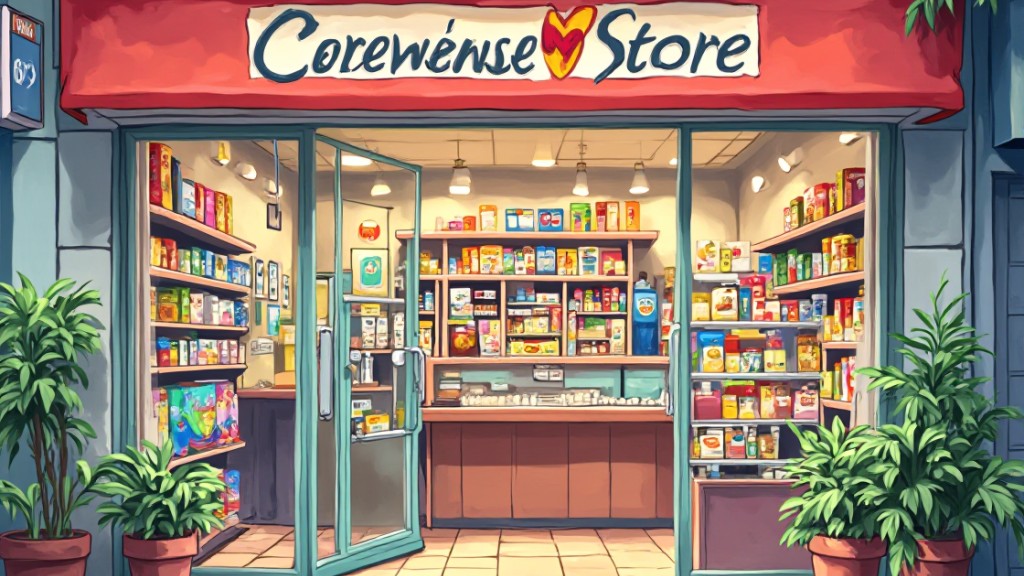
Image via Google Gemini