
Key Takeaways

- Understanding the Market: Conduct thorough market research to identify trends, competitors, and customer preferences, which is essential for attracting loyal patrons.
- Define Your Concept: Determine the type of bar you want to open, tailoring your concept to the local community’s preferences to enhance engagement and patronage.
- Choosing the Right Location: Select a location with high visibility, accessibility, and a suitable demographic match to maximize customer traffic and business potential.
- Menu Development: Create a diverse drink and food menu that caters to your target audience, incorporating specialty cocktails and local ingredients to keep offerings fresh.
- Effective Marketing: Develop a strong brand identity and utilize targeted advertising on social media to attract customers, ensuring consistency across all platforms.
- Financial Management: Establish a detailed budget, secure appropriate funding, and implement a strategic pricing model to ensure profitability and sustainability of your bar business.
Thinking about starting a bar business? You’re not alone. The nightlife industry offers exciting opportunities for entrepreneurs ready to mix creativity with strategy. Whether you dream of a cozy pub or a vibrant cocktail lounge, getting it right from the start is crucial for success.
Before you pour your first drink, there are essential steps to consider. From crafting a solid business plan to navigating local regulations, every detail matters. With the right approach and a passion for hospitality, you can create a space that draws in customers and keeps them coming back for more. Let’s dive into the key steps you’ll need to take to turn your bar dreams into reality.
Understanding the Bar Industry

Understanding the bar industry is crucial for a successful startup. Knowing the market dynamics and your target customers enhances your chances of attracting and retaining a loyal patron base.
Market Research
Conduct comprehensive market research to identify trends in the bar industry. Analyze local competitors to determine their strengths, weaknesses, and unique selling points. Assess popular themes and concepts within bars, such as craft cocktails or themed nights. Utilize surveys and focus groups to gather insights about potential customer preferences. Familiarize yourself with current regulations, as compliance is essential for small businesses, especially in the hospitality sector.
Target Audience
Define your target audience clearly to tailor your bar’s offerings. Consider demographics like age, income level, and lifestyle when identifying patrons. Young professionals might prefer trendy venues, while families might seek casual dining settings. Understanding customer preferences helps you create a welcoming environment. Customize your marketing strategies to meet the specific needs and desires of your audience, ensuring long-term success in your bar venture.
Planning Your Bar Business

Planning a bar business involves several key steps that lay the groundwork for a successful startup. Focus on understanding your bar’s concept, location, and legal requirements to ensure a smooth launch.
Determine the Bar Type and Concept
Decide on the type of bar to open, such as a sports bar, cocktail bar, or themed bar. Your choice defines your target audience, menu options, and overall atmosphere. Tailoring the concept to meet your community’s preferences increases engagement and potential patronage.
Choose a Location
Select a location that offers accessibility and visibility while complying with local zoning laws. Evaluate factors such as foot traffic, nearby competition, and local demographics to identify the ideal spot. The right location significantly impacts your bar’s success, as it attracts customers who fit your target market profile.
Market Research
Conduct thorough market research to analyze local competitors, customer preferences, and current industry trends. Understanding these elements helps you identify unique opportunities and differentiate your bar. Utilize insights from this research to inform decisions about your menu, pricing, and marketing strategies.
Design Your Bar Layout and Menu
Plan the bar layout for efficient operations and a welcoming atmosphere. Consider customer flow, seating arrangements, and service areas. An effective menu complements your bar concept and addresses customer tastes, enhancing overall satisfaction.
Creating a Business Plan
Outline your business plan, detailing operations, projections, marketing strategies, and financial planning. Incorporate well-researched data and analysis to showcase your understanding of the market. Ensure it addresses startup costs, funding sources, and anticipated revenues, which are vital for securing financing and guiding day-to-day operations.
Legal Requirements
Fulfill all necessary legal requirements to start your bar business. Acquire the appropriate licenses and permits for serving alcohol, food safety, and local regulations. Familiarize yourself with compliance guidelines in your area to avoid penalties and maintain a reputable business. Meeting these legal standards is crucial for building trust in your brand and ensuring long-term viability.
Choosing a Location

Choosing the right location plays a significant role in your bar’s success. Carefully consider several factors to ensure your startup attracts customers and generates profits.
Factors to Consider
- Demographics: Select a location that matches your target market’s demographics. Focus on areas with a high daytime population, such as those near offices, universities, or tourist attractions. These locations can enhance lunchtime and happy hour traffic.
- Foot Traffic: Identify high foot traffic areas to boost visibility for your bar. Busy downtown districts or spots near popular venues offer better chances of attracting walk-in customers.
- Competition: Evaluate the competition in your preferred area. Ensure demand exists for another bar by analyzing nearby establishments. Understanding competitors helps you differentiate your offerings to stand out in the market.
- Accessibility: Prioritize accessibility to your location. Ensure it’s easy to reach by car, public transportation, or on foot. Ample parking and proximity to public transport add significant advantages for potential patrons.
Real Estate Options
- Renting vs Buying: Decide whether to rent or buy a property based on your startup budget and long-term goals. Renting offers flexibility, while purchasing may provide stability and potential equity growth.
- Negotiating Leases: Negotiate lease terms that favor your business. Secure favorable rent rates and consider clauses that allow for adjustments based on business performance or expansion needs.
- Commercial Spaces: Focus on commercial spaces designed for food and beverage service. These spaces often come equipped with necessary infrastructure, saving you time and money during setup.
- Location Analysis: Conduct a thorough analysis of potential real estate options. Assess the surrounding environment, existing businesses, and community engagement to gauge the suitability of each option for your bar’s concept.
Designing Your Bar

Designing your bar involves thoughtful planning in layout, ambiance, and equipment. These aspects significantly impact customer experience and operational efficiency.
Layout and Ambiance
Layout and ambiance play vital roles in the overall feel of your bar. Start by determining an efficient layout that encourages customer flow and facilitates service. Consider these elements:
- Seating Arrangements: Choose tables and chairs that accommodate different group sizes, including intimate booths and larger tables for gatherings.
- Bar Counter Design: Design a bar counter that prioritizes visibility and accessibility. A well-positioned counter enhances interaction with customers.
- Lighting: Use varied lighting to create specific moods. Dim lighting suits lounges, while brighter lights work for vibrant neighborhoods.
- Decor: Incorporate decor that aligns with your concept, whether rustic, modern, or themed. This creates a unique brand experience.
- Sound Control: Implement sound-absorbing materials to manage noise levels. This ensures conversations remain comfortable for patrons.
Equipment and Supplies
Equipping your bar with the right tools is essential for smooth operations. Prioritize quality and functionality in your equipment and supplies. Focus on these items:
- Bar Equipment: Acquire essential tools like blenders, ice machines, and kegerators. These support drink preparation and service.
- Glassware: Stock a variety of glassware suitable for your menu, including pint glasses, wine glasses, and cocktail glasses. This enhances the drinking experience.
- POS System: Invest in a user-friendly POS system that tracks sales and inventory efficiently. This allows for streamlined transactions.
- Inventory Supplies: Regularly stock essential ingredients, drink mixes, and garnishes. Stay updated with local suppliers to ensure availability of fresh items.
- Cleaning Supplies: Maintain cleanliness with appropriate cleaning tools and supplies. This promotes hygiene and a welcoming environment.
By thoughtfully addressing layout, ambiance, and equipment, you create a conducive space for patron enjoyment and efficient business operations.
Building a Menu

Building a menu is crucial for the success of your bar business. A well-constructed menu attracts customers and drives sales. Consider these essential components to develop a compelling menu.
Drink Selection
Select a variety of drinks that cater to your target audience. Include options like:
- Wines: Offer a selection of red, white, and sparkling wines, differentiating between by-the-bottle and by-the-glass choices.
- Beers: Feature local craft beers alongside popular imports. Highlight these options with seasonal selections.
- Absolut: Stock premium and well-known brands of spirits, including vodka, gin, rum, whiskey, and liqueurs. Ensure a good mix to create unique cocktails.
- Specialty Cocktails: Create signature cocktails that reflect your bar’s theme, incorporating locally sourced ingredients when possible.
Curate your drink menu to engage customers. Craft seasonal specials and rotating selections to keep offerings fresh.
Food Offerings
Include food items that complement your drink selection and enhance the customer experience. Options may include:
- Snacks: Present a range of bar snacks like nuts, pretzels, and popcorn to enhance the drinking experience.
- Appetizers: Offer shareable plates such as sliders, wings, and cheese boards, catering to patrons looking for light dining.
- Entrees: Consider small entrée options like pizzas or tacos that appeal to a variety of tastes.
- Late-Night Specials: Develop late-night food offerings to attract a crowd during off-peak hours.
Keep offerings concise yet diverse. Explore potential partnerships with local vendors for unique food options, enhancing your bar’s community engagement.
These strategies will help establish a successful menu, drawing in customers for your small business while making it an attractive spot in your local market.
Marketing Your Bar

Effective marketing is essential for your bar’s success. Implementing strong branding and promotion strategies enhances visibility and attracts customers.
Branding Strategies
Create a unique brand identity that resonates with your target audience. Design a memorable logo and consistent theme that reflects your bar’s ambiance and offerings. Define your bar’s voice and messaging to engage customers across platforms. Use social media channels like Facebook and Instagram to showcase your brand and connect with patrons. Share high-quality images of your drinks and events, and encourage user-generated content by engaging with customers directly. Ensure your online presence aligns with your brand identity, keeping all platforms cohesive.Promotion Techniques
Utilize targeted advertising to reach specific audiences. Create hyper-targeted ads through social media platforms, focusing on demographics, interests, and location. For instance, target individuals aged 23 to 35 living near your bar who are interested in wine. Foster a regular customer base through email campaigns, offering exclusive promotions or event invitations. Collaborate with local influencers to increase visibility. Ensure your bar’s menu and other essential information are easily accessible online through platforms like TripAdvisor, Yelp, and OpenTable, driving more traffic to your establishment.Financial Management

Financial management is crucial for any bar startup, encompassing budgeting, funding, and pricing strategies that drive success.
Budgeting and Funding
A thorough budget helps you manage your bar’s finances effectively. Start with a detailed projection of initial investment costs and ongoing operational expenses. Initial costs typically include real estate acquisition, renovations, bar equipment, furniture, technology infrastructure, marketing initiatives, insurance coverage, legal compliance, and training expenses. For example, renovation costs can range from $10,000 to $100,000, depending on the space’s condition and size.
Ongoing operational expenses consist of monthly rent, utilities, payroll, inventory restocking, and insurance. It’s important to calculate your fixed costs, which remain constant, against variable costs that fluctuate with sales. Secure funding through personal savings, loans, or investors by presenting your business plan and financial projections. Funding options such as small business loans or crowdfunding can provide the necessary capital to launch your bar successfully.
Pricing Strategy
A solid pricing strategy influences both profitability and customer satisfaction. Start by calculating your cost of goods sold (COGS), which includes the expenses incurred to produce your drinks and food. Set prices that cover COGS while remaining competitive within the local market.
Consider employing a keystone pricing strategy, which involves marking up the wholesale price by 100%. For example, if a cocktail’s ingredients cost $4, pricing it at $8 enables you to generate a healthy profit margin. Additionally, analyze local competitors’ pricing to ensure your offerings remain attractive without undervaluing your product.
Implement special promotions, happy hour discounts, or loyalty programs to incentivize repeat business. Adjust prices periodically based on sales data and customer feedback to optimize your menu for profit and appeal.
Conclusion
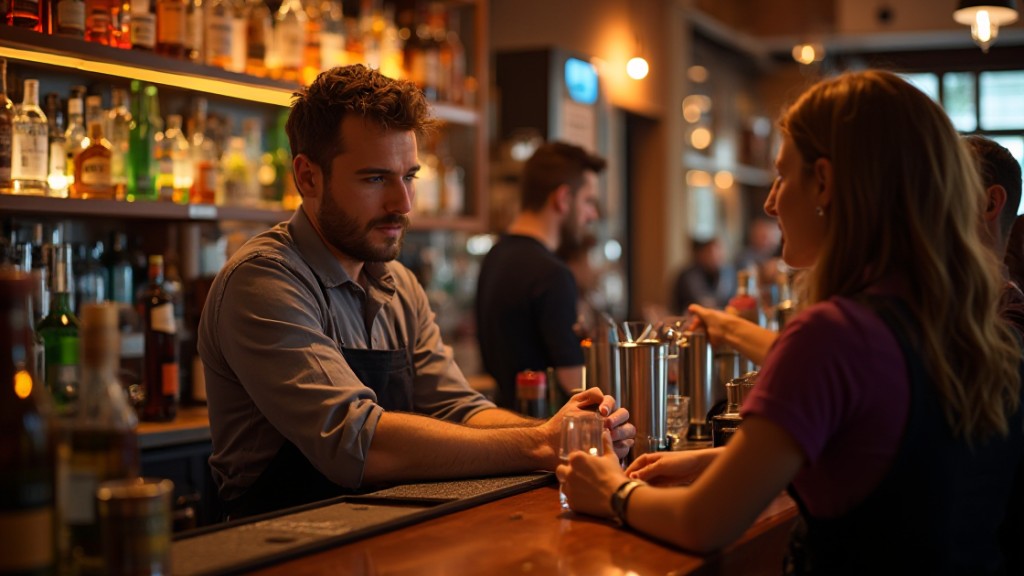
Starting a bar business is an exciting journey that requires careful thought and planning. By understanding your market and defining your target audience you can create a space that resonates with your customers.
Focusing on location design and menu development will set you apart from the competition. Embrace effective marketing strategies to build your brand and engage with your community.
With diligent financial management and a commitment to quality you can turn your vision into a thriving establishment. Your hard work and passion can lead to a successful bar that becomes a beloved part of the nightlife scene.
Frequently Asked Questions
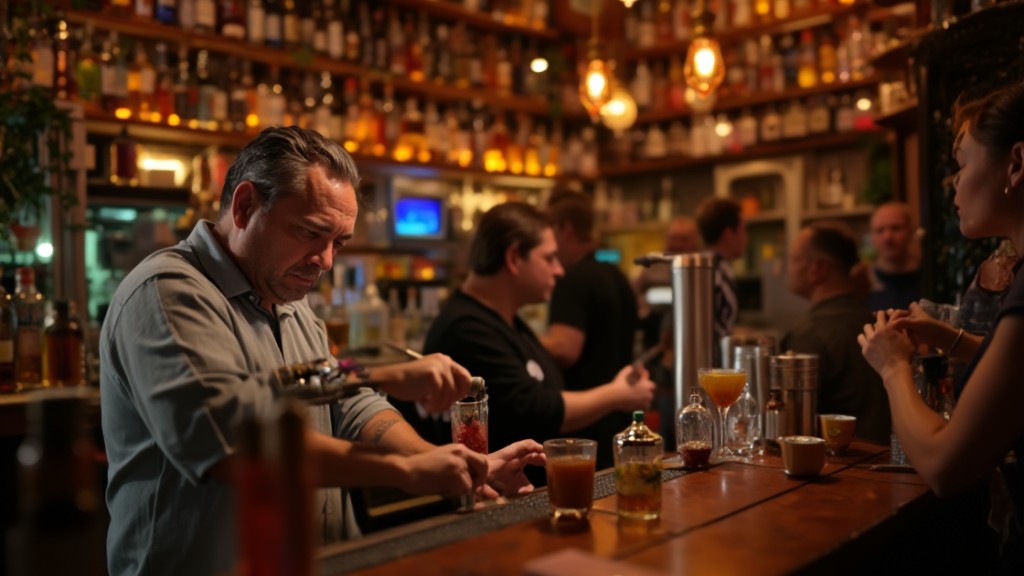
What should I consider before starting a bar business?
Before starting a bar, consider your target market, location, and concept. Conduct thorough market research to understand local competition and customer preferences. Create a solid business plan detailing your budget, offerings, and marketing strategies while ensuring compliance with local regulations and zoning laws.
How do I choose the right location for my bar?
Select a location with high foot traffic that aligns with your target audience’s demographics. Evaluate the competition and accessibility to ensure there’s demand for your bar concept. Consider lease terms and the overall affordability of the real estate options available.
What are the key elements of a successful bar design?
Successful bar design incorporates an efficient layout that facilitates customer flow, comfortable seating arrangements, and attractive decor. Focus on lighting and sound control for ambiance. Additionally, ensure your bar is equipped with quality tools, glassware, and a user-friendly POS system.
How important is the bar menu?
A compelling bar menu is vital for attracting and retaining customers. Offer a diverse selection of drinks and food that complements your theme. Include signature cocktails and local craft beers to create a unique experience that caters to your target audience’s preferences.
What marketing strategies should I use for my bar?
To effectively market your bar, develop a strong brand identity through a memorable logo and consistent branding. Utilize social media to engage with customers, showcase your offerings, and run targeted ads. Email campaigns and collaborations with local influencers can also drive traffic and build a loyal customer base.
How can I manage finances for my bar business?
Effective financial management starts with a detailed budget covering startup costs and ongoing expenses. Explore funding options such as loans, personal savings, or crowdfunding. Implement a solid pricing strategy to ensure profitability while staying competitive in the market. Regularly track expenses to maintain financial health.
What legal requirements are needed to start a bar?
Starting a bar typically requires obtaining various licenses and permits, including a liquor license, health department permits, and business registration. Research local laws and regulations to ensure compliance and avoid penalties. Consulting with a legal expert can provide valuable guidance during this process.
Image via Google Gemini