Key Takeaways
- Conduct Thorough Market Research: Understand your target audience and current fashion trends to tailor your clothing line effectively. Use surveys and competitor analysis for valuable insights.
- Create a Detailed Business Plan: Outline your vision, mission, and financial projections to establish a solid foundation for your clothing business. Utilize the SMART criteria for goal-setting.
- Define Your Niche: Selecting a specific clothing niche enables you to stand out in the market and cater more effectively to your audience’s needs.
- Source Quality Materials: Find trustworthy suppliers that provide high-quality fabrics and materials, and choose a production method that aligns with your business goals.
- Build a Strong Online Presence: Establish a professional website and engage audiences through social media platforms. Optimize your content for SEO to enhance visibility.
- Implement Effective Marketing Strategies: Use targeted campaigns, influencer collaborations, and promotional events to generate buzz and attract customers to your clothing line.
Starting a clothing business can be an exciting journey filled with creativity and potential. Whether you’re passionate about fashion or have a unique idea that needs to be brought to life, the world of apparel offers endless opportunities. It’s not just about designing clothes; it’s about building a brand that resonates with your target audience.
You’ll need to navigate various aspects, from market research to sourcing materials and marketing your products. With the right strategies and a clear vision, you can turn your dream into a thriving reality. Let’s dive into the essential steps to help you launch your clothing business successfully.
How To Start A Clothing Business

Starting a clothing business requires several strategic steps. These steps help you develop a strong foundation for your venture.
- Conduct Market Research
Identify your target market. Analyze current trends and understand consumer preferences. Use surveys and competitor analysis to gather valuable insights.
- Create a Business Plan
Draft a detailed business plan outlining your vision, mission, and goals. Include financial projections and strategic marketing plans. A well-structured plan guides your decision-making process.
- Choose a Niche
Define your clothing niche. Whether it’s activewear, streetwear, or sustainable fashion, a clear niche differentiates your brand in a crowded market.
- Source Materials and Suppliers
Find reliable suppliers for fabrics and materials. Evaluate suppliers based on quality, cost, and reliability. Establish partnerships to ensure a steady supply chain.
- Design Your Collection
Develop unique designs that reflect your brand identity. Focus on originality and functionality. Create prototypes to test designs before mass production.
- Plan Your Pricing Strategy
Set competitive prices that cover costs while appealing to customers. Consider production expenses and target profit margins when determining prices.
- Build an Online Presence
Create a professional website and set up social media accounts. Use these platforms to showcase your products and engage with your audience. Implement SEO strategies to improve online visibility.
- Launch Marketing Campaigns
Develop comprehensive marketing campaigns to generate buzz around your brand. Utilize social media influencers, email marketing, and paid ads to reach potential customers.
- Establish Sales Channels
Choose sales channels that align with your target audience. Options include an e-commerce website, retail stores, or local markets. Diversifying sales channels increases reach.
- Track and Adjust Your Strategy
Monitor sales performance and customer feedback. Use data analytics to identify areas for improvement. Adjust strategies as needed to enhance business growth.
These steps provide a clear roadmap for launching a small clothing business. Prioritize each step to build a successful and sustainable venture.
Step 1: Conceptualizing Your Clothing Line
Conceptualizing your clothing line involves identifying your niche, researching your target market, and developing your brand identity.
Identify Your Niche
Pinpointing your niche forms the foundation of your clothing business. Identify specific apparel categories such as:
- Athleisure
- Women’s Formalwear
- Men’s Formalwear
- Women’s Casualwear
- Men’s Casualwear
- Swimwear
- Sleepwear
- Intimates
Choosing a niche helps you focus your designs and marketing efforts on a defined audience. Tailor products to meet their needs and preferences.
Research Your Target Market
Conduct thorough market research to gain insights into your target market. Gather data on demographics including age, gender, and lifestyle. Analyze trends and consumer behaviors to understand their buying preferences. Utilize tools such as surveys and focus groups to collect relevant feedback. This knowledge enables you to align your clothing line with the interests of your intended audience.
Develop Your Brand Identity
Establishing a distinct brand identity strengthens your connection with customers. Define your brand’s mission and vision. Choose a unique name and logo that reflect your clothing line’s style and ethos. Determine your brand voice and messaging to create cohesive content across marketing channels. Consistently portray your identity through design, packaging, and customer interaction, building a loyal customer base in the competitive clothing market.
Step 2: Creating A Business Plan

Creating a comprehensive business plan sets a solid foundation for your clothing venture. This plan outlines your strategies for success, ensuring clarity in your business model, goals, and financial management.
Outline Your Business Model
Decide on the type of clothing business you want to operate. Here are common models to consider:
- Hand Production: Create and sell your designs directly to customers through your website or pop-up events.
- Manufacturing Partner: Collaborate with a manufacturer to produce your clothing line and sell it wholesale to retailers.
- Print on Demand: Utilize a print-on-demand service to design patterns or graphics for blank clothing items, selling those online through your store.
Define Your Goals and Objectives
Establish clear and measurable goals and objectives. Use the SMART criteria—Specific, Measurable, Achievable, Relevant, Time-bound. For example:
- Increase Sales: Aim for a 20% increase in online sales within the first year.
- Market Presence: Achieve a 15% growth in social media followers each quarter.
- Customer Satisfaction: Reach a 90% positive feedback rating by the end of the second year.
Financial Planning and Budgeting
Develop a detailed financial plan and budget. Break down your initial costs, such as materials, production, and marketing. Consider these elements:
- Startup Costs: Include expenses for equipment, website development, and permits.
- Operational Costs: Account for ongoing expenses like inventory, shipping, and utilities.
- Revenue Projections: Estimate monthly sales based on market research and pricing strategies.
Utilizing these steps in financial planning helps ensure your small business remains sustainable and profitable.
Step 3: Sourcing Materials and Manufacturing
Sourcing materials and manufacturing represent crucial steps in establishing your clothing business. Efficient processes lead to high-quality products that resonate with your target customers.
Find Reliable Suppliers
Finding reliable suppliers occurs through systematic research. Identify reputable sources including textile mills, fabric converters, or online marketplaces. Utilize platforms such as Alibaba, Fibre2Fashion, and specialized fabric sourcing directories to gather options. Assess supplier credibility through customer reviews and previous case studies. Compile a shortlist of suppliers to streamline your sourcing process.
Choose Your Production Method
Choosing your production method defines the scalability and quality control of your clothing line. Consider options such as hand production, partnering with a manufacturer, or utilizing print-on-demand services. Evaluate the costs and potential output for each method. Align your choice with your business model and budget while ensuring it supports your brand vision and quality standards.
Quality Control Considerations
Quality control plays a vital role in maintaining standards throughout production. Order fabric samples from chosen suppliers to evaluate factors like durability and colorfastness. Set up performance tests for critical metrics that align with your design vision. Implement a rigorous inspection process before finalizing any batch of products to ensure that offerings meet your quality expectations. Establish clear criteria for assessing quality during production runs to mitigate issues before reaching consumers.
Step 4: Designing Your Collection
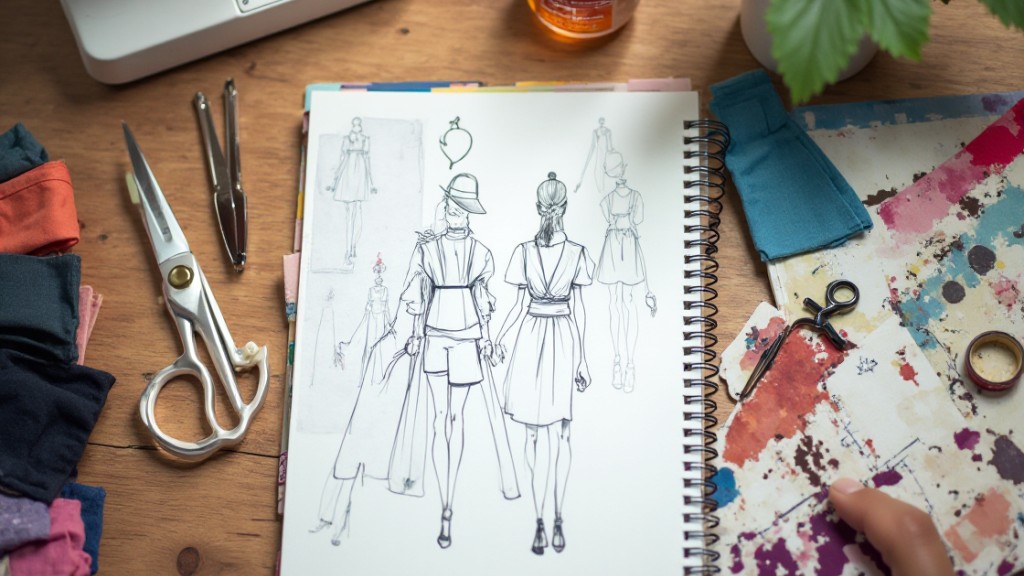
Designing your collection involves several structured steps, essential for establishing a compelling clothing line. Focus on understanding the market and aligning your creativity with practical design elements.
Crafting Your Designs
Gather inspiration from a variety of sources. Analyze catwalk trends and street styles or explore prominent brands and fashion capitals. Consider using trend forecasts from respected forecasters such as Lidewij Edelkoort, Pantone, and WGSN. Determine the overall aesthetic and themes for your collection. Align your designs with your brand identity and unique selling proposition. A clear and distinctive style enhances brand differentiation in a competitive small business landscape.
Selecting Fabrics and Colors
Choose fabrics that resonate with your design vision and cater to your target market. Assess durability, comfort, and production costs when selecting textiles. Incorporate a color palette that complements your designs and reflects current market trends. Use color psychology to influence consumer perception; for example, blue evokes trust while red incites excitement. A well-considered fabric and color selection sets the tone for quality and appeal.
Creating Prototypes
Develop prototypes to visualize your designs in real-world applications. Utilize patterns and sizing that accurately reflect your target audience. Prioritize fit and function by creating several prototypes for testing. Collect feedback during fitting sessions to refine your designs further. Ensure prototypes align with your vision before moving into production.
Step 5: Setting Up Your Business Structure
Setting up a strong business structure is crucial for your clothing line. This structure influences legal, financial, and operational aspects of your small business.
Registering Your Business
Registering your business establishes its legitimacy and allows for legal protections. Choose the appropriate business entity, which may include sole proprietorship, general partnership, or limited liability company (LLC). Sole proprietorship requires minimal legal steps for setup, while LLC provides liability protection. Register with local, state, and federal authorities to ensure compliance and obtain necessary identification numbers.
Obtaining Necessary Licenses and Permits
Obtaining the right licenses and permits ensures compliance with industry regulations. Generally, you may need a business license, a sales tax permit, and specific permits related to employment or health standards. Research local requirements to identify what is necessary for your small business. Failing to secure these documents can result in fines or halted operations.
Choosing a Business Name
Choosing a business name requires careful consideration. Select a name that reflects your brand’s identity and resonates with your target market. Ensure the name is unique by conducting a thorough search through state registries and federal trademark databases. A well-chosen name enhances brand recognition and can contribute to marketing success.
Step 6: Building An Online Presence
Building a strong online presence significantly enhances your clothing business’s visibility and customer engagement.
Setting Up A Website
Create a professional website that serves as the digital home for your clothing brand. Include high-quality product photos and videos that showcase your designs. Ensure the website is easy to navigate, with clear sections for browsing collections, learning about your brand story, and a secure checkout process. Optimize your website for mobile devices, as over 50% of online shoppers use phones or tablets. Utilize search engine optimization (SEO) by incorporating relevant keywords into product descriptions to improve search visibility.
Utilizing Social Media Platforms
Choose social media platforms where your target audience is most active. For fashion brands, Instagram, Facebook, TikTok, and Pinterest often prove highly effective. Create visually appealing posts that reflect your brand identity while promoting new products and collections. Engage followers with authentic content, behind-the-scenes insights, and user-generated content to foster community. Regularly analyze performance metrics and adjust your strategy based on audience feedback to optimize interaction and reach.
Creating Content for Your Brand
Develop high-quality, engaging content that resonates with your audience and aligns with your brand vision. Consider starting a blog that covers fashion trends, styling tips, and brand stories to attract and retain customers. Incorporate videos showcasing your design process to build transparency and connection with your audience. Use consistent branding across all content to strengthen your brand identity and reinforce your message. Leverage email marketing to keep your audience informed about launches, promotions, and updates, driving repeat engagement with your small business.
Step 7: Marketing Your Clothing Line
Effective marketing strategies play a crucial role in achieving business success. Focus on targeted methods that resonate with your audience and amplify brand awareness.
Developing A Marketing Strategy
Conduct comprehensive market research to understand your target audience. Use demographic and psychographic analysis to identify buyer motivations and current fashion trends. Tailor your marketing strategy to position the brand effectively. Create clear, consistent messaging across various platforms to establish brand identity. Allocate resources wisely for advertising campaigns, focusing on high-traffic channels such as social media and email. Evaluate performance metrics regularly to refine strategies and adapt to market changes.
Collaborating With Influencers
Engage with relevant influencers in the fashion industry to enhance brand visibility. Identify influencers whose values align with your brand mission and demographics. Collaborate on product launches and promotional campaigns to reach a broader audience. Utilize authentic content that showcases your clothing line through influencer channels. Track engagement and audience reach from these collaborations to assess their impact on brand awareness and sales.
Running Promotions and Events
Implement strategic promotions to generate excitement and engage your audience. Offer limited-time discounts or exclusive merchandise to entice purchases. Consider hosting events such as pop-up shops or fashion shows to showcase your collection, providing customers with firsthand experiences. Leverage local partnerships to enhance event visibility. Measure success through sales data and customer feedback to refine future promotional strategies.
Step 8: Launching Your Clothing Business
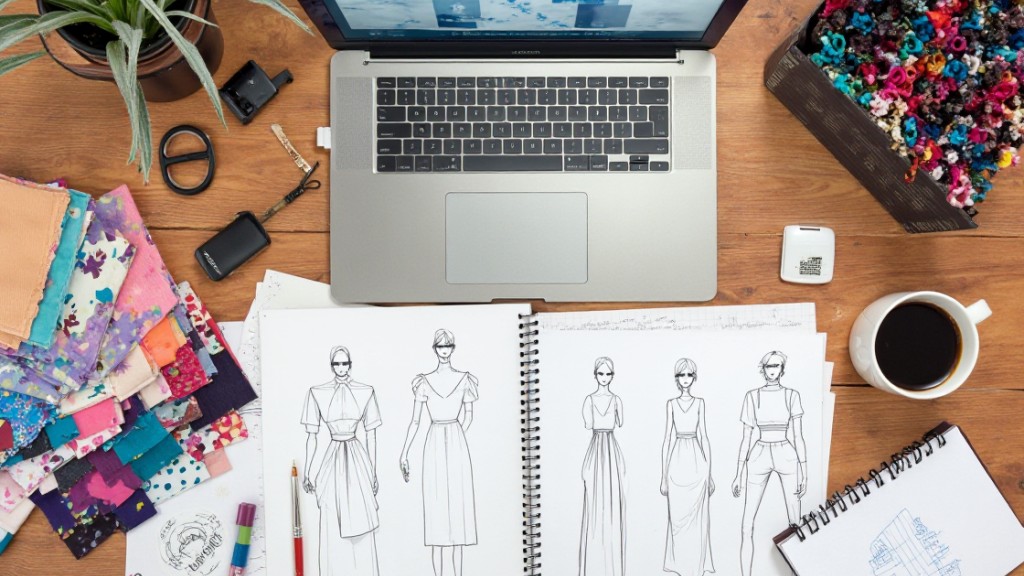
Launching a clothing business involves crucial steps that ensure your venture gains visibility and attracts your target audience.
Creating A Launch Plan
Define your target audience clearly. Identify their preferences concerning venue, décor, dress code, and menu. Tailor your launch plan to create an experience that resonates with potential customers, investors, or social media influencers. Refine your message to align with the audience’s interests. Focus on product profitability for investors or highlight unique brand features for social media influencers. Plan your marketing and advertising strategies meticulously, utilizing social media platforms like Instagram, TikTok, and Snapchat effectively. Consider employing limited-edition drops to generate excitement and enhance engagement.Preparing Inventory
Prepare your inventory systematically before the launch. Ensure that each item meets quality standards, reinforcing your brand’s commitment to excellence. Structure your inventory for easy tracking by categorizing products based on size, color, and style. Designate a portion as a “launch collection” to create exclusivity. Stock enough units to gauge demand and avoid stockouts. Implement inventory management systems to streamline processes, helping you manage re-orders and assess inventory levels efficiently.
Organizing A Launch Event
Organize a launch event that captivates your audience. Choose an engaging venue that reflects your brand identity and accommodates your guests comfortably. Create an inviting atmosphere with thoughtful décor and ensure the event aligns with your brand image. Develop a compelling agenda that includes product displays, demonstrations, and interactive sessions. Invite influencers and industry professionals to expand your reach. Capture the event through photography and videography to generate content for social media, creating a buzz around your brand and driving future engagement.
Common Issues
Address common challenges encountered when starting a clothing business. Focus on financial constraints, supply chain disruptions, and customer expectations.
Overcoming Financial Constraints
Manage startup costs effectively through detailed financial planning. Break down expenses into categories such as materials, marketing, and operational costs. Seek funding options like small business loans or grants to improve financial flexibility. Monitor cash flow regularly to ensure sustainability in the early stages of your clothing business.
Dealing With Supply Chain Disruptions
Identify reliable suppliers to mitigate supply chain risks. Utilize platforms like Alibaba for supplier verification and product sourcing. Implement a contingency plan that includes alternative suppliers to maintain production continuity. Establish strong relationships with vendors to improve communication and responsiveness in times of disruption.
Managing Customer Expectations
Communicate transparently regarding product availability and delivery timelines. Engage with customers actively through social media and email marketing to build a loyal audience. Set realistic expectations by clearly stating return policies and estimated delivery times. Solicit feedback consistently to adapt your offerings based on customer preferences and maintain satisfaction levels.
Conclusion
Starting a clothing business is an exhilarating venture that combines creativity with strategic planning. By following the steps outlined in this article, you can build a brand that resonates with your target audience and stands out in the competitive fashion industry.
Remember to stay adaptable and open to feedback as you navigate the challenges of entrepreneurship. Your passion and commitment will be your greatest assets on this journey. Embrace the process, keep learning, and let your unique vision shine through every piece you create. With dedication and the right strategies, success is within your reach.
Frequently Asked Questions

What are the first steps to start a clothing business?
To start a clothing business, begin with conducting market research to identify your target market and trends. Then, create a comprehensive business plan outlining your vision, mission, and financial projections. Finally, define your niche to differentiate your brand in the competitive market.
How important is market research in the fashion industry?
Market research is crucial in the fashion industry as it helps you understand your target audience, identify trends, and analyze competitors. This information is essential for making informed decisions about product design, marketing strategies, and overall business direction.
What should be included in a business plan?
A business plan should include your business vision and mission, financial projections, market analysis, marketing strategies, and operational details. It serves as a roadmap for your clothing business, guiding decision-making and attracting potential investors.
How can I source materials for my clothing line?
You can source materials by researching reliable suppliers via platforms like Alibaba and Fibre2Fashion. Assess supplier credibility through reviews and recommendations, and consider developing relationships with local manufacturers to ensure quality and sustainability.
What are effective marketing strategies for a clothing line?
Effective marketing strategies include conducting thorough market research to tailor your approach, collaborating with influencers, utilizing social media channels, and hosting promotions or events. These efforts help increase brand visibility and engage your target audience effectively.
How do I establish a strong online presence?
To establish a strong online presence, create a professional website optimized for mobile devices, leverage social media effectively, and engage with customers through email marketing. Consistent and engaging content helps build brand loyalty and customer relationships.
What legal aspects should I consider when starting a clothing business?
Consider registering your business to establish legitimacy, selecting an appropriate business structure (like LLC or sole proprietorship), and obtaining necessary licenses and permits. This ensures compliance with industry regulations and protects against legal issues.
How can I manage supply chain disruptions?
To manage supply chain disruptions, identify reliable suppliers and establish contingency plans. Regular communication with suppliers about potential issues and maintaining flexible inventory practices will help mitigate risks in your supply chain.
What challenges might I face when starting a clothing business?
Common challenges include financial constraints, supply chain disruptions, and meeting customer expectations. Address these by developing detailed financial plans, sourcing dependable suppliers, and communicating transparently with customers about product availability.
Image via Google Gemini