
Key Takeaways

- Growing Market: The demand for commercial cleaning services is on the rise across various sectors, providing lucrative opportunities for new entrepreneurs.
- Business Planning: A comprehensive business plan is essential, outlining your services, pricing strategy, and market analysis to set a clear direction for your venture.
- Choosing the Right Structure: Selecting a suitable business structure, whether a sole proprietorship, LLC, or corporation, is crucial for legal protection and operational efficiency.
- Legal Compliance: Obtaining the necessary licenses and insurance is vital to operate safely and legally, protecting your business and personal assets.
- Essential Equipment: Investing in high-quality cleaning tools and eco-friendly products is key to delivering exceptional service and attracting environmentally-conscious clients.
- Effective Marketing: Building an online presence and utilizing social media are essential strategies for reaching potential clients and promoting your commercial cleaning services effectively.
Thinking about starting a commercial cleaning business? You’re not alone. With the demand for clean and sanitized spaces rising, this industry offers a lucrative opportunity for entrepreneurs like you. Whether you’re looking to build a side hustle or launch a full-time venture, the commercial cleaning sector can be both rewarding and profitable.
Starting your own cleaning business might seem daunting, but with the right guidance, you can navigate the process smoothly. From understanding the necessary equipment to marketing your services effectively, every step is crucial in establishing a successful operation. Dive into this guide to discover essential tips and strategies that will set you on the path to success in the commercial cleaning world.
Understanding the Commercial Cleaning Industry

The commercial cleaning industry presents a wealth of opportunities for small business startups. Understanding its dynamics is vital for success.
Market Demand and Opportunities
Demand for commercial cleaning services continuously increases across various sectors, including offices, retail spaces, healthcare facilities, and educational institutions. You can capitalize on this growth by offering specialized cleaning services tailored to each sector’s needs. For instance, healthcare facilities often require strict sanitation protocols, while offices may seek eco-friendly cleaning options. Exploring these niches can enhance your business’s appeal and attract a diverse client base.
Key Trends in Commercial Cleaning
Key trends shaping the commercial cleaning landscape include technological advancements and eco-friendly practices. You can leverage technology by using cleaning management software to streamline operations and improve efficiency. Additionally, many businesses now prioritize green cleaning solutions to minimize their environmental impact. Incorporating sustainable products and practices differentiates your startup and appeals to environmentally-conscious clients. Staying informed on these trends helps you remain competitive and meet evolving client demands.
Steps to Start Your Commercial Cleaning Business

Starting a commercial cleaning business involves several key steps that lay the foundation for success. Focus on the essentials, and you can establish a thriving small business in this growing industry.
Developing a Business Plan
Creating a comprehensive business plan is crucial for your startup. Your plan should include:
- Executive Summary: Give an overview of your commercial cleaning business, highlighting your mission and goals. Specify the funding required to start and run the operation.
- Services and Pricing Strategy: Define the types of cleaning services you offer, such as office cleaning, janitorial services, and specialty cleaning tasks. Outline your pricing strategy with clear price points for each service, making it easier for clients to understand your offerings.
- Market Analysis: Identify your target market. Potential clients include office buildings, schools, hospitals, and retail centers. Conduct research to understand your competition and spot opportunities for growth.
Choosing a Business Structure
Selecting the right business structure is essential for your commercial cleaning startup. Consider the following options:
- Sole Proprietorship: The simplest structure, where you own and operate the business independently. You have full control but also bear all liability.
- Limited Liability Company (LLC): An LLC combines the benefits of a corporation and a sole proprietorship. It offers personal liability protection while allowing for flexible management and tax benefits.
- Corporation: A more complex structure, where the business is a separate legal entity. This option provides excellent liability protection but involves more regulations and paperwork.
Evaluate the pros and cons of each structure to determine the best fit for your small business. Properly registering your business structure is a vital step toward complying with legal requirements and protecting your personal assets.
Legal Requirements and Certifications

Starting a commercial cleaning business involves understanding legal requirements and certifications essential for operation.
Licenses and Permits
You need specific licenses and permits to legally operate your commercial cleaning business. These vary by state and locality. Typically, you’ll need a general business license, which grants you permission to conduct business within your jurisdiction. Some areas may require a special cleaning permit, particularly if you use hazardous materials. Research your local regulations to ensure compliance.
Insurance Considerations
Securing the right insurance is critical for protecting your small business. General liability insurance covers potential claims related to bodily injury or property damage. You may also consider obtaining workers’ compensation insurance if you hire employees, as it covers work-related injuries. Additionally, professional liability insurance safeguards against claims arising from your services. Consult with an insurance agent to identify the best policies that fit your business model.
Equipment and Supplies Needed
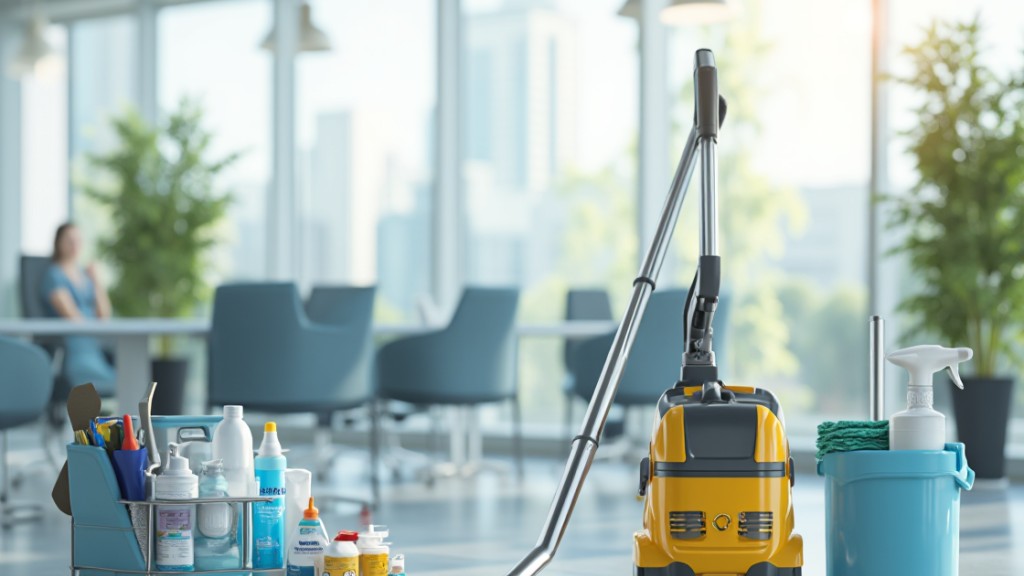
Starting a commercial cleaning business requires essential equipment and supplies to ensure efficiency and quality service. Investing in the right tools affects both operational success and customer satisfaction.
Essential Cleaning Tools
- Vacuum Cleaners: Choose Dyson commercial-grade vacuum cleaners for their efficiency and durability. You might use handheld models for smaller spaces or Miele industrial vacuums for large areas.
- Mops and Buckets: Wet and dry mops are vital for various cleaning tasks. Select mops designed for heavy usage to maintain hygiene standards.
- Dusters: Use short, long, or extendable dusters for effectively cleaning hard-to-reach areas. Opt for tools that capture dust rather than disperse it.
- Floor Scrubbers, Buffers, and Polishers: Automated machines help maintain cleanliness in large commercial spaces. Invest in high-quality units to improve the quality of your service.
- Carpet Cleaning Machines: Carpet extractors are necessary for deep cleaning large carpeted areas. They ensure thorough sanitation and prolong carpet life.
- Pressure Washers: Use pressure washers for cleaning entrances, awnings, sidewalks, and high-traffic areas. They offer an effective solution for maintaining the exterior of properties.
Eco-Friendly Cleaning Products
Exploring eco-friendly cleaning products boosts your small business’s appeal to environmentally conscious clients. Choose biodegradable and non-toxic solutions that effectively clean while minimizing health risks.
- Green Cleaning Solutions: Utilize products made from natural ingredients. They reduce environmental impact and enhance safety for both clients and employees.
- Recyclable Packaging: Opt for cleaning supplies with recyclable or minimal packaging. This approach aligns with sustainable practices, appealing to eco-aware customers.
- Concentration on Certifications: Select products certified by recognized organizations, such as the Environmental Protection Agency (EPA). These certifications reassure clients about the quality of the eco-friendly products you use.
By prioritizing quality equipment and eco-friendly options, your startup can build a strong foundation for success in the commercial cleaning industry.
Marketing Your Commercial Cleaning Business

Effective marketing strategies are essential for attracting clients to your new commercial cleaning business. Establishing an online presence and leveraging social media can help you reach your target audience and showcase your services.
Creating an Online Presence
Creating a professional website is crucial for your small business. A structured website should include service descriptions, pricing, testimonials, and contact information. Ensure your site is mobile-friendly and optimized for search engines, allowing potential clients to find you easily. Local search engine optimization (SEO) significantly increases visibility. Use keywords relevant to your services and location, like “commercial cleaning in [Your City].”
Consider utilizing online directories, such as Google My Business and Yelp, to enhance credibility and attract local clients. Ensure your business is accurately listed with up-to-date information, including your address, phone number, and hours of operation. The integration of a blog can also help showcase your expertise and improve your search rankings.Leveraging Social Media
Leveraging social media platforms connects you directly with potential customers. Platforms like Facebook, Instagram, and LinkedIn are effective for promoting your services. Share engaging content like before-and-after photos of your cleaning jobs, cleaning tips, and client testimonials to showcase your expertise.Engage with your audience by responding to comments and messages promptly. Consistent posting and interaction build trust and encourage word-of-mouth referrals for your startup. Consider running targeted ads to reach specific demographics interested in commercial cleaning services. Utilizing social media analytics can also help you track your engagement and adjust your strategies for better outreach.
Conclusion

Starting a commercial cleaning business offers a promising path for those ready to seize the opportunity. By understanding the industry’s dynamics and implementing effective strategies, you can position yourself for success. Focus on quality service, sustainability, and smart marketing to attract clients and grow your reputation.
Remember to stay informed about trends and adapt your offerings to meet the changing needs of your target market. With dedication and the right approach, you’ll build a thriving business that not only meets demand but also stands out in a competitive landscape. Embrace the journey ahead and watch your entrepreneurial vision come to life.
Frequently Asked Questions

What is the demand for commercial cleaning services?
The demand for commercial cleaning services is rising across various sectors, including offices, retail spaces, healthcare, and education. Many businesses seek professional cleaning solutions to maintain cleanliness and hygiene, making it a lucrative opportunity for entrepreneurs.
How can I start a commercial cleaning business?
To start a commercial cleaning business, develop a comprehensive business plan that outlines your services, pricing strategies, and market analysis. Choose a suitable business structure, secure necessary licenses, and invest in essential cleaning equipment to ensure operational efficiency.
What equipment do I need for a cleaning business?
Essential equipment for a cleaning business includes commercial-grade vacuum cleaners, durable mops and buckets, effective dusters, floor scrubbers, carpet cleaning machines, and pressure washers. Investing in quality and eco-friendly products can help you stand out in the market.
What are the legal requirements for a cleaning business?
Legal requirements vary by state but typically include obtaining a general business license, potential special permits for hazardous materials, and appropriate insurance like general liability and workers’ compensation to protect your business from risks.
How can I effectively market my cleaning business?
Establish an online presence with a professional website that showcases your services and client testimonials. Utilize social media platforms like Facebook, Instagram, and LinkedIn for engagement, and optimize your site for local search engines to attract potential customers.
What are the key trends in the cleaning industry?
Key trends in the cleaning industry include the adoption of cleaning management software for efficiency and the growing preference for eco-friendly cleaning solutions. Businesses increasingly seek sustainable practices, making it essential for startups to differentiate themselves accordingly.
Image via Google Gemini