Key Takeaways
- Define Clear Goals: Establish specific short-term and long-term farming objectives to guide your decisions and actions.
- Research Location and Regulations: Choose a suitable site for farming, considering factors like climate, soil quality, and local zoning laws to ensure compliance and operational success.
- Develop a Comprehensive Business Plan: Create a detailed roadmap that outlines your farming strategies, marketing approaches, financial projections, and goals.
- Invest in Essential Equipment: Identify and purchase the necessary tools and supplies tailored to your farming scale and focus, ensuring sustainable operation.
- Implement Sustainable Practices: Adopt eco-friendly techniques such as organic farming, crop rotation, and soil conservation to enhance productivity and maintain environmental health.
- Network and Educate: Build connections with local farming communities and commit to ongoing education to stay informed and improve your farming practices.
Starting a farm can be one of the most rewarding adventures you’ll ever embark on. Whether you dream of growing organic vegetables, raising livestock, or creating a sustainable homestead, the journey begins with a clear vision and a solid plan. You’re not just cultivating crops; you’re nurturing a lifestyle that connects you with the land and your community.
Before you dive in, it’s essential to understand the basics of farming, from selecting the right location to understanding soil health and crop rotation. With the right knowledge and resources, you can transform your passion into a thriving farm that not only feeds you but also enriches your life. Let’s explore the steps to turn your farming dreams into reality.
How To Start A Farm
Starting a farm involves several key steps that provide a foundation for success. Focus on these areas to ensure a manageable and sustainable farming operation.
- Define Your Farming Goals
Establish specific objectives that align with your vision. Identify whether you want to focus on crops, livestock, or a combination of both. Short-term and long-term goals guide business decisions.
- Research and Select Your Location
Choose a site that suits your farming needs. Consider factors like climate, soil quality, and access to water. Zoning laws and land availability also influence location decisions.
- Assess Financial Requirements
Calculate the startup costs associated with farming. Factor in equipment, seeds or livestock, and infrastructure needs. Creating a budget and exploring funding options can help manage expenses effectively.
- Develop a Business Plan
Draft a comprehensive plan that outlines your farming operations. Include marketing strategies, profit projections, and operational details. A well-structured business plan serves as a roadmap and can help attract investors.
- Understand Agricultural Practices
Educate yourself on essential farming techniques. Learn about crop rotation, pest management, and soil health. Continuing education improves farming practices and enhances productivity.
- Purchase Necessary Equipment and Supplies
Invest in equipment that fits your farming scale. Identify tools for planting, harvesting, and maintaining crops or livestock. Ensure that supplies, such as seeds and feed, meet quality standards.
- Implement Sustainable Practices
Focus on environmentally friendly methods to promote sustainability. Techniques like organic farming and permaculture contribute to long-term soil health and reduce dependency on chemical inputs.
- Market Your Products
Decide on distribution channels to reach customers. Whether through farmers’ markets, local stores, or online sales, establishing branding and marketing strategies increases visibility and profitability.
- Stay Compliant with Regulations
Understand local agricultural laws and regulations. Adhering to safety standards and legal requirements helps maintain a good reputation and avoids potential penalties.
- Build a Support Network
Connect with local farming groups and agricultural organizations. Networking provides opportunities for knowledge sharing, resource access, and emotional support throughout your farming journey.
Following these steps ensures a well-rounded approach to starting a small business in farming. You set a solid foundation by understanding every aspect of the operation, helping to transform your passion for farming into a successful venture.
Understanding Farming Basics
Farming involves various techniques and advantages essential for starting a successful small business. Grasping these concepts lays the groundwork for effective agricultural practices and business strategies.
Types Of Farming
- Crop Production: Focuses on cultivating plants for food, fiber, and other products. Consider grains, vegetables, and fruits as options.
- Livestock Farming: Involves raising animals for meat, milk, and other products. Examples include cattle, poultry, and sheep.
- Organic Farming: Emphasizes the use of natural methods to grow crops and raise animals, avoiding synthetic fertilizers and pesticides. This type aligns with increasing consumer demand for organic products.
- Mixed Farming: Combines both crop and livestock farming. This approach can enhance resource utilization and risk management.
Benefits Of Farming
- Economic Independence: Engaging in farming provides opportunities for income generation, creating a pathway for financial stability.
- Sustainability: Farming promotes sustainable practices that benefit the environment, including biodiversity and soil health.
- Fresh Produce Access: Growing your own food ensures access to fresh, nutritious produce while reducing reliance on external sources.
- Community Engagement: Farming fosters connections with local markets and communities, enhancing social networks and support systems.
Planning Your Farm

Planning your farm involves strategic decisions that shape your future farming success. Focus on the following key areas: choosing a location, creating a business plan, and understanding local regulations.
Choosing A Location
Identify a location that aligns with your farming goals. Evaluate factors such as soil quality, water access, climate, and proximity to markets. Focus on areas with a high local demand for your chosen crops or livestock. Base your decision on resource availability and topography. For example, consider land with fertile soil for crop production or a grassy area suitable for livestock grazing.
Creating A Business Plan
Develop a comprehensive business plan that serves as a roadmap for your farming venture. Outline your farming objectives, target market, and operational strategies. Include financial projections, startup costs, and funding sources. Establish marketing strategies to attract customers and ensure steady sales. Design your plan to be adaptable; changes in market conditions or personal goals might necessitate updates.
Understanding Local Regulations
Familiarize yourself with local regulations that impact your farming operation. Research zoning laws, land use restrictions, and agricultural permits required in your area. Understand health and safety standards for food production. Stay compliant with environmental regulations to avoid fines and ensure sustainable practices. Engaging with local agricultural agencies can provide additional guidance on regulatory requirements.
Materials Needed To Start A Farm

Establishing a farm requires specific materials and tools for successful operation. Attention to these essential elements ensures a strong foundation for your farming venture.
Seeds And Plants
- Selecting the right seeds and plants is critical for your farm’s success. Assess climate, soil type, and market demand to decide what to cultivate.
- Ensure access to high-quality seeds or seedlings from trustworthy suppliers.
- Understand seed propagation techniques and methods for improving soil fertility to optimize growth.
Equipment And Tools
- Invest in general farm equipment like a tractor, which serves multiple functions such as plowing, tilling, hauling, and lifting heavy loads.
- Acquire hand tools such as shovels, rakes, and hoes for smaller tasks and detailed work in your fields.
- Consider specialized equipment based on your farming goals, like irrigation systems or livestock feeders, if applicable.
Water And Irrigation Systems
- Determine water sources for your farm, assessing availability and quality for crops.
- Select irrigation systems tailored to your needs, such as drip or sprinkler systems, ensuring efficient water use.
- Regularly monitor soil moisture levels to maintain crop health and optimize irrigation schedules.
By carefully selecting materials and equipment, you set the stage for a successful small business focused on agriculture.
Setting Up Your Farm
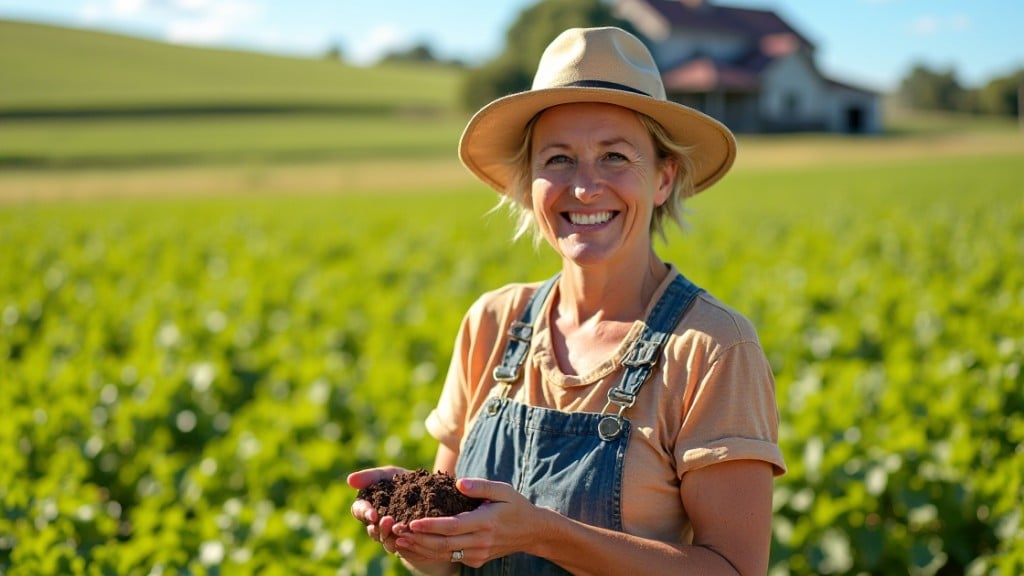
Setting up your farm requires meticulous planning and execution. This phase includes essential steps like land preparation and planting crops.
Land Preparation
- Assess the soil quality. Testing soil allows for informed decisions regarding amendments and fertilizers needed for optimal crop growth.
- Clear and cultivate the land. Remove debris, weeds, and any obstacles to create a clean slate for planting.
- Create rows and beds. Organizing crops into rows or raised beds optimizes space and improves drainage.
- Implement a fertilization plan. Apply fertilizers based on soil tests to ensure nutrient-rich soil for healthy crop development.
Planting Crops
- Choose suitable crops. Match your crop selection to local climate, soil type, and market demand to ensure viability and profitability.
- Follow planting guidelines. Adhere to recommended planting depths and distances for each crop type to encourage healthy growth.
- Monitor moisture levels. Regularly check soil moisture to maintain adequate hydration during the growing season.
- Implement pest management strategies. Explore integrated pest management practices to protect crops while maintaining a sustainable operation.
Building Infrastructure

Building infrastructure forms the backbone of a successful farm. Focus on designing components that enhance workflow and ensure sustainability.
Barns And Storage
Construct barns and storage facilities that suit your specific farming operations. Choose a central location for ease of access to fields and equipment. Include separate storage areas for tools, feed, and harvested crops to prevent contamination and damage. Prioritize materials that resist weather conditions and pests, ensuring durability. For example, using metal siding reduces maintenance costs over time. Allocate sufficient space based on the scale of your farming operation. For instance, a small business may require a barn size of at least 1,200 square feet to accommodate essential equipment and supplies.
Fencing And Security
Install fencing to protect livestock and crops from intruders and wildlife. Choose types such as barbed wire for larger areas or electric fencing for more precise control. Ensure that fencing is at least 5-6 feet high to deter animals effectively. Create secure entries with latch systems that are easy to operate but difficult for unauthorized individuals. Assess security needs based on farm location and type; remote areas may require additional measures like security cameras or lighting. For example, using motion-activated lights can enhance security and reduce the risk of theft. Regularly inspect and maintain fencing to ensure continued effectiveness in safeguarding your farm.
Managing Your Farm

Effective farm management requires attention to daily operations, meticulous record keeping, and robust financial management.
Daily Operations
- Prioritize daily tasks such as feeding livestock, watering crops, and monitoring soil conditions.
- Execute routines that enhance productivity and ensure that equipment functions properly, including regular maintenance checks.
- Schedule crop inspections to identify pest or disease issues early, allowing for timely intervention.
- Utilize innovative tools for efficient operations, such as mobile apps for tracking tasks and managing labor schedules.
Record Keeping
- Keep organized records of all farm activities including planting dates, crop yields, and livestock health.
- Document expenses and income to analyze cash flow trends and profitability.
- Set up a filing system for permits, receipts, and maintenance logs to streamline access to crucial information.
- Use software designed for agricultural enterprises to simplify data management and reporting.
Financial Management
- Develop a detailed budget that outlines all anticipated costs and potential income sources.
- Track all financial transactions systematically to maintain an accurate overview of your farm’s financial health. Explore funding options available for small businesses that can aid in purchasing equipment or scaling operations, including grants and loans through the USDA programs.
- Regularly review financial reports and adjust budgets as necessary, ensuring alignment with your long-term business goals.
Sustainable Farming Practices
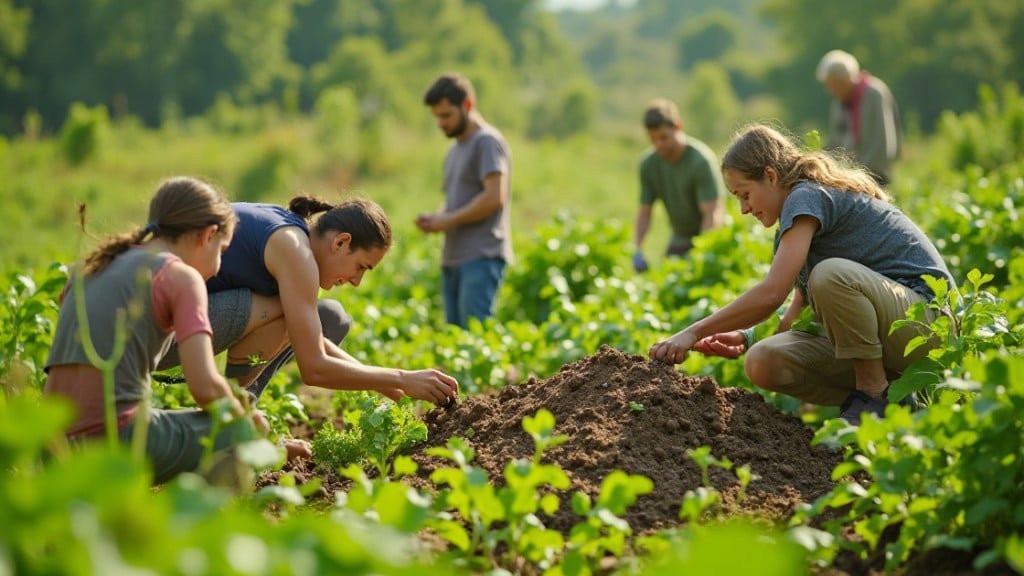
Adopting sustainable farming practices plays a critical role in fostering environmentally friendly and economically viable agricultural systems.
Organic Farming Methods
- Implement organic practices such as crop rotation and the use of organic fertilizers. These methods enhance soil health and boost crop yields without harmful chemicals.
- Utilize natural pest management techniques by introducing beneficial insects and using organic pest deterrents. This approach minimizes reliance on synthetic pesticides while controlling pest populations effectively.
- Choose non-GMO seeds that promote biodiversity and ensure food safety. Planting these seeds contributes to a healthier ecosystem.
Soil Conservation Techniques
- Employ cover crops to protect soil from erosion. These crops enhance soil structure and preserve moisture, improving overall soil fertility.
- Practice no-till farming to reduce soil disturbance. This technique supports soil health by maintaining its natural profile and increasing carbon sequestration.
- Incorporate contour farming by aligning plowing along the contour of the land. This practice decreases water runoff and conserves soil during heavy rainfall.
By integrating these sustainable farming practices you benefit from improved crop productivity and long-term sustainability for your small business.
Troubleshooting Common Issues
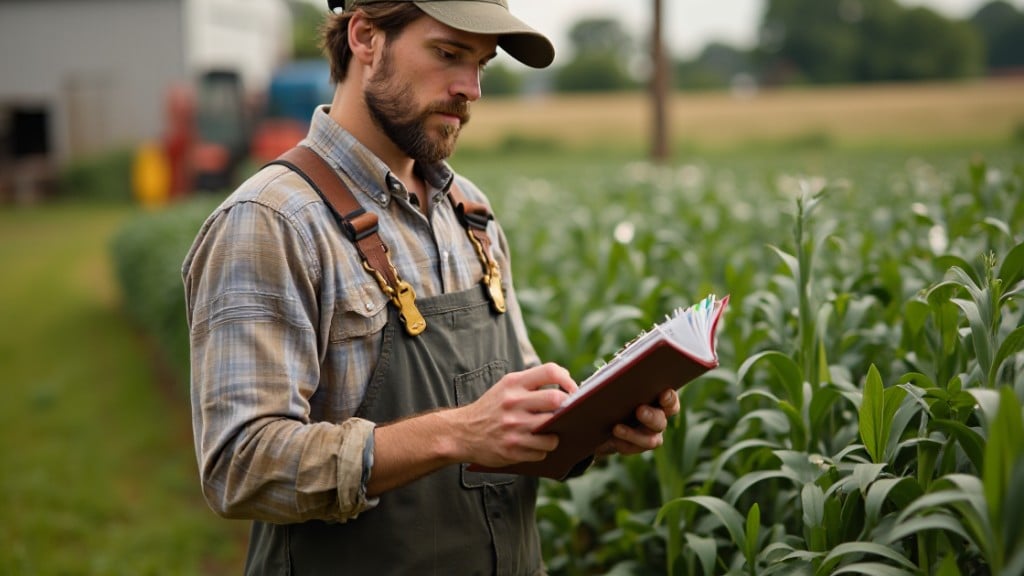
Addressing common farming challenges is vital for ensuring a successful operation. Focus on key areas such as pest management, weather-related challenges, and crop disease identification to maintain productivity.
Pest Management
Implement integrated pest management strategies to control pests effectively. Monitor pest populations regularly, apply biological controls such as beneficial insects, and utilize organic pesticides as needed. Rotate crops annually and maintain diverse plantings to disrupt pest life cycles. For major infestations, consider traps and barrier methods. Regular inspections aid in early detection, minimizing damage and loss.
Weather-Related Challenges
Adapt to weather-related challenges by utilizing resilient crop varieties that tolerate drought or excess moisture. Employ row covers and windbreaks to protect plants from harsh conditions. Assess drains and irrigation systems to manage water efficiently during heavy rainfall or dry spells. Keep detailed records of weather patterns to inform future planting decisions and crop choices. Implementing contingency plans ensures preparedness for unexpected weather events.
Crop Disease Identification
Identify crop diseases early through regular monitoring for symptoms such as discoloration, wilting, or unusual growth. Utilize soil and tissue testing to detect nutrient deficiencies or pathogens. Employ resistant varieties where possible and maintain healthy soil through practices like crop rotation and organic amendments. Quarantine affected plants to prevent disease spread. Developing a relationship with local agricultural extension services can provide access to expert advice on disease management strategies.
Helpful Tips For New Farmers
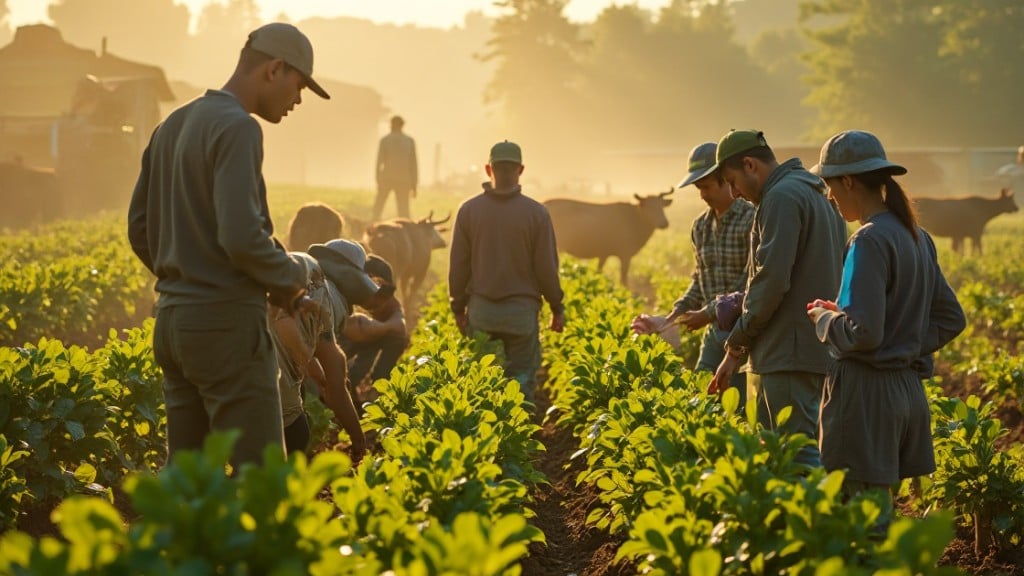
Networking and continuing education play significant roles in establishing a successful farm. Utilize these strategies to enhance your farming journey.
Networking With Other Farmers
Engage regularly with local farming communities. Attend farmer markets and agricultural fairs to build relationships with other farmers. Collaborate on farming events or workshops to exchange knowledge and experiences. Join social media groups or forums dedicated to farming where you can ask questions and share resources. Establishing connections not only offers support but also opens opportunities for partnerships in a small business context.
Continuing Education
Invest time in learning about agricultural practices, business management, and market trends. Enroll in workshops or online courses related to farming techniques and sustainable practices. Subscribe to agricultural journals or news outlets for the latest industry updates. Join agricultural organizations that focus on continuous education for farmers. Familiarizing yourself with developments in agriculture ensures your farming practices remain relevant and effective.
Conclusion
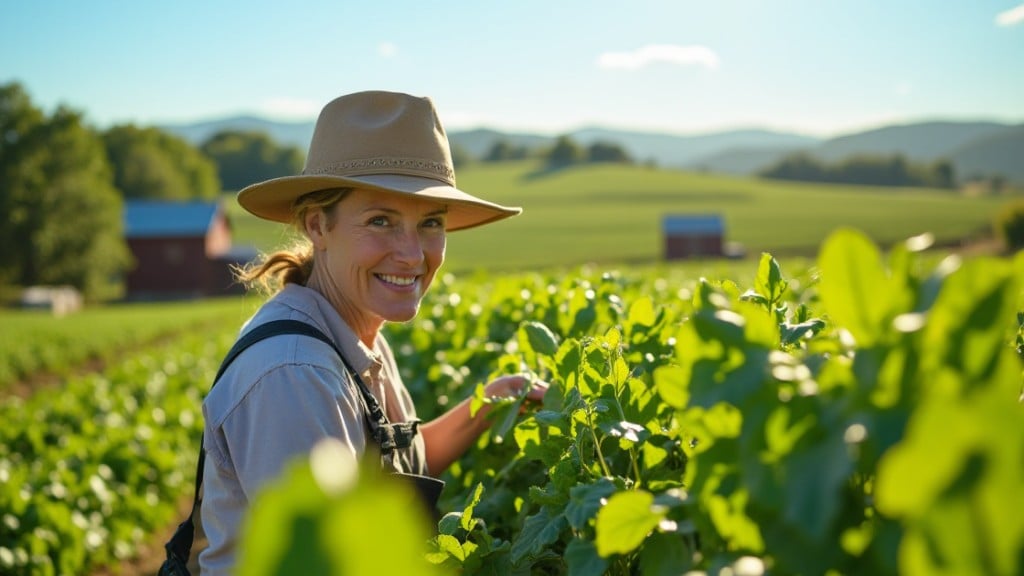
Starting a farm is an exciting journey filled with opportunities for growth and community engagement. By following the steps outlined in this article you can build a solid foundation for your farming venture. Remember to stay adaptable and open to learning as you navigate the challenges of agriculture.
Focusing on sustainable practices and effective management will not only enhance your productivity but also contribute positively to the environment. Engage with your local farming community and continue your education to stay informed about best practices and market trends. Your commitment to these principles will pave the way for a successful and fulfilling farming experience.
Frequently Asked Questions
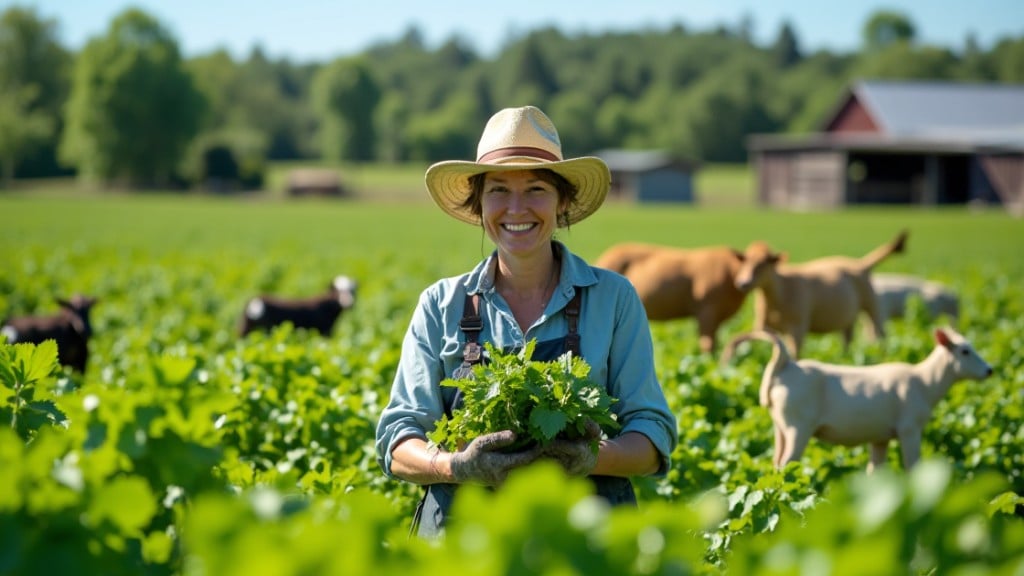
What are the key steps to starting a farm?
Starting a farm involves defining your farming goals, researching locations, and assessing financial requirements. Develop a comprehensive business plan that includes marketing strategies and operational details. Educate yourself on farming practices, invest in necessary equipment, and implement sustainable methods. Engage with the local community and agricultural agencies for support and guidance.
How important is soil health in farming?
Soil health is crucial for successful farming as it directly impacts crop yield and quality. Healthy soil provides essential nutrients, retains moisture, and supports beneficial organisms. Conduct soil tests to understand its fertility and implement practices like crop rotation, cover crops, and organic fertilizers to maintain and improve soil health over time.
What types of farming can I pursue?
There are several types of farming to consider, including crop production, livestock farming, organic farming, and mixed farming. Each type has its unique advantages and can be tailored to suit your interests and local market demands. Researching these options can help you choose the path that aligns with your goals.
How can I market my farm products effectively?
Effective marketing involves understanding your target audience and utilizing various channels such as farmer’s markets, local grocery stores, and online platforms. Create a brand identity, develop packaging, and consider offering samples to attract customers. Engaging with the community and participating in local events can also boost visibility and sales.
What is sustainable farming?
Sustainable farming focuses on agricultural practices that are environmentally friendly and economically viable. This includes using organic methods, practicing crop rotation, minimizing chemical use, and conserving resources. Sustainable practices promote long-term agricultural productivity and protect the environment for future generations.
How can I manage common farming challenges?
To manage challenges like pests and crop diseases, implement integrated pest management strategies and monitor pest populations regularly. Utilize resilient crop varieties and practice early disease detection to maintain plant health. Adapt to weather conditions by planning ahead, and seek advice on addressing any issues you encounter.
What role does a business plan play in farming?
A business plan is essential as it provides a roadmap for your farming operation. It outlines your farming objectives, target markets, financial projections, and marketing strategies. A solid business plan helps guide decision-making, attract investors, and ensures your farming venture remains on track to meet its goals.
How can I build a support network in the farming community?
Building a support network can be achieved by engaging with local farmers at markets, agricultural fairs, and community events. Joining agricultural organizations and online forums also fosters connections. Sharing experiences and knowledge with fellow farmers provides valuable support and resources for your farming journey.
Image via Google Gemini