Key Takeaways
- Know Your Market: Understanding market trends such as sustainability and inclusivity is essential for aligning your fashion business with consumer expectations and capitalizing on growth opportunities.
- Define Your Audience: Identify and research your target demographics to tailor your products and marketing strategies effectively, ensuring they resonate with your intended market.
- Create a Solid Business Plan: A comprehensive business plan outlines your goals, financial projections, and niche, acting as a roadmap to navigate the challenges of starting a fashion business.
- Establish Your Brand Identity: Develop a unique brand identity that reflects your values and appeals to your target audience, enhancing recognition and loyalty in a competitive landscape.
- Build an Online Presence: A user-friendly website and active social media engagement are critical for showcasing your products, sharing your brand story, and connecting with customers.
- Strategic Marketing: Utilize social media and influencer collaborations to enhance visibility and community engagement, driving traffic and sales for your fashion business.
Diving into the world of fashion can be thrilling and daunting at the same time. If you’ve ever dreamed of launching your own brand, you’re not alone. The fashion industry is full of opportunities for creative minds ready to make their mark. But where do you begin?
Starting a fashion business requires more than just a passion for style. From understanding your target market to mastering the logistics of production, each step is crucial for success. Whether you’re aiming to create a clothing line or a boutique, knowing the ins and outs will set you on the path to achieving your goals. Let’s explore how to turn your fashion dreams into reality.
Understanding the Fashion Industry

Understanding the fashion industry is crucial for a successful startup. Knowledge of market trends and your target audience shapes your business strategy, driving growth.
Market Trends
Monitoring market trends informs your business decisions. Key trends include sustainable fashion, increased online shopping, and inclusivity in sizing. According to Statista, the global fashion market is expected to reach $1.5 trillion by 2025. Staying updated on trends helps you identify gaps in the market and aligns your offerings with consumer demands. For instance, brands that prioritize eco-friendly materials resonate with environmentally conscious customers.Target Audience
Defining your target audience plays a significant role in defining your small business. Research demographics such as age, gender, location, and income level. For example, if you aim to target millennials, focus on affordability, style, and social media presence. Understanding your target audience allows your fashion business to create tailored marketing strategies, ensuring your products meet their specific needs and preferences. Engaging with your audience through surveys or focus groups provides valuable feedback to refine your offerings.
Developing a Business Plan
Creating a business plan is a foundational step for your fashion startup. A strong plan not only outlines your goals but also serves as a roadmap for success.
Defining Your Niche
Choosing your niche is critical in establishing your brand identity within the competitive fashion market. Identify specific customer needs and preferences that set you apart. Consider focusing on aspects such as sustainable fashion, streetwear, or luxury apparel. Successful businesses often cater to a well-defined target audience, which enhances marketing strategies and builds loyal customer bases. Conduct thorough research to pinpoint demographics like age, gender, location, and income levels; this data informs your niche and helps tailor your offerings.
Financial Planning
Effective financial planning is essential for any small business. Start by estimating the startup costs associated with launching your fashion line, which may include materials, manufacturing, marketing, and distribution expenses. Create a budget that encompasses ongoing operational costs and projects revenue over the first few years. Seek funding options suited to your needs, including personal savings, loans, or investments. It’s vital to monitor your cash flow regularly, as it dictates your business’s sustainability and growth potential. A well-crafted financial plan ensures you’re prepared to navigate the challenges of running your fashion startup.
Branding Your Fashion Business
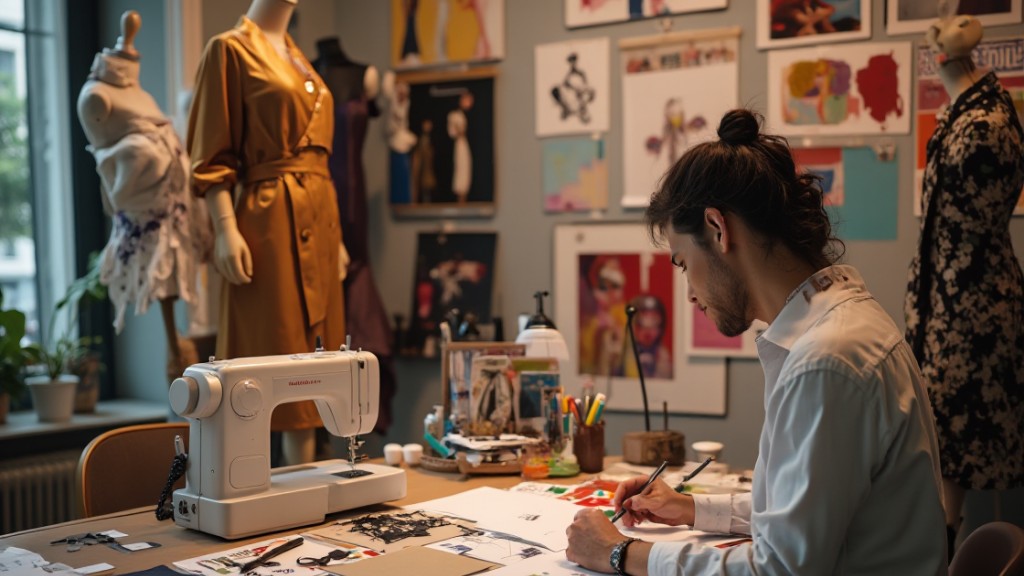
Branding forms the foundation of your small business. Effective branding builds recognition, fosters customer loyalty, and sets you apart in a competitive market.
Creating a Unique Brand Identity
Creating a unique brand identity is crucial for your startup. Define your visual elements, such as logos, colors, and typography, to reflect your brand’s personality. Establish a consistent voice in your marketing materials and customer interactions to enhance clarity and recognition. Your brand identity should resonate with your target audience, appealing to their values and preferences. For instance, if your fashion line targets eco-conscious consumers, emphasize sustainable materials and ethical practices in your branding.
Building an Online Presence
Building an online presence is essential for your fashion business. Start by creating a user-friendly website that showcases your products and tells your brand story. Utilize social media platforms to engage with your audience and share content that reflects your brand’s mission. Regularly post updates about new collections, promotions, and behind-the-scenes looks at your business processes. SEO optimization, including targeted keywords and quality content, helps improve your site’s visibility in search engines. Engaging with customers through email marketing, blog posts, and online ads also strengthens your presence and drives traffic to your site, enhancing your chances for success in the competitive fashion landscape.
Sourcing Materials and Production
Sourcing materials and selecting production methods are vital steps in launching your fashion business. These choices impact product quality, costs, and your brand’s reputation.
Finding Reliable Suppliers
Identify reliable suppliers through thorough online research. Utilize platforms like Handshake, which connect you to vetted suppliers offering quality fabrics and materials. Review existing suppliers’ performance to assess their reliability. Ensure suppliers provide clear information about their product offerings, customer service, and delivery timelines. Establishing strong relationships with vendors can enhance your business’s supply chain, ensuring consistency and quality.Production Options
Evaluate various production options based on your business model and budget. You might consider local manufacturers for closer oversight, or overseas production for cost-effectiveness. Each option carries pros and cons, such as lead times, shipping costs, and communication challenges. Short-run production can help you test designs without significant upfront investment, while large-scale production works for established items with proven demand. Select a production method that aligns with your small business goals, ensuring the quality and efficiency you need to thrive.
Marketing Your Fashion Business

Effective marketing plays a crucial role in the success of your fashion business. Utilizing strategic methods can enhance visibility and engage potential customers.
Utilizing Social Media
Engage your target audience through social media platforms like Instagram, Facebook, and TikTok. Create compelling content that showcases your products and reflects your brand identity. Regularly posting high-quality images, behind-the-scenes videos, and styling tips keeps your audience interested. Utilize features like stories and reels to promote limited-time offers or new collections. Consider using social media analytics tools to track performance and adjust your strategies accordingly. Regular interaction with followers through comments and direct messages fosters community and trust, essential for a small business.Collaborating with Influencers
Form partnerships with influencers who resonate with your brand values and target market. Research influencers whose audience aligns with your potential customers. Send them samples of your products and encourage honest reviews. Collaborations can range from sponsored posts to joint giveaways, amplifying your reach. According to a study, 49% of consumers rely on influencer recommendations when making purchase decisions. Choose micro-influencers as they often have a more engaged audience and can provide a more authentic connection with consumers. Through these strategies, you’ll effectively promote your fashion business and increase brand awareness.
Conclusion

Starting a fashion business is an exhilarating journey filled with opportunities and challenges. By understanding your target market and staying informed about industry trends you can carve out a unique niche. A solid business plan is essential to guide your efforts while effective branding and a strong online presence will help you connect with your audience.
Remember to prioritize financial planning and maintain strong relationships with suppliers to ensure quality and consistency. As you navigate the competitive landscape leverage social media and influencer collaborations to amplify your reach. With determination and strategic planning you can turn your fashion aspirations into a thriving business.
Frequently Asked Questions

What do I need to start a fashion business?
To start a fashion business, you need a passion for fashion, market knowledge, and a well-defined business plan. Understanding your target audience and logistics of production is crucial. Additionally, researching trends like sustainable fashion and online shopping can help you create a competitive edge.
How should I define my target audience?
Defining your target audience involves researching demographics such as age, gender, location, and income levels. This information helps you tailor your marketing strategies effectively, ensuring that your products meet the specific needs and preferences of your potential customers.
Why is a business plan important for a fashion startup?
A business plan serves as a roadmap for success. It outlines your goals, strategies, and financial projections, helping you stay focused and organized. A comprehensive plan also makes it easier to secure funding and ensures that you understand the competitive landscape.
What factors should I consider when sourcing materials?
When sourcing materials, consider quality, cost, and supplier reliability. Establishing strong relationships with vetted suppliers ensures consistency and enhances your brand reputation. Research platforms like Handshake to find trusted vendors that align with your business values.How can I build my brand effectively?
Building an effective brand involves creating a unique brand identity through visual elements like logos and colors, along with a consistent voice. Effective branding helps you stand out in a competitive market and fosters customer loyalty by establishing recognition.
Why is online presence important for a fashion business?
An online presence is crucial as it enhances visibility and allows you to engage with your target audience. Creating a user-friendly website, leveraging social media, and utilizing SEO strategies can significantly boost your reach and attract potential customers.
What marketing strategies should I use for my fashion business?
Utilize social media platforms like Instagram, Facebook, and TikTok to connect with your audience through engaging content. Collaborating with influencers relevant to your brand can also amplify your reach and enhance brand awareness, driving potential sales.How can I ensure the sustainability of my fashion business?
To ensure sustainability, monitor your cash flow regularly and adjust your strategies as needed. Effective financial planning, including estimating startup costs and exploring funding options, is essential for maintaining operations and supporting growth over time.
Image via Google Gemini