
Key Takeaways

- Understand the Florist Business: Recognize the importance of market research and identifying your niche to effectively cater to customer needs and differentiate from competitors.
- Create a Solid Business Plan: Outline clear goals, develop a comprehensive budget, and understand the financial aspects to lay a strong foundation for your florist business.
- Navigate Legal Requirements: Ensure compliance with local regulations by obtaining necessary licenses and permits, and protect your business with appropriate insurance coverage.
- Strategically Set Up Your Shop: Choose a high-traffic location and design an inviting storefront that reflects your brand, to attract customers and enhance their shopping experience.
- Source Quality Supplies: Establish reliable relationships with suppliers and implement effective inventory management practices to maintain the quality of your floral arrangements.
- Implement Effective Marketing: Develop a robust online presence, engage with customers on social media, and utilize local advertising strategies to build brand awareness and grow your customer base.
Starting a florist business can be a blooming adventure filled with creativity and passion. If you’ve ever dreamed of crafting beautiful arrangements and bringing joy to people’s lives through flowers, now’s the perfect time to turn that dream into reality. With the right guidance and a sprinkle of determination, you can create a thriving business that stands out in your community.
In this article, you’ll discover essential steps to kickstart your florist journey. From understanding the basics of floral design to navigating the ins and outs of running a successful shop, you’ll gain valuable insights to help you flourish in this vibrant industry. Get ready to dive into the world of flowers and learn how to cultivate a business that not only thrives but also brings beauty to everyday life.
Understanding the Florist Business

The florist business offers creativity and an opportunity for small business owners to bring beauty into everyday life. Understanding the market and defining your niche are crucial steps in launching your startup.
Market Research
Conducting market research helps you identify the demand for floral products in your area. Study local competitors, assess their product offerings, and evaluate their pricing strategies. Analyze customer preferences for types of floral arrangements, delivery options, and seasonal trends. Use surveys or focus groups to gather insights into potential customer needs. Understanding the local market ensures your business can cater to existing demands effectively.
Identifying Your Niche
Identifying your niche within the florist business sets you apart from competitors. Determine specific areas where you can offer unique value, such as wedding arrangements, corporate events, or eco-friendly options. Consider specializing in particular flowers, styles, or even price points. By focusing on a niche, you target a specific customer base and enhance your marketing efforts, making it easier to attract and retain clients in your small business.
Creating a Business Plan

A solid business plan lays the foundation for your florist business. It outlines your vision, helps you define your goals, and serves as a roadmap for success in this competitive industry.
Defining Your Goals
Define clear, measurable goals for your florist business. Goals can include opening your shop within six months, achieving a monthly revenue of $5,000 by year-end, or establishing partnerships with three local wedding planners. Setting specific milestones helps you track progress and stay focused on key objectives that drive growth.
Budgeting and Financial Planning
Create a comprehensive budget that accounts for all startup costs and ongoing expenses. Estimate costs for inventory, rent, utilities, and marketing. For example, you may budget $2,000 for initial inventory and online marketing efforts. Plan for potential fluctuations in cash flow. Monitor expenses regularly and adjust your budget to ensure financial health. Consider seeking funding options like small business loans or grants, which can help you launch and sustain your business effectively.
Legal Requirements

Starting a florist business requires navigating various legal obligations. Understanding these requirements ensures you operate within the law and sets a solid foundation for your startup.
Business License and Permits
You need to obtain the appropriate business licenses and permits to legally operate your florist business. Licensing varies by state; for example, Louisiana and Florida require specific florist licenses. In many cases, even without a mandatory florist license, compliance with local regulations is critical. Additionally, registering your business with state and local authorities is necessary. You must choose a business structure, such as an LLC or sole proprietorship, and file the required documentation. If you plan to work from home, a local business license may be needed. Furthermore, securing a seller’s permit to collect sales tax is often essential.
Insurance Considerations
Protecting your business with insurance is vital in the florist industry. You should consider obtaining general liability insurance, which covers potential mishaps, such as accidents or injuries occurring on your premises. Product liability insurance is also important for safeguarding against claims related to the flowers or arrangements you sell. Additionally, consider business interruption insurance to mitigate potential losses from unforeseen circumstances that disrupt your operations. Investing in the right insurance not only secures your business but also instills confidence in your customers as you navigate the startup phase.
Setting Up Your Shop

Setting up your florist shop involves strategic decision-making in location selection and storefront design. These elements significantly impact your small business’s visibility, customer attraction, and overall success.
Location Selection
Choose a location that maximizes foot traffic and accessibility. Aim for areas near community centers, schools, or urban developments where potential customers frequently gather. Consider local competition and ensure your shop can stand out. Conduct a thorough analysis of demographics and buying behaviors in the area. Validate rental costs against projected sales to determine feasibility. Selecting a prime location is crucial for establishing your brand’s presence and attracting a steady flow of clientele.
Designing Your Storefront
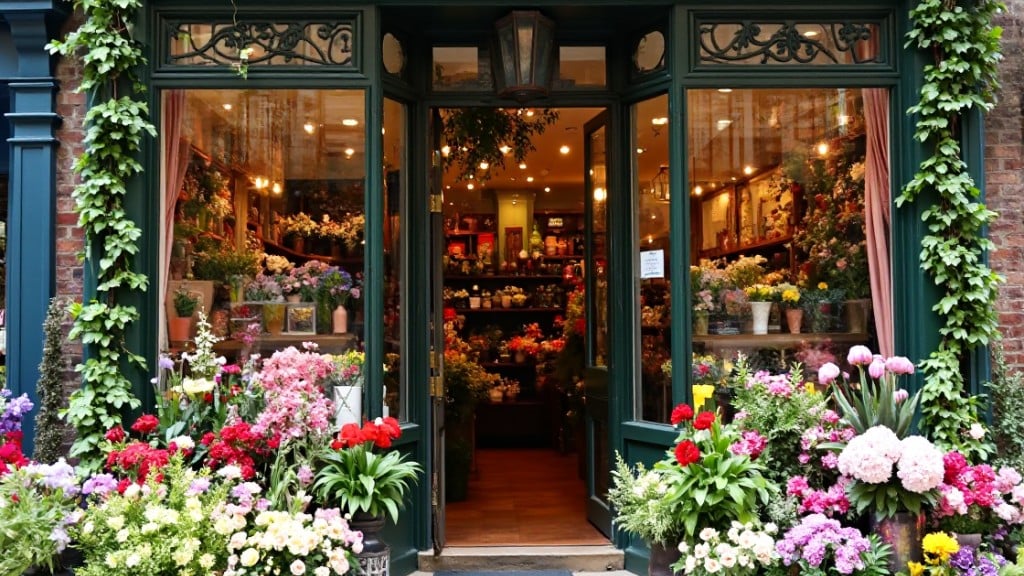
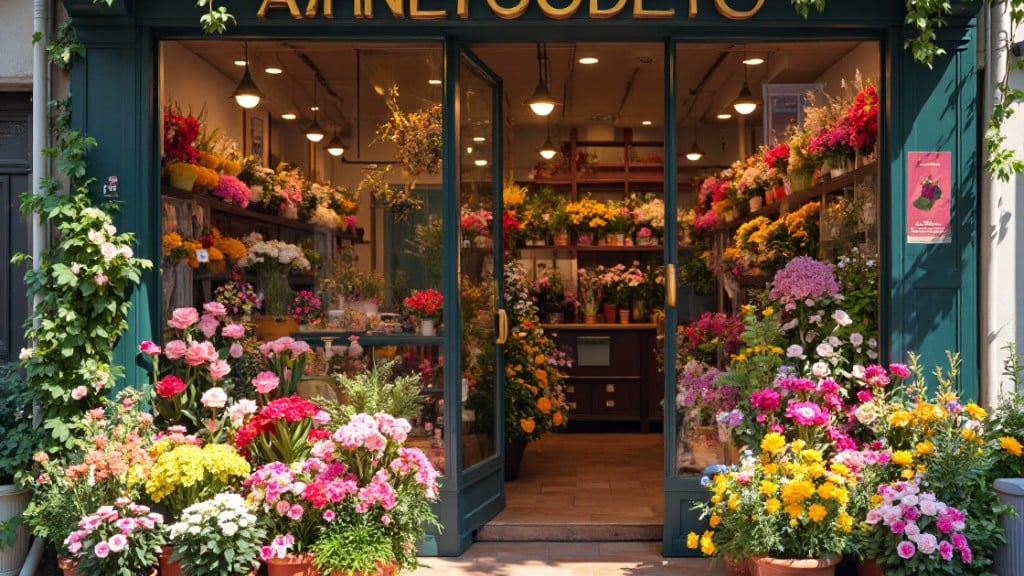
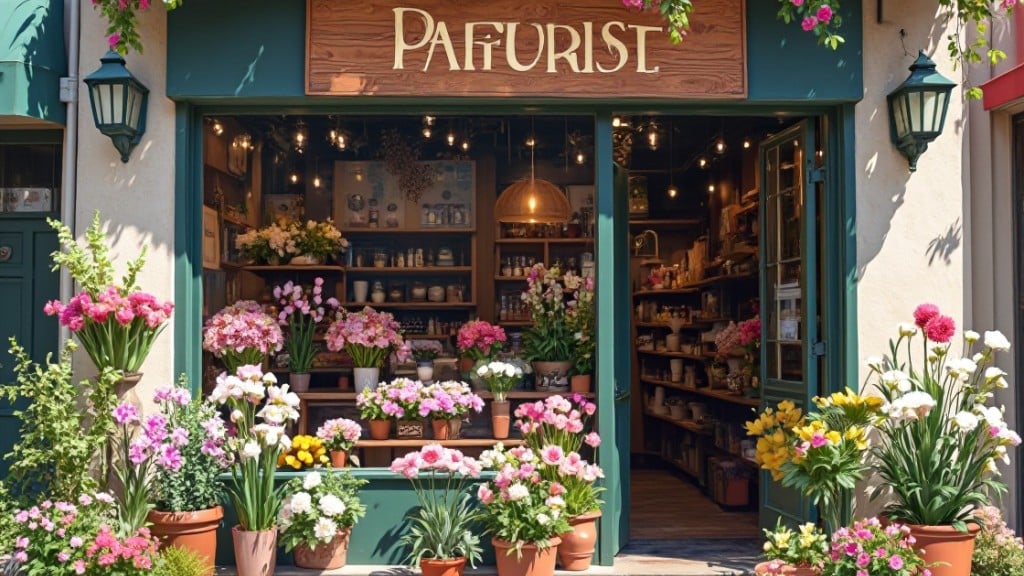
Design your storefront to create an inviting atmosphere that reflects your floral business’s brand. Use attractive signage and well-planned displays that showcase popular arrangements. Incorporate elements that allow potential customers to view your flowers from the street, enticing them to enter. Utilize color schemes that align with your brand identity, creating a cohesive look. Pay attention to lighting, as it can significantly influence the perception of your flowers. A well-designed storefront not only enhances customer experience but also showcases your creativity, making it an essential aspect when learning how to start a business in the floral industry.
Sourcing Supplies and Products

Sourcing supplies and products is crucial for starting a small business as a florist. It directly impacts the quality of your floral arrangements and customer satisfaction.
Choosing Flower Suppliers
Choosing reliable flower suppliers significantly influences your business’s success. Focus on the following methods to find the right suppliers:
- Attend Trade Shows: Discover wholesalers and growers at local and national trade shows. This offers direct interaction and allows evaluation of product quality.
- Seek Recommendations: Connect with fellow florists or industry peers for trusted supplier suggestions. Recommendations often lead to dependable sources.
- Utilize Online Directories: Review online platforms and directories to find suppliers. Evaluate ratings, reviews, and service offerings to ensure quality meets your standards.
Inventory Management
Proper inventory management is essential for operational efficiency in your florist business. Implement these strategies to optimize inventory:
- Track Inventory Levels: Use inventory management software to monitor stock levels. This enables accurate forecasting and prevents overstocking or shortages.
- Establish Reorder Points: Set specific reorder thresholds based on sales patterns. Automatic notifications help maintain optimal inventory without excessive accumulation.
- Rotate Stock: Practice a first-in, first-out (FIFO) method for perishables. This ensures older flowers are sold before they diminish in quality, maximizing freshness.
- Analyze Sales Data: Review sales data regularly to identify trends and adjust inventory accordingly. This helps in maintaining an effective stock that matches customer preferences.
Focusing on these elements not only helps in sourcing quality products but also streamlines operations as you grow your small business.
Marketing Your Florist Business
Effective marketing plays a vital role in growing your florist business. You can reach customers and build brand awareness through various strategies tailored for small business success.
Developing an Online Presence
Establish an online presence to attract a wider audience. Create a professional website showcasing your floral arrangements, services, and contact information. Utilize e-commerce functionality for customers to order online, enhancing convenience and accessibility.
Engage with customers on social media platforms like Instagram and Facebook by sharing visually appealing photos of your arrangements. Post regularly and respond promptly to comments and inquiries. Consider using blogs to share floral care tips or events, positioning yourself as an industry expert.Employ search engine optimization (SEO) strategies to improve your website’s visibility on search engines. Use relevant keywords throughout your content, like “how to start a small business” or “florist startup”, to attract organic traffic.
Local Advertising Strategies
Leverage local advertising to reach your community effectively. Distribute flyers or brochures in nearby neighborhoods, showcasing your special promotions or seasonal offerings. Participate in local markets or community events, allowing potential customers to interact with your products and services firsthand.
Collaborate with other small businesses for cross-promotions. For example, partner with The Knot or Eventbrite to offer package deals, linking your services and expanding your reach. Use Google My Business to improve local visibility. Claim your listing and keep it updated with accurate information, including hours, location, and customer reviews, enhancing your credibility in the local market. Implementing these marketing strategies helps establish your florist business, attract customers, and create a thriving brand in your community.Conclusion
Starting your florist business is an exciting journey filled with creativity and the chance to make a meaningful impact in your community. By following the essential steps outlined in this article you can lay a strong foundation for your venture. Focus on understanding your market and defining your niche to stand out from the competition.
Develop a solid business plan that guides your growth and helps you navigate the challenges ahead. Don’t forget the importance of effective marketing and establishing a strong online presence to attract customers. With passion and dedication you can turn your love for flowers into a thriving business that brings joy to others while fulfilling your dreams. Embrace the journey and watch your floral vision blossom.
Frequently Asked Questions
What are the first steps to starting a florist business?
To start a florist business, begin by conducting market research to understand local demand and competition. Next, identify your niche, such as wedding arrangements or eco-friendly options. Create a solid business plan detailing your goals, budget, and financial planning. Finally, learn about your local legal requirements and ensure you obtain necessary licenses and permits.
How can I differentiate my florist business from competitors?
You can differentiate your florist business by specializing in a niche that suits your passion, such as vintage arrangements, seasonal flowers, or eco-friendly practices. Additionally, offer unique services like flower subscriptions or workshops. Building a strong brand identity and providing exceptional customer service will also help you stand out.
What do I need to consider when choosing a florist shop location?
When choosing a location for your florist shop, consider factors like foot traffic, visibility, and accessibility. It’s essential to be near community centers or urban developments. Analyze local demographics and competition, ensuring that rental costs are feasible compared to projected sales to maximize profitability.
How should I design my florist storefront?
Designing your florist storefront should focus on creating an inviting atmosphere that reflects your brand. Use attractive signage and displays to showcase popular arrangements. Ensure potential customers can see flowers from the street and incorporate cohesive color schemes and effective lighting to enhance the shopping experience.
What are the best strategies for marketing a florist business?
Marketing your florist business can be enhanced by establishing an online presence through a professional website and active social media engagement. Implement SEO techniques for better visibility, and employ local advertising strategies like distributing flyers or attending community events. Collaborate with other small businesses for cross-promotions to expand reach.
How can I find reliable flower suppliers?
To find reliable flower suppliers, attend trade shows, seek recommendations from fellow florists, and utilize online directories. Visit potential suppliers in person to assess their product quality and reliability. Building strong relationships with suppliers can lead to better deals and steady inventory for your shop.
What legal requirements should I be aware of when starting a florist business?
Legal requirements for starting a florist business include obtaining the appropriate business licenses and permits, which vary by state. Register your business with local authorities, choose a suitable business structure, and secure a seller’s permit for sales tax collection. Consider getting insurance to protect against potential risks.
How important is budgeting for a florist business?
Budgeting is crucial for a florist business as it helps you plan for startup costs and ongoing expenses. Create a comprehensive budget that outlines anticipated costs, revenue projections, and potential funding options like small business loans or grants. A solid budget ensures financial sustainability in a competitive market.
Image via Google Gemini